Smith Machine vs Free Weights: The Honest Comparison Nobody Wants to Have
The Machine That Gym Culture Can’t Seem to Agree On
No piece of gym equipment generates more polarized opinion among lifters than the Smith machine. Serious strength athletes dismiss it as a crutch that produces false strength. Beginners and general fitness members appreciate its safety and accessibility. Physical therapists recommend it for rehabilitation. Bodybuilders use it for specific muscle isolation. Everyone has a position and nobody fully agrees.
My own relationship with the Smith machine went through distinct phases. I avoided it for years as someone who trained exclusively with free weights. Then I used it during a shoulder rehabilitation period and found it genuinely useful for maintaining training intensity while protecting the joint. Then I read the research and found a reality more nuanced than either the dismissal or the enthusiasm suggests.
What the Smith Machine Actually Is
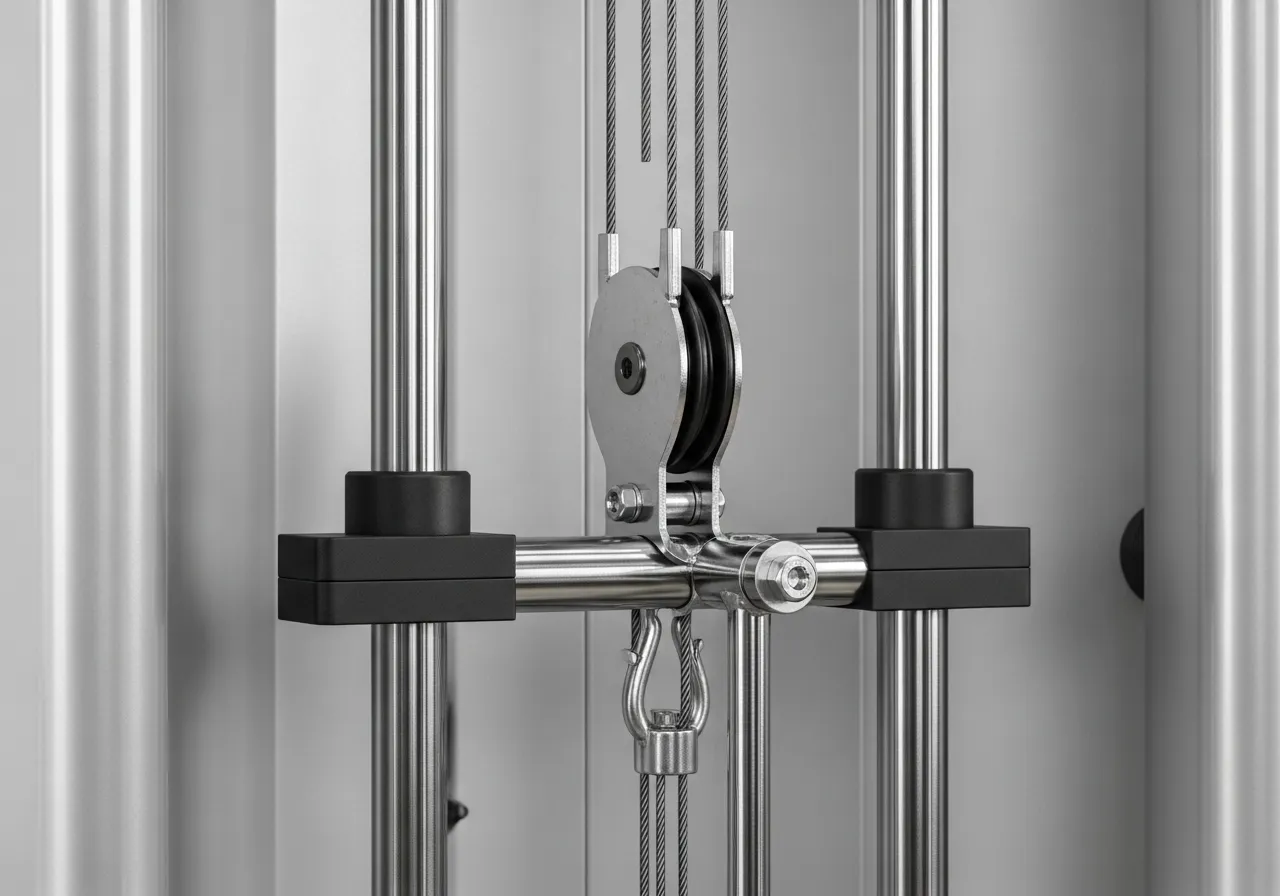
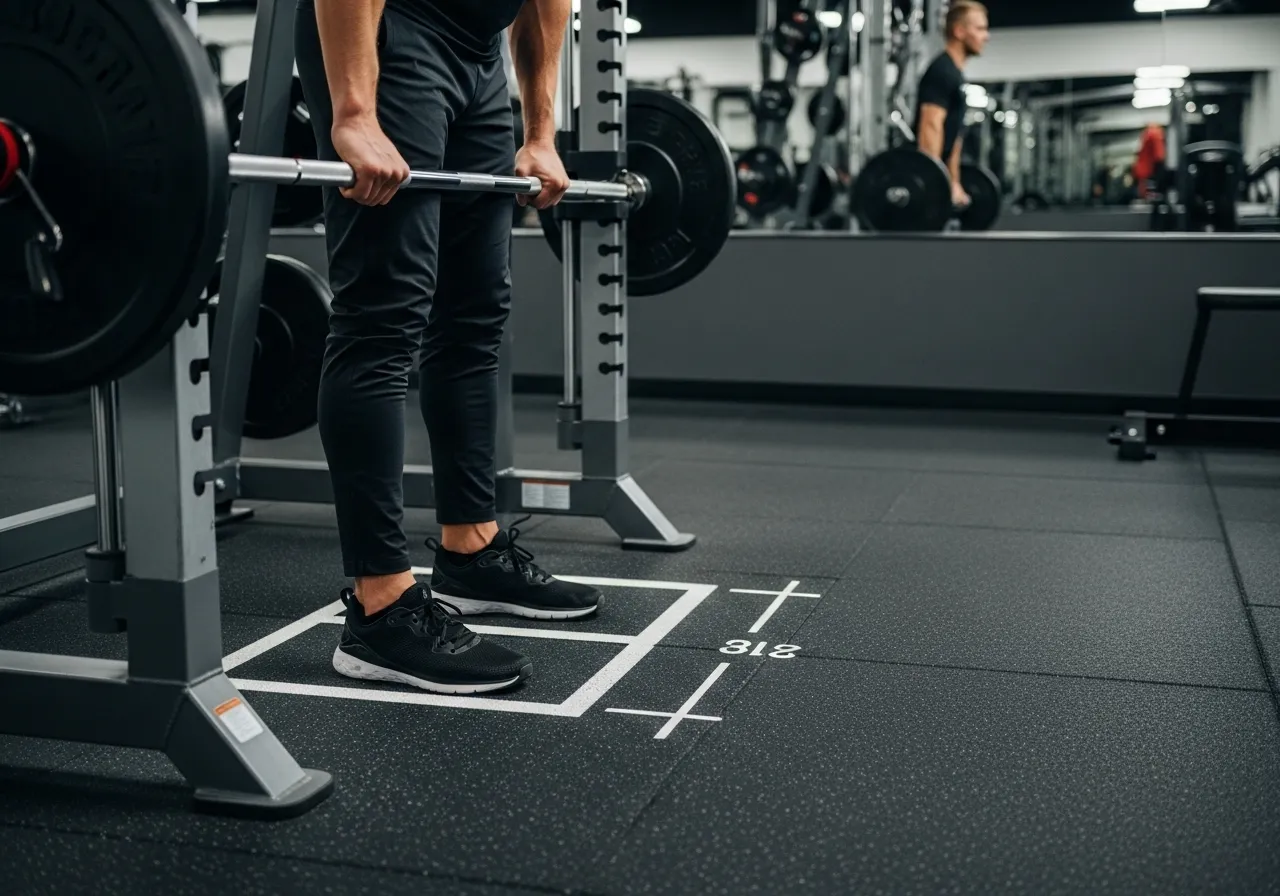
The Smith machine constrains the bar to a fixed vertical (or slightly angled) path using guide rods. This removes the lateral stability requirement from exercises performed on it — the bar cannot tip sideways, cannot deviate from the programmed path, and can be racked at any point by rotating the wrists. The counterbalance system on most Smith machines also reduces the effective bar weight to approximately 5-10 kg, compared to 20 kg for a standard Olympic barbell.
These design features produce both advantages and limitations. The fixed path is an advantage for safety and isolation; it is a limitation for developing the stabilization and movement variability that real-world and athletic movements require. The reduced bar weight makes the machine accessible for beginners working at loads that a barbell cannot provide — and changes the loading mathematics experienced lifters need to account for when comparing performance across implements.
The Fixed Path Problem
Human movement patterns are not linear. During a free barbell back squat guide, the bar path curves slightly as the body shifts to maintain balance. During a free barbell bench press, the bar follows a slight arc from chest to lockout rather than a perfectly vertical line. These natural deviations accommodate the body’s changing mechanical position through the lift. The Smith machine’s fixed path forces the body to accommodate the bar rather than allowing the bar to accommodate the body — creating mechanical compromises in some exercises that free weights avoid naturally.
What the Research Shows: Muscle Activation and Performance
Stabilizer Activation: Free Weights Win
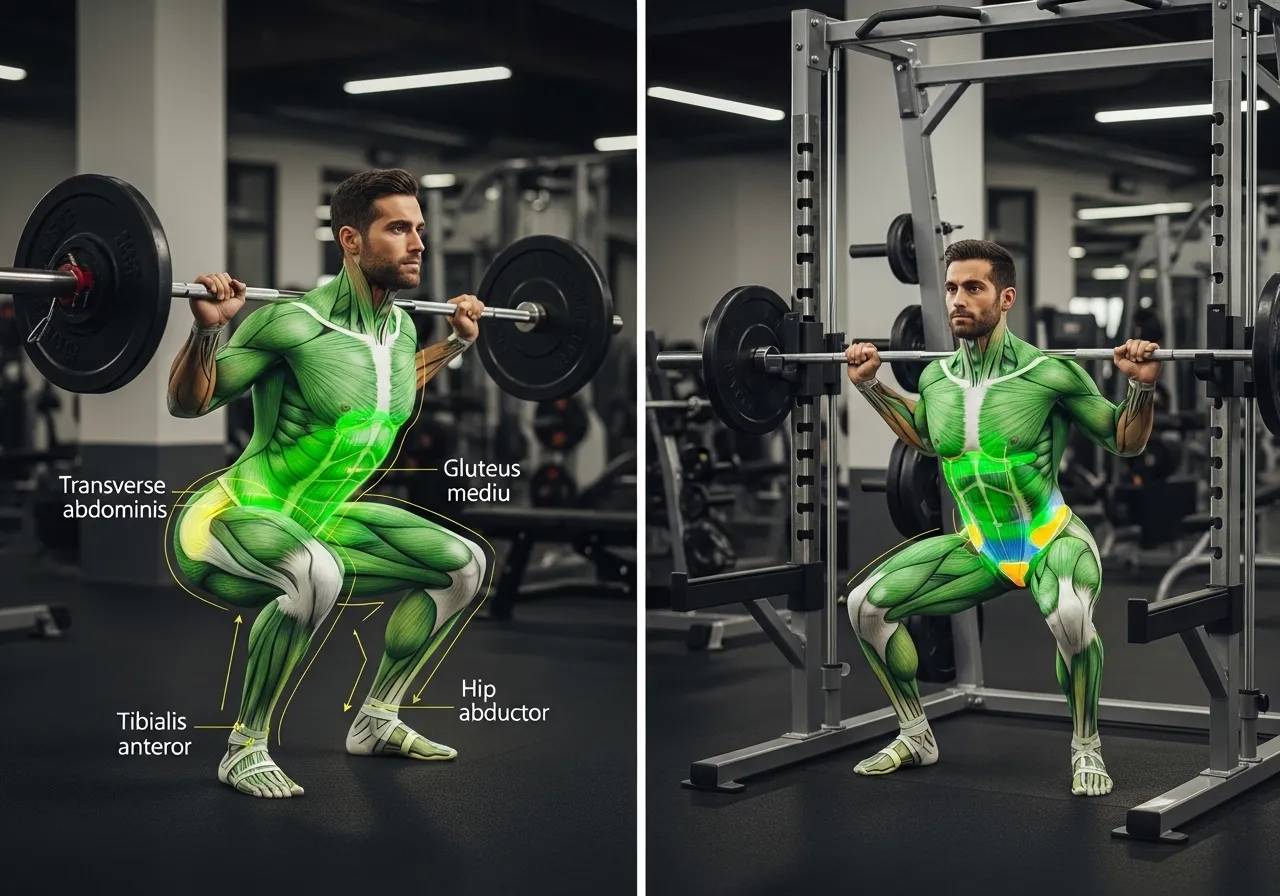
Research comparing Smith machine and free weight squats finds significantly higher activation of stabilizing muscles during free weight squatting — the gluteus medius, erector spinae, and tibialis anterior produce 30-43% more activation during free weight squats compared to Smith machine squats at equivalent loads. The prime movers (quadriceps, gluteus maximus, hamstrings) show more similar activation between conditions, though free weight squats typically produce higher overall prime mover activation due to the coordinative demands they require.
Bench Press Differences
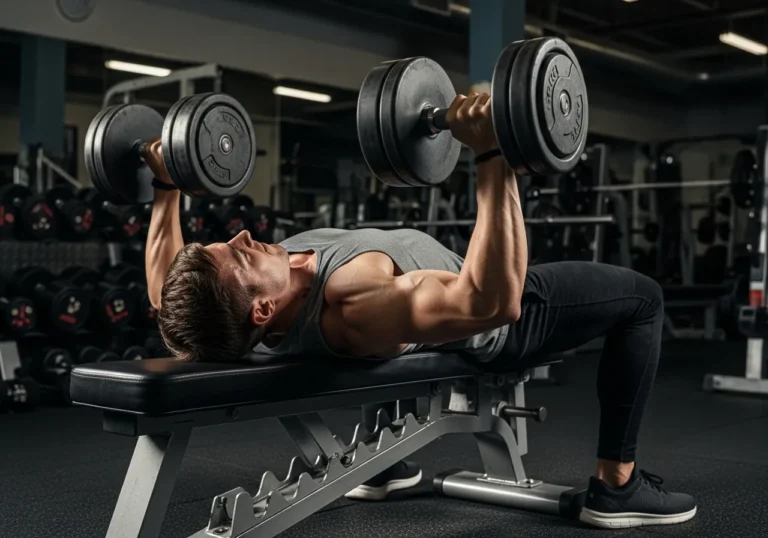
Smith machine versus barbell bench press comparisons find that the Smith machine reduces pectoralis major activation while producing higher triceps activation — the fixed path eliminates the horizontal stabilization component that engages more chest musculature during free barbell pressing. This is why competitive powerlifters cannot use Smith machine pressing to prepare adequately for free barbell competition performance: the movement patterns and muscle recruitment are meaningfully different.
Strength Transfer: The Key Limitation
Strength developed on the Smith machine transfers incompletely to equivalent free weight exercises. An athlete who develops a 120 kg Smith machine squat will not necessarily be able to squat 120 kg with a free barbell — the stabilization and proprioceptive demands of free barbell squatting are not trained by Smith machine use. This limited transfer is the primary reason that the Smith machine should not replace free weight training for athletes and those whose fitness goals include functional strength. NSCA exercise standards acknowledge both free weight and machine training as valid resistance training modalities with distinct applications.
Where Smith Machine Training Genuinely Excels
The Smith machine’s specific advantages make it valuable in certain training contexts. For bodybuilding-style isolation, the fixed path allows prime mover fatigue without stabilizer intervention. For rehabilitation training, it provides controlled loading through specific ranges during injury recovery. For beginners learning patterns, it allows very light loads with the safety of the rack’s protection before transitioning to free weights.
Smith Machine Technique: Critical Form Adjustments
Smith Machine Squat: Foot Position Is Different
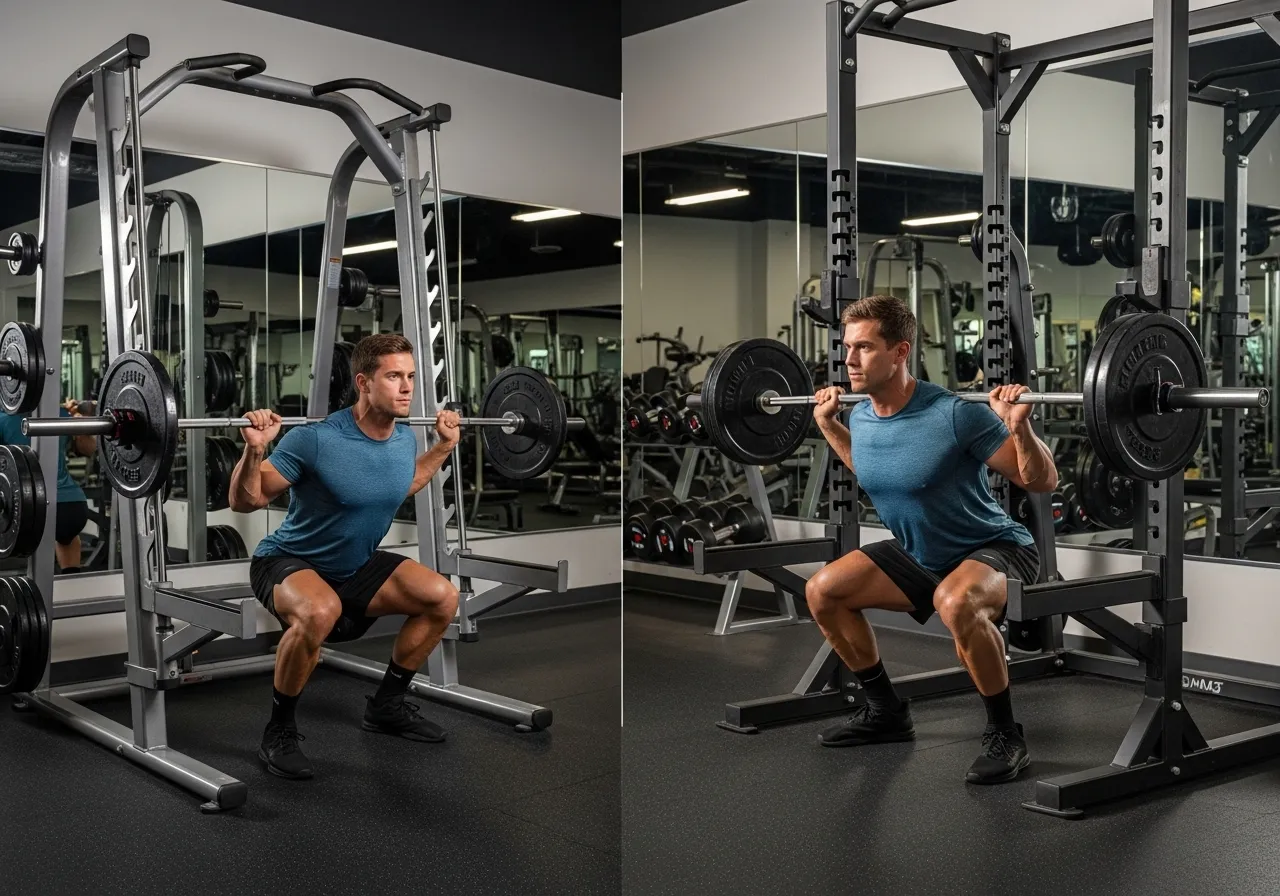
The most important Smith machine squat adjustment: position your feet 15-20 cm further forward than you would for a free barbell squat. Because the bar path is fixed vertically, your center of mass must adjust to accommodate the constraint. Placing feet too far back forces excessive forward knee travel and reduces hip involvement. Feet slightly forward creates the modified hip-knee balance the fixed path requires. This is not a form error — it is the correct form adjustment for the Smith machine specifically.
Smith Machine Bench Press: Shoulder Positioning
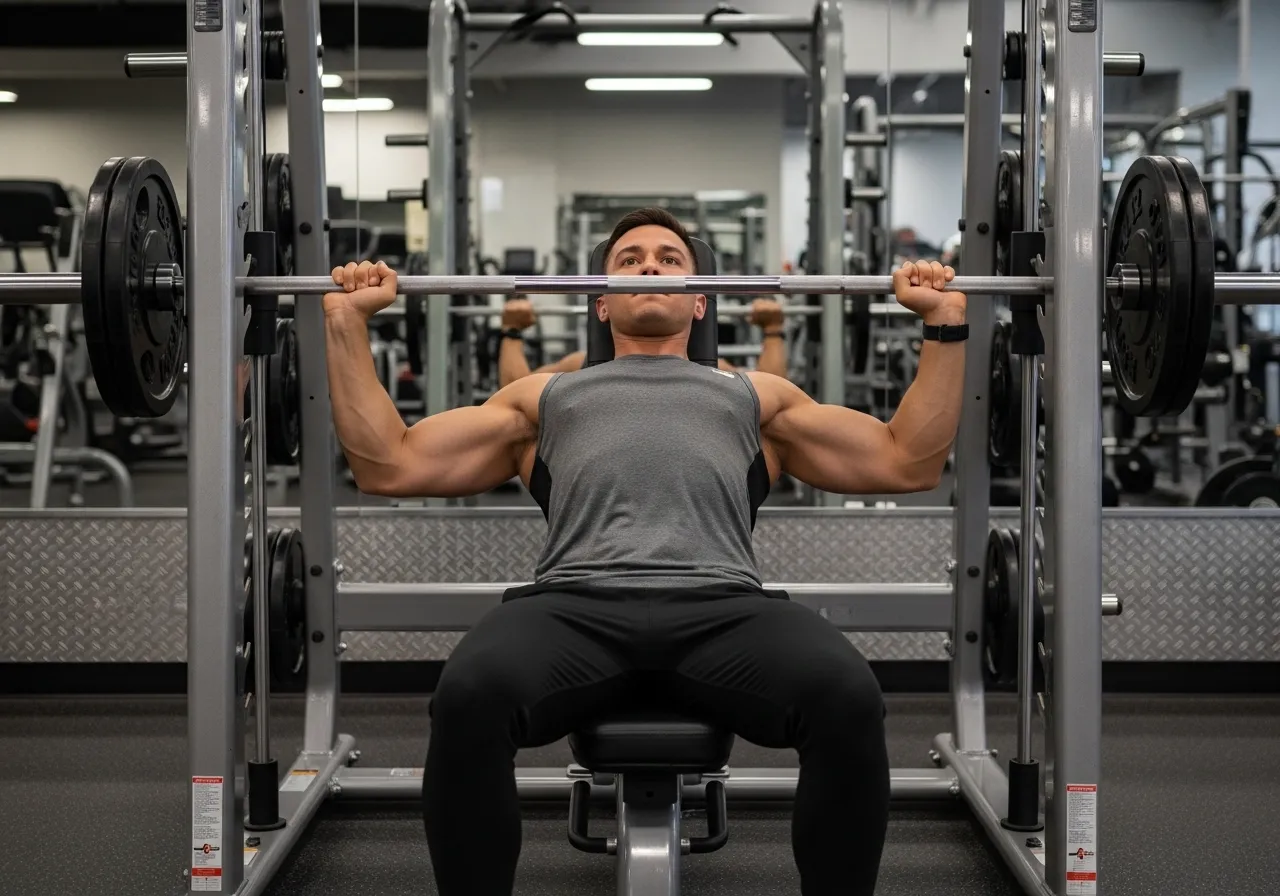
The Smith machine bench press’s fixed path prevents the natural slight arc that the barbell follows during free pressing. This increases stress on the anterior shoulder capsule if the elbows are tucked too tightly. Adjust grip slightly wider than your free bar position and allow the elbows to flare to approximately 45-60 degrees — this positions the shoulder more comfortably within the fixed path constraints. Keep the bar path to the lower chest area (nipple line), not upper chest, where shoulder mechanics are least stressed under fixed-path constraint.
Safety Hook Familiarity
The Smith machine’s rotating hook safety mechanism allows the bar to be racked mid-movement by rotating the wrists. Beginners should practice the hook engagement motion without weight before loading — failure to engage the hooks quickly during a failed rep can result in injury. Practice the wrist rotation motion in both directions (engage and release) until it is completely automatic before performing any working sets.
Hip Thrust: Where Smith Machine Excels
The Smith machine hip thrust is one exercise where the fixed path provides a genuine advantage over the free barbell — the bar path stabilizes across the hips, making the exercise safer and allowing heavier loading than barbell hip thrusts for many lifters. The hip thrust’s joint mechanics are less compromised by the fixed path than standing exercises. This is one of the best Smith machine applications available for any fitness level.
Best and Worst Smith Machine Exercises
Exercises Where Smith Machine Works Well
Smith machine hip thrust: fixed path eliminates the common barbell rolling issue and provides stable loading for posterior chain development. Smith machine calf raises: standing calf raises with fixed bar provide excellent gastrocnemius and soleus isolation with minimal mechanical compromise from the fixed path. Smith machine seated shoulder press: the seated position reduces the standing press’s fixed-path shoulder risk and allows heavier loading than dumbbell pressing for shoulder development. Smith machine hack squat guide: feet forward positioning creates a quad-dominant movement that is difficult to replicate with free weights at the same load.
Exercises Where Free Weights Are Superior
Romanian deadlift: the hip hinge mechanics require the bar to travel forward and back relative to the body — the Smith machine’s fixed path prevents this natural movement and creates lumbar shear forces. Standing overhead press: the fixed path prevents the natural forward-back bar path shift that free standing pressing allows, creating excessive anterior shoulder stress. Squats for athletic development: the stabilization development of free barbell squatting has superior athletic transfer. Olympic lift variations: any ballistic or power exercise requires natural bar path that the Smith machine physically cannot provide.
Programming Integration
The productive approach: use Smith machine exercises as accessory movements after free weight primary work when the goal is specific isolation. Smith machine hack squats after free barbell squats adds targeted quad volume; Smith machine hip thrusts after deadlifts adds posterior chain volume with less spinal loading. During injury rehabilitation, use the Smith machine to maintain training intensity while protecting the affected joint, with a planned return to free weights as healing progresses.
Using the Smith Machine Intelligently
For Beginners: Pattern Learning Tool
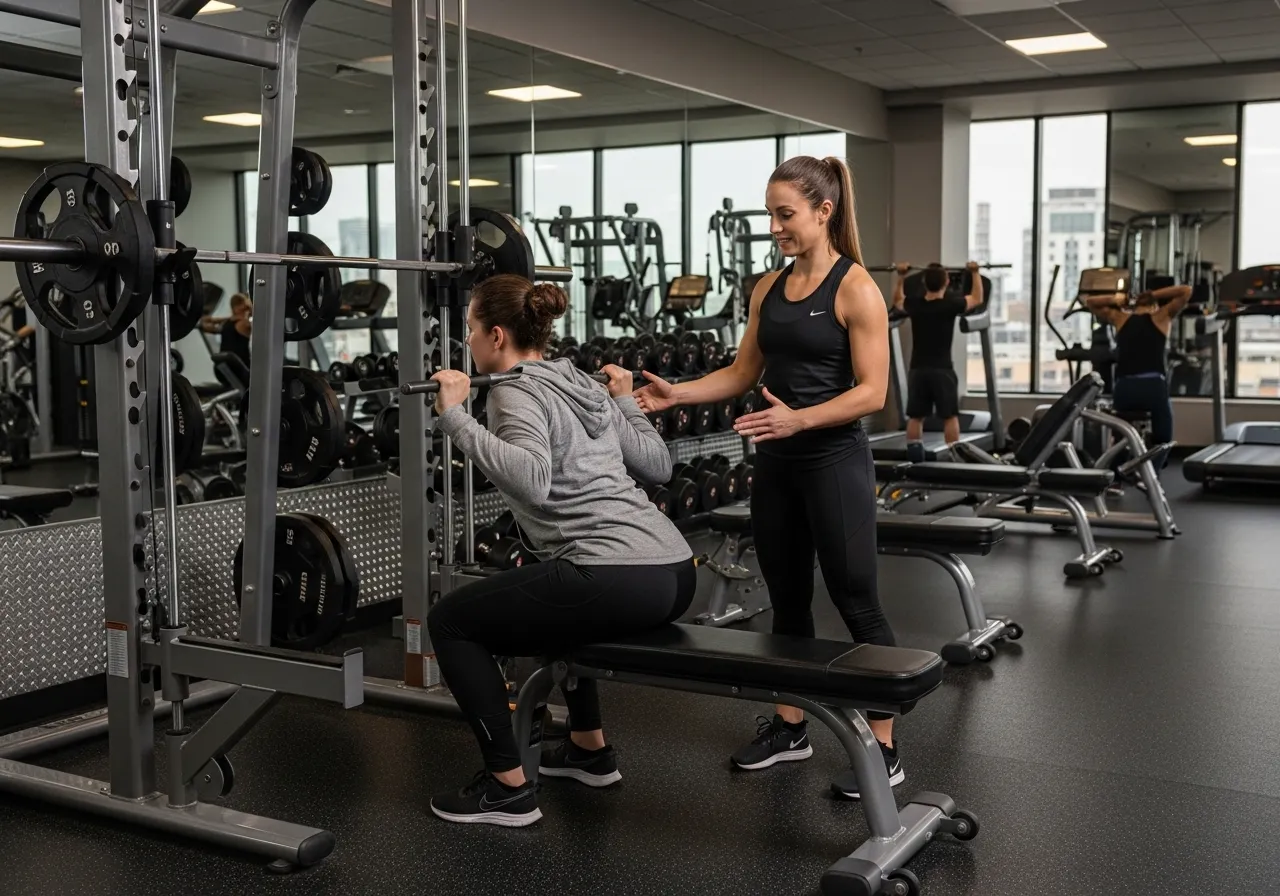
Beginners can productively use the Smith machine to learn movement patterns at very light loads with the safety advantage of the rack. Once basic pattern competency is established (typically 4-8 weeks), transitioning to free weights develops the stabilization and proprioception that the Smith machine cannot build. The Smith machine as a learning tool followed by free weight transfer produces better long-term outcomes than exclusively using either implement.
For Advanced Lifters: Specific Isolation
Advanced lifters can use Smith machine exercises as accessory movements after free weight primary work when the goal is specific muscle isolation rather than stabilization training. The smith machine enables pushing closer to momentary muscular failure on certain exercises without the technique breakdown risk that free weights carry when stabilizers fatigue — a specific advantage for high-volume hypertrophy phases.
Can I build significant muscle using only a Smith machine? Yes — the prime mover stimulus for hypertrophy is present, and muscle growth does not require free weight training specifically. The limitation is stabilizer development and strength transfer, not hypertrophy potential in the prime movers.
Is the Smith machine safer than free weights? For unspotted training, yes — the ability to rack at any point eliminates the risk of being pinned under a failed rep. For joint health, it depends on the exercise — the fixed path creates joint stress in some movements that free weights avoid through natural path variation.
Why do some performance gyms not have Smith machines? Performance-focused facilities often eliminate Smith machines to encourage free weight training and prevent athletes from developing movement patterns on the machine that don’t transfer to sport. This is a coaching philosophy decision, not a universal verdict — the appropriate equipment reflects the client population and training philosophy.
Should beginners start on the Smith machine or free weights? Both are valid. Smith machine provides safety for initial pattern learning; free weights develop stabilization from day one. Many coaches use Smith machines for initial pattern learning before transitioning to free weights after the basic movement is established.
Is the Smith machine bench press good for building chest? It can build chest size, but free barbell and dumbbell pressing typically produce greater pectoralis major activation. Using Smith machine bench as accessory after free weight primary pressing is a reasonable approach. Relying on it as the sole pressing movement limits chest development compared to free weight pressing combinations.