Skip to content

healthinfoblog

  • Home
  • Weighted & Machine Exercises
  • Other Diverse Exercises
  • Strength Training
  • Flexibility & Stability Exercises
  • Cardiovascular Exercises
healthinfoblog
  • Gymnastic Rings Training: The Science of Instability, EMG Research, 6 Key Exercises, and Progressive Programming
    Other Diverse Exercises

    Gymnastic Rings Training: The Science of Instability, EMG Research, 6 Key Exercises, and Progressive Programming

    ByHealth info blog 2026-05-102026-05-02

    Walk into any gym and you will find cable stacks, pull-up bars, and Smith machines. Gymnastic rings are the one piece of equipment almost nobody uses. They also happen to be the one piece that trains the quality every other tool ignores: three-dimensional shoulder stability under dynamic load. Rings hang freely. They rotate, swing, and…

    Read More Gymnastic Rings Training: The Science of Instability, EMG Research, 6 Key Exercises, and Progressive ProgrammingContinue

  • Lateral Raise Guide: EMG Research, Dumbbell vs Cable Science, and Rotation Technique for Shoulder Width
    Strength Training

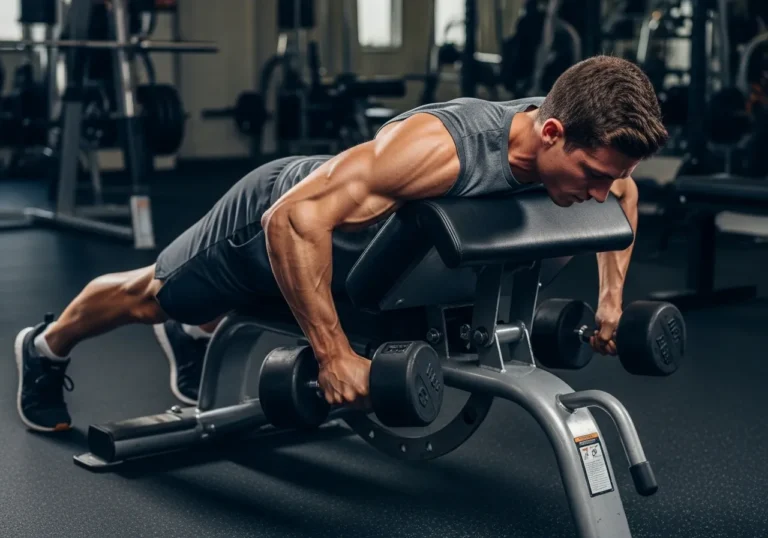
    Lateral Raise Guide: EMG Research, Dumbbell vs Cable Science, and Rotation Technique for Shoulder Width

    ByHealth info blog 2026-05-102026-05-02

    ⚠️ Shoulder and Rotator Cuff Safety NoteThe lateral raise elevates the arm through shoulder abduction — a movement that narrows the subacromial space and can provoke impingement in individuals with existing rotator cuff pathology or AC joint irritation. Those with diagnosed supraspinatus tears, active shoulder impingement syndrome, or a history of shoulder surgery should obtain…

    Read More Lateral Raise Guide: EMG Research, Dumbbell vs Cable Science, and Rotation Technique for Shoulder WidthContinue

  • Shoulder Mobility: The Research Behind Restricted Range, 6 Key Exercises, and a Progressive 8-Week Plan
    Flexibility & Stability Exercises

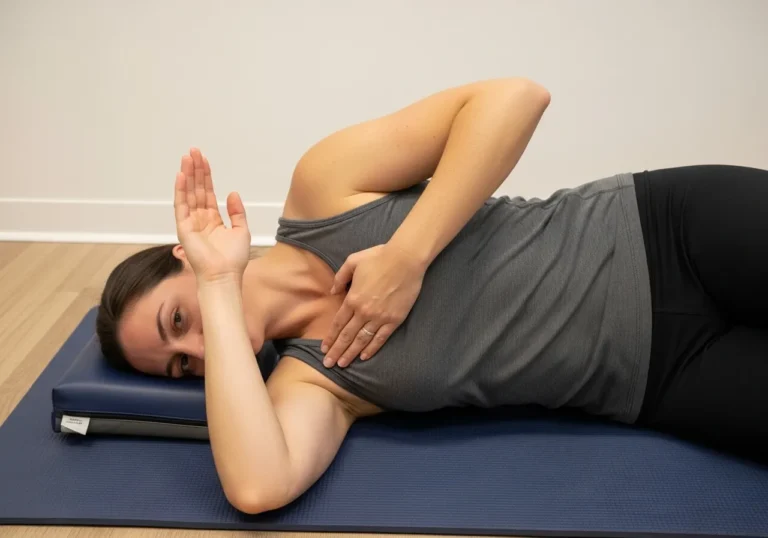
    Shoulder Mobility: The Research Behind Restricted Range, 6 Key Exercises, and a Progressive 8-Week Plan

    ByHealth info blog 2026-05-092026-05-03

    Shoulder stiffness rarely announces itself with pain. It shows up as a pressing limitation, an overhead position that feels blocked, or a rack position that never quite works no matter how much you practise. Most trainees treat shoulder mobility as a warmup afterthought: a few arm circles before training, a brief band stretch after. The…

    Read More Shoulder Mobility: The Research Behind Restricted Range, 6 Key Exercises, and a Progressive 8-Week PlanContinue

  • Heart Rate Variability Guide: What HRV Tells You About Recovery, Training Readiness, and How to Use It
    Cardiovascular Exercises

    Heart Rate Variability Guide: What HRV Tells You About Recovery, Training Readiness, and How to Use It

    ByHealth info blog 2026-05-092026-05-02

    ⚠️ Cardiovascular Monitoring Safety NoteHRV monitoring is a wellness and performance tool — not a medical diagnostic device. Consistently low HRV accompanied by symptoms such as chest pain, unexplained breathlessness, palpitations, or severe fatigue may indicate an underlying cardiovascular or systemic condition requiring medical evaluation. Do not use HRV data alone to override symptoms that…

    Read More Heart Rate Variability Guide: What HRV Tells You About Recovery, Training Readiness, and How to Use ItContinue

  • Breathing and Diaphragm Training Guide: Why How You Breathe Affects Your Core, Posture, and Performance
    Flexibility & Stability Exercises

    Breathing and Diaphragm Training Guide: Why How You Breathe Affects Your Core, Posture, and Performance

    ByHealth info blog 2026-05-082026-05-03

    ⚠️ Breathing and Cardiovascular Safety NoteBreathing exercises involving breath-holding (Valsalva manoeuvre variants) and hyperventilation drills significantly alter blood pressure and carbon dioxide levels. Individuals with uncontrolled hypertension, a history of syncope (fainting), cardiovascular disease, or epilepsy should avoid high-intensity breath-holding exercises and obtain medical clearance before starting structured diaphragmatic breathing training. Dizziness or tingling during…

    Read More Breathing and Diaphragm Training Guide: Why How You Breathe Affects Your Core, Posture, and PerformanceContinue

Page navigation

1 2 3 … 23 Next PageNext

© 2026 healthinfoblog - WordPress Theme by Kadence WP

  • Home
  • Weighted & Machine Exercises
  • Other Diverse Exercises
  • Strength Training
  • Flexibility & Stability Exercises
  • Cardiovascular Exercises