Dumbbell vs Barbell Bench Press: Which One Actually Builds More Chest Muscle?
The Debate That Every Gym Member Has an Opinion On
Ask ten experienced lifters whether dumbbells or a barbell build more chest muscle and you’ll get ten different answers delivered with equal confidence. I’ve been on both sides — spending years almost exclusively barbell pressing, then shifting to dumbbell-dominant training after a shoulder issue forced me off the barbell for six weeks and produced, unexpectedly, my best chest development in years.
What I found in the research is more nuanced than either camp acknowledges: both implements produce meaningful chest hypertrophy, but through different mechanisms, with different advantages. The optimal approach involves both rather than choosing one exclusively.
The Chest Muscle: What It Needs to Grow
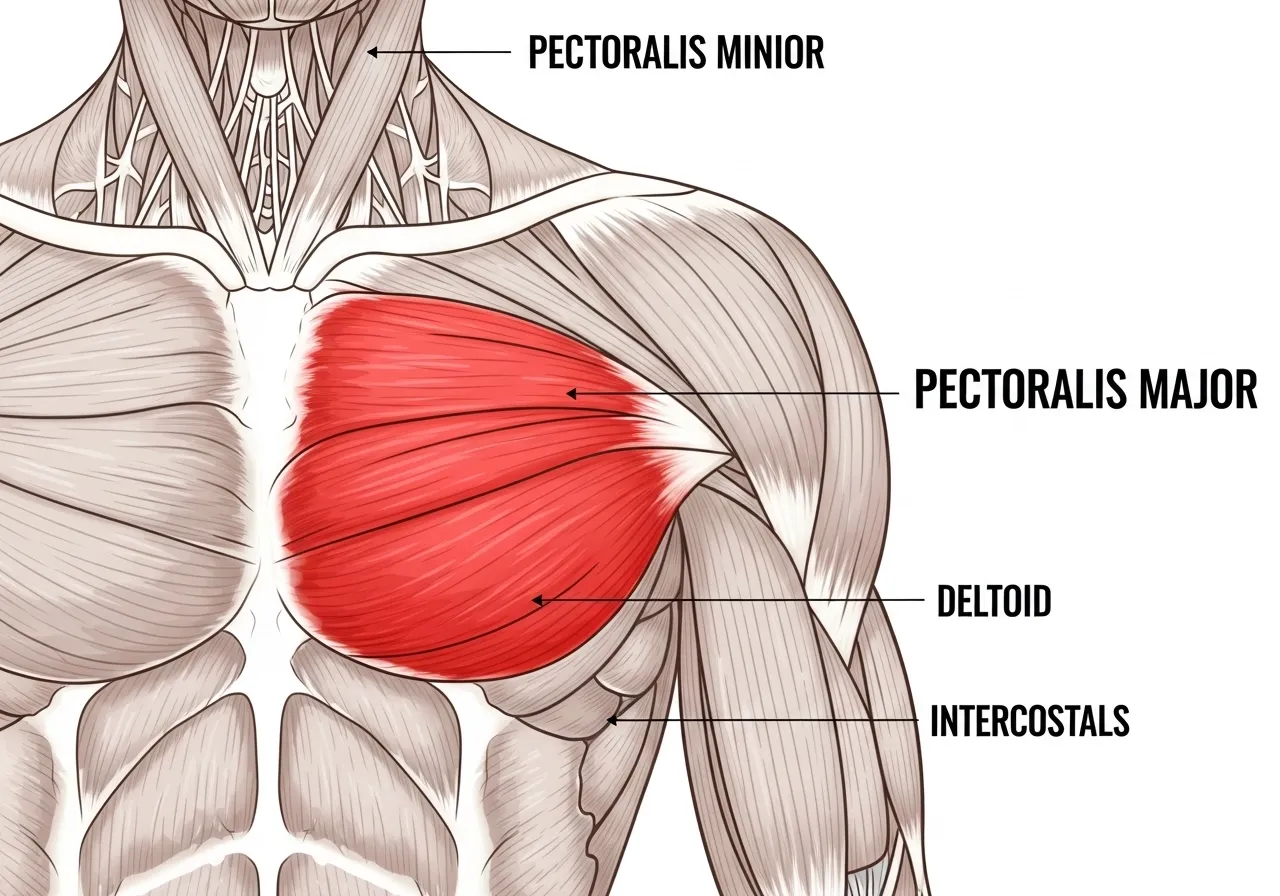
The pectoralis major performs horizontal adduction — bringing the arm across the body — and internal rotation of the humerus. It is most fully activated when the arm moves from an extended, externally rotated position through horizontal adduction to the contracted position. Range of motion and the ability to fully stretch the pec at the bottom of the press matter significantly for activation.
The Barbell: Maximum Loading, Limited Flexibility
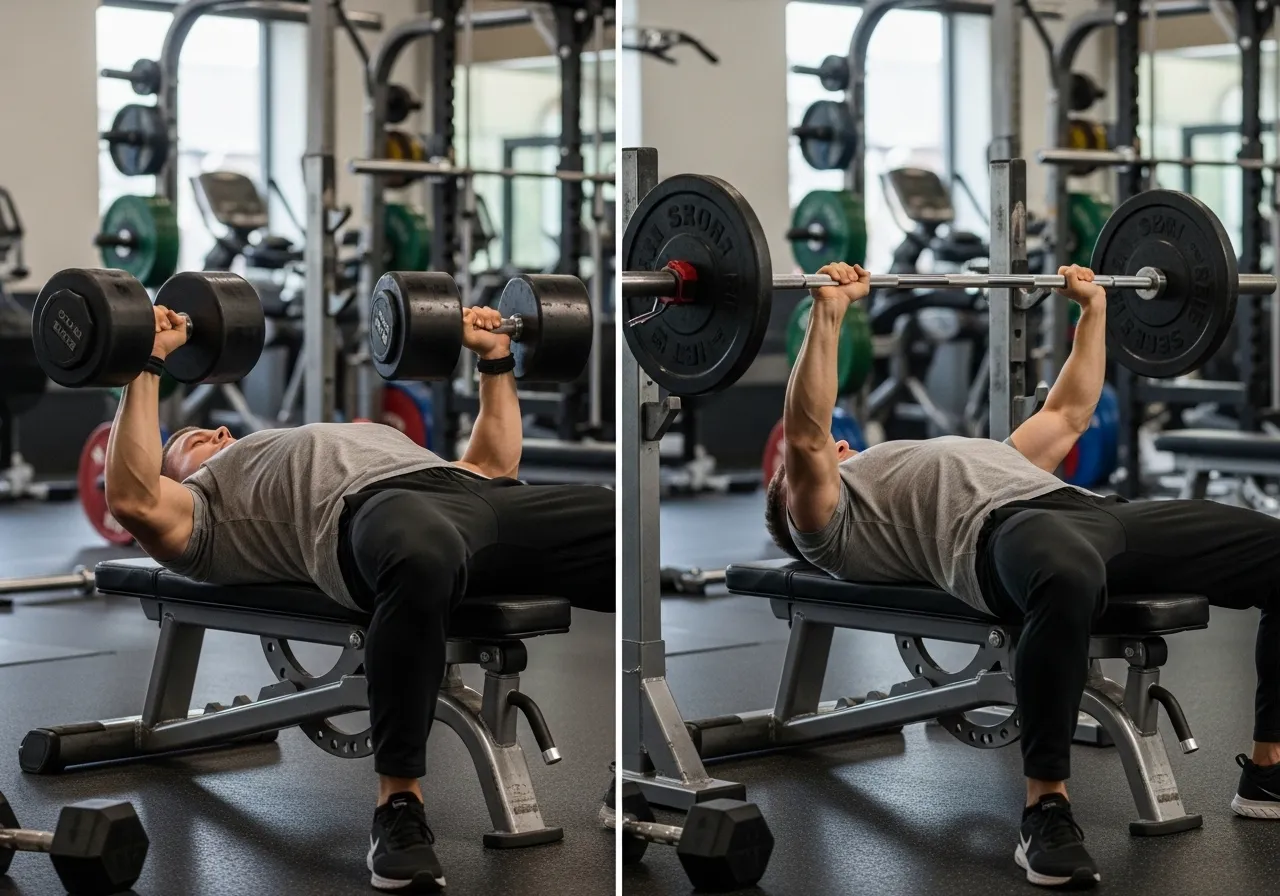
The barbell fix your bench press stall allows approximately 15-20% more absolute load than dumbbell pressing. This heavier loading increases mechanical tension — one of the primary drivers of hypertrophy — making the barbell superior for strength development and heavy loading. The limitation: the fixed bar path restricts the natural arc of the humerus and limits the pectoral stretch available at the bottom position.
EMG Research: What the Science Shows
Studies on pectoralis major activation show mixed results. Research published in PMC found higher pectoralis major activation during dumbbell pressing in some phases, attributed to the greater range of motion. Other studies find greater overall activation time with the barbell due to the heavier loads used. The key finding: barbell produces high activation throughout the movement via heavy loading; dumbbells produce particularly high activation at the stretched and contracted positions via range of motion.
The Dumbbell Advantage: Range of Motion and Independence
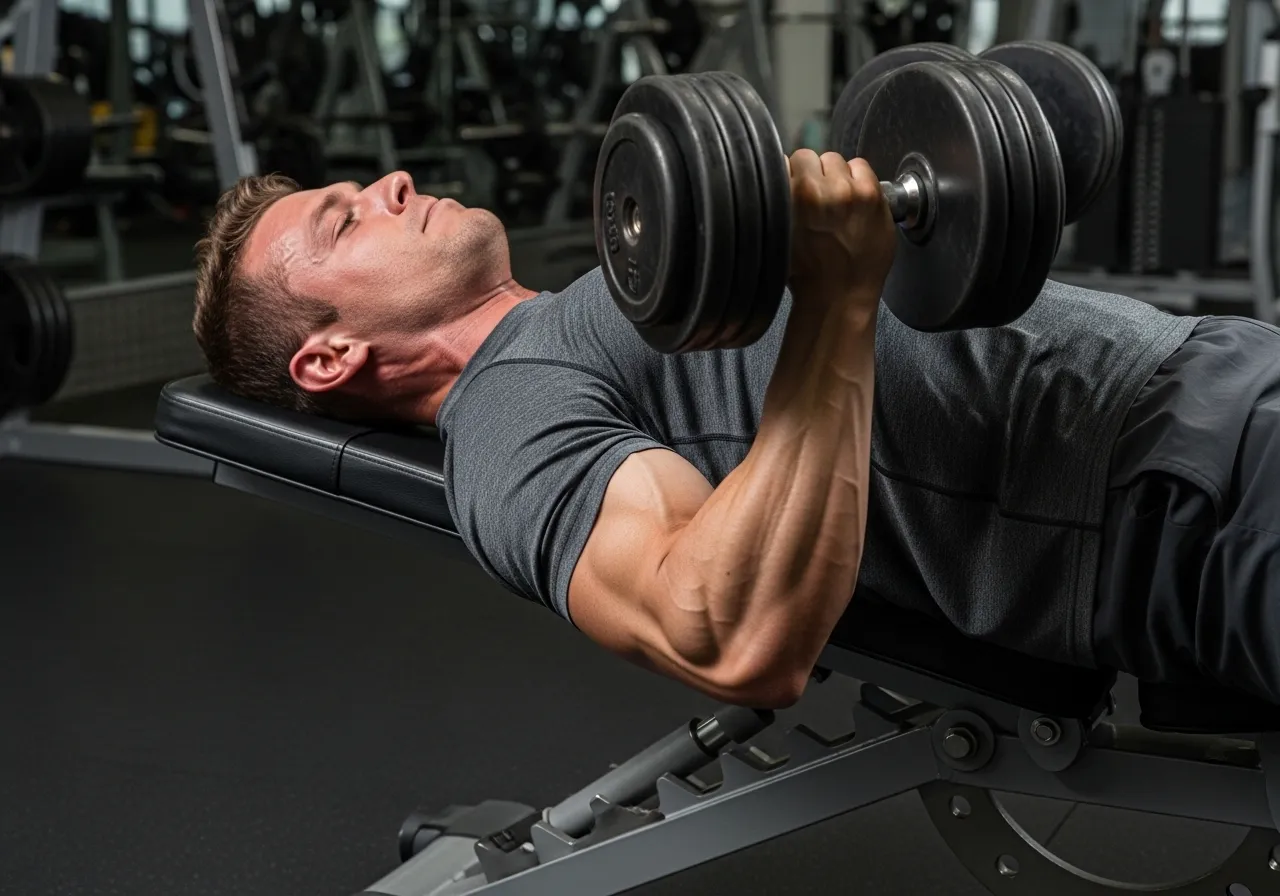
The dumbbell bench press provides two structural advantages that directly affect pectoral muscle activation.
Greater Range of Motion
Dumbbells allow the arms to travel lower than the barbell at the bottom of the press, increasing the stretch on the pectoralis major. Research consistently finds that greater range of motion at the stretched position increases muscle activation and hypertrophy stimulus. The stretched position loading is one of the most potent hypertrophy stimuli available.
Independent Arm Movement
Each dumbbell moves independently, allowing natural adduction at the top (pressing the dumbbells together) that a barbell cannot replicate. This directly mimics the pectoralis major’s primary function of horizontal adduction. The independent movement also identifies bilateral asymmetries — if one arm consistently lags, dumbbells make this visible and force correction, while the barbell allows the stronger side to compensate undetected.
Stability Demands
Dumbbells require greater stabilization than the barbell. For hypertrophy, the additional stabilizer engagement contributes to overall upper body development. For maximum strength, excessive instability can limit force output. The appropriate tool depends on whether stabilization development or maximum loading is the priority.
Hypertrophy Research: Both Work
Studies examining actual muscle size changes find similar chest hypertrophy between barbell and dumbbell training when volume is equated. The mechanisms differ — barbell produces hypertrophy through heavy mechanical tension, dumbbells through stretched-position loading plus metabolic stress. Both pathways lead to similar outcomes, confirming that the debate about which is “better” misses the point: they are complementary.
Practical Differences: Loading, Safety, and Progression
Progressive Overload: Barbell Wins
The barbell allows 2.5 kg increments indefinitely, enabling smooth week-to-week progression. Dumbbells typically require 2-4 kg jumps — a meaningful percentage increase at lighter loads that can create progression gaps. Barbell progression is more granular and consistent, which compounds into greater strength development over months.
Safety: Dumbbells Win for Solo Training
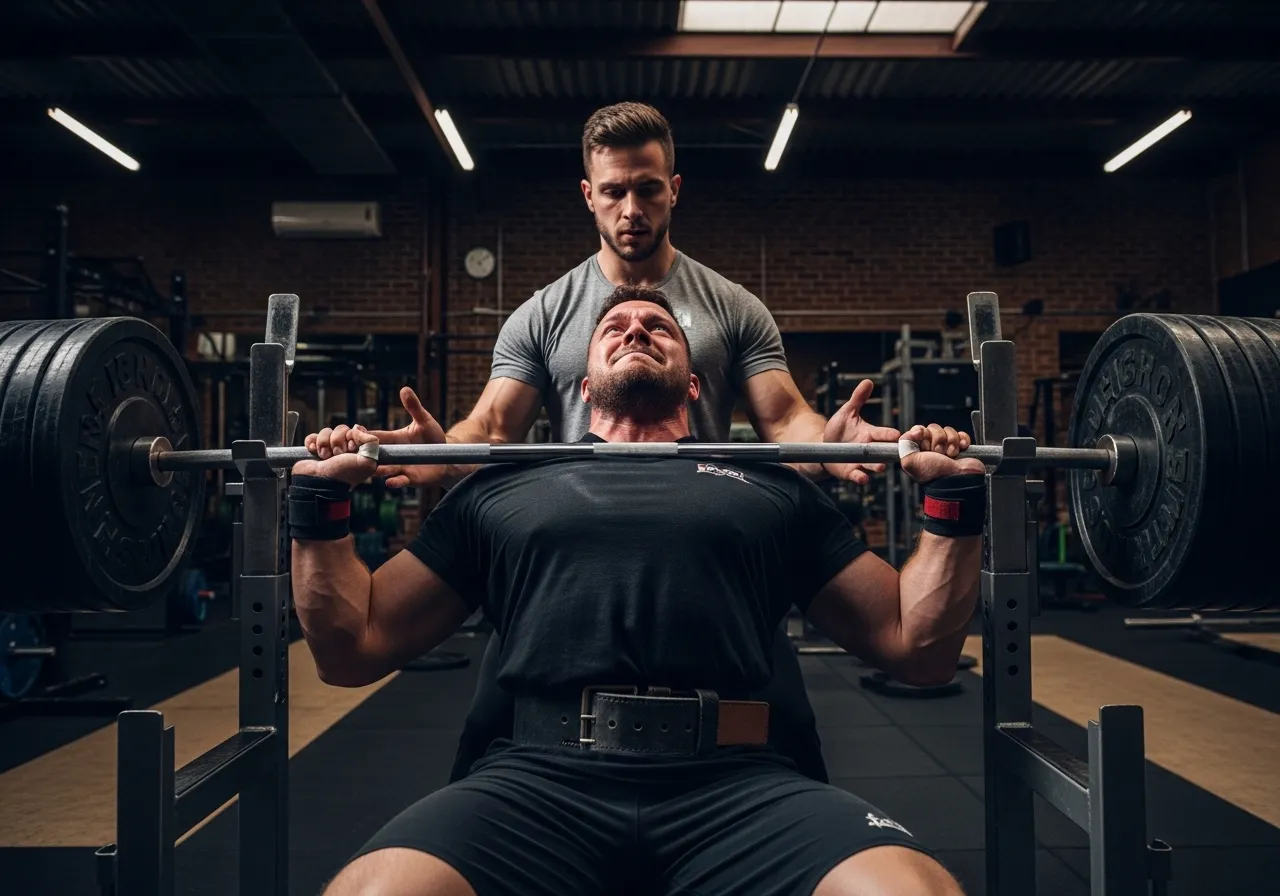
Heavy barbell bench pressing without a spotter carries genuine injury risk if the lifter fails a rep. Dumbbells can be safely dropped to the sides on a failed rep. This safety advantage is significant for solo training — many lifters default to dumbbell pressing not from technique preference but from necessity when training without a partner.
Shoulder Health Considerations
For lifters with shoulder issues, the fixed bar path of the barbell can force the shoulder into uncomfortable positions that the dumbbell’s freedom of movement avoids. Dumbbells allow the natural internal and external rotation of the humerus during pressing, reducing rotator cuff stress for many athletes. If barbell pressing consistently produces shoulder discomfort, dumbbell pressing is the appropriate primary tool regardless of the theoretical loading advantage of the barbell.
Fatigue and Setup
Getting heavy dumbbells into position requires additional muscular effort before the set begins — 40 kg dumbbells require meaningful exertion just to lift off the floor and get into pressing position. This setup fatigue can reduce performance on working sets at very heavy dumbbell loads. The barbell’s simple lift-off preserves more energy for the actual training.
Building the Optimal Chest Program
The most productive chest training programs use both implements strategically, capitalizing on each one’s specific advantages.
Recommended Session Structure
Primary pressing: barbell bench press (or incline barbell) for 3-4 sets of 4-8 reps at 75-85% of 1RM. This builds the strength foundation and heavy mechanical tension that drives long-term chest development. Secondary pressing: dumbbell press variation (flat, incline, or decline) for 3 sets of 8-12 reps. This provides the stretched-position activation, range of motion stimulus, and symmetry correction that the barbell cannot provide.
Exercise Sequencing
In most programs, the barbell movement comes first when neural resources are freshest and heaviest loading is most productive. Dumbbell pressing follows as secondary accessory work at slightly higher rep ranges. Exception: if shoulder issues make heavy barbell pressing uncomfortable at session start, pre-fatiguing with lighter dumbbell work first can reduce the load required on the barbell while maintaining the hypertrophy stimulus.
Incline vs Flat Selection
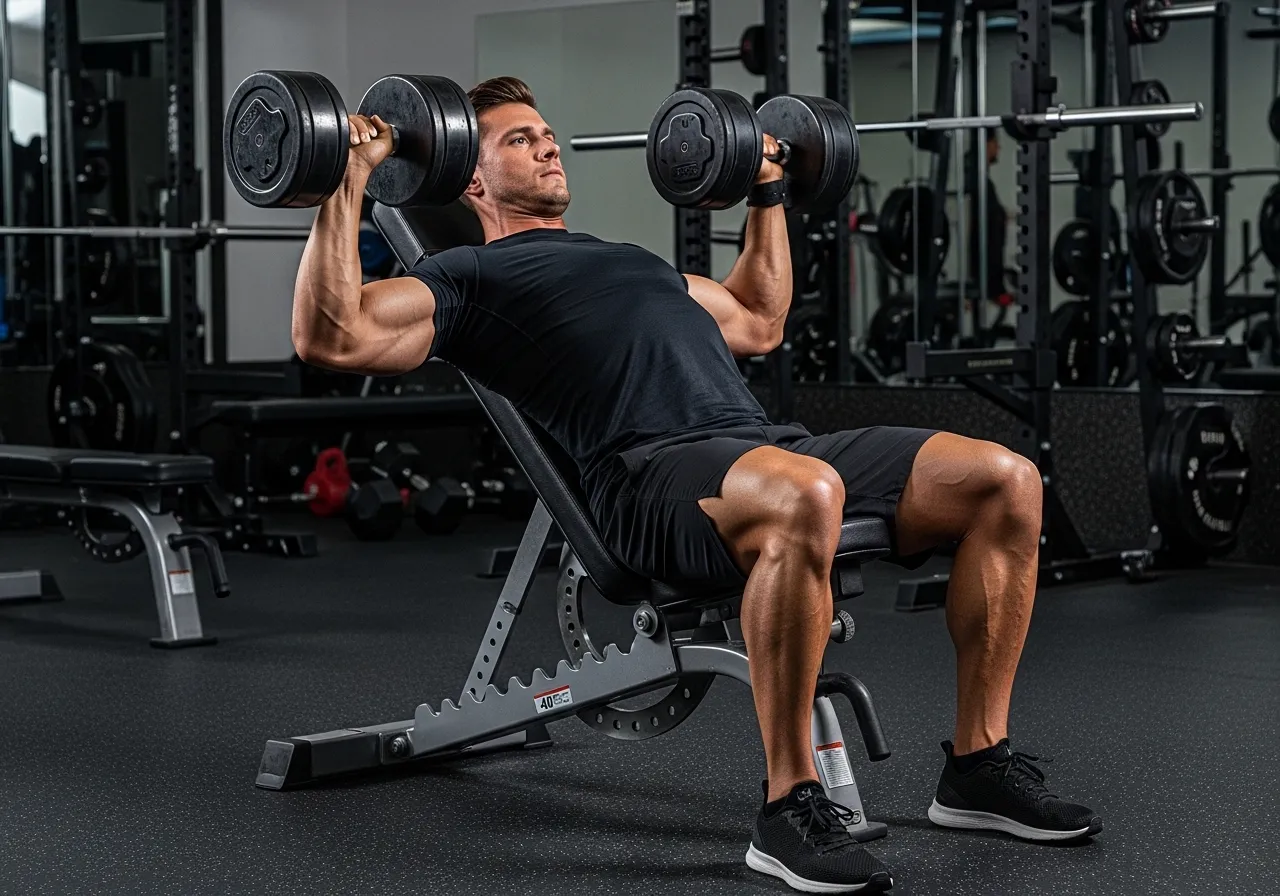
Research shows the incline press (30-45 degrees) more effectively targets the clavicular (upper) head of the pectoralis, while flat pressing distributes activation more broadly. A complete program includes both angles. Incline dumbbell press is particularly valuable for upper chest development that flat pressing underdevelops in many lifters.
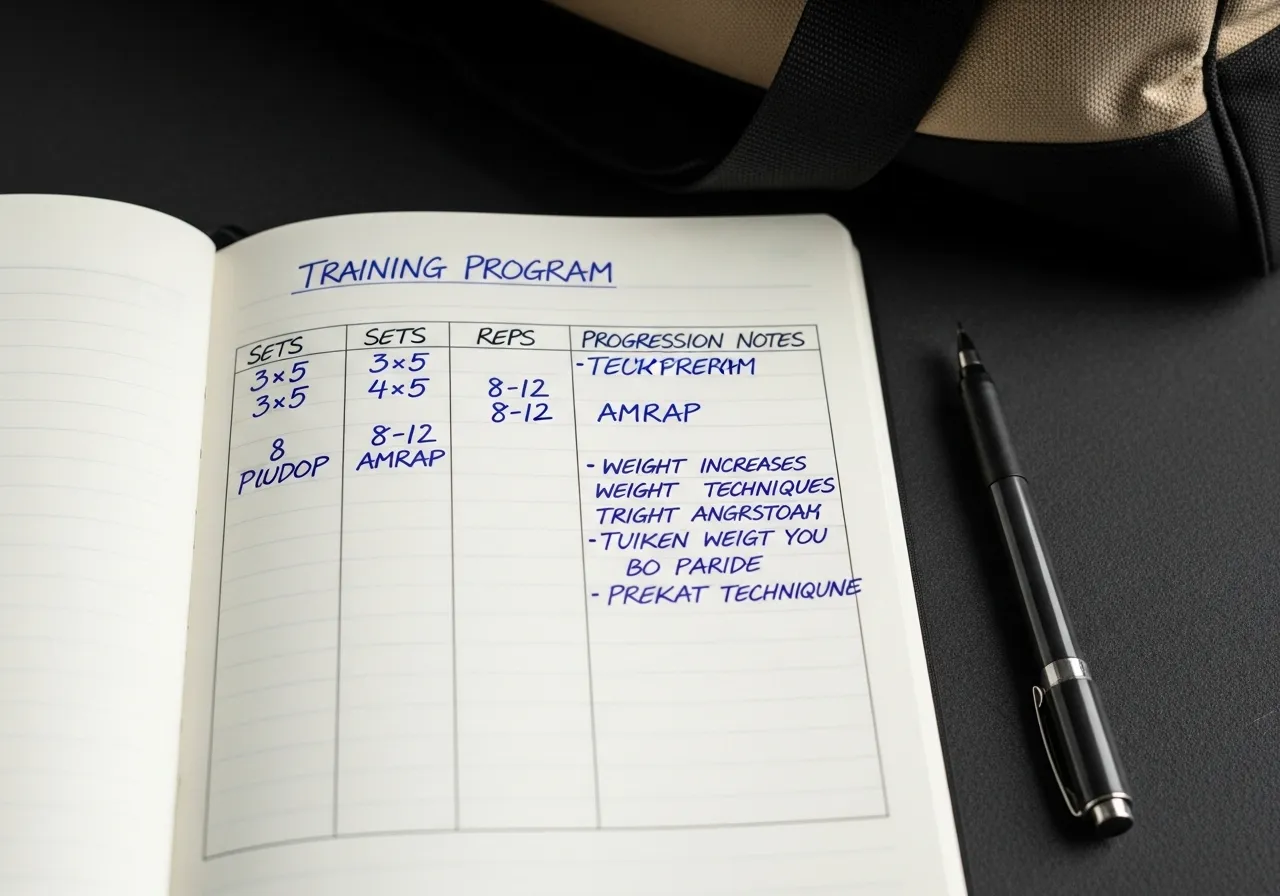
Programming for Your Goal
For Maximum Strength
Prioritize barbell bench press with progressive loading. Use 3-5 sets of 3-6 reps at 80-90% of 1RM as the primary stimulus. Add 2-3 sets of dumbbell work at moderate reps for hypertrophy volume and shoulder health maintenance.
For Maximum Hypertrophy
Balance barbell and dumbbell work roughly equally. 3 sets of barbell at 6-10 reps followed by 3 sets of dumbbell at 10-15 reps captures both the heavy tension stimulus and the stretched-position activation. Cable flyes as a third exercise add the adduction-focused isolation that neither pressing variation fully provides. (see also: cable fly for chest)
Frequently Asked Questions
Can I build a strong chest with only dumbbells? Yes — dumbbell-only programs produce excellent hypertrophy. The limitation is maximum absolute strength development, which requires the heavier loading that barbells facilitate. For general fitness goals, dumbbells alone are sufficient.
How much more can I bench with a barbell than dumbbells? Most lifters press approximately 15-20% more on the barbell than the combined dumbbell weight. A 100 kg barbell presser should expect to handle approximately 40-42 kg dumbbells.
My chest doesn’t respond to pressing. What’s wrong? The most common cause of poor chest response is anterior deltoid and triceps dominance — these muscles take over before the chest is adequately stimulated. Focus on the mind-muscle connection during every rep, slow the eccentric phase, and add cable flyes that specifically isolate the adduction function of the pectoralis. Research on bench press variations confirms that muscle activation patterns vary significantly between individuals — technique and focus matter as much as implement selection.
Is the incline or flat press better for chest development? Both are essential. Flat pressing develops the mid and lower chest; incline pressing develops the upper chest. A complete chest program includes both angles across the weekly training volume.
Should beginners start with dumbbells or the barbell? Both are valid. Dumbbells require less spotting concern and develop symmetry from the start. The barbell builds strength faster and teaches the pressing pattern that transfers best to absolute strength goals. Either can be the starting point — what matters is consistent progressive overload over months.