⚠️ Fitness Disclaimer: The information in this article is for general educational purposes only and does not constitute professional fitness or medical advice. Always consult a qualified healthcare professional before starting any new exercise program, especially if you have existing injuries or medical conditions.
The Ball That Made My Conventional Training Feel Incomplete
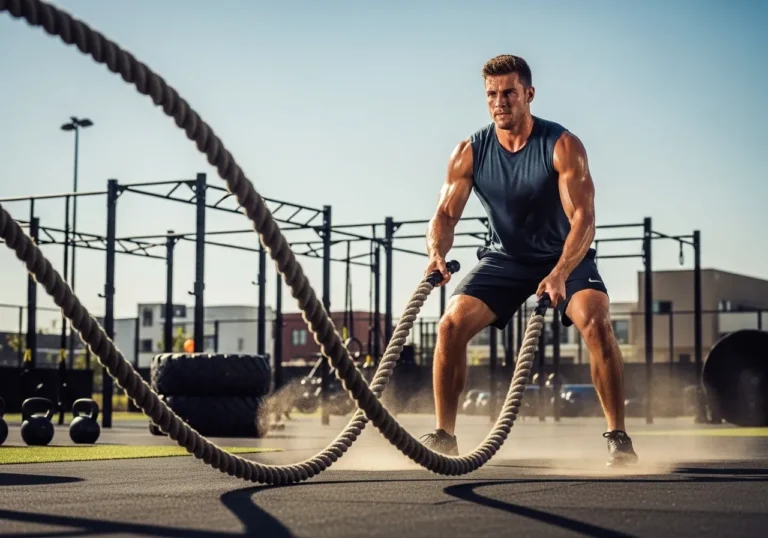
I added medicine ball training as a five-minute afterthought — a few slams at the end of battle ropes training sessions because the trainer in the next bay was doing them and they looked satisfying. Within three weeks, the rotational power and explosive hip extension from those five minutes was producing measurable carryover to my barbell work and to the recreational sports I trained for. Within six weeks, the medicine ball had its own dedicated slot in my weekly program.
Medicine ball training occupies a unique niche that conventional gym equipment cannot fill: it allows maximal-velocity throws, slams, and rotational movements that develop the rate of force development — the ability to generate force rapidly — that slow, controlled resistance training cannot train. A barbell can be lifted quickly, but it cannot be thrown. The ability to express force at maximum speed, which determines athletic performance in virtually every sport, requires training movements that allow genuine maximum-velocity expression. The medicine ball is the safest and most accessible tool for this training.
The Physics of Power: Why Throwing Develops What Lifting Cannot
Power is force multiplied by velocity. Maximum power development requires training at both high force and high velocity simultaneously. The force-velocity curve in muscle physiology describes the inverse relationship: at maximum velocity, muscles produce minimum force; at maximum force, movement is slow. Power peaks in the mid-range of this curve. Resistance training with conventional equipment tends to train at the high-force, lower-velocity end. Medicine ball exercises — particularly throws and slams — train at the moderate-load, maximum-velocity end: the athlete exerts maximum effort against a load that can be moved at genuinely high speeds, training the rate of force development that determines athletic power output.
Who Benefits From Medicine Ball Training
The answer is essentially everyone who moves. Athletes benefit directly from the power and rotational training. General fitness populations benefit from the conditioning effect, the variety, and the functional power development that improves daily movement quality. Older adults benefit from the power training that research identifies as one of the most important fitness qualities to maintain with aging — rate of force development decreases faster with age than maximal strength, making medicine ball training particularly valuable for the 50+ population.
Essential Medicine Ball Exercises: The Complete Library
The Overhead Slam
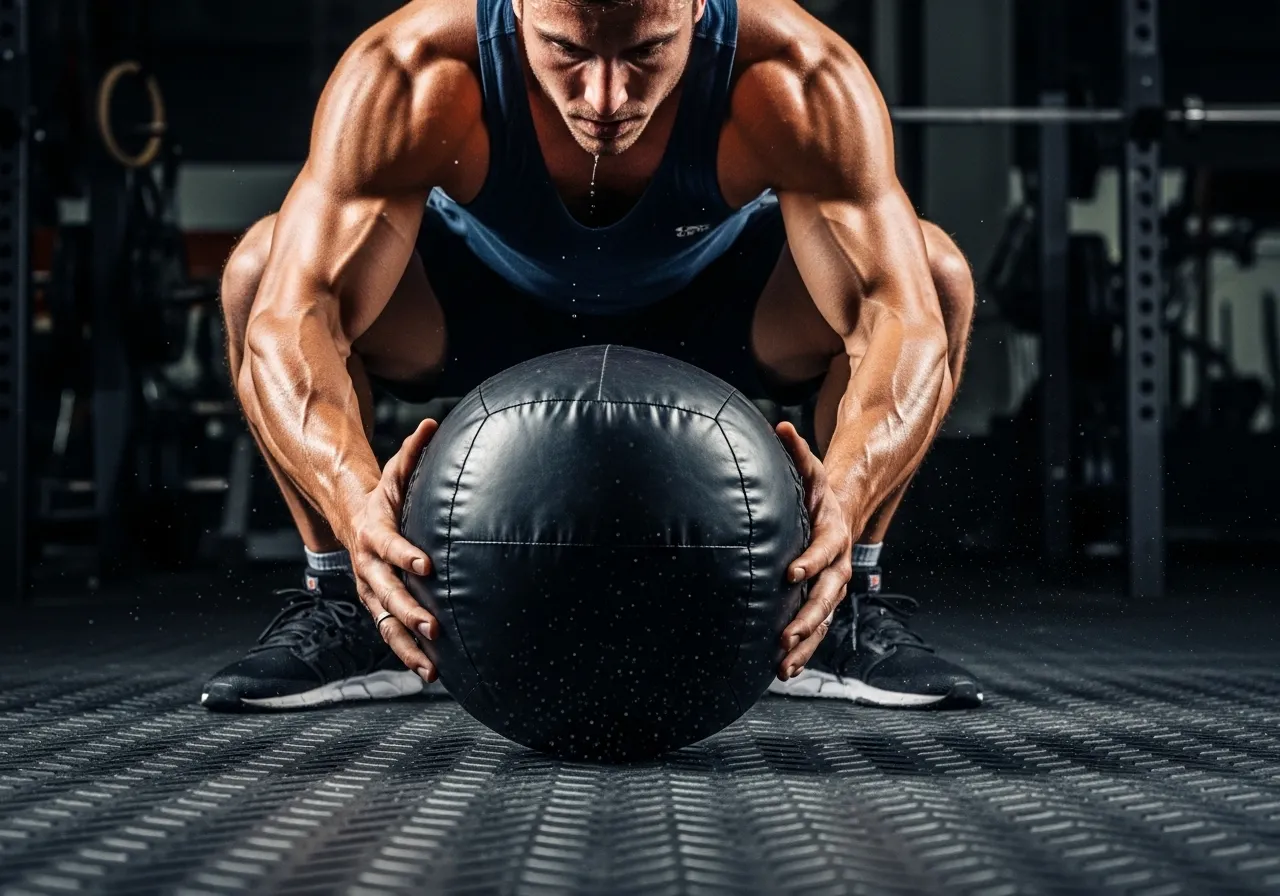
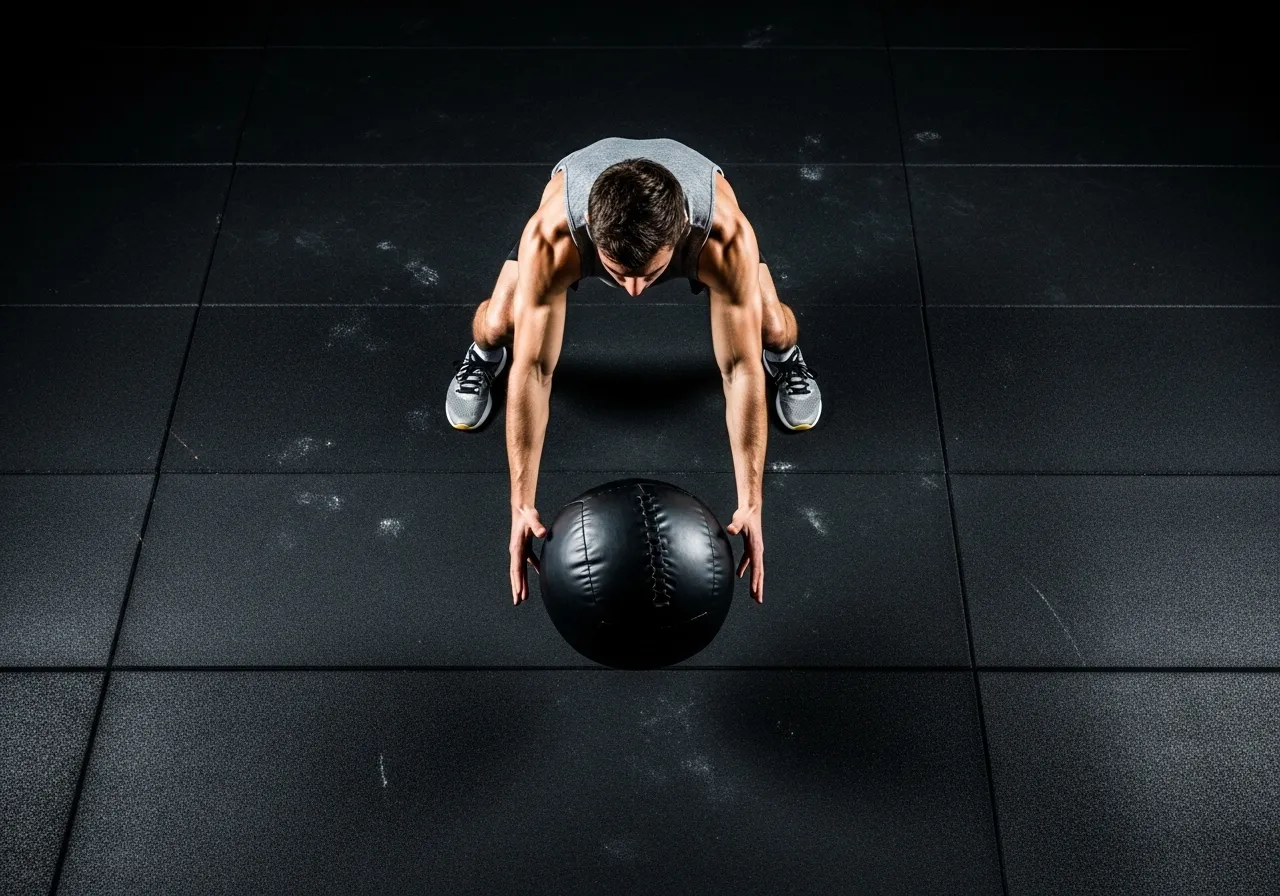
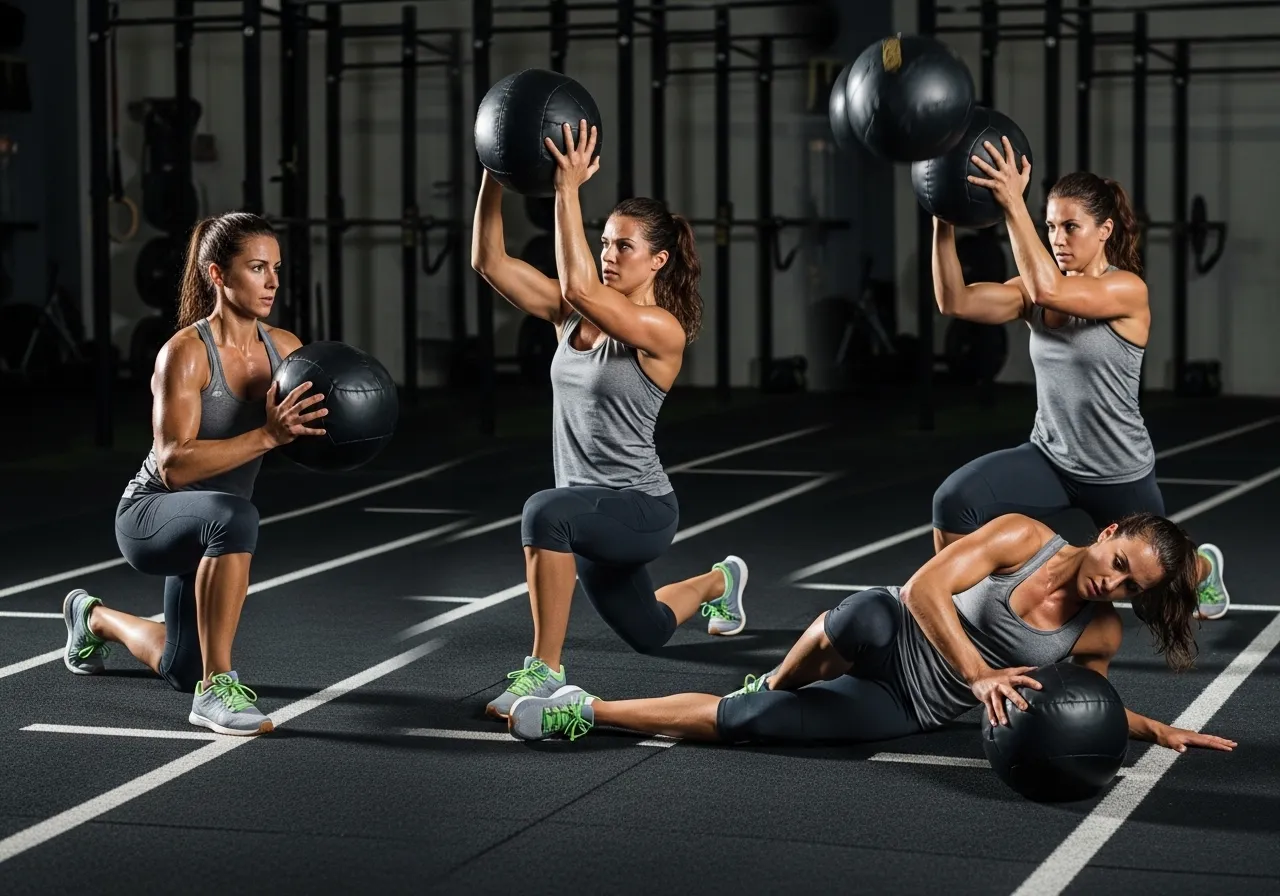
Hold the ball overhead with both hands, rise onto toes, then explosively drive the ball downward to the floor while hinging at the hips. At the bottom, hands should be at knee height and hips fully flexed — not just dropping the ball, but violently pulling it down with the entire body. The overhead slam trains explosive hip extension and lat activation in a pattern that has no equivalent in barbell training. Use a slam ball (dead rubber, doesn’t bounce) rather than a standard rubber medicine ball for floor slams — a standard ball’s rebound creates injury risk.
The Rotational Wall Throw
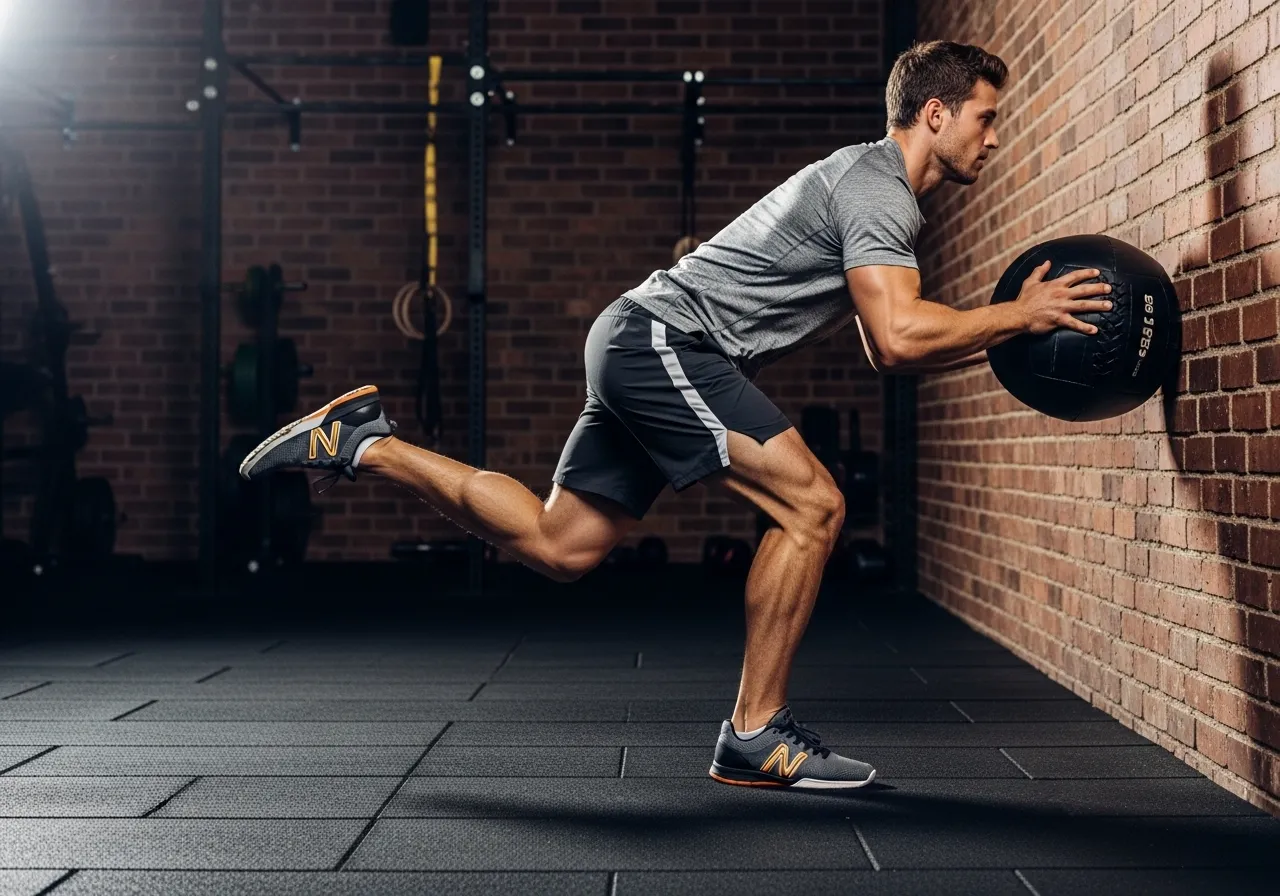
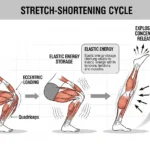
Stand perpendicular to a solid wall approximately 1-1.5 meters away. Hold the ball at chest height, rotate away from the wall loading the hips, then explosively rotate toward the wall and release the ball at the apex of the rotation. Catch the rebound and immediately rotate back for the next rep. This trains rotational power — the hip rotation speed that determines throwing, striking, and racket sport performance — in a way no gym machine can replicate. The wall throw directly trains the stretch-shortening cycle in rotation: elastic energy stored during the loading rotation is rapidly released in the throw, developing the reactive rotational power that distinguishes explosive athletes from merely strong ones.
The Chest Pass
From standing or kneeling position, hold the ball at chest height and explosively press it forward as a two-handed chest pass against a wall. Catch the rebound and immediately repeat. From kneeling, this isolates upper body pushing power without lower body contribution. From standing, the legs and trunk contribute to power generation. The chest pass trains horizontal pushing power that transfers directly to combat sports, throwing sports, and any activity requiring explosive upper body pressing strength.
The Squat Throw
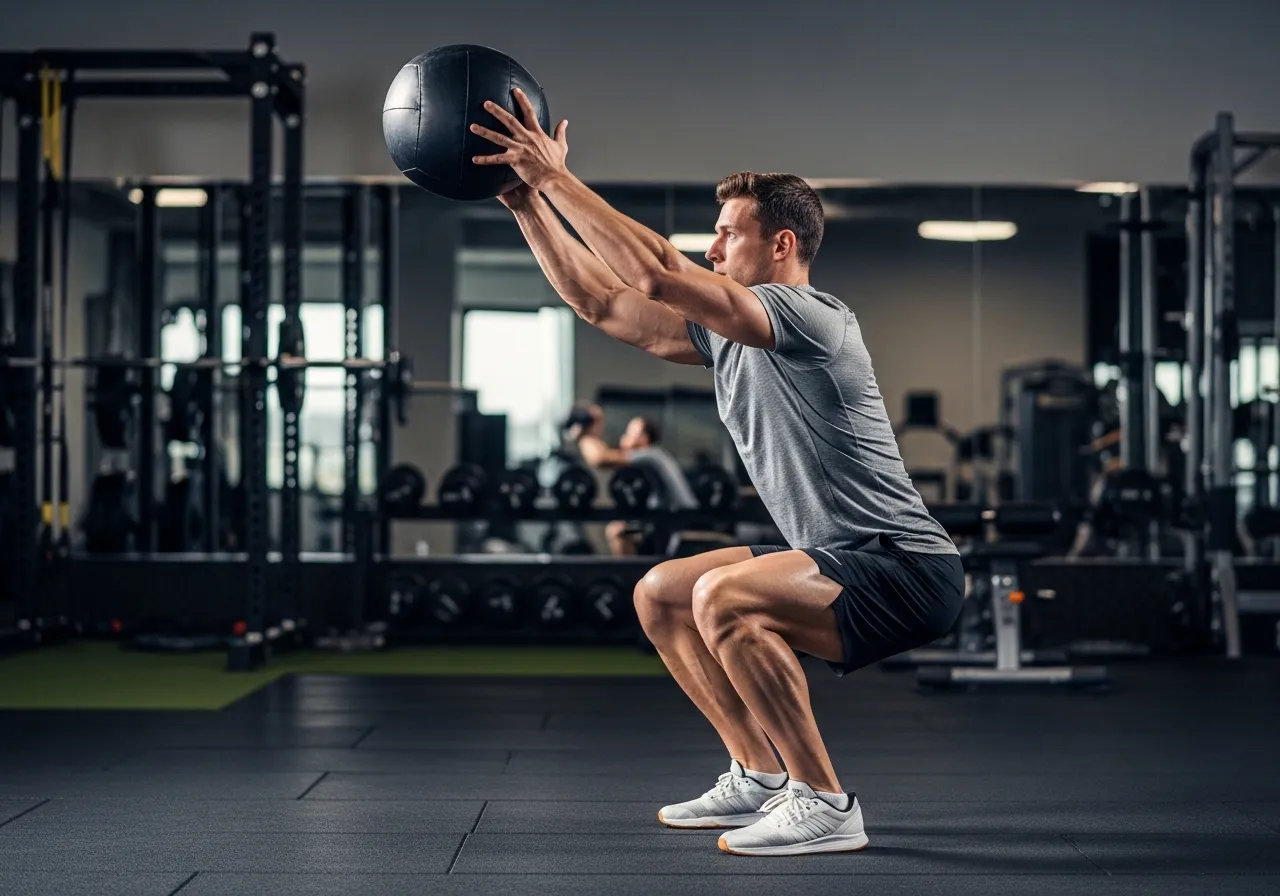
Hold the ball at chest height, perform a quarter squat, then explosively extend through hips and knees while pressing the ball overhead or forward. The squat throw trains triple extension power (ankle, knee, hip) that directly mirrors the power generation of jumping, sprinting, and Olympic lifting. It is one of the most complete athletic power exercises available outside of the Olympic lifts themselves.
Programming Medicine Ball Training
First in the Session: Not an Afterthought
Power development exercises produce their greatest training effect in a neurologically fresh state — at the beginning of a session or after warm-up, before strength training. Performing them at the end of a fatigued session reduces maximum velocity and trains the nervous system to express power while fatigued. The prescription: medicine ball power work first, heavy strength work second, metabolic and accessory work last. This sequencing is the most important programming principle in medicine ball training and the one most commonly violated.
Power Development Protocol
Power development uses low repetitions (3-6 per set) with full rest between sets (2-3 minutes). This differs fundamentally from conditioning work — the goal is maximum power expression per rep, requiring recovery between sets. Total medicine ball volume per session for power development: 3-5 sets of 1-2 exercises, 4-6 reps each. This low volume is sufficient for adaptation and avoids the fatigue that limits velocity and training quality. NSCA resources on power development confirm medicine ball training as a standard tool for developing athletic power across all training levels.
Conditioning Protocol
For metabolic conditioning: 30-second slam intervals, medicine ball circuit training, and med ball HIIT protocols. At higher volumes and shorter rest periods, the goal shifts from power development to cardiovascular conditioning and muscular endurance. Both applications are valid — but they produce different adaptations. Power development training (low volume, full rest) does not produce cardiovascular conditioning; conditioning circuits do not optimally develop power.
Weekly Integration
For most recreational athletes and fitness enthusiasts: 2 medicine ball sessions per week, 10-15 minutes of power work before strength training. This produces measurable improvements in power output and conditioning without requiring dedicated sessions that displace other training priorities. Athletic populations in power and team sports may use 3-4 medicine ball sessions weekly during off-season development phases.
Medicine Ball Selection and Safety
Ball Types: Which to Use When
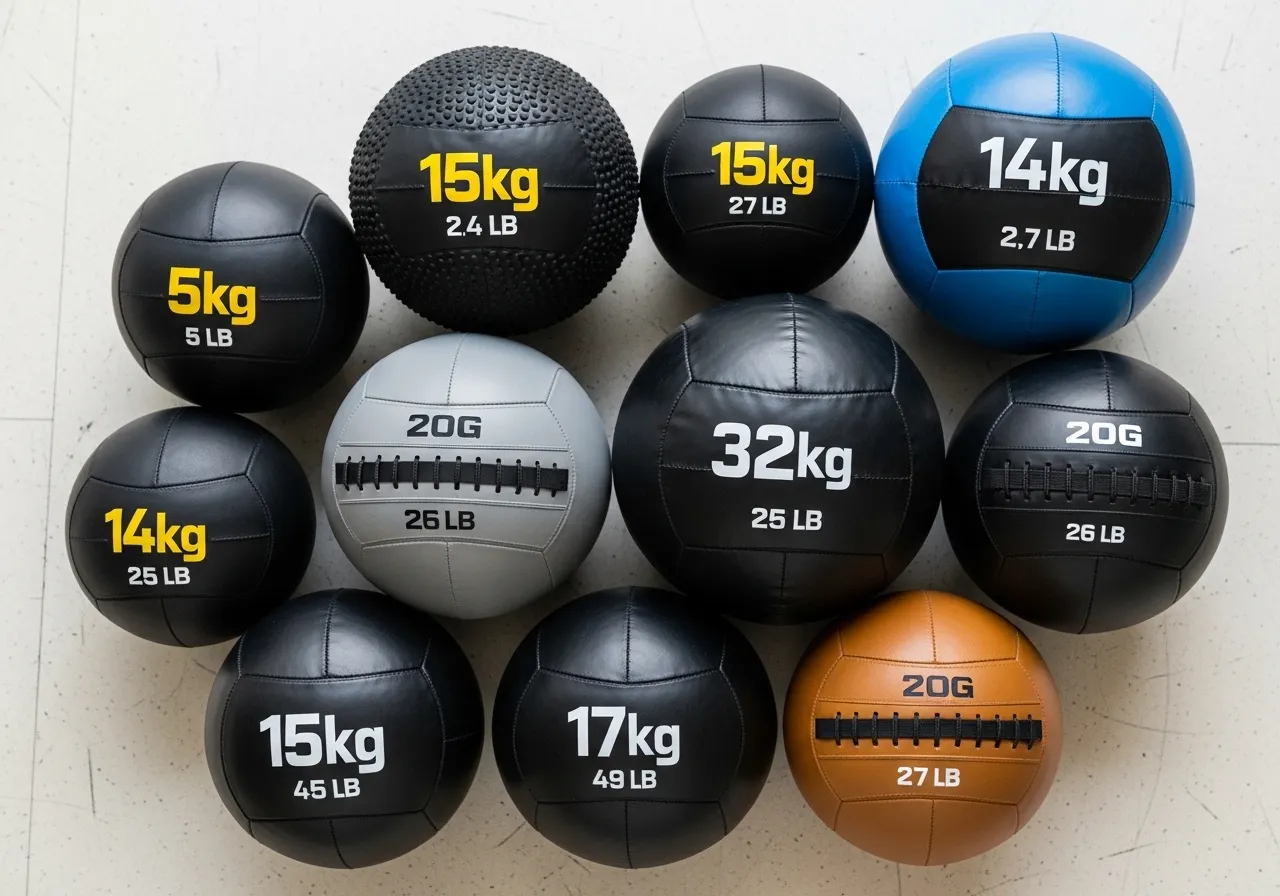
Slam balls are heavy rubber shells filled with sand or gel — they do not bounce and are designed for overhead slams and any exercise where the ball contacts the floor with force. Standard rubber medicine balls bounce predictably and are appropriate for chest passes, partner tosses, and squat throws. Wall balls are softer and larger, designed for wall throws and catches. Always use a slam ball for floor slams — using a standard rubber ball creates dangerous high-velocity rebounds. Confirm ball type before loading any exercise with significant floor contact.
Weight Selection for Power Training
Heavier is not better for power training. Medicine ball power work should use loads that allow genuinely fast, explosive movements — typically 4-10 kg for most adults in rotational and slam exercises. If you cannot accelerate the ball to genuinely high velocity, the ball is too heavy. The training effect of medicine ball power work comes from movement speed, not ball weight. Choose the heaviest load that allows maximum-velocity expression, not the heaviest load you can physically move.
Foot and Body Position Safety
For rotational throws, always complete the rotation toward the target before releasing — releasing while still loading (turning away from the wall) can strain the shoulder. For overhead slams, avoid looking directly at the floor during the slam — maintain a neutral neck position throughout. For squat throws, ensure the release point is clear of other gym users and the overhead space is adequate for the ball trajectory.
Medicine Ball Training for Different Goals
For Athletic Performance
Athletes in throwing sports (baseball, softball, javelin), striking sports (boxing, MMA), racket sports, and team sports (basketball, soccer, rugby) directly benefit from medicine ball rotational power training. The rotational throw pattern is the most sport-specific power training available outside of actual sport practice — training the hip-to-shoulder power transfer that generates force in throwing and striking at velocities that slow resistance training cannot match.
For General Fitness
Medicine ball training adds variety and explosive stimulus to general fitness programs that conventional gym equipment cannot provide. Two medicine ball sessions per week before strength training produces measurable improvements in power output, coordination, and the cardiovascular response to high-intensity interval training. The movement variety also addresses the psychological monotony that derails many long-term fitness programs — few exercises are as satisfying as a well-executed set of overhead slams.
Can beginners use medicine balls? Yes — begin with lighter balls (4-6 kg) and simpler exercises (two-handed overhead slam, standing chest pass) before progressing to rotational throws. The movement patterns are relatively intuitive and technique errors rarely produce injury at appropriate loads.
How heavy a medicine ball should I use? 4-6 kg for rotational exercises, 8-12 kg for overhead slams, 6-10 kg for squat throws. Progress weight only when current weight can be moved at genuinely explosive speeds — if movement is slowing down, the ball is too heavy for power training purposes.
Can medicine ball training replace weightlifting? No — it develops power (rate of force development) that conventional lifting cannot fully address, but does not develop maximum strength equivalently. Medicine ball training complements resistance training by covering the velocity end of the force-velocity curve that barbells cannot effectively train.
Is medicine ball training appropriate for older adults? Yes, with appropriate load selection. Lighter balls (2-4 kg) and controlled movements safely develop the power output and coordination that aging tends to reduce most rapidly. Research on power training in older adults finds that medicine ball exercises improve functional performance and reduce fall risk.
How do I train without a wall or partner? Slam balls allow solo training without a wall — overhead slams, rotational slams, and scoop tosses (throwing forward and chasing the ball) are all effective solo exercises. A thick rubber mat or gym floor handles impact safely.
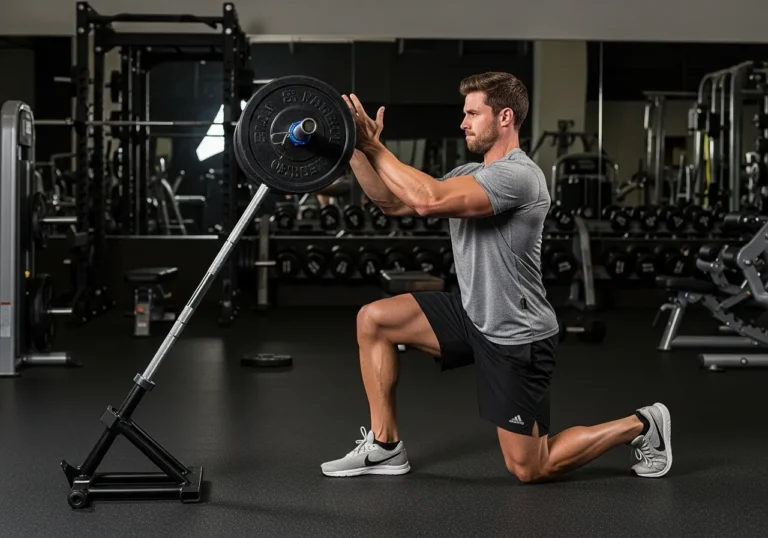
Why the Landmine Is the Most Versatile and Underused Training Tool in the Gym The landmine — a barbell anchored at one end in a pivot device or wedged into a corner, with the free end loaded with plates — is one of the most versatile training tools available in any gym and one of…
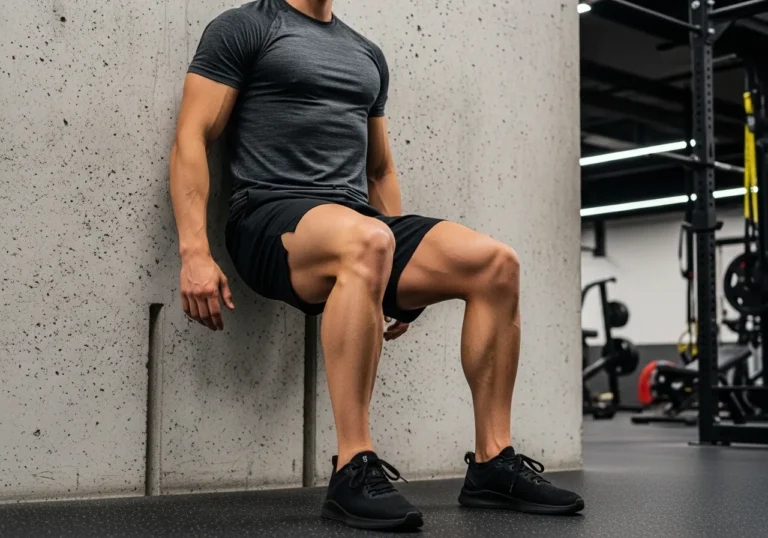
⚠️ Health & Fitness Disclaimer This article is for general educational purposes only and does not replace professional medical advice. If you have any joint, tendon, or cardiovascular condition, please consult a qualified healthcare professional before beginning any isometric training programme. Isometric training — contracting a muscle without any change in joint angle or muscle…
⚠️ Health & Fitness DisclaimerThis article is for general educational purposes only and does not replace professional medical advice. If you have any shoulder, wrist, or lower back conditions, please consult a qualified healthcare professional before beginning suspension training. Suspension training — using adjustable straps anchored overhead to leverage bodyweight as resistance — offers a…
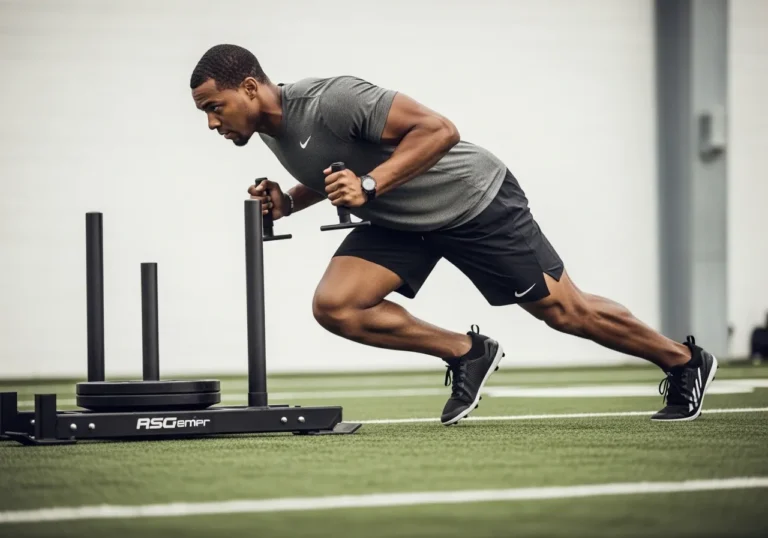
⚠️ Health & Fitness DisclaimerThis article is for general educational purposes only. It does not replace professional medical advice. If you have cardiovascular, joint, or lower back conditions, consult a qualified healthcare professional before starting sled training. The training sled is one of the most underused tools in general fitness — despite being standard in…
Most people who exercise do both strength training and cardiovascular work. They are not strength athletes or endurance athletes. They are general fitness trainees who want to be strong, have good cardiovascular health, and maintain a body composition that reflects consistent training. For these people, concurrent training is not a choice. It is the default….
⚠️ Fitness Disclaimer: The information in this article is for general educational purposes only and does not constitute professional fitness or medical advice. Always consult a qualified healthcare professional before starting any new exercise program. ⚠️ Cardiovascular Health Notice: If you have a history of heart disease, high blood pressure, or any cardiovascular condition, obtain…