Sumo Deadlifts: Inner Thigh Engagement
Why the sumo stance anchors a smarter full-body plan
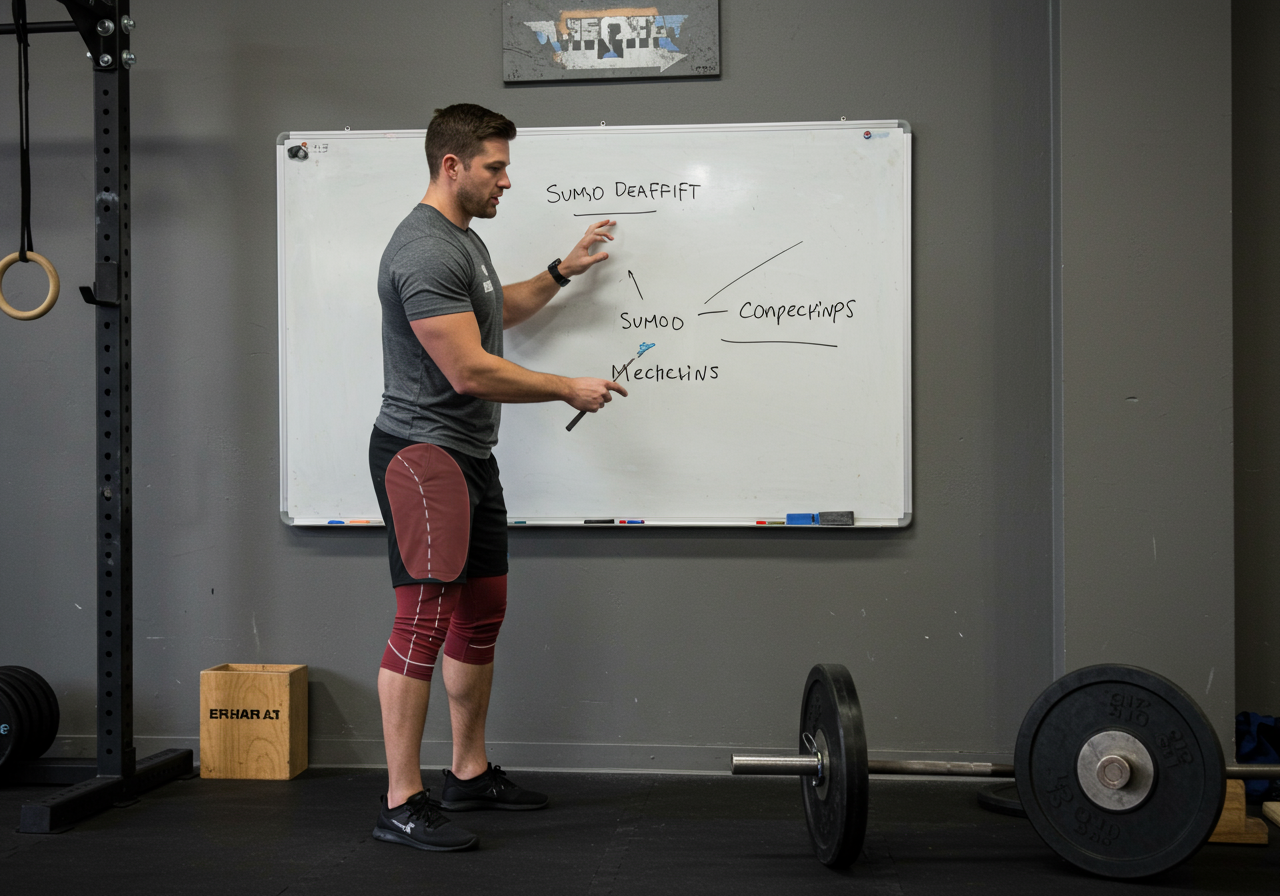
Blueprint: Sumo deadlifts drive inner thigh power and full-body strength
This plan centers on Sumo Deadlifts for inner thigh engagement and total strength. I program full-body work around that anchor.
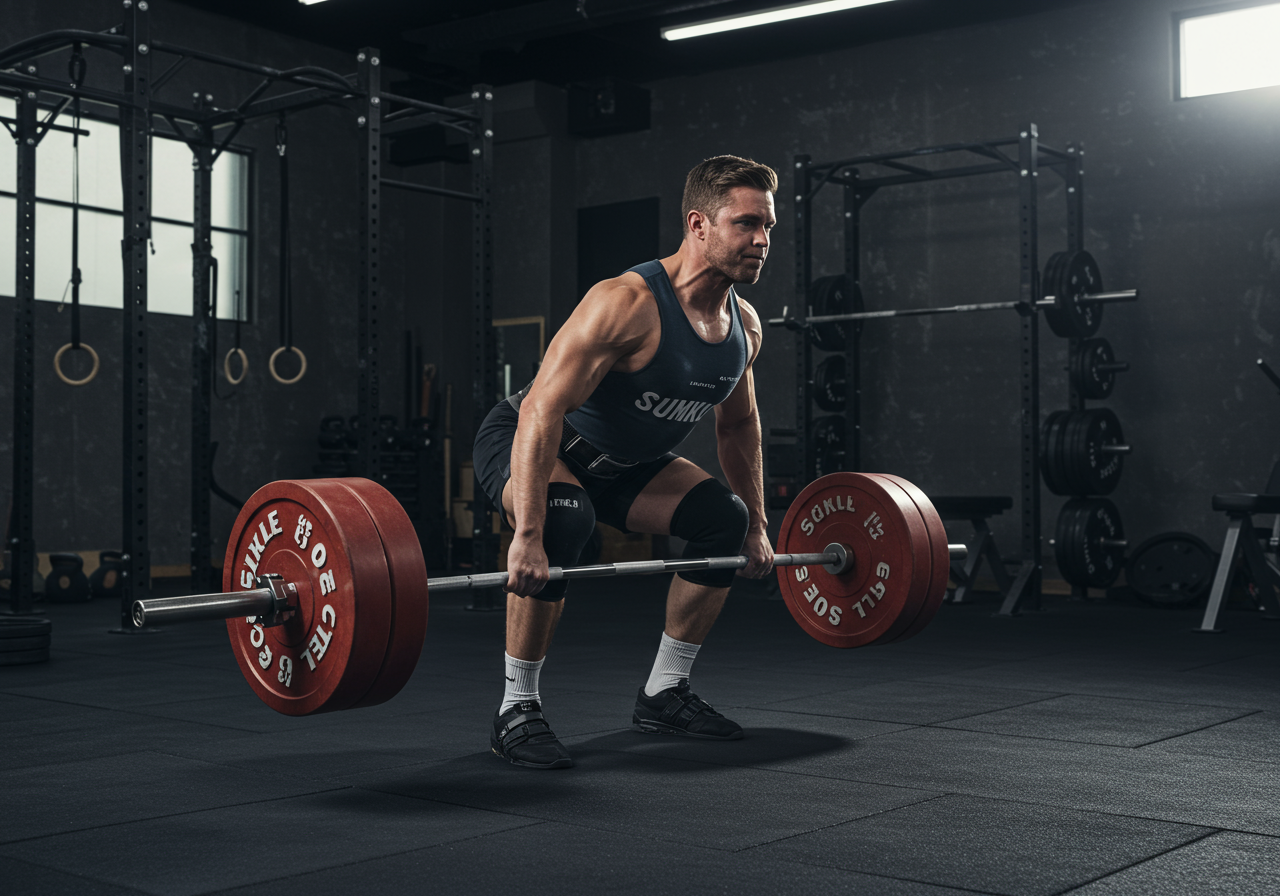
Sumo reduces back stress while training adductors, glutes, and quads. The wider stance shortens the pull and favors hip strength.
I use it with beginners for safer leverage. Additionally, it scales well with load and tempo.
- Wide stance with toes 20–40 degrees out for adductor activation.
- Shins near vertical to keep the bar close and reduce shear.
- Brace before pull: inhale, lock ribs down, and push the floor apart.
- Stacked posture: chest tall, hips close to bar, neutral spine.
- Controlled eccentric to build tendon tolerance and technique.
The movement targets adductors strongly. However, it also hits glutes, hamstrings, and spinal erectors.
| Muscle focus | Primary cues | What you feel |
|---|---|---|
| Adductors (inner thigh) | Spread floor, knees over mid-foot | Firm inner thigh tension at start |
| Glutes | Drive hips forward, squeeze at lockout | Strong finish through hips |
| Quads | Push through mid-foot, extend knees | Quad pressure off the floor |
Heavy triples and fives mainly tax the ATP-PC system. Short sets require long rests for quality.
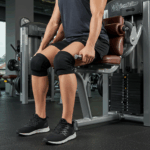
I integrate accessories that complement the sumo pattern. For example, adductor machines and Copenhagen planks reinforce inner thigh strength.
Technique that lights up your inner thighs
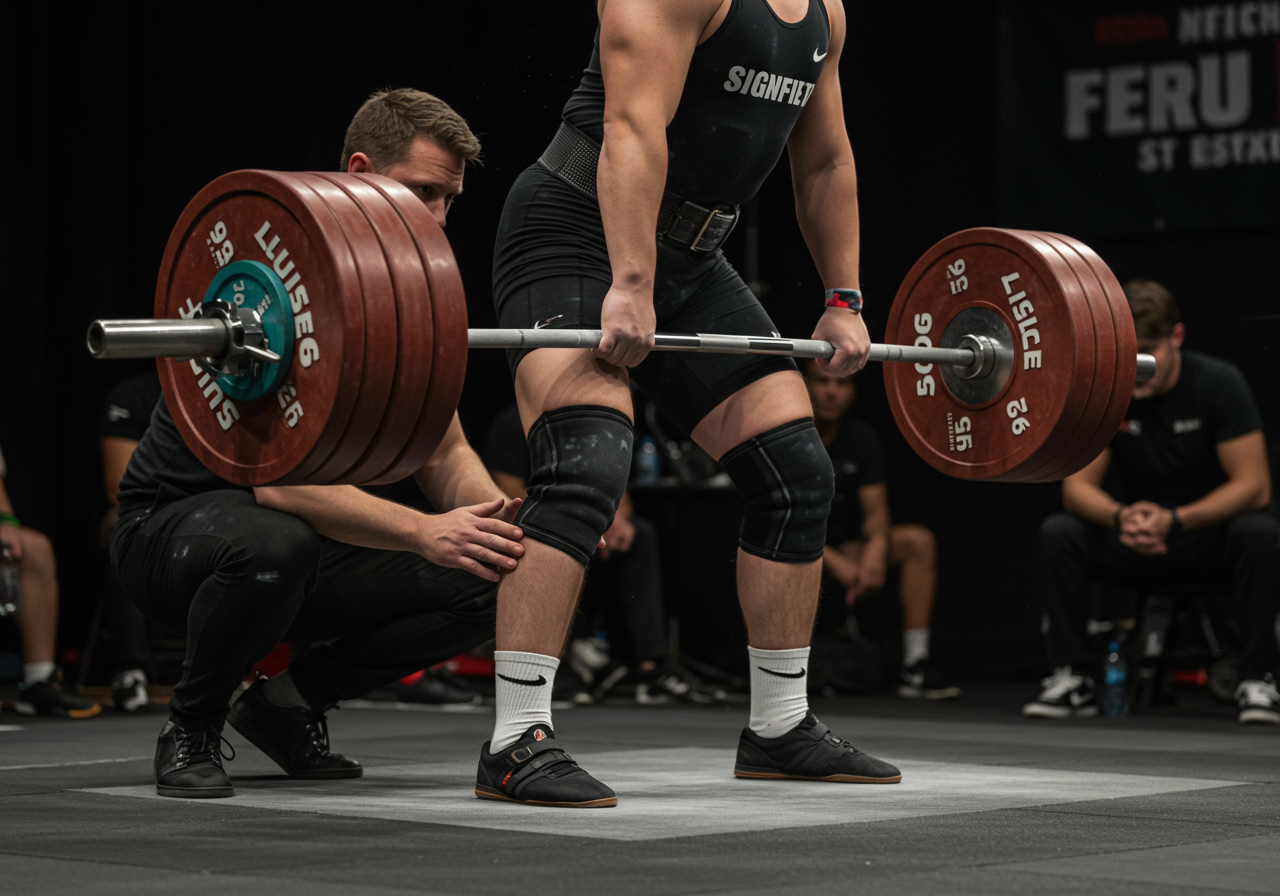
Execution: Simple setup that maximizes inner thigh engagement
Proper setup decides adductor recruitment and safety. Follow this precise sequence.
- Stance: heels wider than shoulders, toes out 20–40 degrees.
- Bar: mid-foot position, 1 inch from shins.
- Hips: drop until shoulders align slightly in front of bar.
- Grip: inside knees, double overhand or mixed as needed.
- Brace: inhale 360 degrees, lock lats by pulling slack.
- Push: spread the floor, keep shins near vertical.
- Finish: drive hips through, avoid hyperextending lower back.
I cue knees to track over mid-foot, not collapse inward. This maintains adductor tension and keeps the bar path vertical.
| Body type | Foot angle | Stance width | Notes |
|---|---|---|---|
| Long femurs | 30–40° | Very wide | Helps torso stay upright |
| Average limbs | 25–35° | Wide | Most lifters fit here |
| Short femurs | 20–30° | Moderate-wide | Allows strong leg drive |
I teach tempo for control. For example, 2 seconds down, 1 second pause on floor, then smooth pull.
- Stop if you feel hip pinching at the front. Narrow stance slightly.
- Do not yank the bar. Take the slack first to protect biceps and back.
- Keep the bar close. Scrape the socks if needed to avoid looping.
I once skipped my bracing routine and felt a lumbar tweak. I now never pull without a full breath and lat set.
Phased plans from first pull to advanced cycles
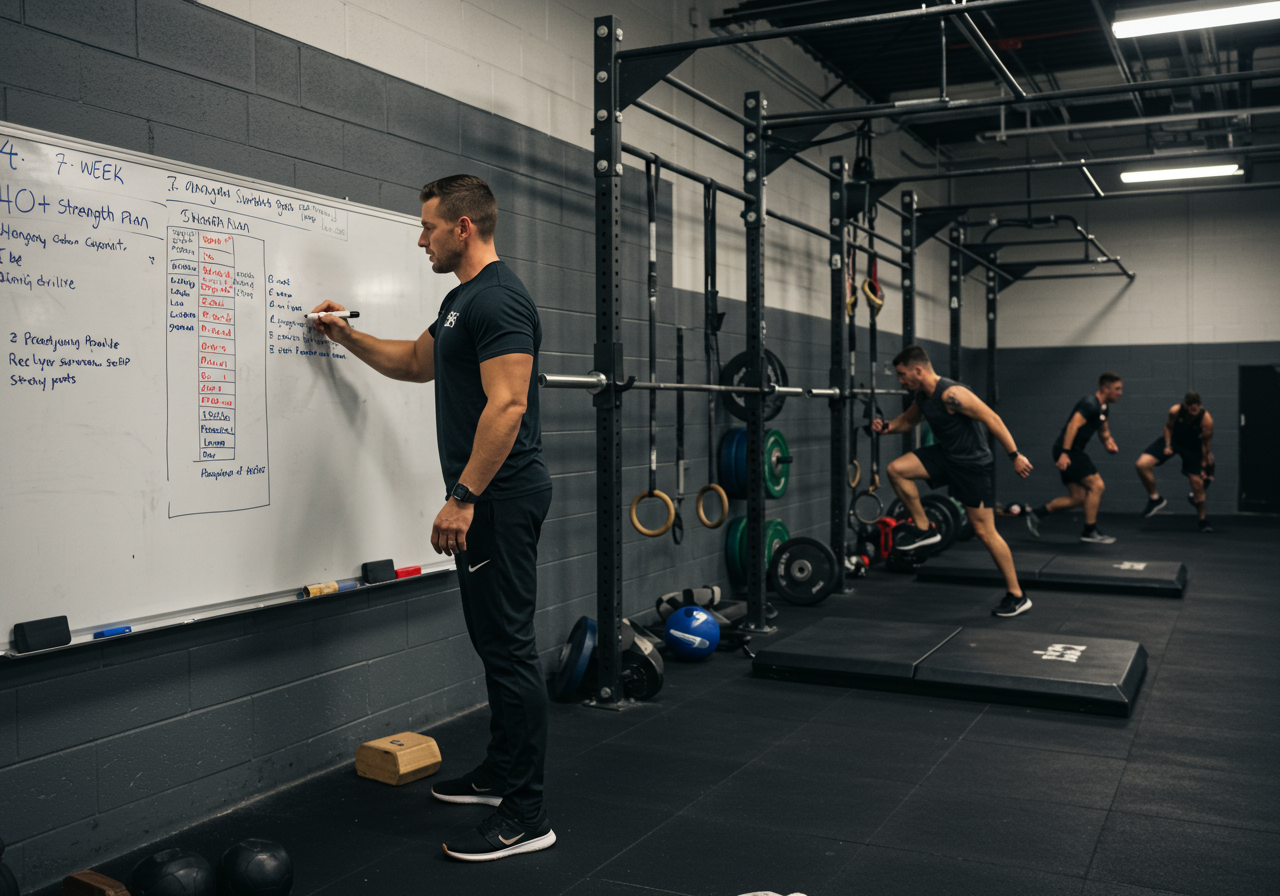
Programming: Stepwise progressions for beginners, intermediates, and advanced lifters
Progress builds from stable technique to higher intensities. I scale volume, load, and tempo weekly.
- 8–12 minutes Zone 2 cardio, 60–70% HRmax. I track on Garmin.
- Mobility: 90/90 hips, adductor rock-backs, 8 reps each side.
- Activation: Copenhagen side plank 2×20–30 seconds.
- Movement prep: 2–3 ramp sets to working weight.
| Exercise | Sets x Reps | Rest | Target |
|---|---|---|---|
| Sumo Deadlift | 4×5 @ RPE 6–7 | 2–3 min | Technique + adductors |
| Goblet Sumo Squat | 3×8–10 | 90 sec | Groove pattern |
| Adductor Machine | 3×12–15 | 60–90 sec | Inner thigh pump |
| Hip Bridge | 3×10 | 60–90 sec | Glute finish |
| Plank | 3×30–45 sec | 60 sec | Brace practice |
Increase load 2.5–5% weekly if reps move cleanly. Deload every fourth week by cutting volume 40%.
| Day | Main lift | Secondary | Accessories |
|---|---|---|---|
| Mon | Sumo Deadlift 5×3 @ 80–85% | Paused Sumo 3×3 @ 70% | Adductor Machine 3×12; Copenhagen 3x20s |
| Wed | Front Squat 4×4 | Romanian Deadlift 3×6 | Back Extension 3×12; Plank 3x45s |
| Fri | Sumo Deadlift 4×5 @ RPE 7 | Deficit Sumo 2×5 @ 60% | Hip Thrust 3×8; Adductor Squeeze 3×15 |
| Sat | Upper Pull/Push 6–8 sets total | Core Carries 4×20–30m | Mobility 12–15 minutes |
Rotate intensities weekly. For example, week 1 80%, week 2 82.5%, week 3 85%, week 4 deload 65%.
| Week focus | Prescription | Notes |
|---|---|---|
| Accumulation | 6×4 @ 75–80%, tempo 2-0-1 | Build capacity |
| Intensification | 5×3 @ 85–88% | Peak triples |
| Peaking | Singles @ 90–95%, 4–6 total | Practice bracing |
| Deload | 3×3 @ 60–65% | Restore readiness |
I track heart rate on easy cardio days using Garmin. Zone 2 sessions last 20–30 minutes for recovery.
I log sets and RPE in Strava notes when I superset sled pushes. Data helps me manage fatigue and progress.
Fuel, sleep, and mobility that protect strength gains
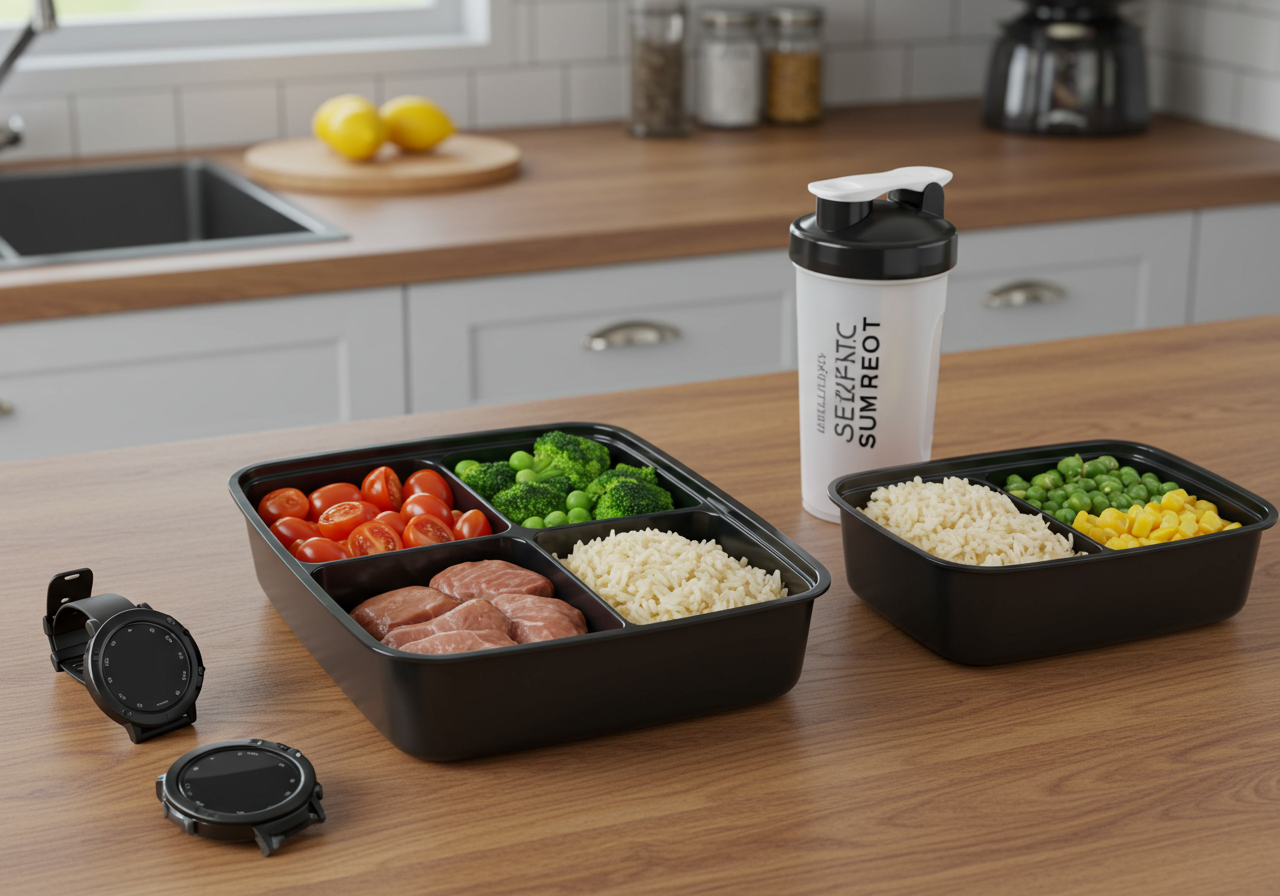
Recovery: Nutrition, sleep, and monitoring that keep progress moving
Recovery supports stronger pulls and resilient hips. I keep targets simple and trackable.
- Protein: 1.6–2.2 g/kg bodyweight.
- Carbs: 3–5 g/kg on training days, 2–3 g/kg on rest days.
- Fats: 0.8–1.0 g/kg.
- Hydration: 30–40 ml/kg, add 500–750 ml per hard session.
I log food in MyFitnessPal to keep protein high. You can use their verified database at myfitnesspal.com.
I monitor resting heart rate and HRV with Garmin Connect. You can explore devices at garmin.com.
| Goal | Calorie guide | Macro emphasis | Notes |
|---|---|---|---|
| Fat loss | -300 to -500 kcal/day | High protein | Maintain strength, keep carbs around sessions |
| Maintenance | Even intake | Balanced | Stable energy for training |
| Muscle gain | +200 to +300 kcal/day | Protein + carbs | Slow surplus preserves leanness |
- Lunch: Chicken, rice, mixed veg, olive oil.
- Snack: Greek yogurt, berries, honey.
- Dinner: Salmon, potatoes, salad, seeds.
Supplements that I use and tolerate well include creatine monohydrate 3–5 g daily. I also use whey protein to hit targets.
- Resting heart rate up 5–10 bpm for three mornings.
- Persistent hip soreness during warm-ups.
- Sleep below 7 hours for several nights.
Reduce volume 30–50% for one week if these appear.
I aim for 7.5–9 hours sleep. Additionally, I finish night mobility with adductor rock-backs and breathing drills.
Evidence, fixes, and staying on track
Evidence check and long-term result interpretation
Real numbers prove the approach. I track strength, body measures, and readiness weekly.
- Sumo 1RM: 375 lb to 405 lb (+8%).
- 5×5 volume: 255 lb to 285 lb, same RPE.
- Adductor machine: 60 lb to 85 lb for 12 reps.
- Copenhagen plank: 20 to 40 seconds per side.
- VO2 max estimate: +8% from regular Zone 2 rides.
One session example shows the method. I warmed up 10 minutes in Zone 2, HR 128–135 bpm.
I then pulled 5×3 at 85%, with three-minute rests. My bar speed stayed consistent.
My client Maya, 34, beginner, improved her 5RM by 22% in six weeks. Her hip discomfort resolved after stance adjustments.
My client Luis, 42, lost 3.2 kg while keeping strength. He used two weekly HIIT finishers and tracked protein.
| Issue | Likely cause | Solution |
|---|---|---|
| Bar leaves shins | Hips too high, lat slack | Lower hips, pull slack, squeeze armpits |
| Hip pinch at bottom | Stance too wide | Narrow 1–2 inches, reduce toe angle |
| Grip fails | Undertrained hands | Add holds 3x20s; use chalk; mix grip |
| Plateau | No variation | Add paused or deficit sumo, then deload |
| Motivation dips | No quick wins | Chase rep PRs and accessories pumps |
- Sharp groin pain needs rest and assessment. Do not push through.
- Scale to lighter kettlebell sumo pulls during recovery.
- Return loads with 10–20% weekly increases only if pain-free.
Fat loss observations showed HIIT finishers beat steady state for time efficiency. However, steady Zone 2 improved recovery and sleep.
My ineffective experiment used too much deficit work. My hips felt cranky, and progress stalled. I reduced frequency and improved.
Stay consistent with logs, recovery targets, and stance tweaks. Sumo deadlifts, when programmed well, build durable inner thigh strength and overall power.