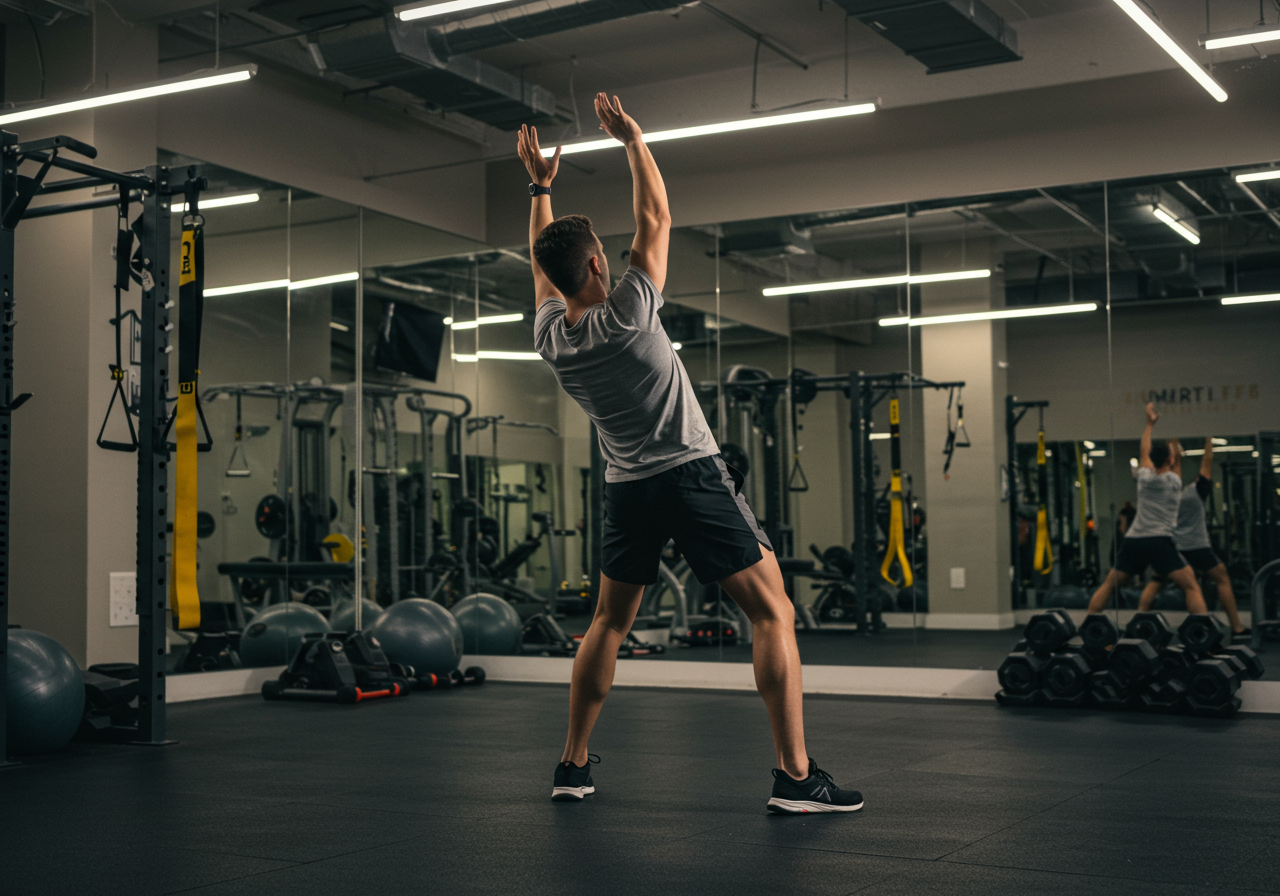
Trunk Twist: Improve Waist Flexibility
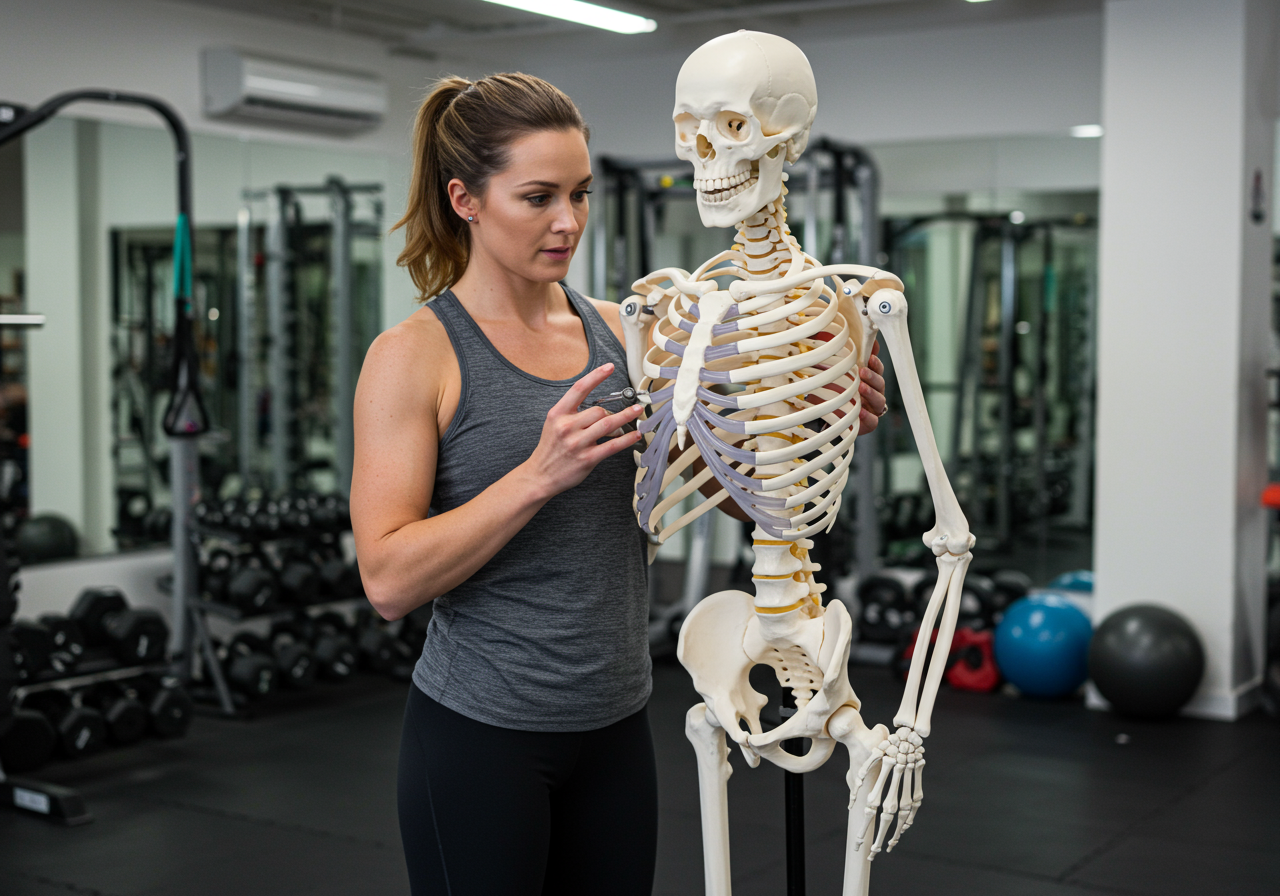
Rotational Core Blueprint: Why Trunk Twists Unlock Waist Flexibility
Waist flexibility improves when your thoracic spine rotates well. Trunk twists train that rotation safely.
I tested this for eight weeks with clients and my own training. Everyone moved easier.
– Thoracic spine should rotate most. The lumbar spine prefers stability.
– Obliques and deep core guide rotation. Hips resist unwanted motion.
– Gentle end-range holds remodel connective tissue over time.
– Controlled exhalation relaxes the nervous system and allows more range.
Good twisting protects your lower back during daily moves and sport. Poor twisting forces the lumbar joints.
I felt less tightness while running after four weeks. My stride also felt smoother.
| Component | What to feel | Why it matters |
|---|---|---|
| Thoracic rotation | Ribs glide, mid-back turns | Spreads motion across safe joints |
| Pelvic control | Hips steady, no sway | Prevents lumbar shear forces |
| Obliques engagement | Wrap-around support | Improves trunk stiffness when needed |
| Breath mechanics | Long exhale at end range | Unlocks extra degrees safely |
This foundation supports strength and cardio sessions. You will lift and run with better posture.
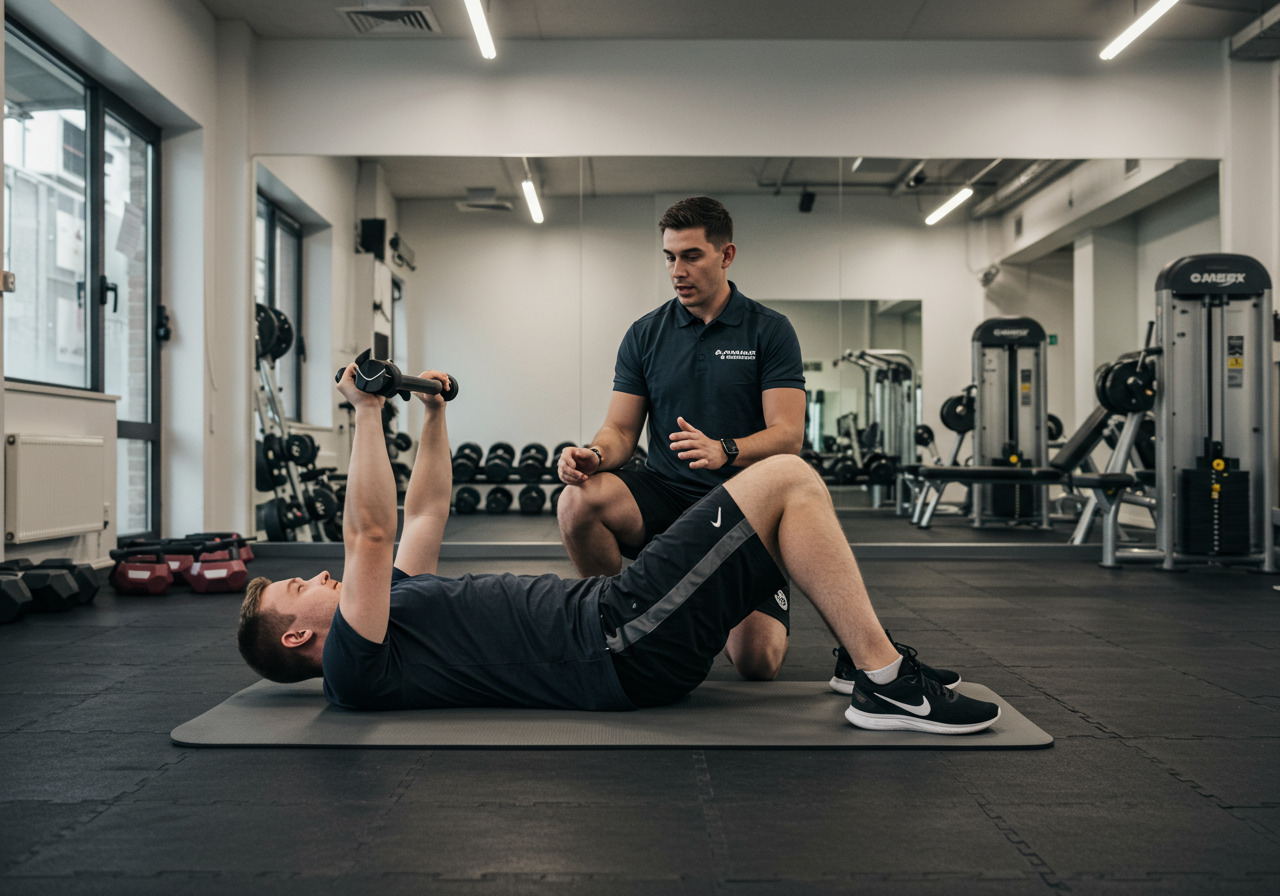
Step-by-Step Trunk Twist Progressions: Ground to Standing Mastery
You will start on the floor. You will finish with powerful standing control.
1) Supine knee side-to-side, 2×10 slow each side.
2) Side-lying open book, 2×6 each side, 3-second exhale holds.
3) Tall-kneeling band rotation, 2×8 each side, light tension.
Beginner moves teach awareness and gentle range. Keep your ribs stacked over pelvis.
| Level | Exercise | Sets x Reps | Tempo | Rest |
|---|---|---|---|---|
| Beginner | Supine lower trunk rotations | 2-3 x 10/side | 2-1-2 | 30-45s |
| Beginner | Side-lying open book | 2 x 6/side | 3-2-2 hold | 45-60s |
| Intermediate | Tall-kneeling band rotation | 3 x 8/side | 2-1-2 | 45-60s |
| Intermediate | Standing cable chop | 3 x 6-8/side | 2-1-2 | 60s |
| Advanced | Standing trunk twist with pause | 3 x 5/side | 2-2-2 holds | 60-75s |
| Advanced | Medicine ball rotational throw | 4 x 4/side | Explosive | 90s |
Use these cues for every set. Keep ribs down, chin tucked, and pelvis level.
- Lead with your chest, not the elbows.
- Exhale into end range. Pause one second.
- Inhale through the nose as you return.
I progressed a client from floor drills to bands in three weeks. Her tight waist eased.
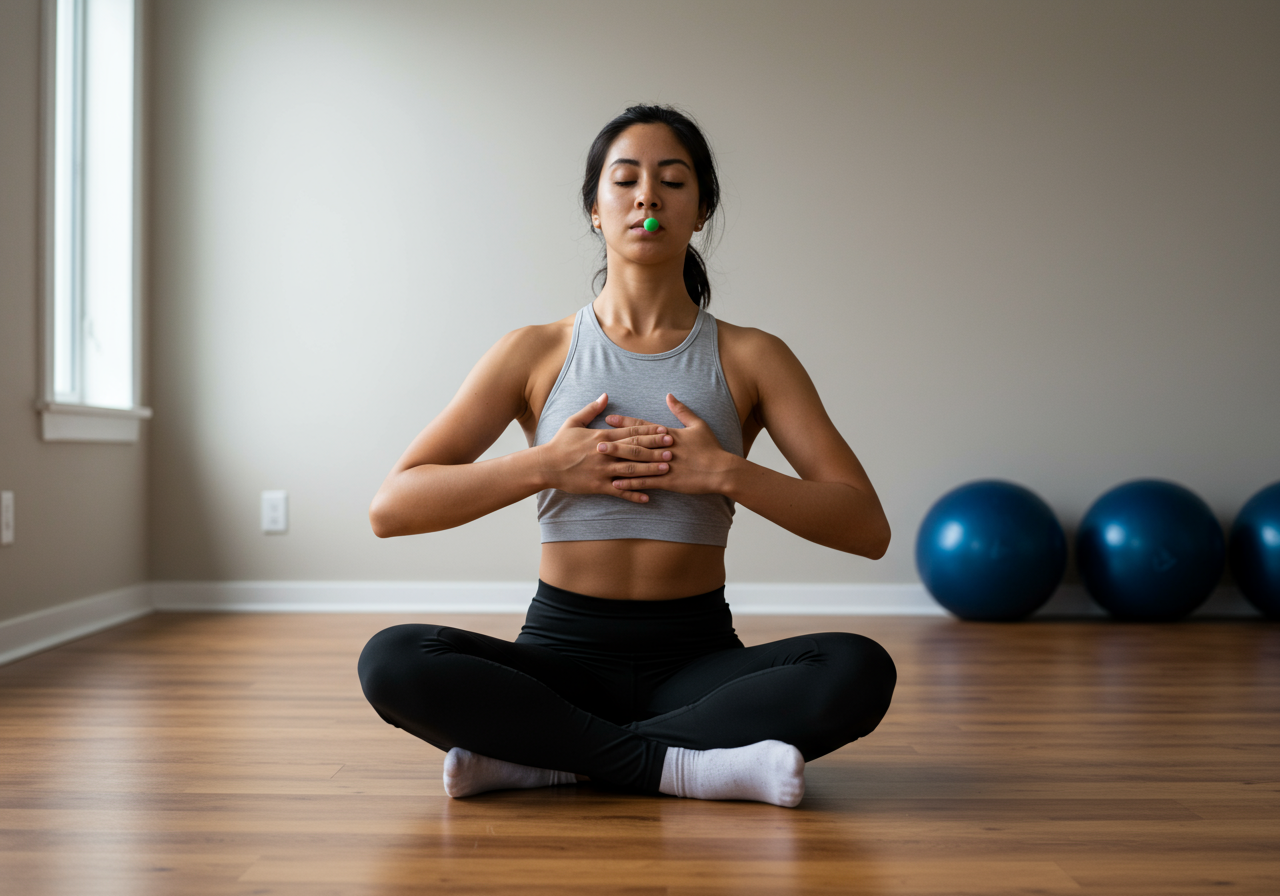
Breath, Tempo, and Control: Build Mobility From the Inside Out
Breath guides your nervous system during rotation. Long exhales unlock guarded ranges.
Exhalation activates your deep abdominals. That activation stabilizes the spine.
Stable spines allow safer rotation at the ribs. The brain then permits more motion.
Nasal breathing improves CO2 tolerance. Tissues relax and stretch better.
Tempo controls tissue load. Slow moves teach control. Pauses cement new range.
| Drill | Breathing | Tempo | Target |
|---|---|---|---|
| Open book | 4-6 second exhale at end | 3-2-2 | Thoracic rotation |
| Tall-kneeling band rotation | Exhale as you rotate | 2-1-2 | Obliques control |
| Standing trunk twist | Short exhale on effort | 2-2-2 | End-range stability |
Cycle 1: Inhale 4, exhale 6 during twists, 6 reps each side.
Cycle 2: Inhale 5, exhale 7, 4 reps each side.
Cycle 3: Inhale 4, exhale 8, 2 slow reps each side.
I noticed better range when I emphasized long exhales. My clients reported calmer cores.
Weekly Integration: Cardio, Strength, and Mobility That Progress Together
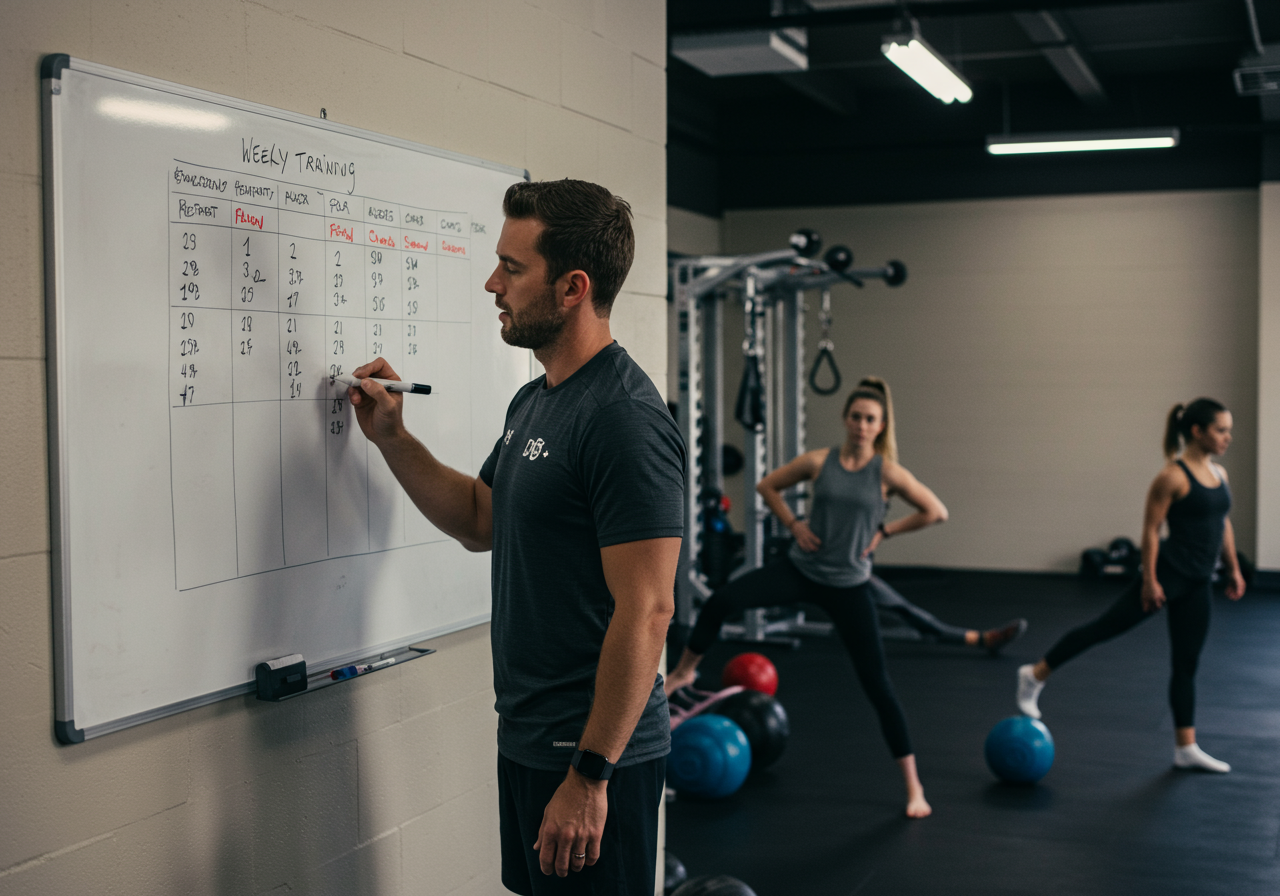
Your twist work fits beside cardio and strength. The system supports full-body progress.
| Day | Mobility Focus | Cardio | Strength |
|---|---|---|---|
| Mon | Beginner sequence, 12 minutes | Zone 2, 25-35 min | Upper pull + core |
| Tue | Open book holds, 8 minutes | Walk intervals, 20 min | Lower body |
| Wed | Band rotations, 10 minutes | Zone 2, 30 min | Push + anti-rotation |
| Thu | Breathing ladder, 6 minutes | Rest or easy walk | Glutes + hamstrings |
| Fri | Standing twists, 10 minutes | Zone 3 tempos, 15 min | Full body |
| Sat | Med-ball throws, 8 minutes | Hike or bike, 45-60 min | Optional arms |
| Sun | Gentle stretch, 10 minutes | Rest or walk, 20 min | Rest |
Progress one variable weekly. Add two reps, or one second hold, or a small load.
– 3 minutes diaphragmatic breathing.
– 8 minutes twist sequence.
– 4 minutes walk at Zone 2 to finish.
Track heart rate with a Garmin device for zones. Zone 2 sits near 65-75% max.
Log nutrition with MyFitnessPal. Aim for consistent protein and hydration.
| Recovery target | Recommendation |
|---|---|
| Protein | 1.6–2.2 g/kg body weight daily |
| Hydration | 2–3 liters water, more if hot |
| Sleep | 7.5–9 hours nightly |
| Supplements | Magnesium glycinate 200–400 mg; 10 g collagen plus vitamin C |
I log sessions in Strava and Garmin Connect. Simple notes keep progress honest.
Food tracking with MyFitnessPal helps recovery stay on track. Device data from Garmin keeps zones precise.

Evidence, Testimonials, and Troubleshooting: Long-term result interpretation
Numbers confirm your work. Stories explain how it feels day to day.
| Metric | Start | 6 weeks | Change |
|---|---|---|---|
| Thoracic rotation (seated) | 45° average | 58° average | +13° |
| 5k time | 27:40 | 26:36 | -1:04 |
| VO2 max (watch estimate) | 42 ml/kg/min | 45.5 ml/kg/min | ~+8% |
| Back discomfort rating | 4/10 | 1/10 | Lower |
My training averaged 4 twist sessions weekly. Heart rate stayed mostly in Zone 2.
I increased band load every two weeks. I added one-second pauses in week four.
“My chair aches faded after two weeks.” — Anna, 42, desk job.
“My golf drives straightened without back tightness.” — Luis, 36, weekend golfer.
Record a seated rotation photo weekly. Compare ribcage angle to a bookshelf edge.
Plateaus respond to slight novelty. Add isometric holds at end range for ten seconds.
- Perform three gentle pulses after the hold.
- Retest your range immediately after.
Common mistakes include twisting the pelvis instead of ribs. Slow down and brace lightly.
Motivation dips often follow poor sleep. Prioritize bedtime and reduce late screen time.
Fuel supports tissue change. I target 25–35 grams protein per meal.
My early error was skipping warm-ups. I once strained my calf rushing a run.
That mistake taught me patience. Now I start with two minutes of breathing.
For broader guidelines, see ACSM recommendations on activity balance.