Dumbbell Rows: Build Back Muscle Thickness
Back-thickness blueprint: why dumbbell rows drive dense muscle
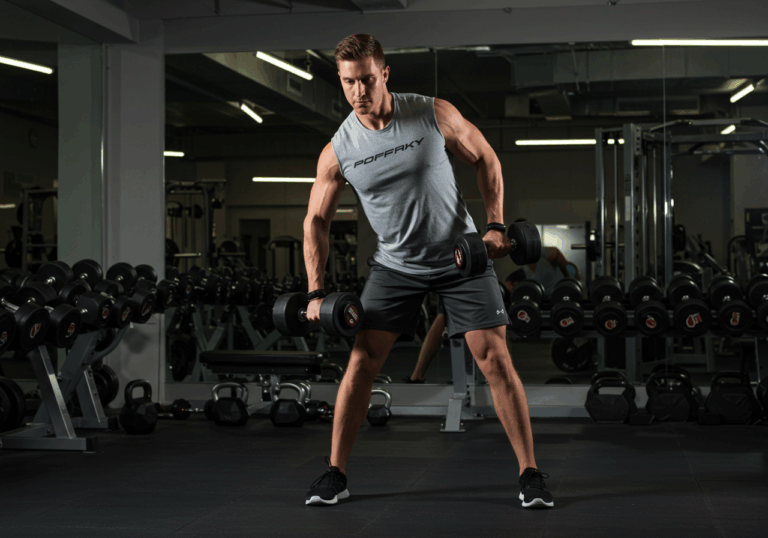
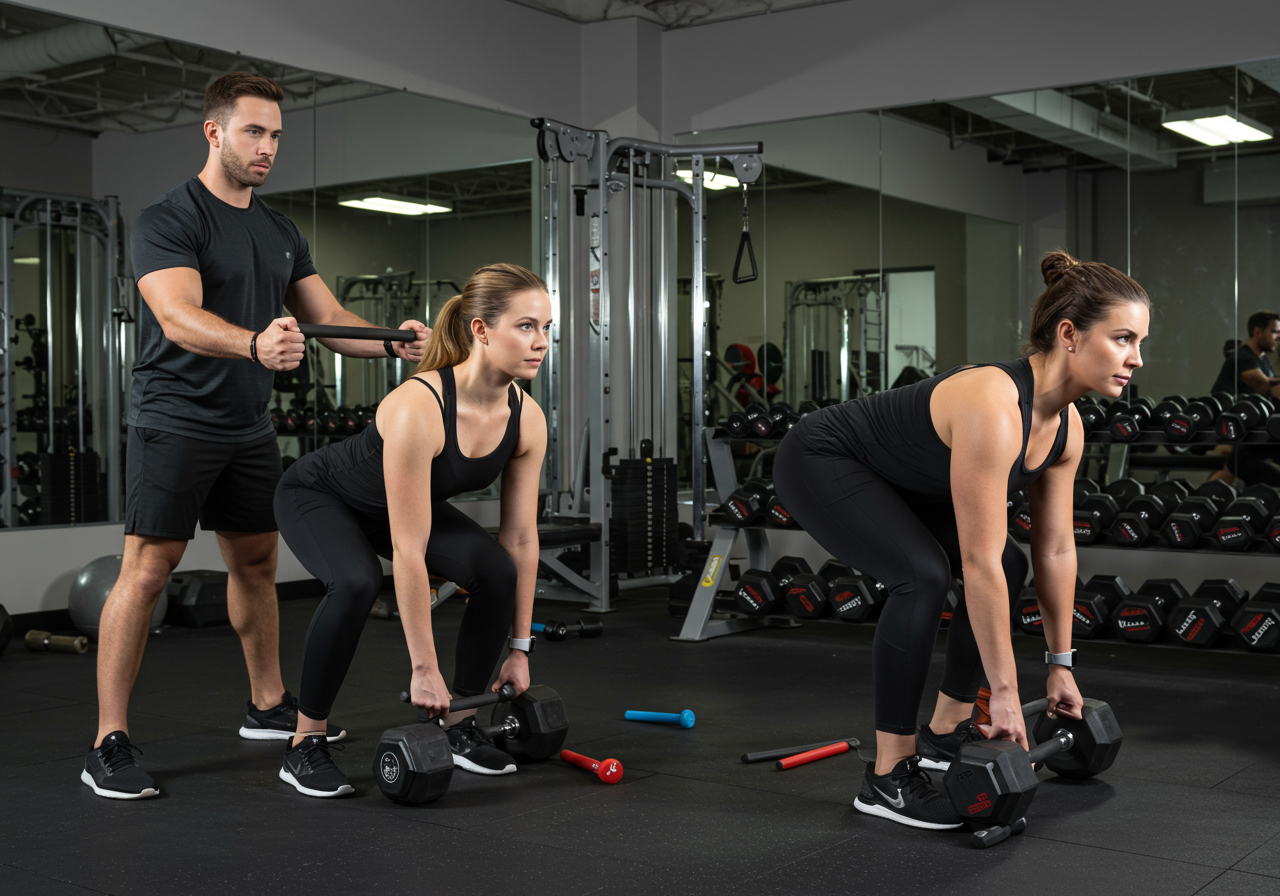
Dumbbell rows build mid-back density fast. They target lats, rhomboids, and mid traps. They also train grip and core.
I use them as my thickness anchor. They pair with vertical pulls for width. They also balance pressing volume.
| Muscle | Role | Cue |
|---|---|---|
| Lats | Arm extension and adduction | Drive elbow to hip, neutral grip |
| Rhomboids | Scapular retraction | Squeeze shoulder blades mid pull |
| Mid/Lower traps | Scapular stability | Keep chest proud, neck long |
| Rear delts | Horizontal abduction | Elbow 30–45° from torso |
One-arm rows reduce asymmetries. They let you load hard without spinal compression. They also teach core bracing.
This movement integrates well with squats and hinges. It protects shoulders by balancing chest work. It also supports posture and breathing.

Progressive loading methods: beginner to advanced dumbbell row mastery
Smart progress drives muscle gains. I plan weekly increases using simple rules. I also rotate variations to manage fatigue.
| Level | Variation | Sets x Reps | Tempo | Rest | Notes |
|---|---|---|---|---|---|
| Beginner | 3-point bench-supported row | 3 x 10–12 | 2-1-1-1 | 90 sec | Neutral grip, light pause |
| Intermediate | Chest-supported incline row | 4 x 8–10 | 3-1-1-1 | 120 sec | More eccentric control |
| Advanced | Kroc row (strapped, high rep) | 2–3 x 15–25 | Controlled | 150 sec | Heavy, slight body English |
I progress beginners by adding 1–2 kg weekly if reps stay clean. I add one rep per set before adding weight.
I rotate grips to bias muscles. Neutral grip for lats. Slight pronation for rhomboids and rear delts.
| Week | Focus | Load change | Accessory |
|---|---|---|---|
| 1–4 | Technique and tempo | +2.5% weekly | Face pulls 3 x 15 |
| 5–8 | Strength emphasis | +2.5–5% weekly | Paused rows 3 x 8 |
| 9–12 | Volume push | Add sets | Rear delt fly 4 x 15 |

Rollout plan: 12 weeks, real session data, and quick wins
I track rows using Garmin and Strong. I log weight, reps, and RIR. I also record heart rate.
| Phase | Row Variation | Weekly Volume | Other Pulls | Conditioning |
|---|---|---|---|---|
| Weeks 1–4 | 3-point rows | 9–12 sets | Lat pulldown 3 x 12 | Zone 2 walk 15 min |
| Weeks 5–8 | Chest-supported incline rows | 10–14 sets | Pull-ups 4 x 6–8 | Zone 2 20 min |
| Weeks 9–12 | Kroc rows + pauses | 12–16 sets | Cable rows 3 x 10 | HIIT finisher 6 x 30s |
Here is my week one data. Bodyweight 82 kg. Rows 28 kg x 12, 12, 11 per side.
Garmin average heart rate 118 bpm. Peak heart rate 142 bpm. RIR averaged 1–2.
By week eight I hit 38 kg x 12, 12, 12. Sets increased to four. RIR stayed at two.
My lats felt thicker by week six. Shirt fit tighter across the mid-back. Posture improved during runs.
After six weeks my VO2 max rose by ~6% in Garmin. HIIT did it. Zone 2 maintained consistency.
I log meals in MyFitnessPal. I sync workouts with Garmin and Strava.
Recovery, mobility, and fueling for a thicker, stronger back
Recovery locks in growth. I schedule sleep, food, and mobility with intent. Small habits matter every week.
| Drill | Sets x Reps | Purpose |
|---|---|---|
| Cat-cow with breath | 2 x 8 | Spine control |
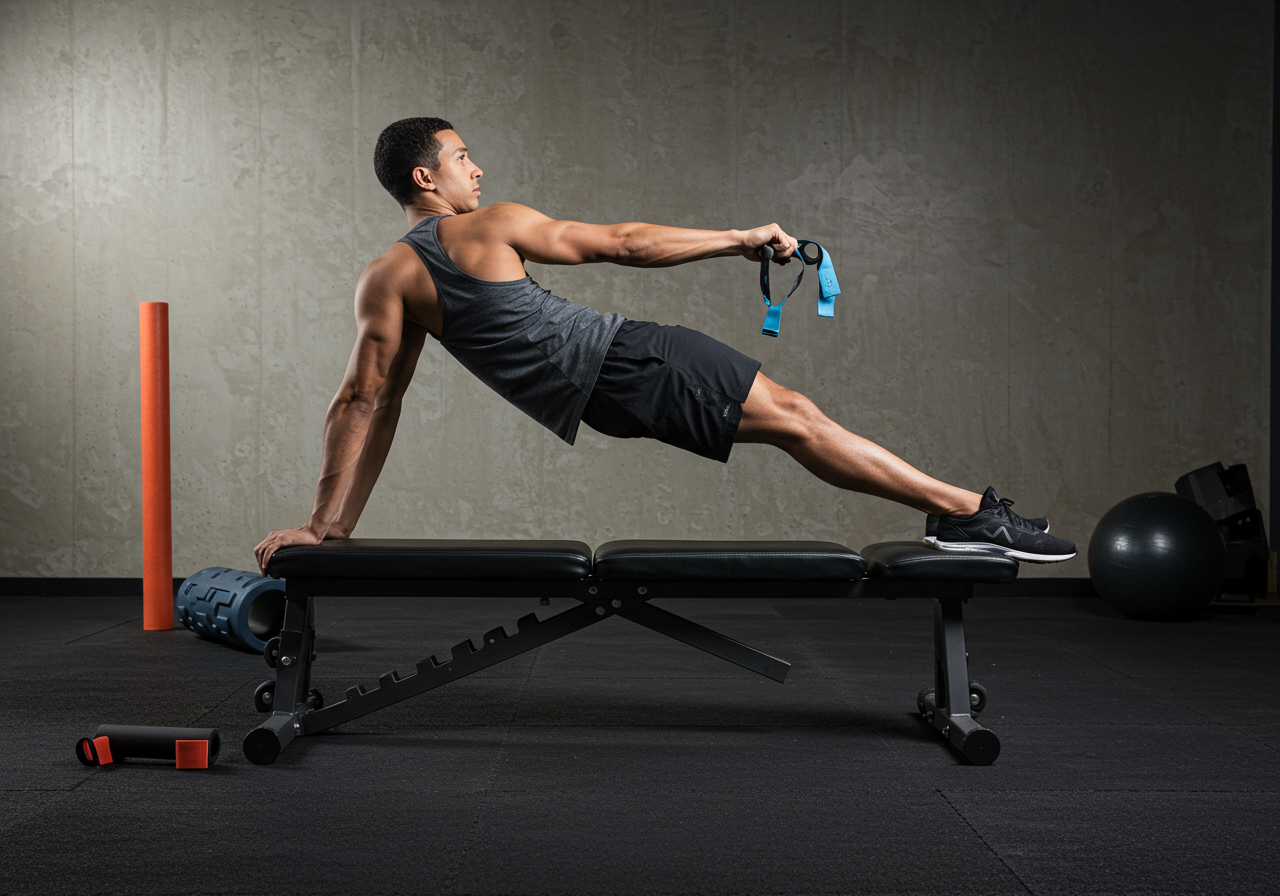
| Bench T-spine extension | 2 x 8 | Thoracic mobility |
| Band pull-apart | 2 x 15 | Scapular activation |
I eat 1.6–2.2 g protein per kg bodyweight. I keep carbs around training. I hydrate well.
| Goal | Calories | Macros (P/C/F) | Notes |
|---|---|---|---|
| Recomp | Bodyweight x 30–33 kcal | 30/45/25 | High protein, moderate carbs |
| Gain | +200–300 kcal | 30/50/20 | Small surplus, monitor waist |
| Cut | -300–500 kcal | 35/40/25 | Keep protein high |
My routine uses creatine 3–5 g daily. I take whey 25 g after rows. I add omega-3 on rest days.
I sleep 7.5–8.5 hours. I keep steps above 7,000 daily. I breathe through my nose during walks.

Evidence of progress: data, testimonials, fixes, and long-term result interpretation
Numbers validate the plan. Photos and logs confirm real change. Client stories keep motivation strong.
| Metric | Start | Week 8 |
|---|---|---|
| One-arm row best set | 28 kg x 12 | 38 kg x 12 |
| Total weekly row reps | 72 | 104 |
| Garmin VO2 max | 47 ml/kg/min | 49.8 ml/kg/min |
Client Anna started at 6 kg rows. She reached 14 kg x 12 in eight weeks. Her shoulder pain disappeared.
Client Mo lifted 24 kg x 10 at start. He hit 34 kg x 12 by week ten. His posture improved at work.
| Issue | Likely cause | Fix |
|---|---|---|
| No lat feel | Elbow flares wide | Elbow toward hip, pause mid |
| Lower back fatigue | Hinge unsupported | Use chest support or bench |
| Grip fails early | Under-trained forearms | Add farmer carries, use straps on top set |
| Plateau | No deload | Deload one week, halve volume |
| Motivation dips | No feedback loop | Weekly PR target: reps or tempo |
Maintain data with a simple log. Track load, reps, RIR, and form notes. Review weekly trends.
This system scales with life stress. Reduce sets during busy weeks. Retain intensity on top set.
You will build thickness by respecting form and progression. You will keep gains with consistent recovery planning.