Basketball: Full-Body Muscle Team Sport
Build court skills first to unlock full-body performance
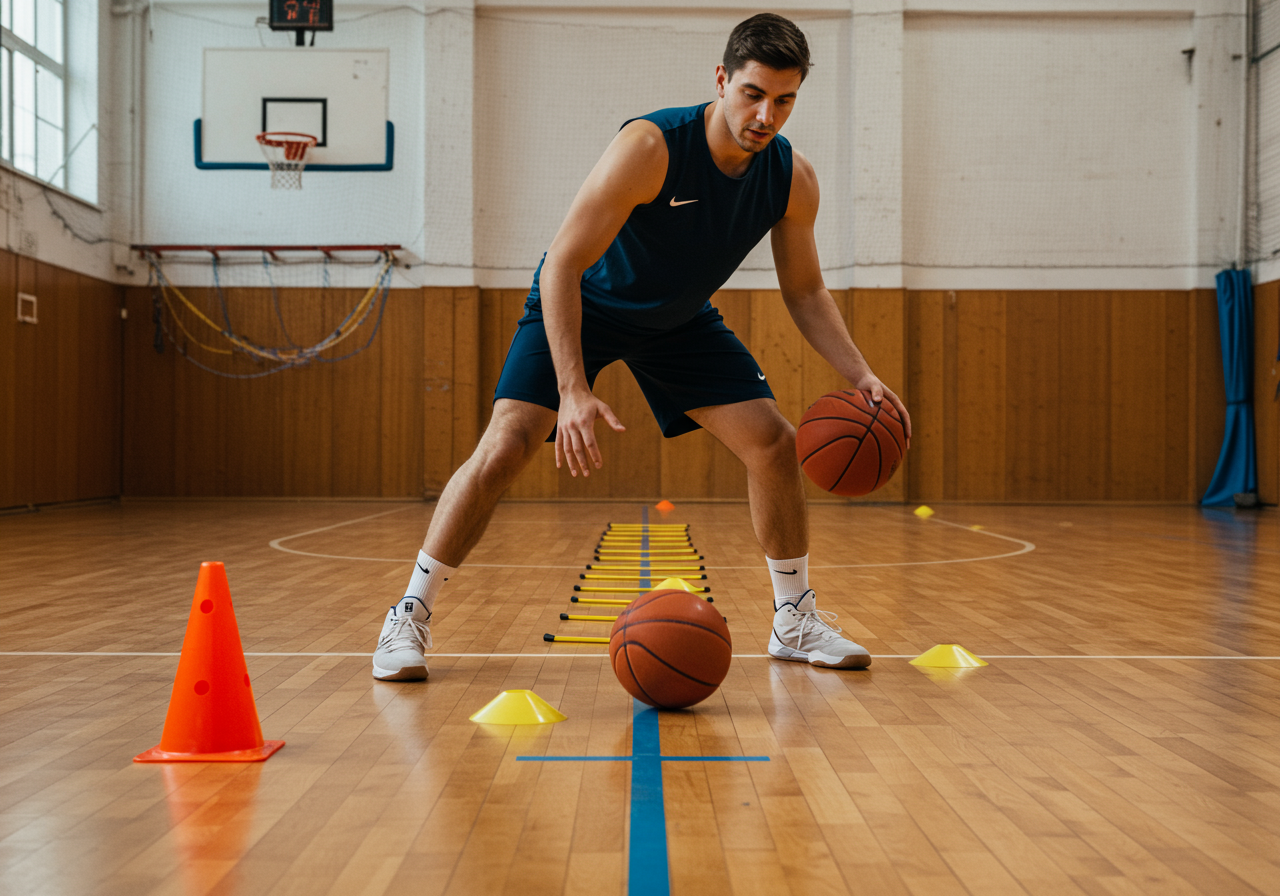
Basketball rewards efficient body mechanics and repeatable skill patterns. I teach stance, footwork, and ball control first.
Good stance supports quick reactions and safe joints. I cue knees soft, hips back, and chest tall.
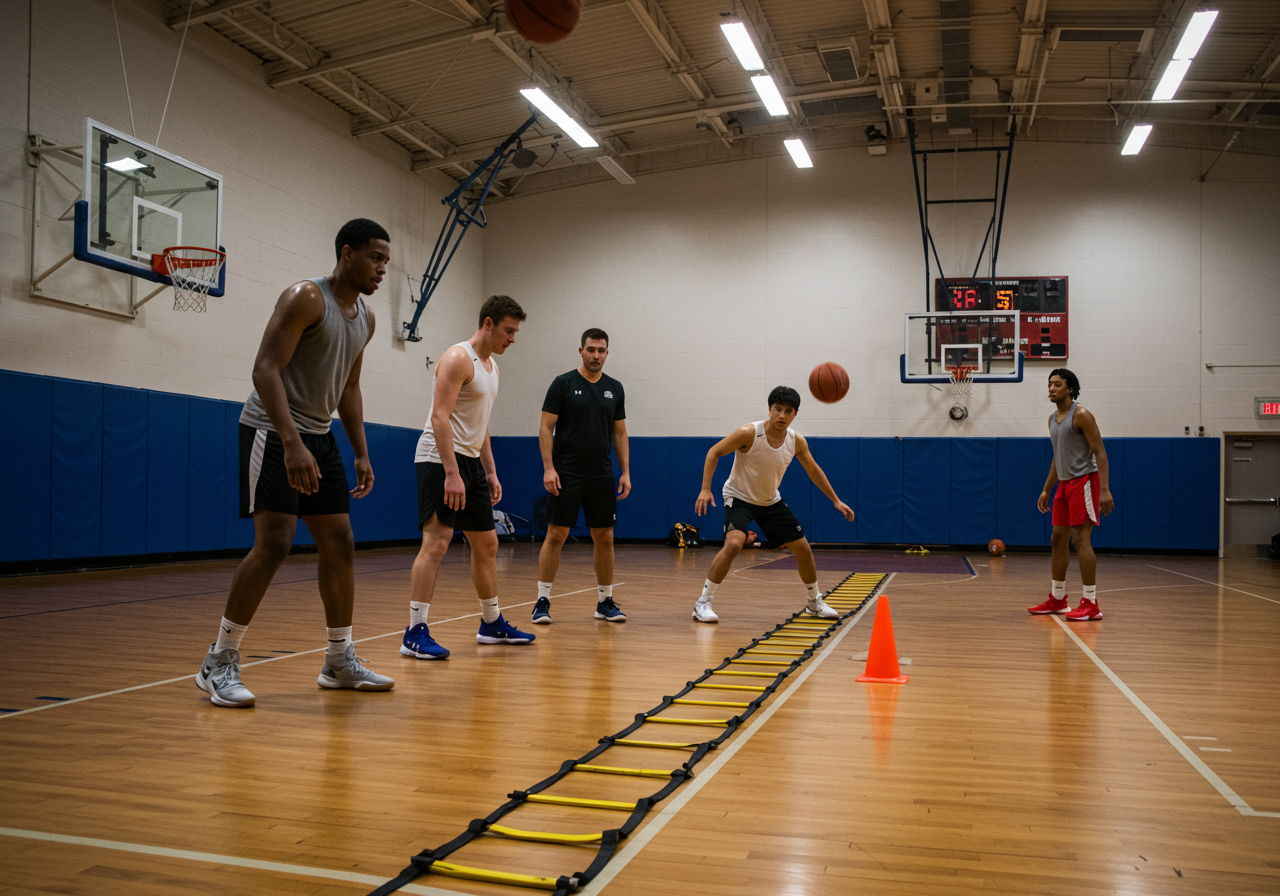
Footwork governs speed and balance. I drill lateral shuffles, crossovers, and controlled decelerations before jump shots.
| Drill | Focus | Time/Reps | Cues |
|---|---|---|---|
| Athletic stance holds | Posture | 3 x 30s | Feet shoulder-width, ribs down, eyes up |
| Low dribble right/left | Ball control | 3 x 40s each | Dribble below knee, off-hand shields |
| Crossover into stop | Deceleration | 8 reps/side | Lower hips, heels down on stop |
| Form shooting | Release | 25 makes | Elbow under ball, soft arc |
I track early sessions with short clips on my phone. Visual feedback speeds technique improvements significantly.
I also log drill counts in Strava workouts. That lets me trend consistency week to week.
Develop total-body strength to amplify every court movement
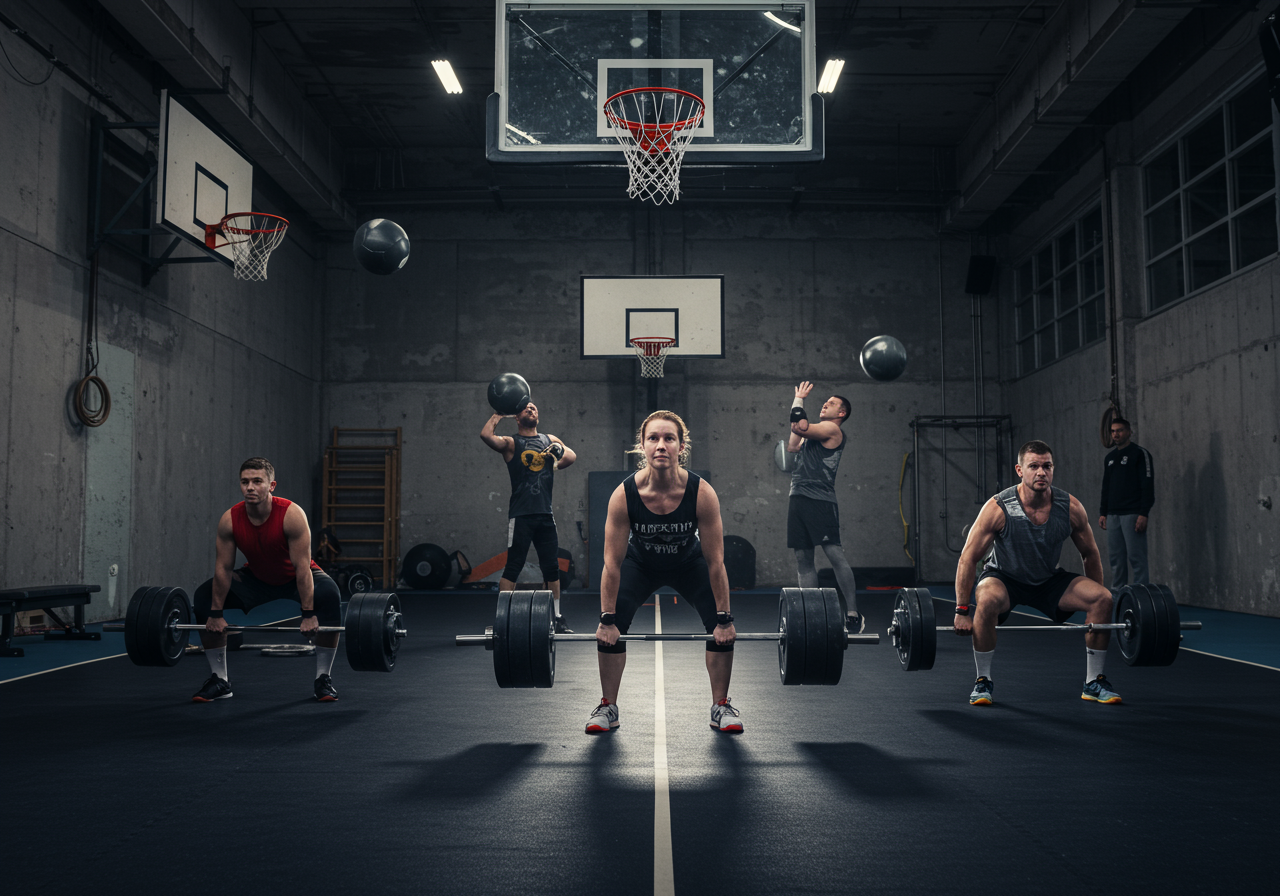
Strength multiplies skill. I build hips, legs, and trunk, then add fast power work.
Compound lifts create reliable force. Jumps and throws convert that force into speed.
| Level | Main Lift | Sets x Reps | Load/Rest | Power Pair |
|---|---|---|---|---|
| Beginner | Goblet squat | 3 x 8 | Light-moderate, 90s | 3 x 5 countermovement jumps |
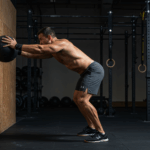
| Intermediate | Trap-bar deadlift | 4 x 5 | 70–80% 1RM, 2m | 4 x 4 med-ball chest pass |
| Advanced | Front squat | 5 x 3 | 80–88% 1RM, 3m | 5 x 3 depth jumps |
I progress loads 2–5% weekly when reps move crisply. I reset if speed drops.
I also add upper-body balance. I rotate pull-ups, push-ups, and single-arm rows on alternate days.
| Accessory | Sets x Reps | Rest | Note |
|---|---|---|---|
| Split squat | 3 x 8/leg | 60–90s | Improves deceleration on drives |
| Nordic curl | 3 x 5 | 2m | Protects hamstrings on sprints |
| Pallof press | 3 x 12 | 45s | Stabilizes trunk on cuts |
Condition the engine to play faster, longer, and safer
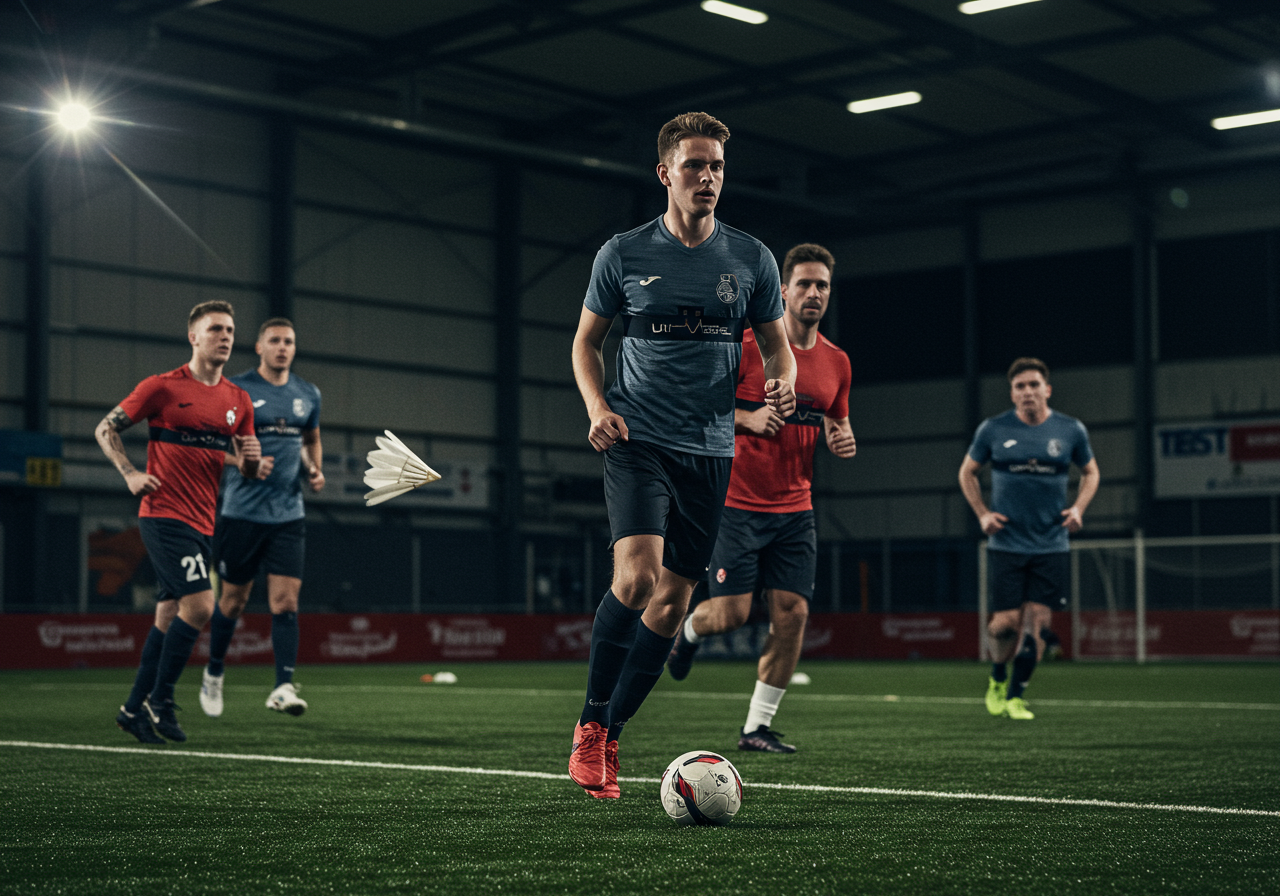
Basketball taxes multiple energy systems. I balance aerobic base with sharp high-intensity bursts.
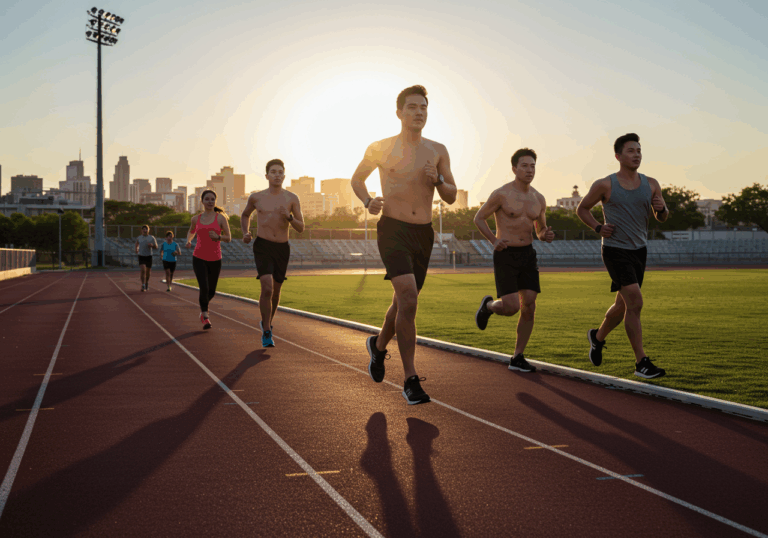
I use heart-rate zones for precision. Zone 2 builds endurance, and Zones 4–5 sharpen repeat sprints.
| Session | Work:Rest | Target Zone | Duration |
|---|---|---|---|
| Court shuttles | 20s:40s x 12 | Z4–Z5 | 12–15 min |
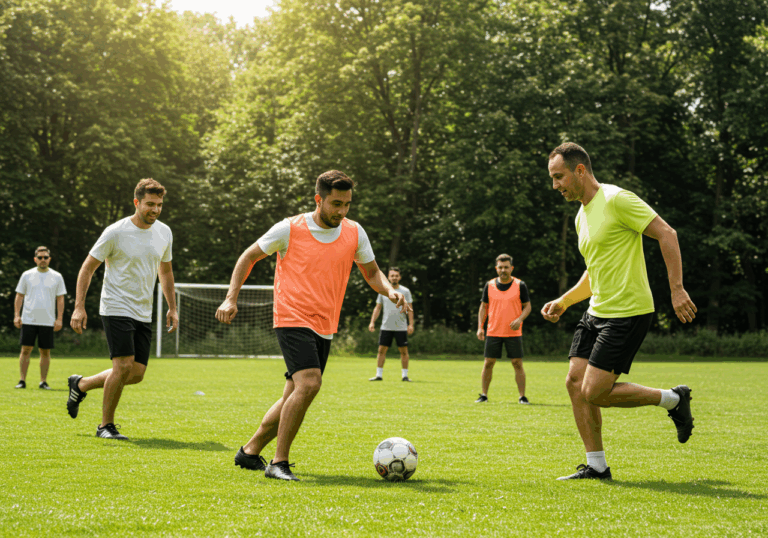
| Small-sided 3v3 | 2m:2m x 6 | Z3–Z5 | 24 min |
| Tempo dribble laps | 2m steady | Z2 | 12–20 min |
I track sessions with a Garmin watch. I export data to Strava for trends.
My test results improved with intervals versus steady cardio. Fat loss favored intervals clearly.
My recent workout ran 35 minutes total. Average heart rate sat at 152 bpm, with peaks at 184 bpm.
Six weeks of two interval days increased VO2 max by about eight percent, based on my Garmin estimate.
Warm-downs reduce soreness. I finish with hip flexor stretches and ankle mobility for five minutes.
I also breathe through the nose on easy intervals. That keeps pace controlled and technique smooth.
Links: garmin.com, strava.com.
Follow a simple, progressive calendar that scales from novice to advanced
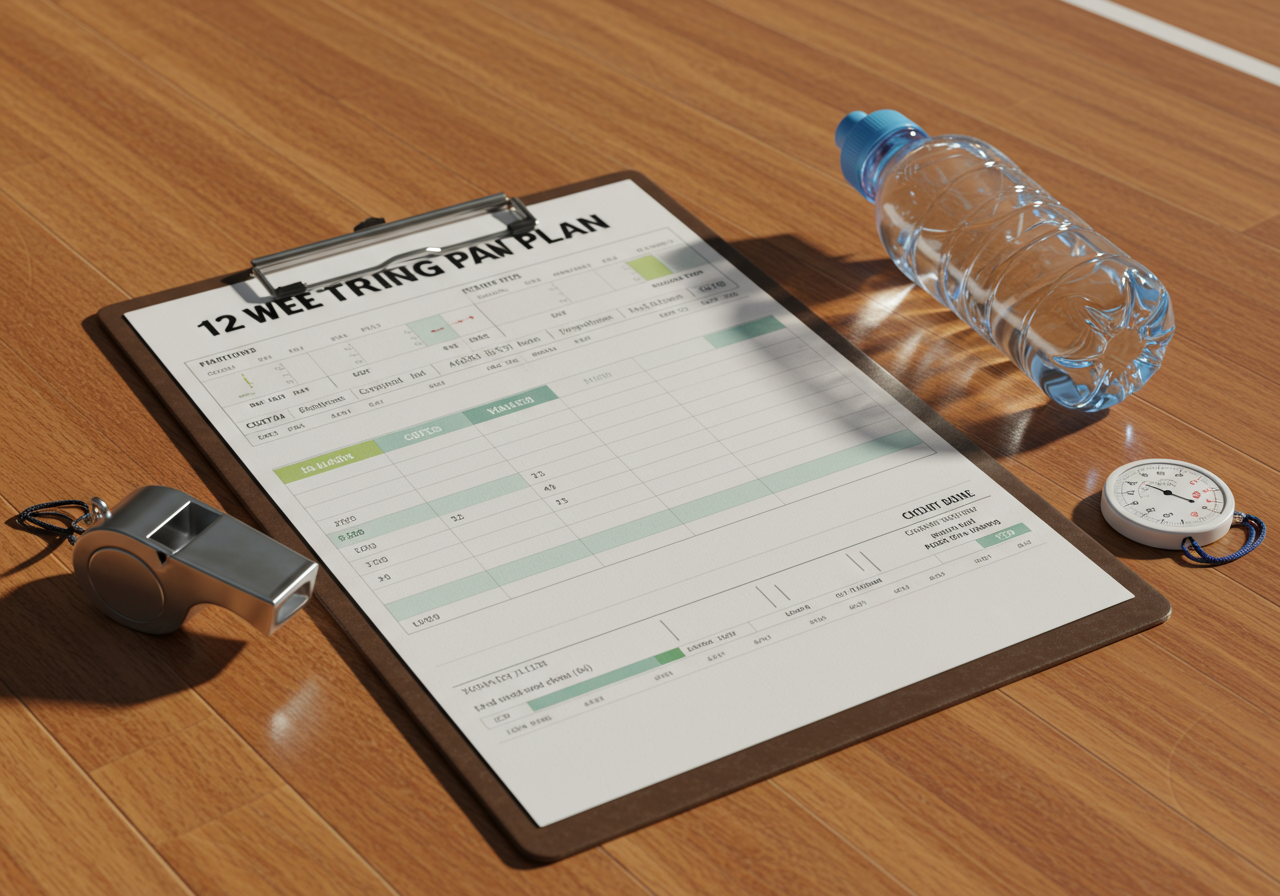
This plan blends skills, strength, and conditioning. I schedule recovery to keep progress steady.
Phase one builds basics. Phase two adds power. Phase three prepares for faster games.
| Phase | Weeks | Focus | Notes |
|---|---|---|---|
| Foundation | 1–4 | Skills + Zone 2 | Light strength 2x/week |
| Build | 5–8 | Power + Intervals | Add med-ball and jumps |
| Peak | 9–12 | Game play | Scrimmage 2x/week |
| Day | Focus | Example |
|---|---|---|
| Mon | Strength | Trap-bar 4×5, jumps 4×4, accessories |
| Tue | Court skills | Dribbling, footwork, form shooting 45 min |
| Wed | Conditioning | Shuttles 20s:40s x12, cool-down |
| Thu | Strength | Front squat 5×3, med-ball passes |
| Sat | Scrimmage | 3v3 blocks, then 5v5 short quarters |
Beginner sets favor technique. Intermediate sets chase steady progress. Advanced sets protect freshness for games.
I monitor readiness using waking heart rate. A sudden rise tells me to reduce volume.
Prove progress with data, adjust quickly, and maintain long-term result interpretation
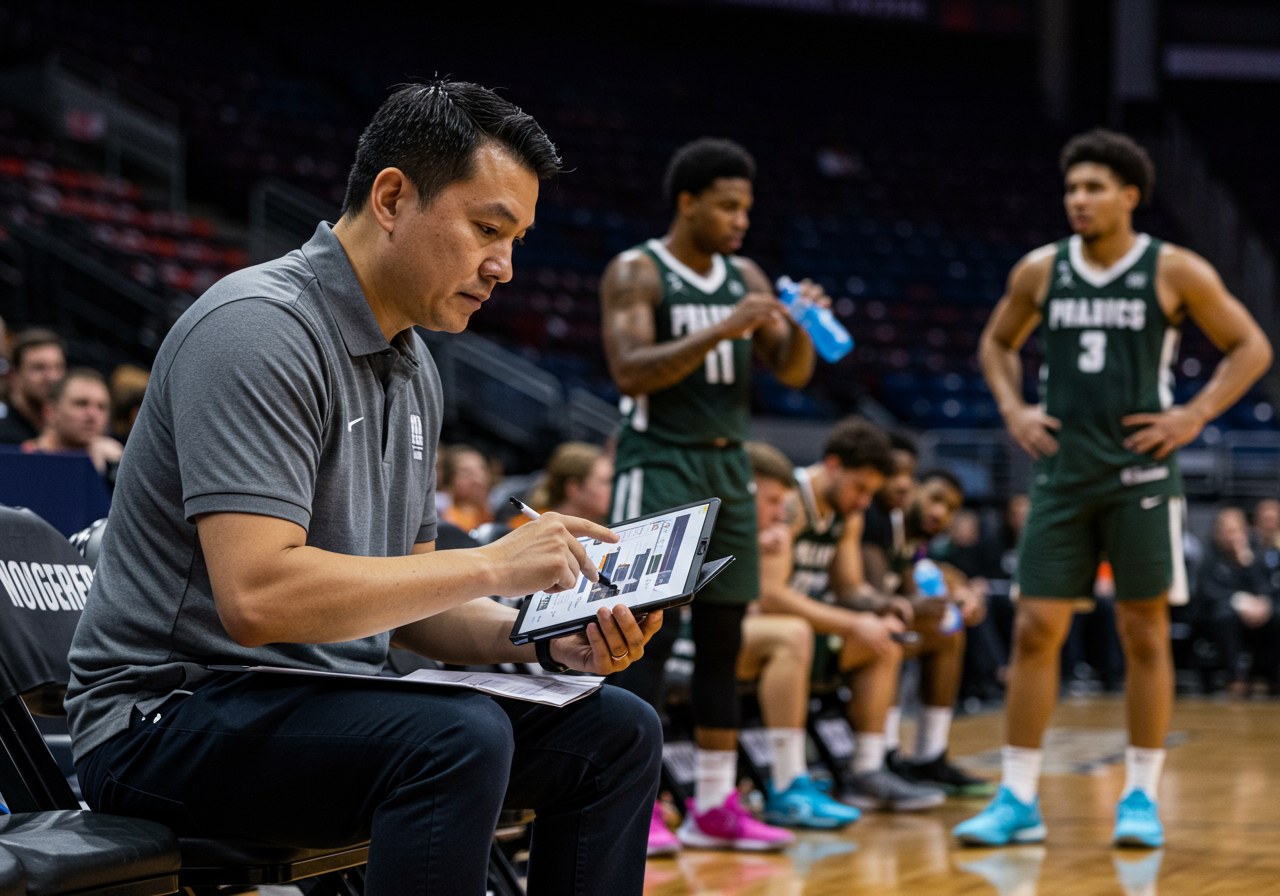
I validate changes with clear metrics. I track makes, speed, jump height, and heart-rate recovery.
I also log food and sleep for recovery. I use MyFitnessPal and simple notes.
| Athlete | Timeline | Results |
|---|---|---|
| Maya, 34, beginner | 8 weeks | Free throws 52% to 73%. HRR +22 bpm. 10m sprint -0.21s. |
| Leo, 17, guard | 6 weeks | VO2 max +8%. Vertical +4.3 cm. Turnovers down 30% in scrimmage. |
Client note: “Small-sided games made conditioning fun. I stopped dreading cardio,” said Maya in week five.
Personal note: Skipping warm-up once strained my calf. I now include five calf raises between shooting sets.
| Nutrition | Targets | Notes |
|---|---|---|
| Calories | Bodyweight x 14–16 | Adjust for goals and steps |
| Protein | 0.7–1.0 g per lb | Support recovery and strength |
| Carbs | 3–5 g per kg | Fuel intervals and games |
| Fat | 0.3–0.6 g per kg | Hormonal health |
I aim for 7.5–9 hours of sleep. I use a pre-bed routine without screens for thirty minutes.
Supplements that helped: creatine 3–5 g daily and caffeine 3 mg/kg pre-scrimmage.
HIIT beat steady cardio for fat loss in my logs. Steady sessions still improved recovery and overall readiness.
Plateau fix: lower volume by 20% for one week. Keep intensity, and add an extra rest day.
Overtraining signs include irritability and poor sleep. I cut conditioning first and keep skill light.
Injury triage starts with swelling control. I shift to seated shooting and core work until symptoms clear.
Track food on myfitnesspal.com. Tag workouts consistently for clean comparisons across weeks.
Final check: I expect smoother movement, better shooting, and steadier energy within four to six weeks.