Core Stabilization Exercises: Unshakeable Body Center

Core purpose and body mechanics for an unshakeable body center
Your core does more than flex your abs. It transfers force between your hips and shoulders. It protects your spine during movement and load. It stabilizes your pelvis while you breathe and move.
Core stabilization keeps your trunk steady against unwanted motion. You resist extension, rotation, and side-bending. You also control hip movement in all planes. You create a strong base for every lift and stride.
Body mechanics start with alignment. Place ribs over pelvis and lengthen the spine. Keep the chin tucked and the pelvis neutral. Breathe low and wide into the sides and back. Brace gently as if preparing for a cough.
Movement categories guide exercise selection. Anti‑extension drills resist lumbar arching. Anti‑rotation drills resist twisting. Anti‑lateral flexion drills resist side bending. Hip‑controlled drills train glute and pelvic control.
| Category | Primary muscles | Daily example | Coaching cue |
|---|---|---|---|
| Anti‑extension | Transverse abdominis, obliques | Carrying groceries | Exhale, zip ribs down |
| Anti‑rotation | Obliques, multifidus | Walking with a bag | Keep sternum square |
| Anti‑lateral flexion | Quadratus lumborum, glute med | Standing on a bus | Grow tall, no leaning |
| Hip control | Glutes, deep rotators | Stairs and running | Knee tracks over toes |
This foundation supports every later progression. It also reduces wasted effort. It sets you up for consistent wins.

Practical routines and precise execution for every level
These routines train stability before intensity. They use short sets and crisp technique. They build capacity safely and progressively.
| Exercise | Sets x Reps/Time | Rest | Tempo | Coaching cue |
|---|---|---|---|---|
| Dead bug | 2 x 6/side | 30s | 2‑1‑2 | Exhale, ribs down |
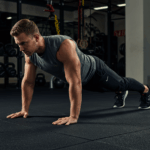
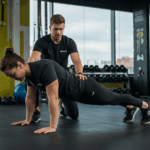
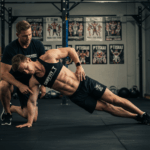
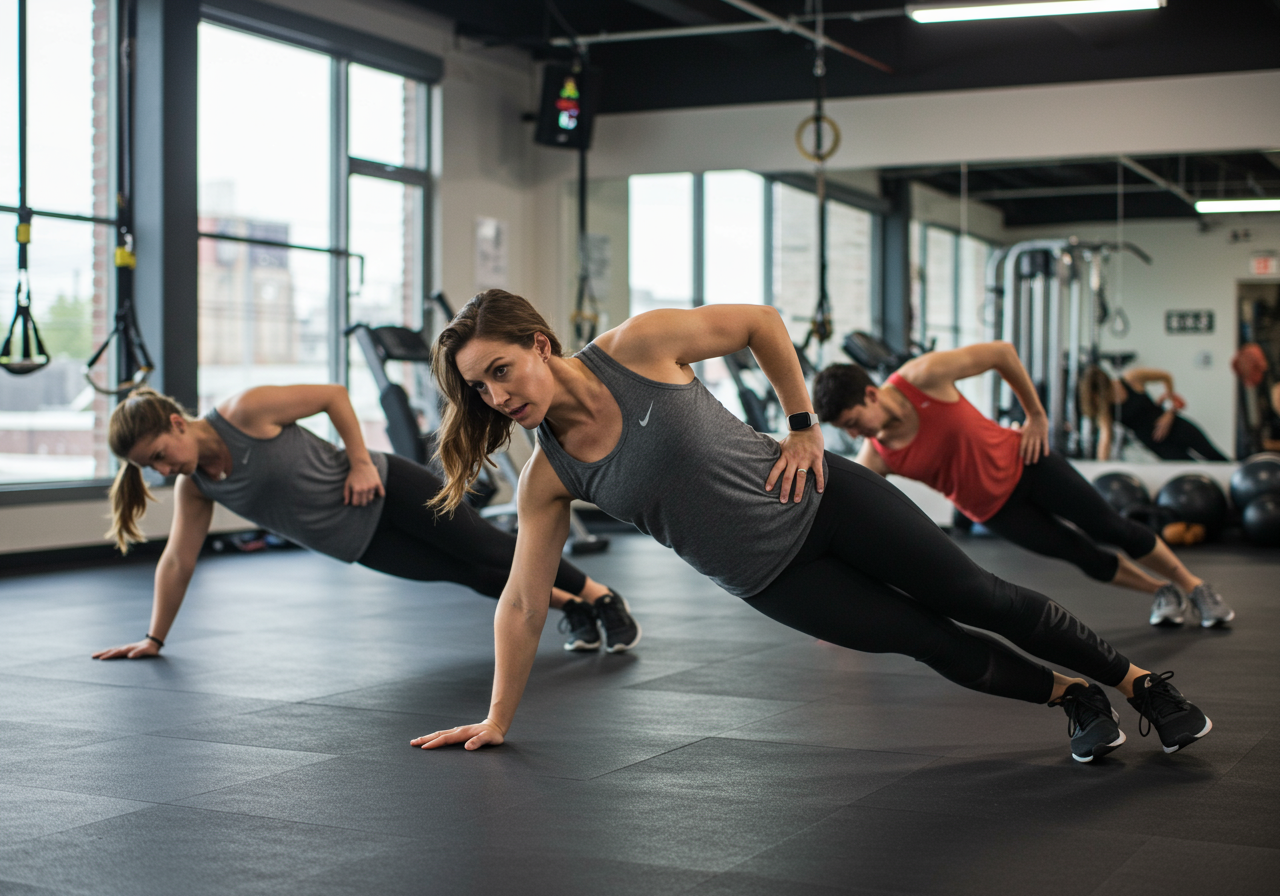
| Side plank knees | 2 x 20s/side | 30s | Hold | Hips forward |
| Glute bridge | 2 x 10 | 30s | 2‑1‑2 | Drive heels |
| Pallof press (band) | 2 x 8/side | 30s | 1‑1‑1 | Square chest |
| Exercise | Sets x Reps/Time | Rest | Tempo | Coaching cue |
|---|---|---|---|---|
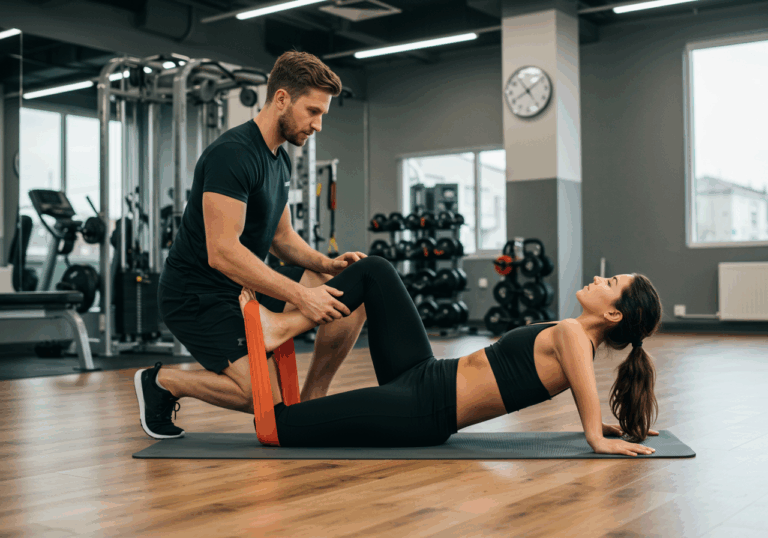
| Dead bug with band | 3 x 8/side | 30s | 2‑1‑2 | Low back heavy |
| Side plank feet | 3 x 25s/side | 30s | Hold | Stack hips |
| Hip hinge with dowel | 3 x 8 | 30s | 3‑1‑2 | Three points contact |
| Farmer carry | 3 x 30m | 45s | Walk | Tall posture |
| Exercise | Sets x Reps/Time | Rest | Tempo | Coaching cue |
|---|---|---|---|---|
| Hollow hold | 3 x 20‑30s | 45s | Hold | Ribs down |
| Offset front squat | 3 x 6/side | 60s | 3‑1‑1 | No sway |
| Pallof press walkout | 3 x 6 steps/side | 45s | 1‑1‑1 | No twist |
| Suitcase carry heavy | 3 x 25m/side | 60s | Walk | No leaning |
Weekly structure blends consistency and recovery. Track sessions with a simple plan. Adjust volume when fatigue rises.
| Day | Focus | Notes |
|---|---|---|
| Mon | Core + Upper | Zone 2 finisher 10 minutes |
| Tue | Walk or cycle | Easy breathing only |
| Wed | Core + Lower | Stop two reps early |
| Thu | Mobility | Hips and thoracic |
| Fri | Core + Carries | Farmer and suitcase |
| Sat | Outdoor walk | 10,000 steps goal |
| Sun | Rest | Breathing reset 5 minutes |

Breathing, bracing, and mind–body connection for dependable stability
Breathing drives core control. Proper breath expands the ribcage and back. It supports the pelvic floor and diaphragm rhythm.
Bracing adds stiffness without tension overload. You create pressure, not a hollowed stomach. You keep alignment while moving limbs.
Practice awareness before training. Place hands on lower ribs. Feel them move out and down with breaths. Keep your jaw unclenched.
| Drill | Sets x Breaths | Focus |
|---|---|---|
| Crocodile breathing | 2 x 6 | Belly into floor |
| Box breathing | 2 x 4 cycles | Even inhale and exhale |
| Bracing pulses | 2 x 5 | 3/10 to 6/10 tension |
Mindfulness supports posture during daily tasks. Walk tall with soft ribs. Breathe wide with a relaxed neck.

Phased plan with measurable steps and supportive recovery practices
Progress works best in phases. You change one variable at a time. You then confirm adaptation with simple data.
| Phase | Focus | Progression | Metric |
|---|---|---|---|
| 1 | Anti‑movement basics | Shorter levers first | Plank time quality |
| 2 | Load and tempo | Add bands or dumbbells | RPE 6‑7 effort |
| 3 | Carries and offsets | Longer distance | No sway video check |
Cardio pairs well with core training. Keep easy sessions in Zone 2 heart rate. Use 60‑70% max heart rate as a guide.
I track heart rate with a Garmin watch. I log sessions on Strava. I adjust volume when resting heart rate rises.
Nutrition supports adaptation. I set protein at 1.6‑2.0 g/kg bodyweight. I balance fats at 25‑30% of calories. I fill the rest with carbohydrates.
I track food with MyFitnessPal. I monitor training load with Garmin. I review weekly totals on Strava.
Recovery locks in progress. I aim for 7‑9 hours sleep nightly. I walk after meals to aid digestion and mobility.

Measured outcomes, lived experiences, and sustainable routine maintenance
Real numbers matter for confidence. I track heart rate, set quality, and movement videos. I repeat baseline tests every four weeks.
I used Zone 2 rides on non‑core days. I added carries and offsets gradually. I kept two reps in reserve on all sets.
Client stories reinforce the process. Maria, 34, trained postpartum. She closed diastasis width by one finger width. She reported steadier posture while nursing.
Dave, 52, plays weekend golf. He added suitcase carries twice weekly. Clubhead speed increased by 3 mph. His low back stayed calm during rounds.
Asha, 28, is a runner. She practiced side planks and banded hip work. Her knee valgus decreased on video. Her long runs felt smoother.
| Approach | Outcome | Lesson |
|---|---|---|
| Crunch‑heavy plans | Improved flexion only | Missing anti‑movement strength |
| Anti‑movement emphasis | Better posture under load | Transfer to daily tasks |
| HIIT for fat loss | Fast calorie burn | Useful sparingly with core days |
| Zone 2 base | Recovery and endurance | Supports core stability practice |
Common problems respond to simple fixes. Ribs flaring need slower exhales. Hip shift needs lighter load. Shaking planks need shorter levers.
Progress tracking stays simple. Record set quality, RPE, and short notes. Review videos once weekly for posture checks.
Testimonials from clients reflect real life. “My back stopped nagging during dishes,” wrote Maria. “I feel solid getting out of the car,” said Dave.
This system endures because it respects alignment and recovery. It layers difficulty gradually. It produces steady, durable gains you can maintain.