Leg Curls: Isolated Hamstring Workout (Lying, Seated)
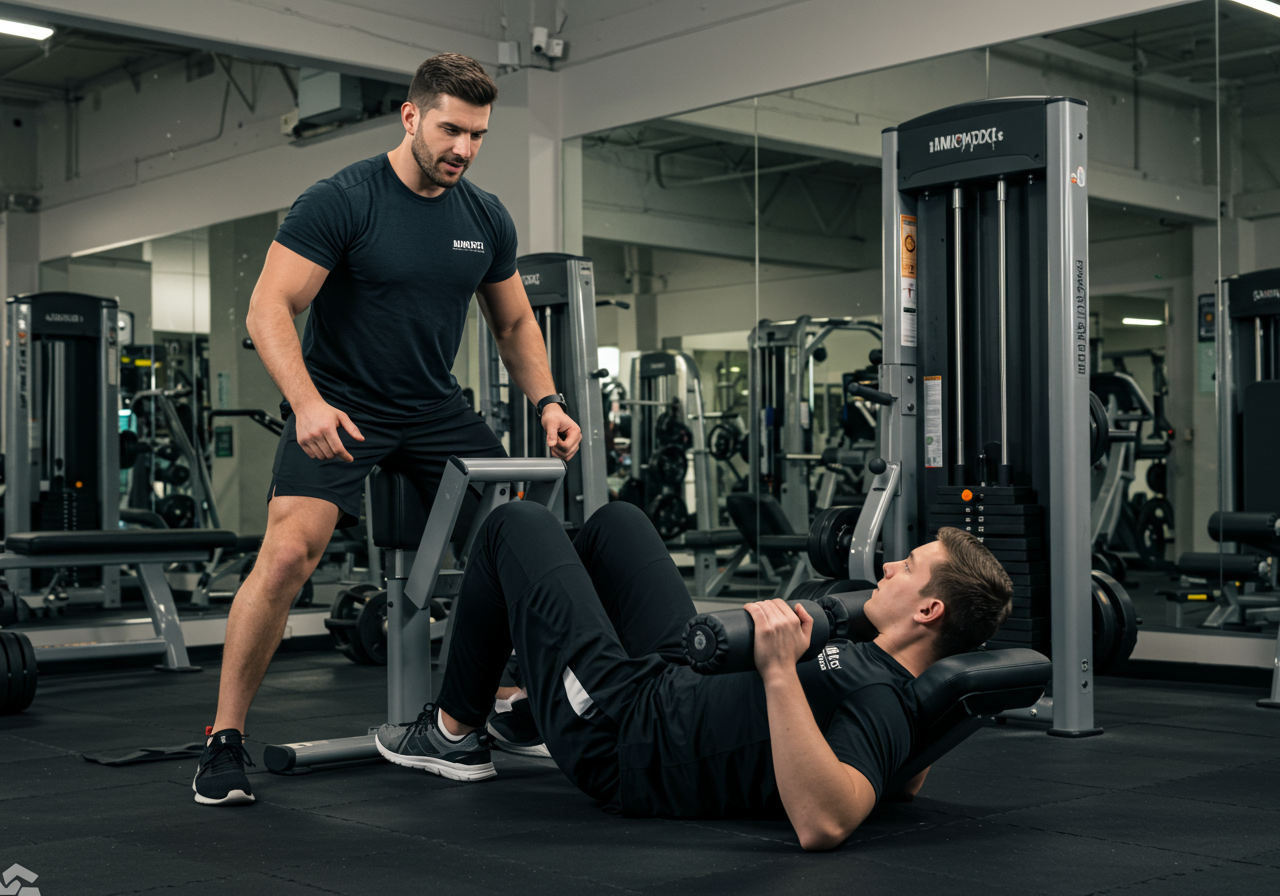
Structured hamstring work accelerates strength and knee health
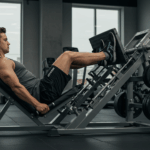
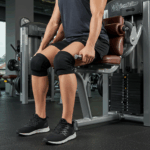
Hamstring curls isolate the rear thigh muscles. Lying curls emphasize mid to short ranges. Seated curls bias the lengthened position.
This plan balances both machines for full-range strength. I program curls after squats or deadlifts. However, beginners can place them first for focus.
Weekly structure drives adaptation. We build capacity, then increase load and density. Additionally, we track reps in reserve to manage fatigue.
- Prioritize joint alignment and pad placement every set.
- Use controlled tempo for tendon resilience.
- Train near failure without breaking form.
- Alternate lying and seated patterns for complete strength.
- Progress volume first, then load, then intensity techniques.
- Warm-up: 5 minutes brisk walk, Zone 2 heart rate.
- Lying leg curl: 3×12, 2 reps in reserve, 90 seconds rest.
- Seated leg curl: 2×15, 3-second negative, 90 seconds rest.
- Finish: 2 sets standing hamstring stretch, 30 seconds each.
Exercise order supports strength and recovery. Lying curls recruit more peak squeeze. Seated curls strengthen long-length control, which protects knees during sprints.
| Day | Primary Lift | Curl Variation | Sets x Reps | Tempo | Rest |
|---|---|---|---|---|---|
| Mon | Squat | Seated | 4 x 10 | 3-1-1-0 | 90 s |
| Wed | Upper Body | Lying | 3 x 12 | 2-1-2-1 | 75 s |
| Fri | Deadlift | Seated + Drop Set | 3 x 8 + drop | 2-0-2-0 | 120 s |
This schedule improves strength and muscle balance. It also reduces cramping during running and cycling.
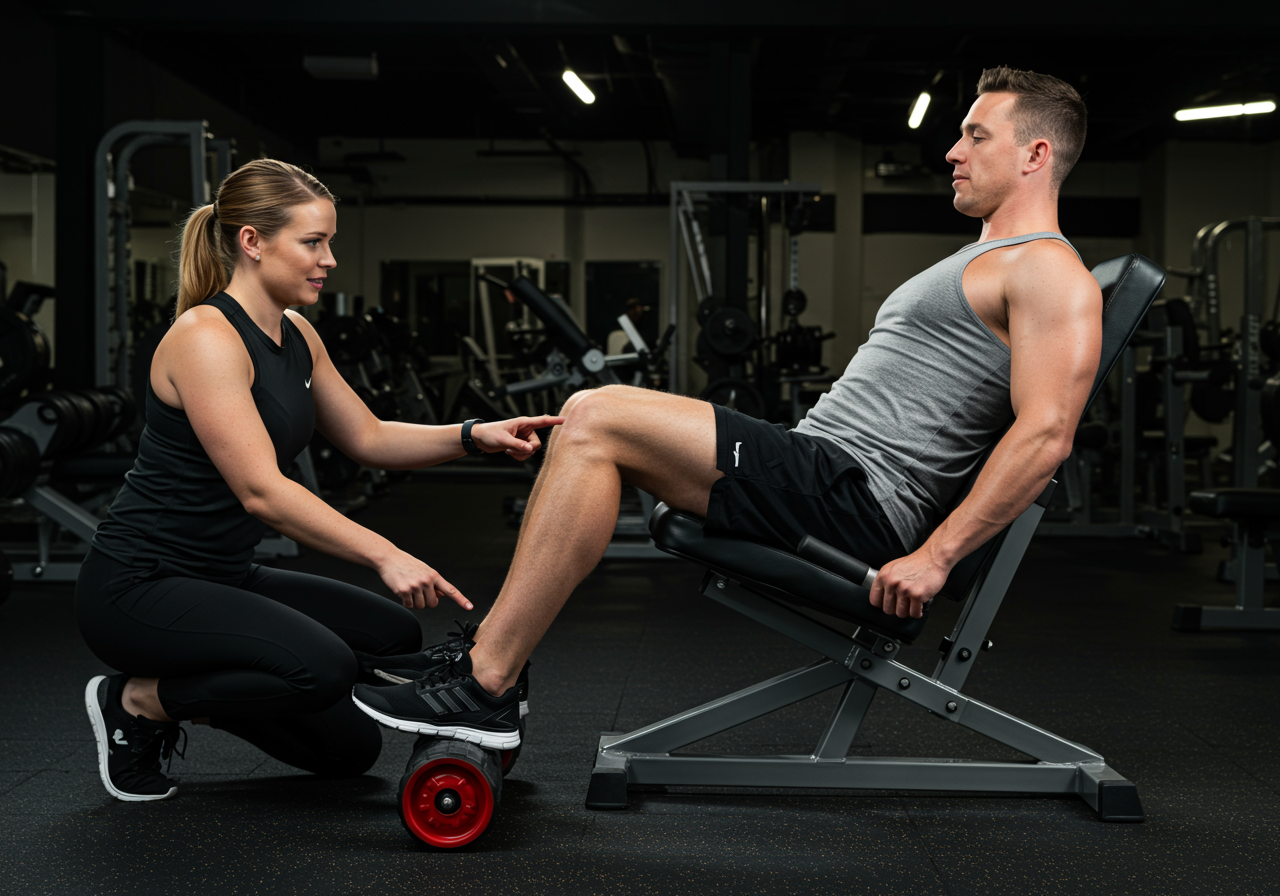
Precise setup protects knees and builds reliable power
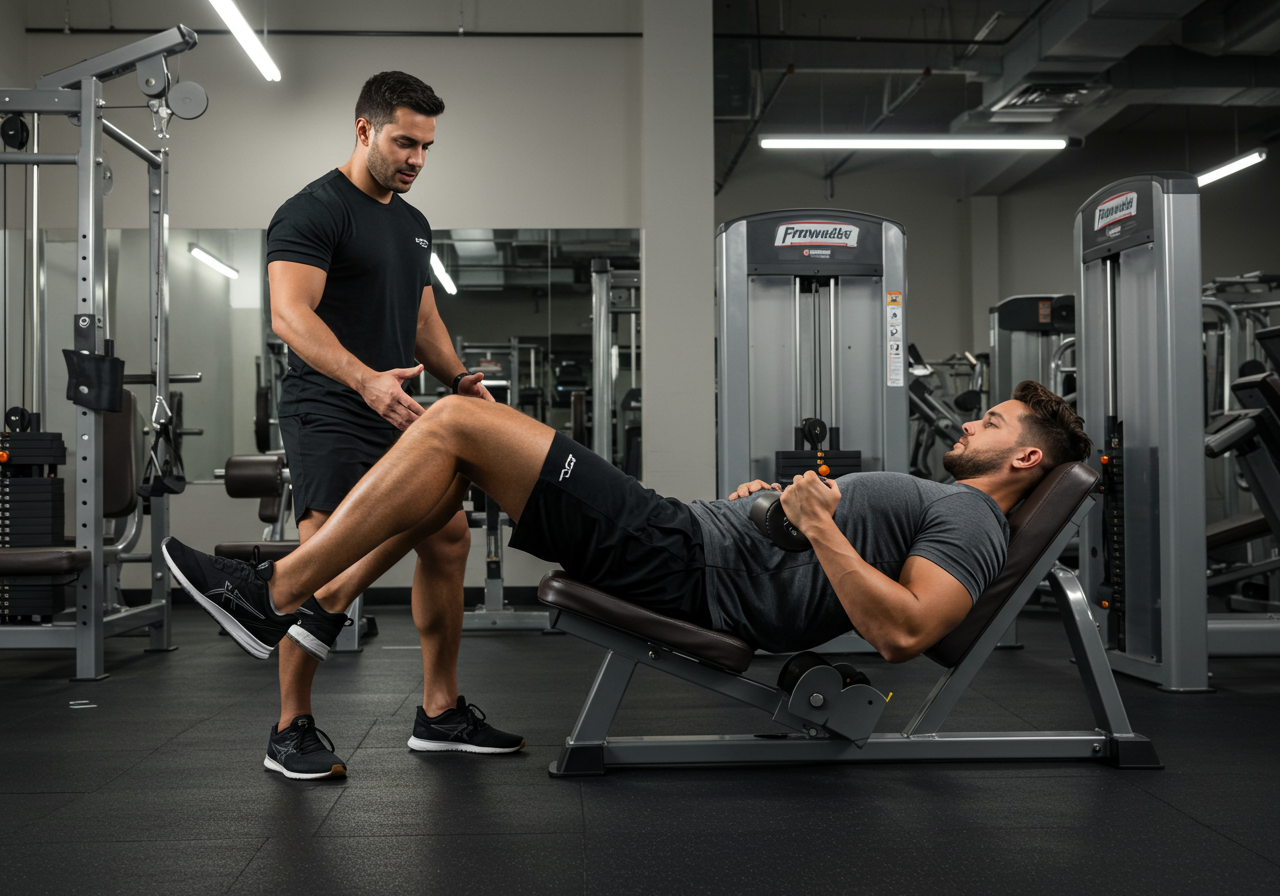
Correct setup creates safe tension. I teach consistent cues for every rep. These cues prevent hip hiking and lower back strain.
- Match machine axis with your knee joint line.
- Set ankle pad above the heel, not on the calf.
- Lock hips down by bracing the abs lightly.
- Pull toes toward shins to reduce calf cramping.
- Squeeze hard for one second at the bottom.
Lying curl steps are simple and repeatable. You exhale as you curl the pad. You control the return.
Seated curl steps emphasize hip angle. You keep the torso tall. You avoid rounding as fatigue rises.
- Do not slam the weight stack at extension.
- Do not arch the lower back to move heavier loads.
- Stop before hamstrings cramp; stretch and rehydrate.
- Report sharp knee pain and adjust range immediately.
| Level | Lying Curl | Seated Curl | Target Load | Goal |
|---|---|---|---|---|
| Beginner Weeks 1-4 | 3 x 12, 2 RIR | 3 x 15, 3 RIR | Bodyweight feel + light stack | Master tempo and setup |
| Intermediate Weeks 5-8 | 4 x 10, 1 RIR | 4 x 12, 1-2 RIR | +10-20% load | Add pause contractions |
| Advanced Weeks 9-12 | 5 x 8, 0-1 RIR | 3 x 12 + drop | +5% weekly micro-load | Use tempos and partials |
Progressions build capacity safely. Beginners earn control before chasing heavy stacks. Advanced lifters add intensity techniques sparingly.
- Hips stay glued to the pad.
- Shins remain aligned with the axis.
- Weight moves smoothly, no bounce.
- Breath matches the effort phase.
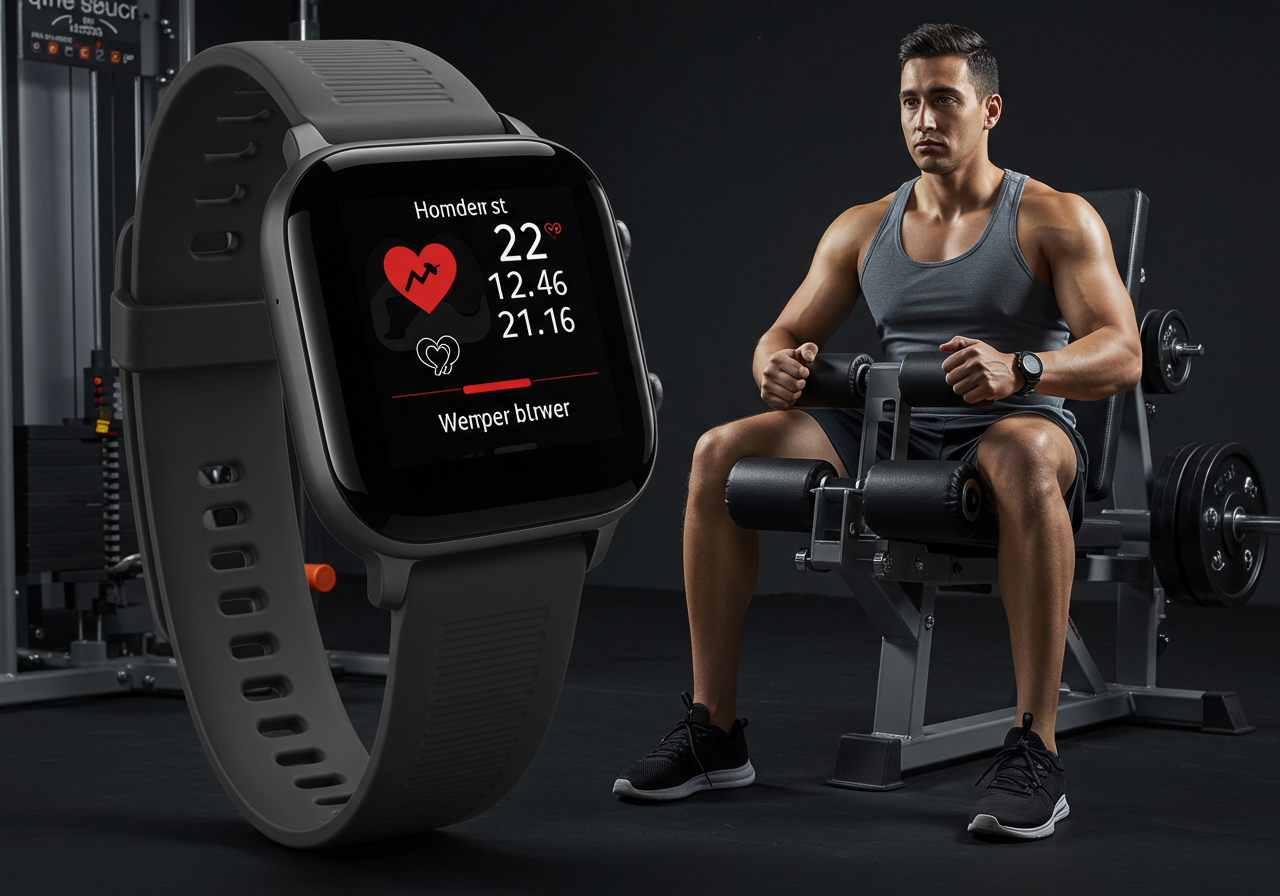
Measured progression builds confident strength and resilient tendons
Progress tracking keeps motivation high. I log sets, reps, and tempo in my phone. I also track heart rate with a Garmin watch.
My last eight-week block improved curl performance. I used double progression and slow eccentrics. Additionally, I tested cluster sets in week eight.
| Method | When | Example | Purpose |
|---|---|---|---|
| Double progression | Weeks 1-6 | 3×12→3×15, then +2.5 kg | Safe overload |
| Tempo eccentric | Weeks 2-8 | 3-second lowering | Tendon strength |
| Cluster sets | Week 8 | 8 reps as 4+2+2 | Higher load practice |
| Partial reps | Week 7-8 | 2 partials at end | Metabolic stress |
- Week 1: Lying curl 3×12 at 30 kg, HR 110-120, 75 seconds rest.
- Week 4: Seated curl 4×10 at 45 kg, HR 115-125, 90 seconds rest.
- Week 8: Lying curl clusters 4×8 at 45 kg, HR 120-130.
Session duration stays between 30 and 45 minutes. Warm-ups include five minutes of Zone 2 cycling. Garmin zones guide breathing and rest periods.
My outcomes included strength and performance changes. Lying curl 10RM increased from 35 kg to 50 kg. Seated curl 12RM improved from 40 kg to 55 kg.
Sprint ability also improved. My 20-meter time dropped by 4.3%. Strava showed faster first splits on weekly runs.
Body composition shifted favorably. I paired curls with short HIIT bike sprints twice weekly. HIIT reduced waist more than steady cycling during this block.
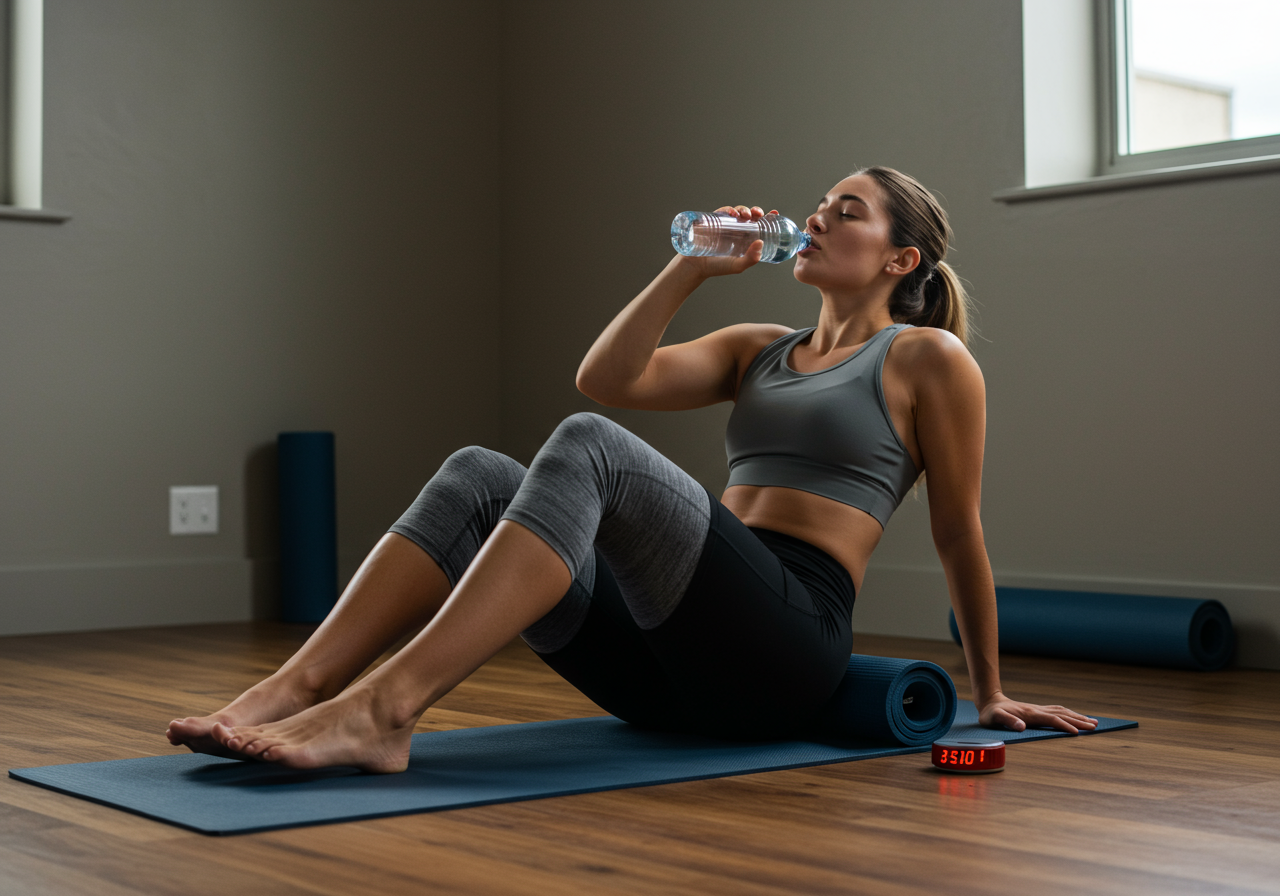
Fueling and restoration unlock stronger curls and healthier knees
Recovery maximizes the training stimulus. I target consistent protein and sleep. I also schedule mobility between hard days.
- Protein: 1.6–2.2 g per kg body weight daily.
- Carbohydrates: moderate on training days for energy.
- Fats: 0.7–1.0 g per kg for hormones.
- Hydration: clear urine by midday, add electrolytes in heat.
My current intake averages 2,400 kcal on training days. I log meals with MyFitnessPal. I aim for 180 g protein, 260 g carbs, and 70 g fat.
Sleep anchors my progress. I average 7.5–8.0 hours nightly. Garmin body battery trends confirm better output after longer sleep.
| Mobility Drill | Dose | Purpose |
|---|---|---|
| 90/90 Hip Switch | 2 x 60 seconds | Hip rotation freedom |
| Supine Hamstring Floss | 2 x 10 reps each | Nerve glide comfort |
| Foam Roll Hamstrings | 2 minutes total | Tone down tension |
- Resting heart rate up 5–7 bpm for three mornings.
- Persistent hamstring tightness despite warm-ups.
- Declining loads with higher effort ratings.
Supplement choices stay basic and proven. I use creatine monohydrate at 3–5 g daily. I also take omega-3s and vitamin D when advised.
Light cardio aids recovery. I like 15 minutes Zone 2 cycling post-session. It lowers stiffness and improves capillary support.
Tool use streamlines consistency. I track sessions on Garmin and share runs on Strava.

Proof of progress, troubleshooting, and long-term result interpretation
Real outcomes validate the plan. I track changes in lifts, speed, and comfort. Clients report less knee strain and more hip power.
| Metric | Start | Week 6 | Week 12 | Change |
|---|---|---|---|---|
| Lying Curl 10RM | 35 kg | 45 kg | 52.5 kg | +17.5 kg |
| Seated Curl 12RM | 40 kg | 50 kg | 57.5 kg | +17.5 kg |
| 20 m Sprint | 3.72 s | 3.64 s | 3.56 s | -4.3% |
| Waist Circumference | 89 cm | 86 cm | 84 cm | -5 cm |
Client stories show repeatable results. Jenna, 34, had desk-related tightness. She said, “Three weeks in, my knees stopped aching on stairs.”
Marcus, 41, wanted sprint confidence. He shared, “Seated curls at long length fixed my late-step wobble.” He now hits faster finishes.
- Shift to seated curls first for two weeks.
- Add a two-second squeeze on every rep.
- Use 4×6 heavy lying curls with clusters.
- Insert one deload week at 60% volume.
- Skipping warm-up once strained my calf lightly. I never skip again.
- Cramping signals dehydration or too much plantar flexion.
- Sharp pain demands range reduction and expert assessment.
Cardio supports fat loss goals. HIIT outperformed steady cycling for my midsection during this phase. However, I limit HIIT to two short sessions to protect legs.
Motivation needs simple measures. I use streaks and set timers. I also log perceived exertion after each set.
| Tracker | What to Log | Frequency | Target Trend |
|---|---|---|---|
| Training Log | Sets, reps, tempo, RIR | Every session | More reps before load jumps |
| Garmin HR | Warm-up HR, recovery HR | Every session | Faster HR recovery |
| Nutrition App | Protein and calories | Daily | Consistent protein hits |
Your long-term plan needs cycles. Run 8–12 week blocks, then deload. Rotate emphasis between lying and seated to stay fresh.