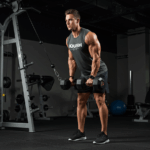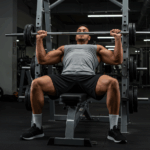
Shoulder Press: Overall Shoulder Muscle Development (Dumbbell, Barbell, Machine)
Build balanced shoulders with precise pressing strategy
This plan targets full shoulder development with simple structure. You will train deltoids, triceps, and upper traps. You will rotate dumbbell, barbell, and machine presses.
This rotation spreads stress across tissues. It also improves skill and comfort. It prevents overuse tenderness.
- Neutral spine and ribcage down. Avoid excessive back arch.
- Press in the scapular plane. Angle elbows about 30 degrees forward.
- Grip just outside shoulder width for barbell. Keep forearms vertical.
- Lockout with soft elbows. Do not slam the joint.
- Brace your core before each rep. Squeeze glutes lightly.
This exercise trio covers strength and hypertrophy. Dumbbells train stability and symmetry. Barbell drives progressive strength. Machines add safe volume to near failure.
| Variation | Primary Focus | Setup Cues | When To Use |
|---|---|---|---|
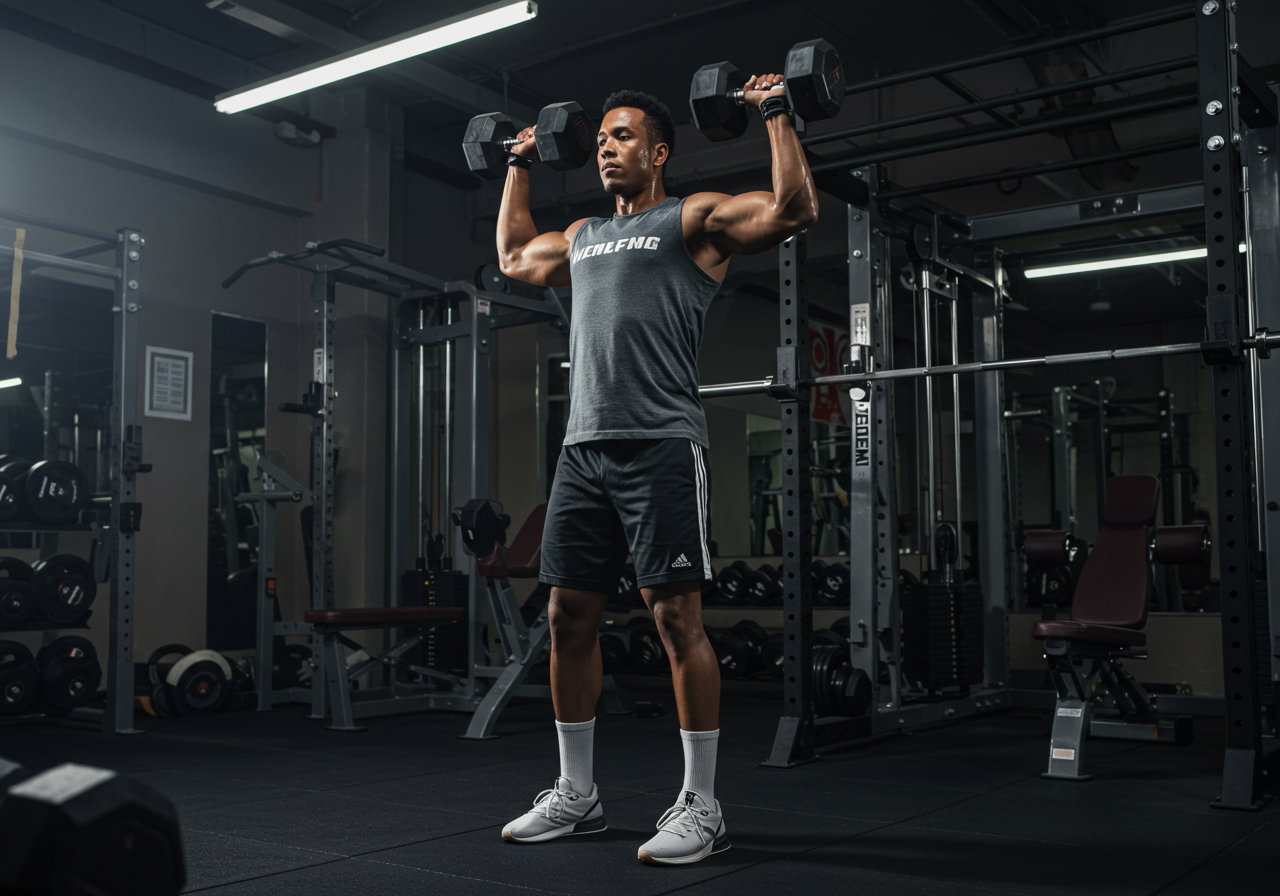
| Dumbbell Seated Press | Stability, symmetry | Elbows slightly forward, wrists stacked | Early sets, coordination |
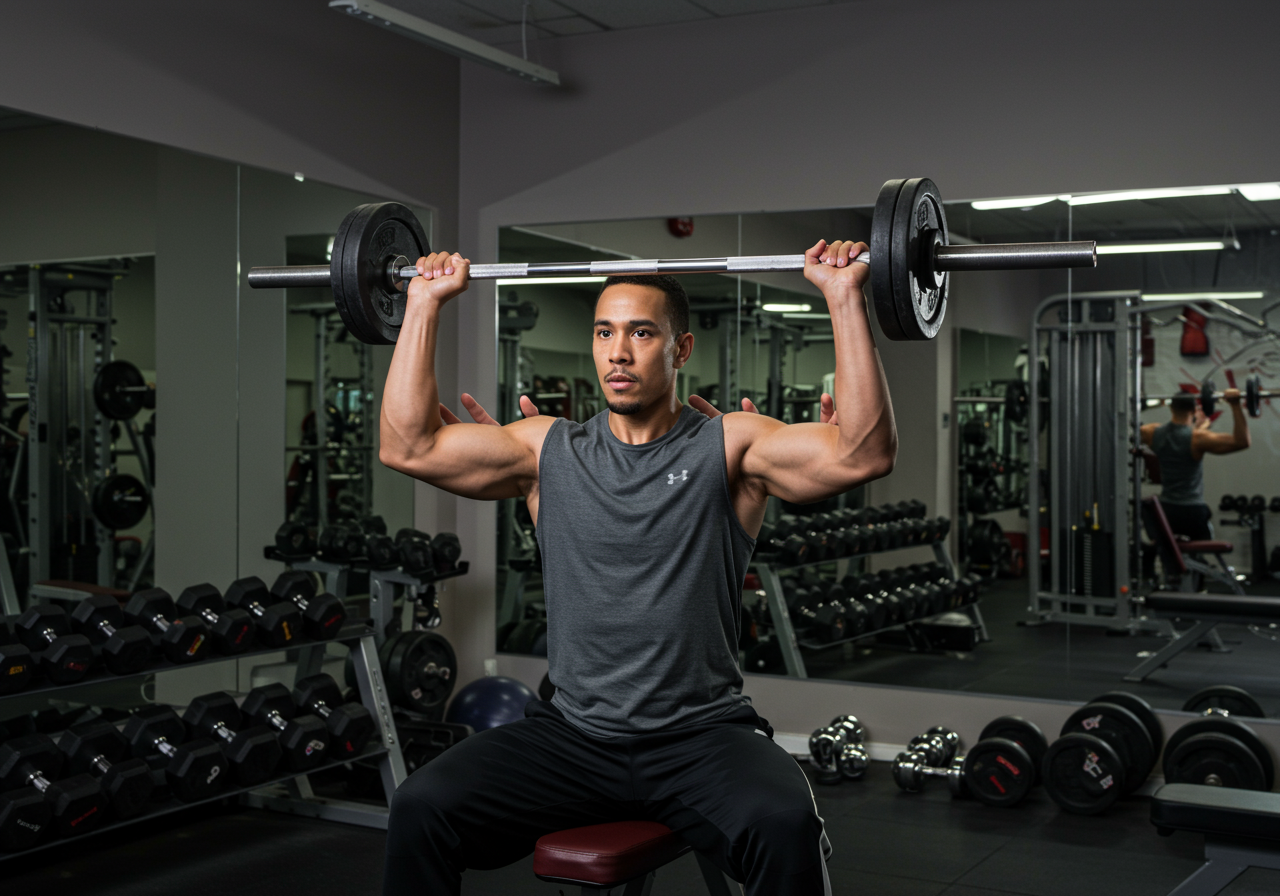
| Barbell Overhead Press | Max strength | Forearms vertical, ribs down | Main strength movement |
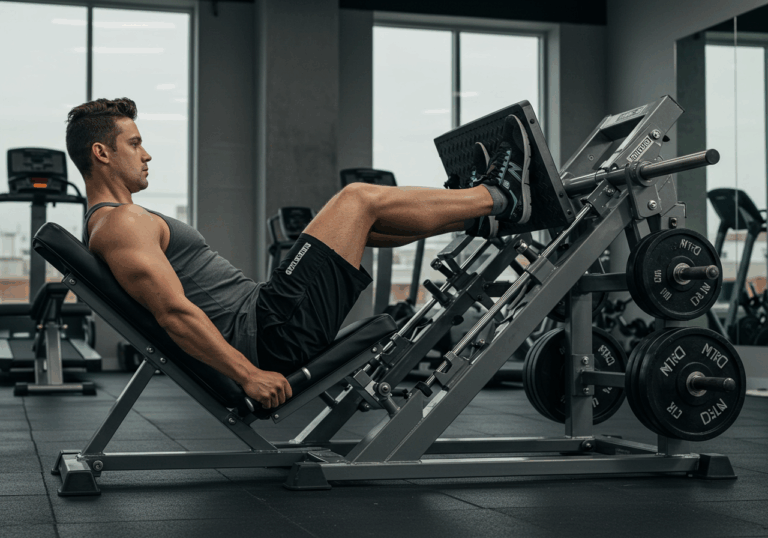
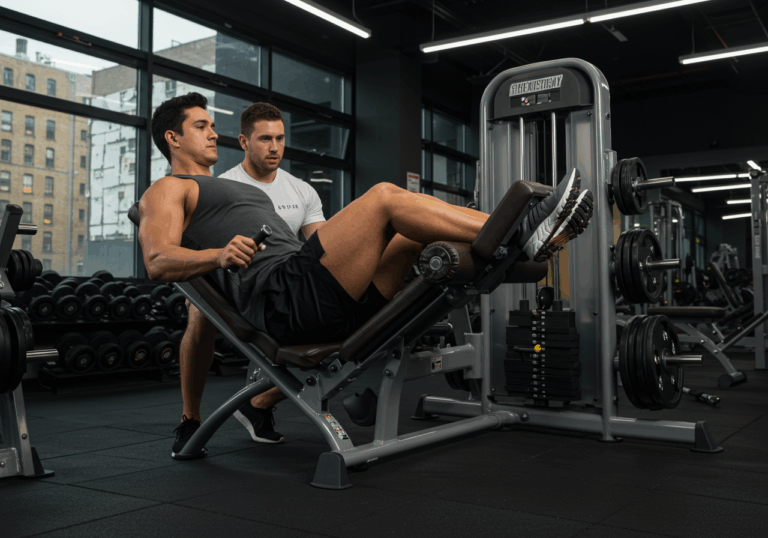
| Machine Shoulder Press | High effort safely | Seat height aligns handles mid-chest | Final sets near failure |
This blueprint supports total body progress. Strong pressing improves pushing strength for daily tasks. It also reinforces core stability.
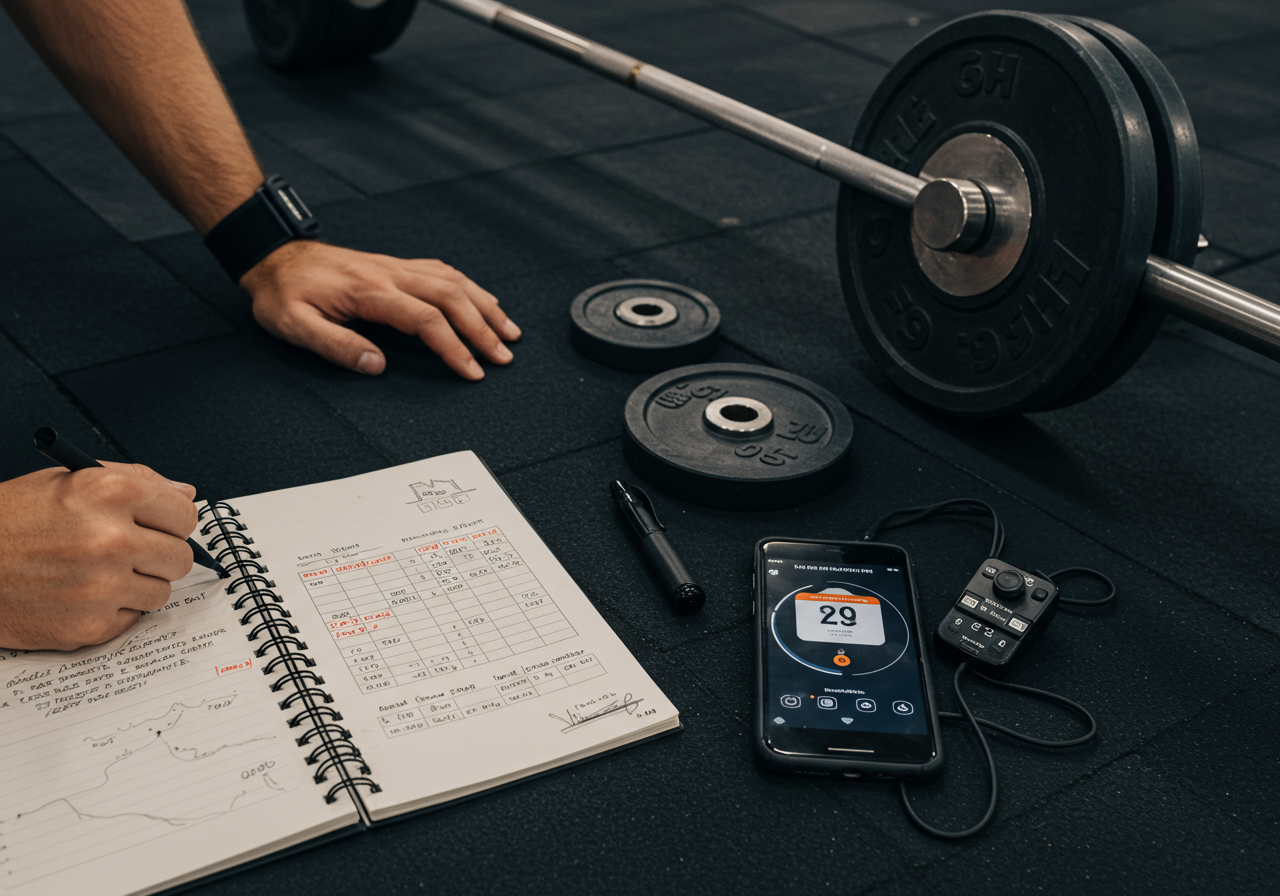
Move weight methodically and track every rep
This section explains how to progress without guessing. You will use volume, intensity, and tempo. You will also manage rest and weekly structure.
I program three rep zones for shoulders. Strength uses 3–6 reps. Hypertrophy uses 6–12 reps. Endurance uses 12–15 reps.
| Movement | Sets x Reps | Rest | Tempo | Target RPE |
|---|---|---|---|---|
| Barbell Overhead Press | 4 x 5 | 150–180 sec | 3-1-1 | 8 |
| Dumbbell Seated Press | 3 x 8–10 | 90–120 sec | 2-1-1 | 8–9 |
| Machine Shoulder Press | 2–3 x 12–15 | 60–90 sec | 2-0-1 | 9–10 |
I increase load by 2–5%. I only add weight when I hit rep targets. I keep one rep in reserve on strength sets.
- Barbell press 4 x 5 at RPE 8.
- Dumbbell press 3 x 10 at RPE 8–9.
- Machine press 2 x 15 at RPE 9–10.
- Rest 2 minutes between hard sets.
I use a metronome app for tempo. I breathe out on the press. I breathe in on the lower.
This progression strengthens the whole system. It teaches control under load. It prepares you for heavier phases later.
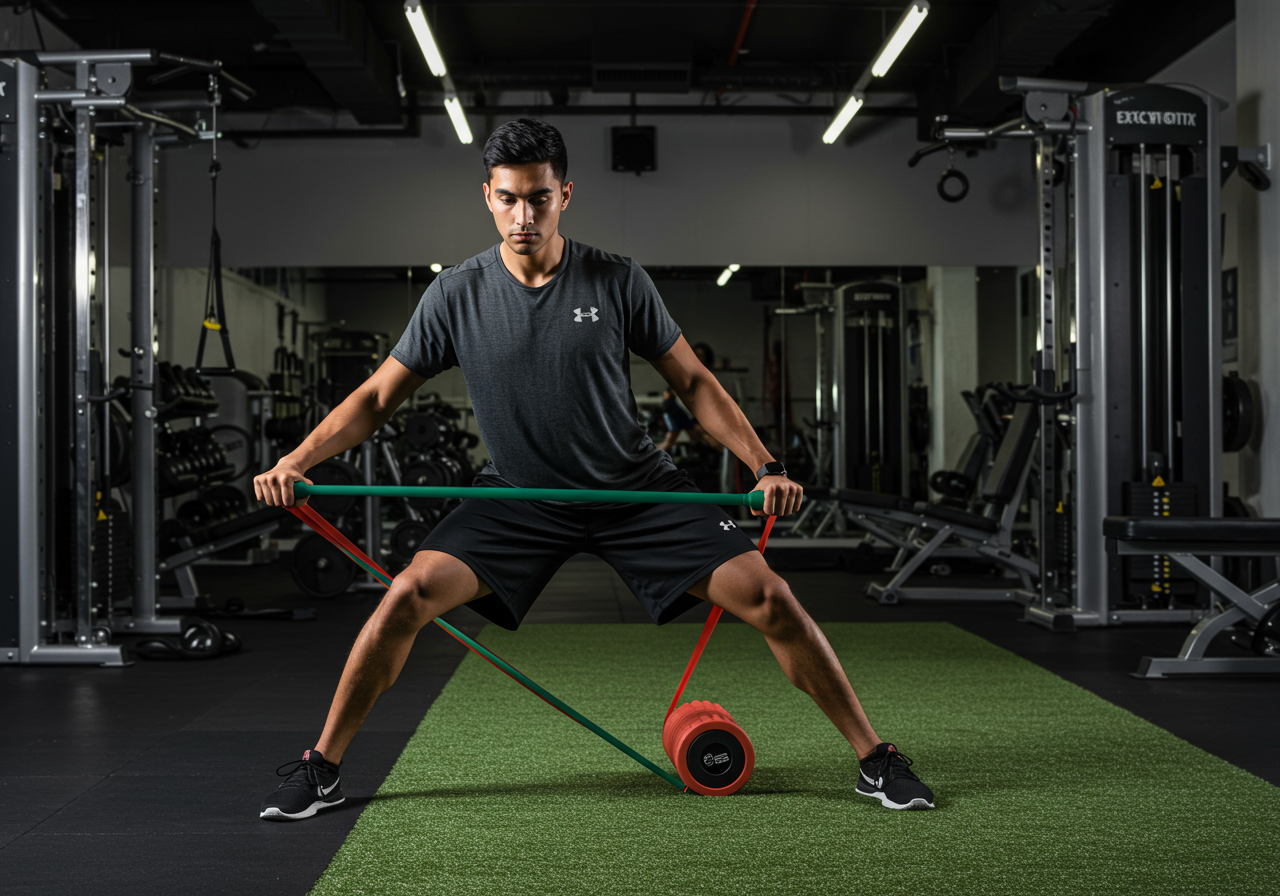
Recover well so your shoulders keep improving
This section guards your progress with smart prep. You will warm up joints and groove mechanics. You will also fuel recovery and sleep consistently.
| Warm-up Step | Details | Time |
|---|---|---|
| Zone 2 cardio | Bike or row at 60–70% max HR | 5 minutes |
| Thoracic opens | Foam roll upper back, then cat-cow | 3 minutes |
| Band external rotations | 2 x 12 each side, slow | 2 minutes |
| Scapular elevators | 1 x 15 face pulls, light | 1 minute |
I learned this the hard way. I once skipped warm-up and felt a sharp pinch. I lost a week of pressing.
- Protein 0.8–1.0 grams per pound body weight.
- Carbs 2–3 grams per pound on training days.
- Fat 0.3–0.4 grams per pound.
- Creatine monohydrate 3–5 grams daily.
- Caffeine 2–3 mg/kg 45 minutes pre-lift if tolerated.
I track calories with MyFitnessPal. I aim for a slight surplus on strength cycles.
I monitor sleep with a Garmin watch. I target 7.5–8.5 hours nightly. I reduce late caffeine.
This recovery system boosts total body vitality. Better sleep and food also improve your leg and back sessions.

Follow this clear plan and adjust by performance
This roadmap shows exactly what to do each week. You will start at your level. You will upgrade when you hit targets confidently.
| Level | Weeks | Main Press | Assistance | Goal |
|---|---|---|---|---|
| Beginner | 1–4 | Dumbbell press 3 x 10 | Machine press 2 x 12–15 | Learn form and stability |
| Intermediate | 5–8 | Barbell press 4 x 5 | Dumbbell press 3 x 8–10 | Add strength and muscle |
| Advanced | 9–12 | Barbell wave 5-3-1 | Machine press to near failure | Peak safely |
I increase beginner dumbbells by 2–5 pounds each week. I keep form strict. I progress only when I hit all reps.
I cycle intermediates with a small deload in week eight. I cut volume by 40%. I keep intensity moderate.
- Day 1: Barbell press focus, accessories light.
- Day 3: Dumbbell press focus, lateral raises.
- Day 5: Machine press high reps, cuff work.
I log loads and RPE in a simple spreadsheet. I also record bar speed notes. I tag sessions in Garmin Strength.
I add Zone 2 cycling on rest days. I keep heart rate at 60–70% max for 25 minutes. I track it in Garmin Connect.
This roadmap keeps momentum steady. It also prevents burnout, which helps other lifts progress together.
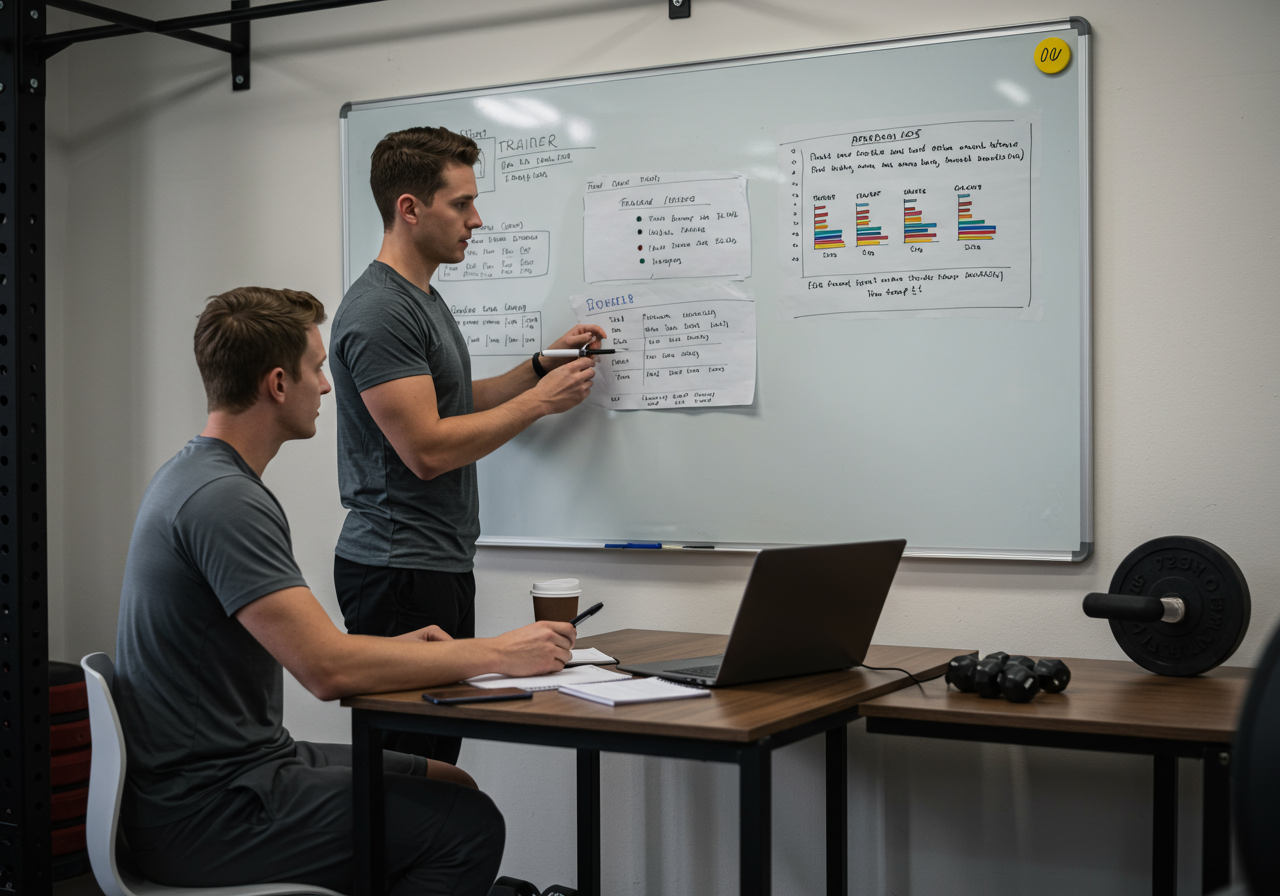
Real outcomes, measured changes, and long-term result interpretation
I validate programs with tracked data and honest feedback. I test on myself first. I then refine with clients across ages.
| Person | Timeline | Starting Press | Updated Press | Other Changes |
|---|---|---|---|---|
| Me (175 lb) | 8 weeks | Barbell 135 x 5 | Barbell 155 x 5 | +0.6 inch shoulder girth |
| Client A, 42F | 10 weeks | DB 20s x 10 | DB 30s x 10 | Pain-free reach overhead |
| Client B, 29M | 6 weeks | Machine 80 x 12 | Machine 120 x 12 | VO2 max +8% via Garmin |
I tracked my heart rate during warm-ups. I stayed in Zone 2 for five minutes. I felt better bar path control.
I logged nutrition in MyFitnessPal. I ate 2,700 kcal with 180g protein. I gained one pound of lean mass by scan.
- “My shoulders finally feel stable.” — Client A
- “The machine finishers built confidence.” — Client B
- “The RPE targets stopped me from overreaching.” — Client C
- Film your top set from the side. Check rib position.
- Beat last week by one rep or two pounds.
| Problem | Likely Cause | Fix |
|---|---|---|
| Plateau at same load | Too little volume | Add one back-off set at RPE 8 |
| Shoulder front pain | Elbows flared | Tuck elbows 20–30 degrees |
| Low motivation | No feedback loop | Set a rep PR target weekly |
| Overtraining signs | Too many near-failure sets | Cap RPE 10 to 2 sets weekly |
I compared approaches for shoulder size. High-effort machine sets improved size faster than extra barbell sets. However, barbell sets improved full-body strength better.
This integrated process lifts your total performance. Strong, healthy shoulders support benching, pull-ups, and daily carrying.