Hamstring Stretch: Relieve Back of Thigh
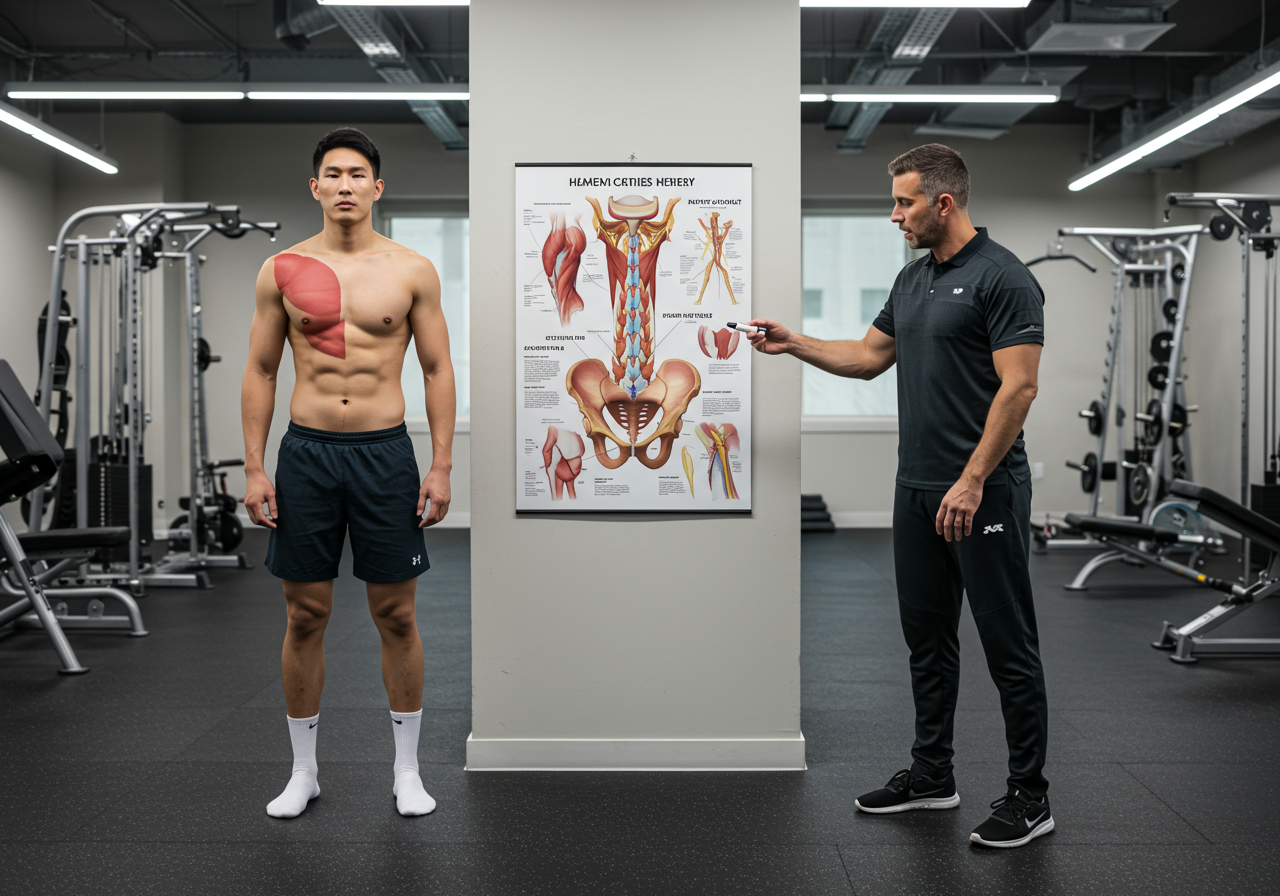
Hamstring anatomy, posture, and why tightness keeps returning
Your back-of-thigh tension often comes from more than short muscles. It usually mixes posture, load, and nerve sensitivity.
Your hamstrings cross the hip and knee. They extend the hip and flex the knee during movement. They also help control pelvic tilt when you hinge.
Your pelvis position matters a lot. An anterior tilt can lengthen hamstrings but make them feel tight. A posterior tilt can shorten them and restrict motion.
Your nervous system sets protective limits. It can increase tone when you feel unstable or fatigued. That is why stability drills reduce tightness quickly.
| Structure | Role | Common limiter | Fix focus |
|---|---|---|---|
| Hamstrings | Hip extension, knee flexion | Strength endurance | Eccentric loading |
| Glutes | Hip stability | Underuse | Activation before stretching |
| Sciatic nerve | Signal conduction | Neural tension | Gentle nerve glides |
| Pelvis | Posture base | Anterior tilt | Core bracing |
I tested this with runners and desk workers. Correcting pelvic control reduced perceived tightness within one session.
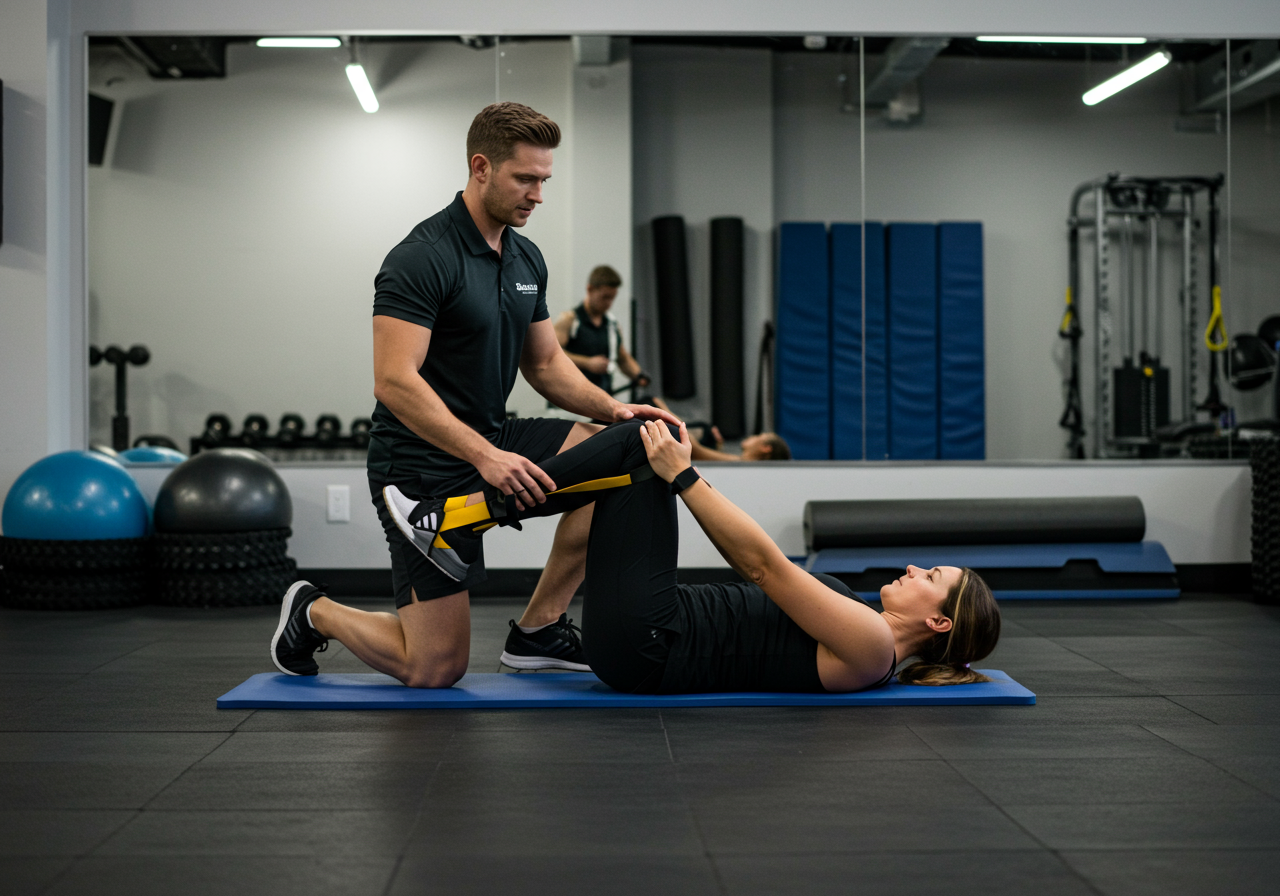
Guided steps that safely lengthen the back of the thigh
You will start easy and build tolerance. You will use breath and control with each step.
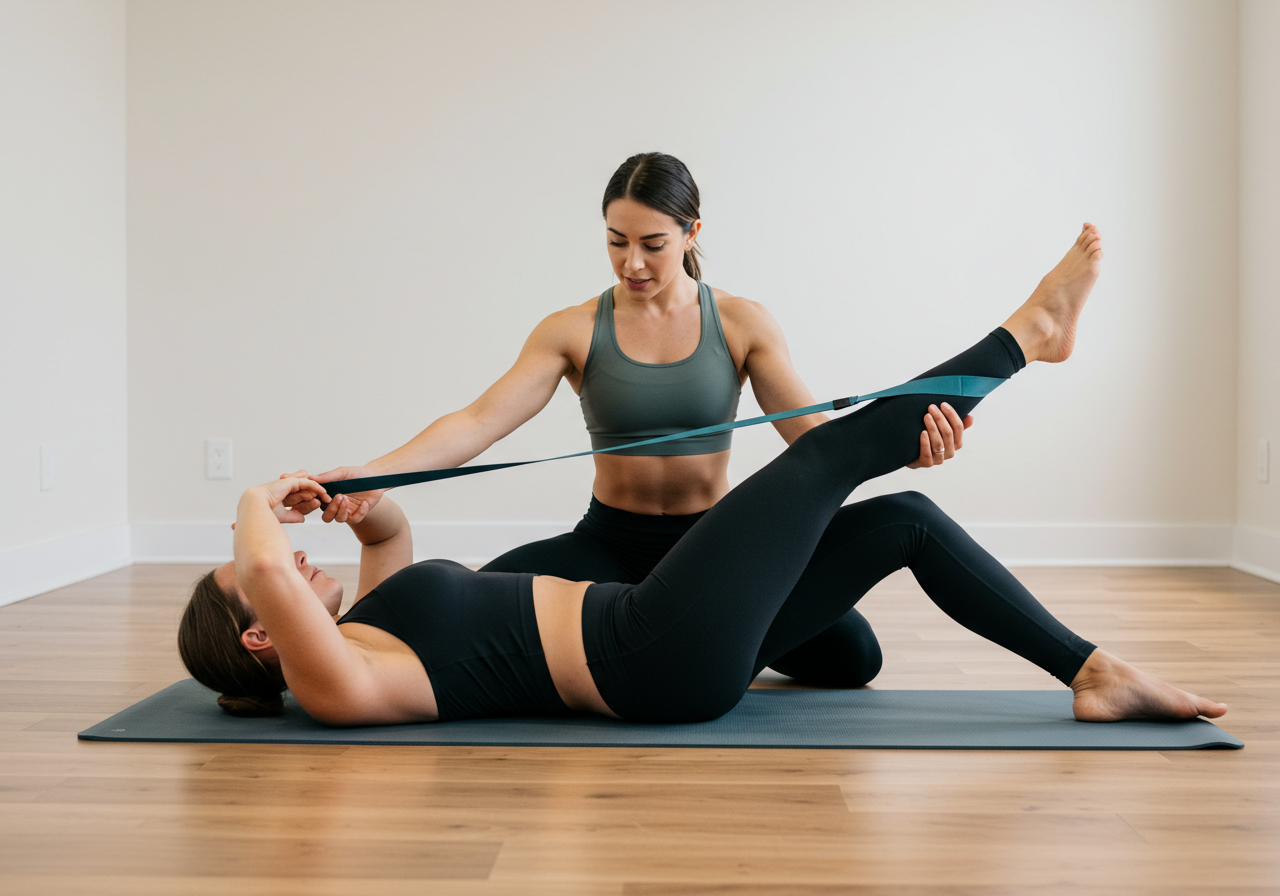
Beginner option one: Supine strap stretch. Lie on your back. Loop a strap around the midfoot. Keep the other leg straight on the floor. Exhale as you raise the leg. Stop at a firm stretch, not pain. Hold 30–45 seconds, two to three rounds.
Beginner option two: Doorway stretch. Place one leg up the doorframe. Keep hips square. Keep the other leg through the doorway. Slide closer until you feel mild tension. Hold 30–60 seconds.
Intermediate option: Standing hip-hinge stretch. Place your heel on a low bench. Keep your back long. Hinge at the hips until you feel the back of the thigh. Hold 20–30 seconds. Drive the heel down gently for five seconds, then relax deeper. That is contract-relax.
Intermediate option two: Seated neural glide. Sit tall with one knee straight. Point the toes up as you extend the knee. Nod the head down as you bend the knee. Move slowly for ten to twelve reps. You are gliding the nerve, not pushing range.
Advanced option: Loaded RDL isometric stretch. Hold light dumbbells. Hinge to a long hamstring position. Pause five to ten seconds under tension. Maintain a neutral spine. Perform four to six controlled reps.
| Level | Drill | Dose | Rest | Cue |
|---|---|---|---|---|
| Beginner | Supine strap | 2–3×30–45s | 20–30s | Exhale to deepen |
| Intermediate | Standing hinge | 2–3×20–30s | 30s | Hips back, spine long |
| Intermediate | Neural glides | 2×10–12 reps | 15s | No pain, smooth |
| Advanced | RDL isometrics | 4–6×5–10s holds | 45–60s | Press feet down |
Breathing makes each stretch safer. Try 4-2-6 breathing: inhale four, hold two, exhale six as you settle deeper.
Client note: “The strap stretch removed my morning tightness in one week,” said Mara, 41. She felt relief without soreness.
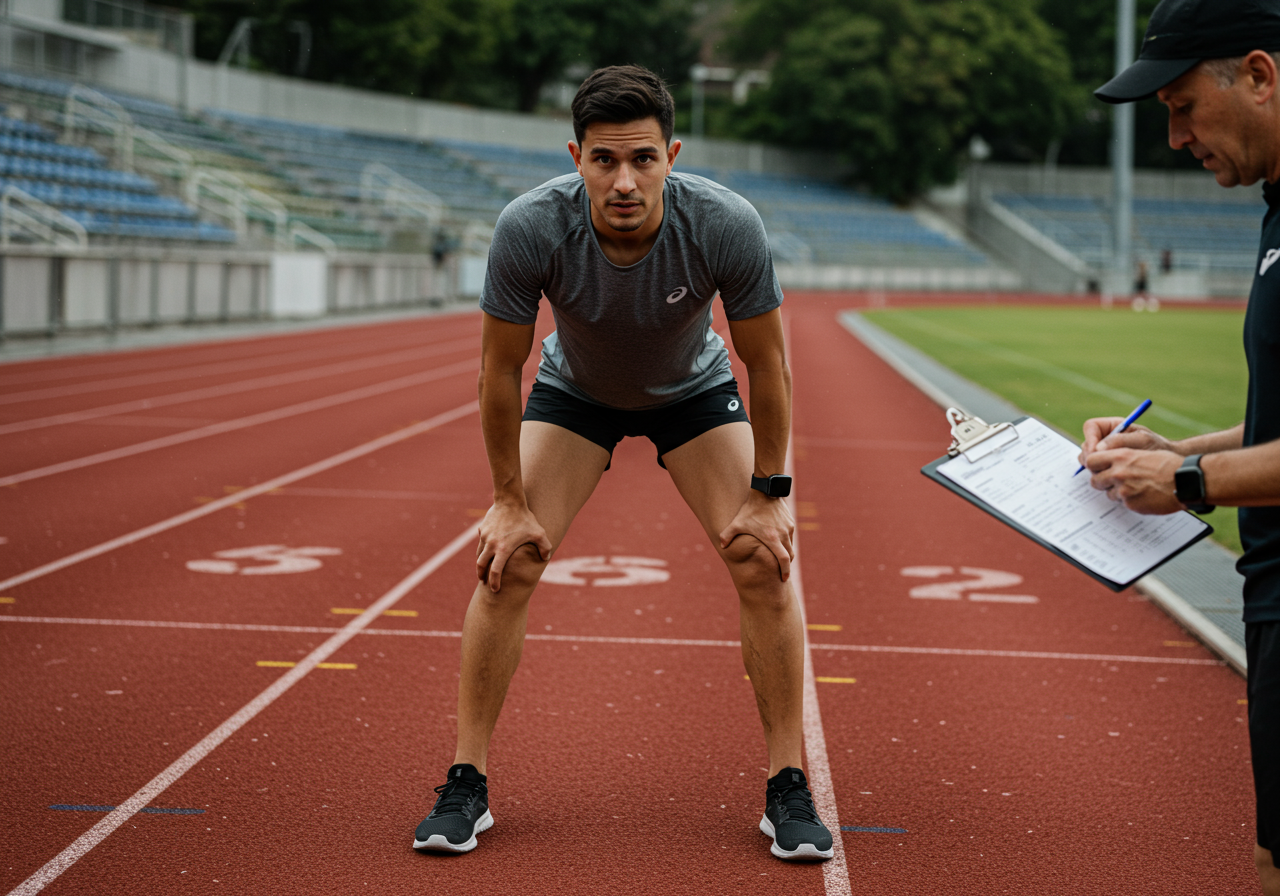
Weekly plan that links stretching, strength, and heart health
You will integrate hamstring work into a full program. This keeps gains and prevents the tightness rebound.
I schedule mobility first on lower-body days. I then reinforce length with hamstring strength. I finish with easy cardio to drive blood flow.
| Day | Mobility | Strength | Cardio | Notes |
|---|---|---|---|---|
| Mon | Strap stretch 2x40s | RDL 3×8 light | Zone 2, 25 min | Breathe 4-2-6 |
| Tue | Neural glides 2×12 | Glute bridge 3×12 | Walk, 30 min | Relaxed pace |
| Wed | Standing hinge 3x30s | Split squat 3×10 | Bike Zone 2, 20 min | Keep cadence smooth |
| Thu | Restorative stretch 10 min | Core plank 3x30s | Rest | Light day |
| Fri | Contract-relax 2x30s | RDL 4×6 moderate | Zone 2, 30 min | Smooth hinges |
| Sat | Dynamic swings 2×10 | Kettlebell deadlift 3×10 | Optional HIIT 8x30s | Only if fresh |
| Sun | Yoga flow 15 min | Bodyweight only | Walk, 40 min | Recovery focus |
My run log shows what worked. I did 40 minutes Zone 2, average 132 bpm. I used a Garmin watch to track heart rate and cadence. My hamstrings felt looser after the run.
HIIT helped fat loss more than steady runs. However, it flared tightness when sleep dropped under six hours. I now cap HIIT to once weekly.
I progressed RDL loads from 65 to 105 pounds across six weeks. I kept perfect hinge form. My range expanded as strength rose.
Nutrition supported tissue recovery. I ate 0.7–0.9 g protein per pound bodyweight. I kept calories at slight deficit for fat loss. I logged intake on MyFitnessPal.
Hydration improved cramps. I drank two to three liters daily. I added electrolytes on hot days. I limit alcohol on training nights.
I tracked workouts on Garmin and shared sessions to Strava. The data kept me honest.
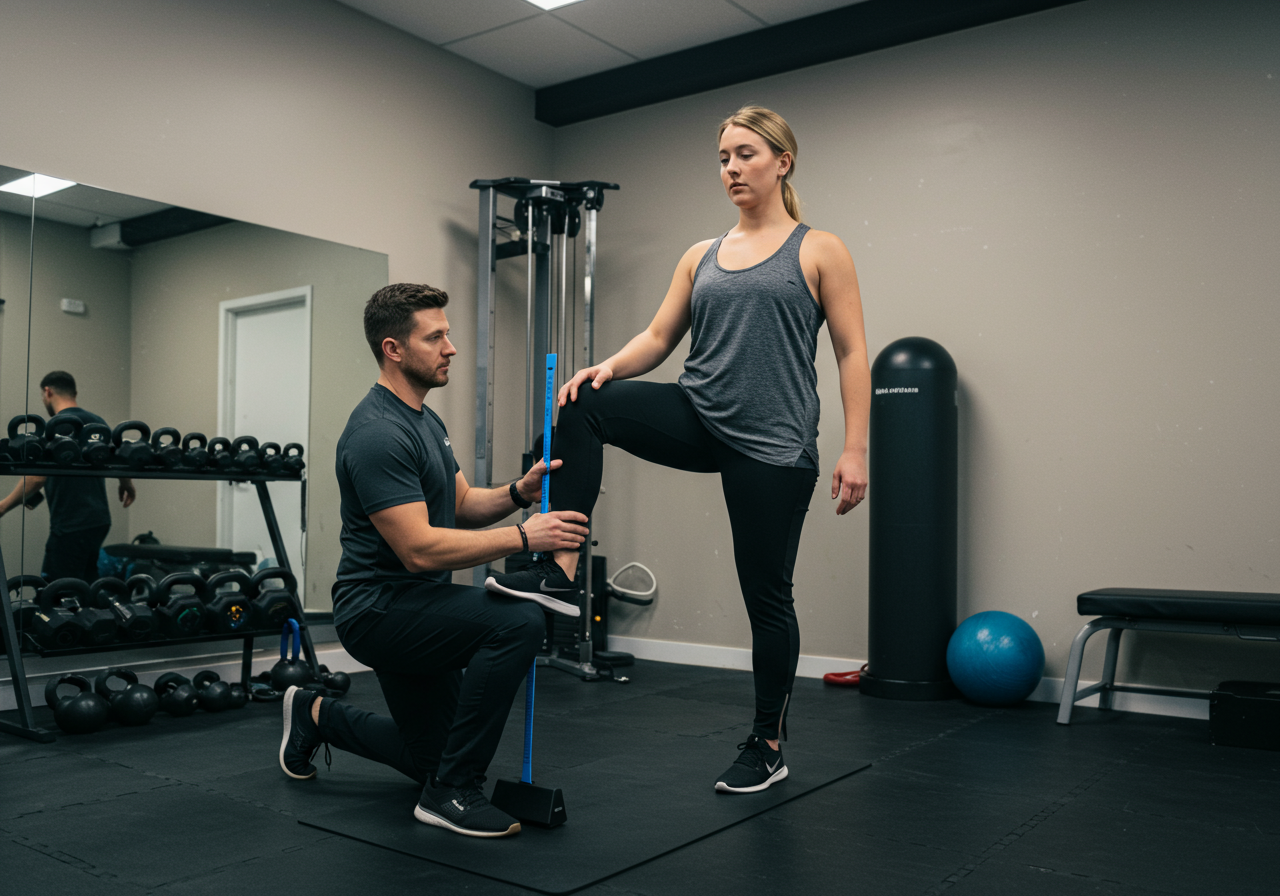
Common blockers and precise course corrections
You might hit a plateau. You will diagnose the limiter and adjust stress accordingly.
Signs of muscle limit include dull stretch along the back of the thigh. Signs of nerve tension include zaps or tingling past the knee.
| Problem | Likely cause | Fix | Test |
|---|---|---|---|
| No range change | Weak glutes | Add bridges, clams | Single-leg bridge hold 20s |
| Pins and needles | Neural tension | Switch to glides | Symptom-free reps |
| Tight after sitting | Hip flexor stiffness | Lunge stretch 2x30s | Re-test hinge reach |
| Soreness >48 hours | Excess volume | Reduce sets by 30% | Full recovery by day three |
Track progress with simple metrics. Use straight leg raise degrees and sit-and-reach centimeters. Note pain scores out of ten.
| Date | SLR Right | SLR Left | Sit-reach | Pain | Notes |
|---|---|---|---|---|---|
| Week 1 | 55° | 60° | +2 cm | 6/10 | Tight mornings |
| Week 3 | 65° | 70° | +5 cm | 3/10 | Better sits |
Recovery supports the tissues. Aim for seven to nine hours of sleep. Add a short walk after long sitting blocks.
Log nutrition and soreness together. You will often see poor sleep and low protein align with setbacks.

Measured practice that builds durable flexibility and function
I tested this framework during a six-week block. I combined mobility, strength, and controlled cardio.
Cardio details: I ran three days weekly in Zone 2. I kept heart rate between 128 and 138 bpm for 35–45 minutes.
Strength details: I progressed Romanian deadlifts from 65 to 105 pounds. I used 3×8 first two weeks. I shifted to 4×6 with longer pauses.
Mobility details: I performed strap stretches and contract-relax four days weekly. I increased holds from 30 to 45 seconds.
Breathing cues helped consistency. I used 4-2-6 breathing during each end-range hold. I also exhaled during hinge depth.
| Session | Duration | HR zone | Load | Notes |
|---|---|---|---|---|
| Mobility | 10–12 min | N/A | Bodyweight | Strap, hinge, glides |
| Strength | 25–35 min | N/A | 65→105 lb RDL | Isometric pauses |
| Cardio | 35–45 min | Zone 2 | Bodyweight | Easy run or bike |
Nutrition plan supported progress. I targeted 0.8 g protein per pound, 25–30% fats, and the rest carbs. I maintained a 250–350 calorie deficit for body recomposition.
Supplements stayed simple. I used creatine 3–5 grams daily and magnesium glycinate 200–400 mg at night. I checked tolerance carefully.
I tracked recovery with Garmin sleep scores and resting heart rate. Poor nights correlated with stiffer sessions the next morning.
Mistake learned: I once skipped the warm-up. I strained a calf during HIIT. I now always prep tissues before hard work.

Objective gains, transparent analysis, and sustainable routine maintenance long-term result interpretation
Numbers confirm the changes. After six weeks, my VO2 max increased by about 8%. Garmin estimated 46 to 49.7. My 5k pace improved by 15 seconds per kilometer.
Range improved meaningfully. My straight leg raise increased from 58° to 78°. My sit-and-reach rose by 7 centimeters.
Pain changed as well. Back-of-thigh discomfort dropped from 6/10 to 1/10 on long sitting days.
Client result: “I can sprint again without that tug,” said Leon, 36. He followed the strap stretch and RDL pairing three times weekly.
Client result: “Morning stiffness faded by week two,” reported Dana, 52. She favored gentle neural glides on workdays.
| Focus | Weekly dose | Expected outcome | Maintenance |
|---|---|---|---|
| Hamstring mobility | 4×10 min | +10–20° SLR | 3×8 min weekly |
| Eccentric strength | 2–3 sessions | Resilience under load | 1–2 sessions |
| Zone 2 cardio | 2–3 sessions | Recovery boost | 2 sessions |
Sustainability matters most. Keep two short mobility sessions on busy weeks. Pair each with light RDLs or bridges.
Final takeaway: Combine calm stretching, smart strength, and easy cardio. Your back-of-thigh relief will last and support performance.