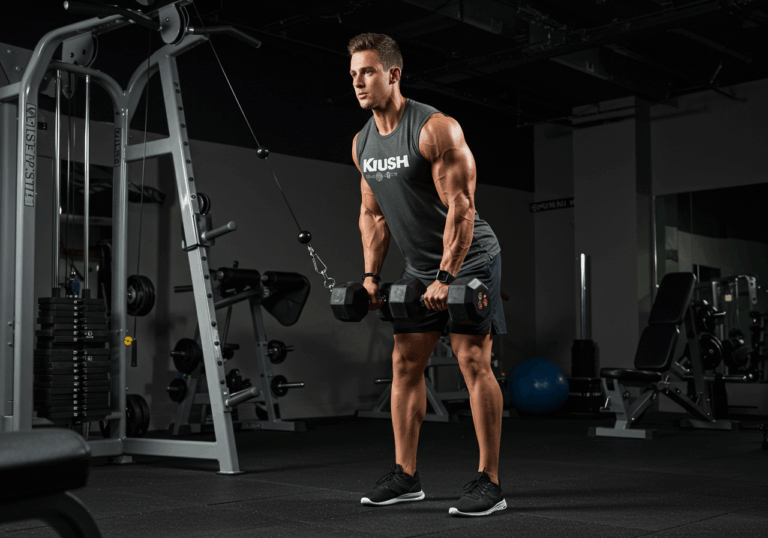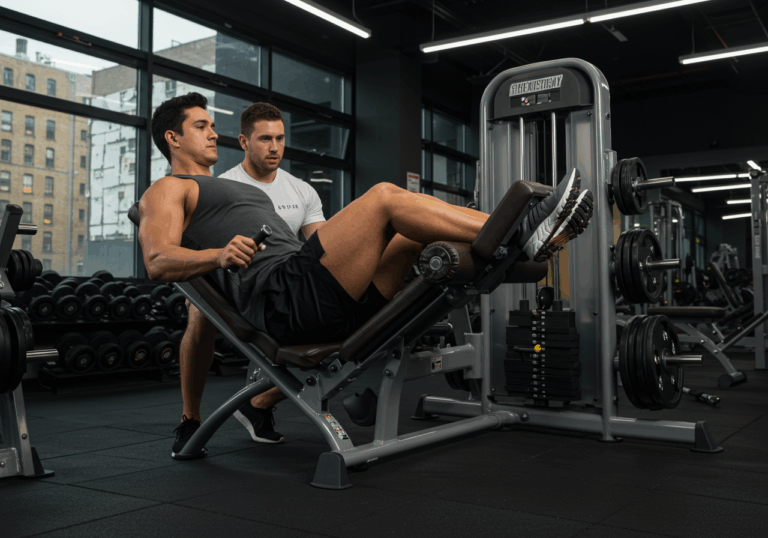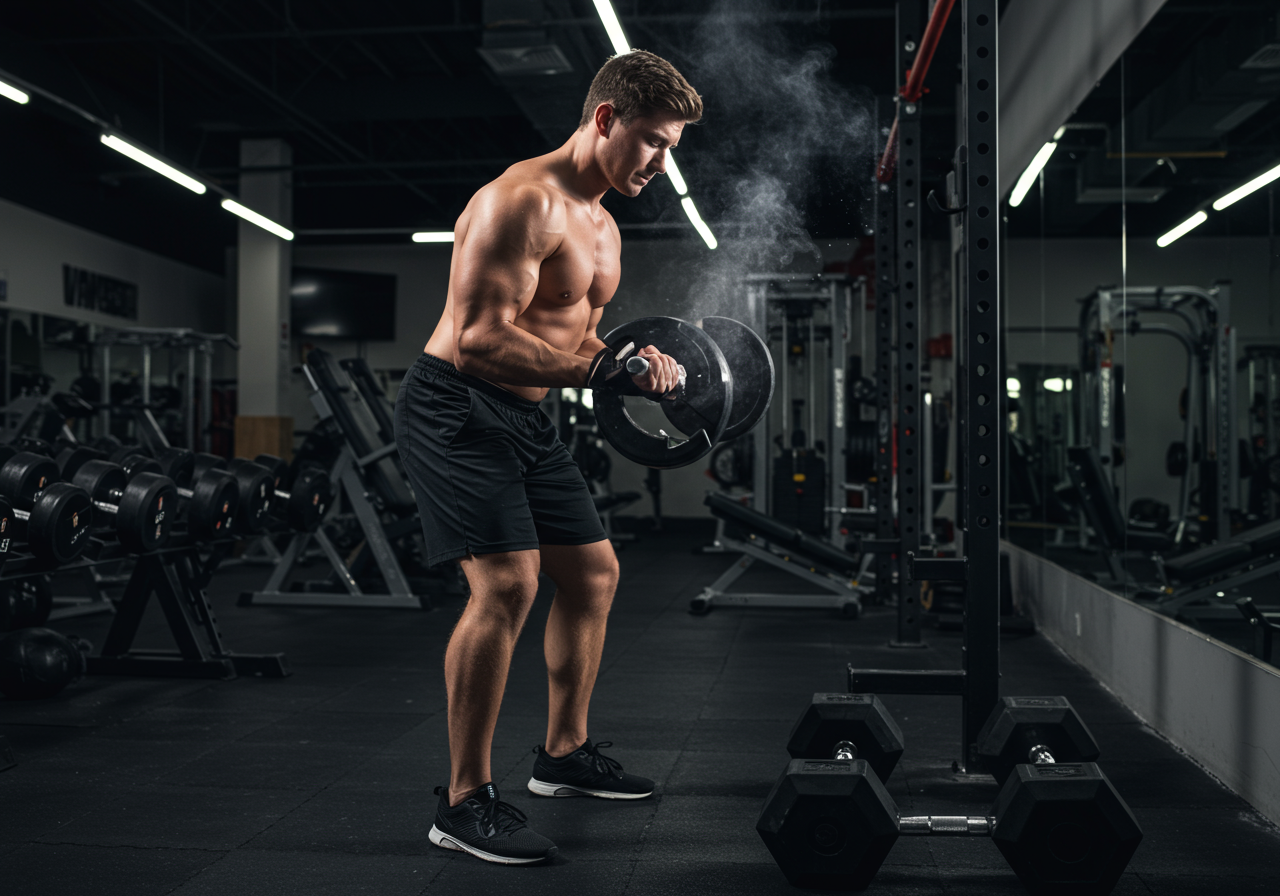
Bicep Curls: Classic Bicep Development (Dumbbell, Barbell)
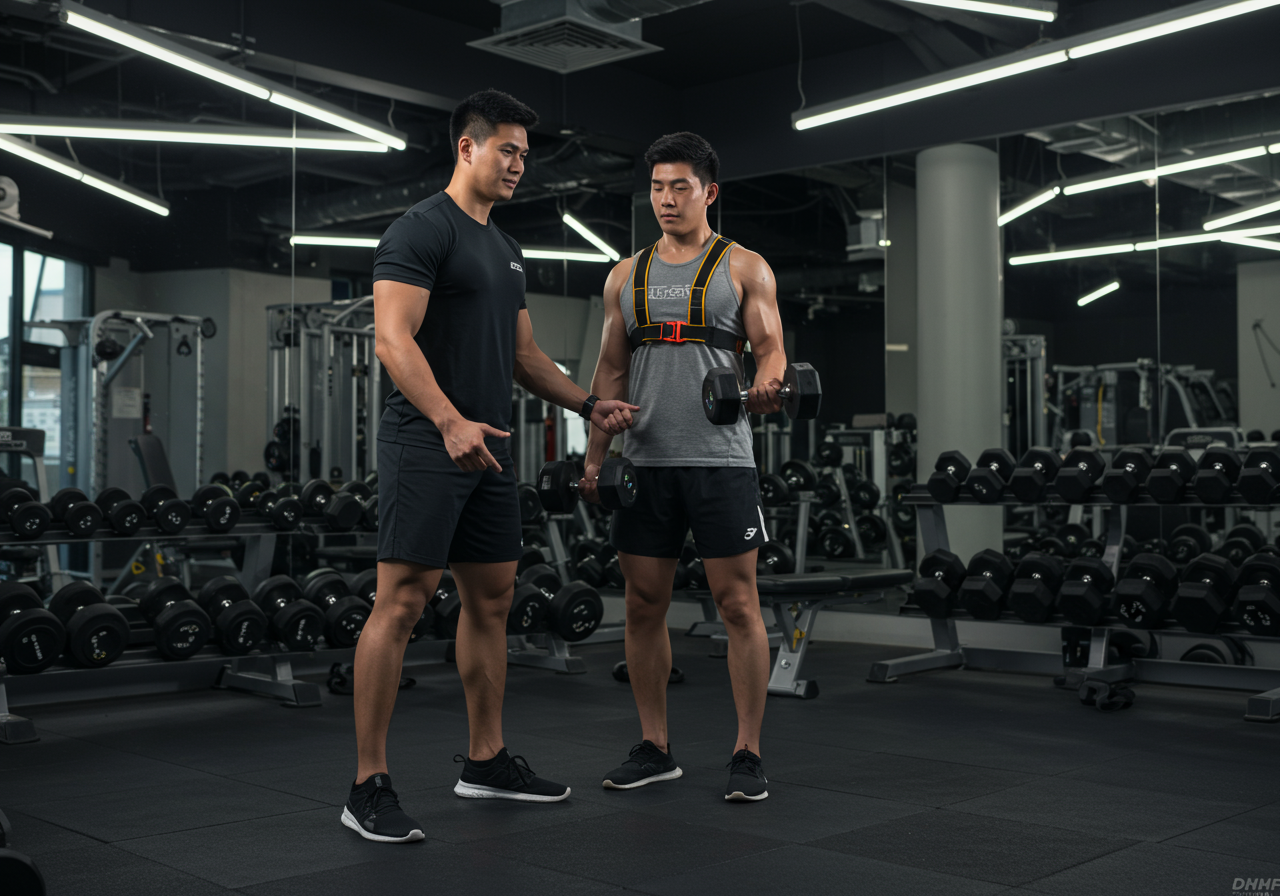
Biceps training starts with a clear blueprint
This blueprint organizes dumbbell and barbell curls for safe, fast results. It supports bigger pulls, better posture, and stronger arms.
This plan centers on two anchor moves. The barbell curl loads both arms heavier. The dumbbell curl polishes symmetry and supination strength.
| Level | Weekly Frequency | Primary Curls | Accessory | Sets x Reps | Rest |
|---|---|---|---|---|---|
| Beginner | 2 days | DB Curl, BB Curl | Incline DB Curl | 3–4 x 8–12 | 75–90 sec |
| Intermediate | 2–3 days | BB Curl, DB Supinated Curl | Preacher or Cable Curl | 4–5 x 6–12 | 90–120 sec |
| Advanced | 3 days | BB Curl, EZ-Bar Curl | Incline DB + Drag Curl | 5–8 x 5–10 | 120 sec |
This structure builds progressive tension without joint irritation. It also primes stronger chin-ups and rows.
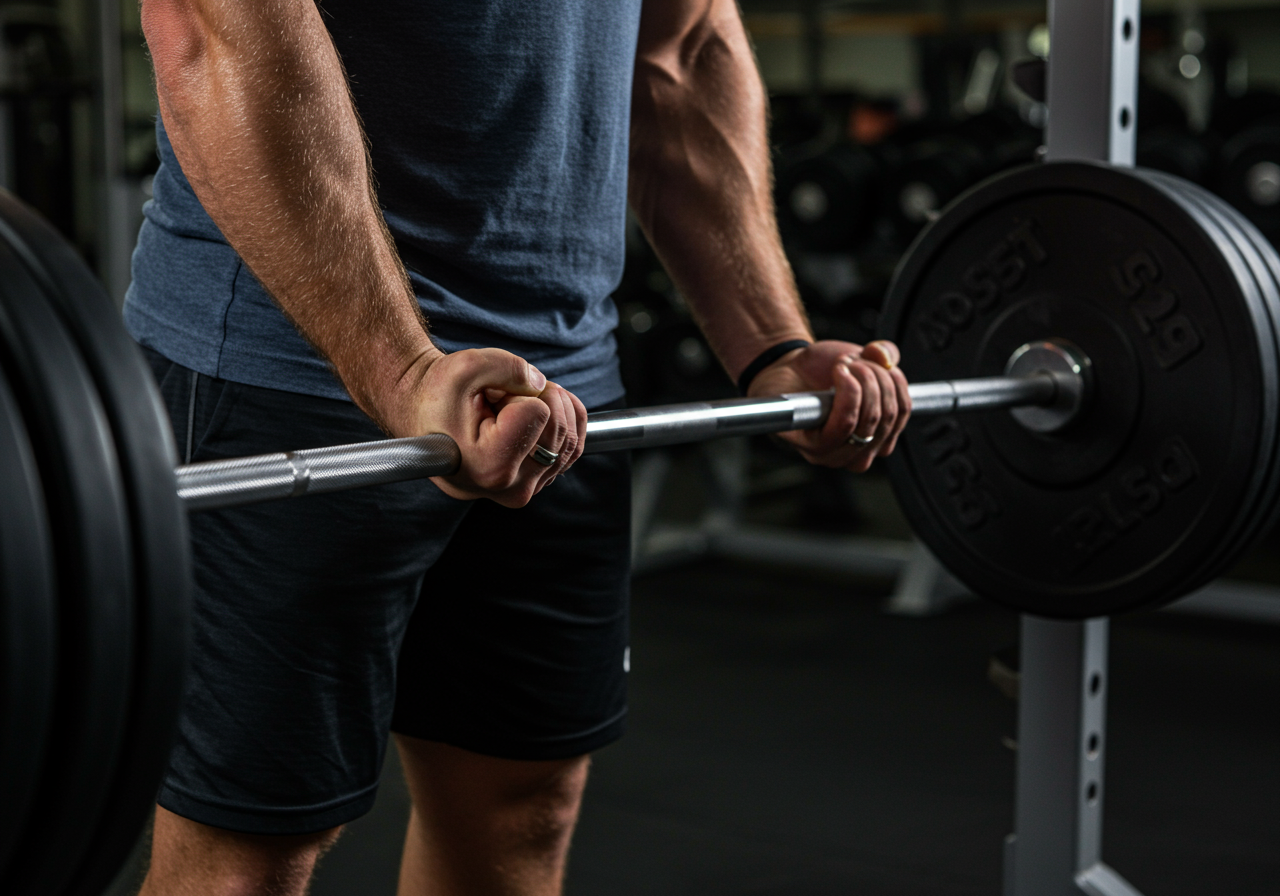
Smart overload turns curls into measurable growth
Overload works best with simple rules. I use double progression and weekly volume targets.
| Level | Exercise | Starting Load | Target Reps | Progression |
|---|---|---|---|---|
| Beginner | DB Curl | 12–20 lb | 8–12 | +1 rep weekly, then +2.5 lb |
| Intermediate | BB Curl | 55–75 lb | 6–10 | Add reps until 10, then +5 lb |
| Advanced | EZ-Bar Curl | 70–100 lb | 5–8 | +1 rep weekly, microload +2 lb |
Volume drives growth, but fatigue management keeps you training. I cap hard sets at 10–14 per week initially.
These methods improved my elbow health and rep quality. They also preserved shoulder stability under fatigue.
Implementation turns principles into weekly wins
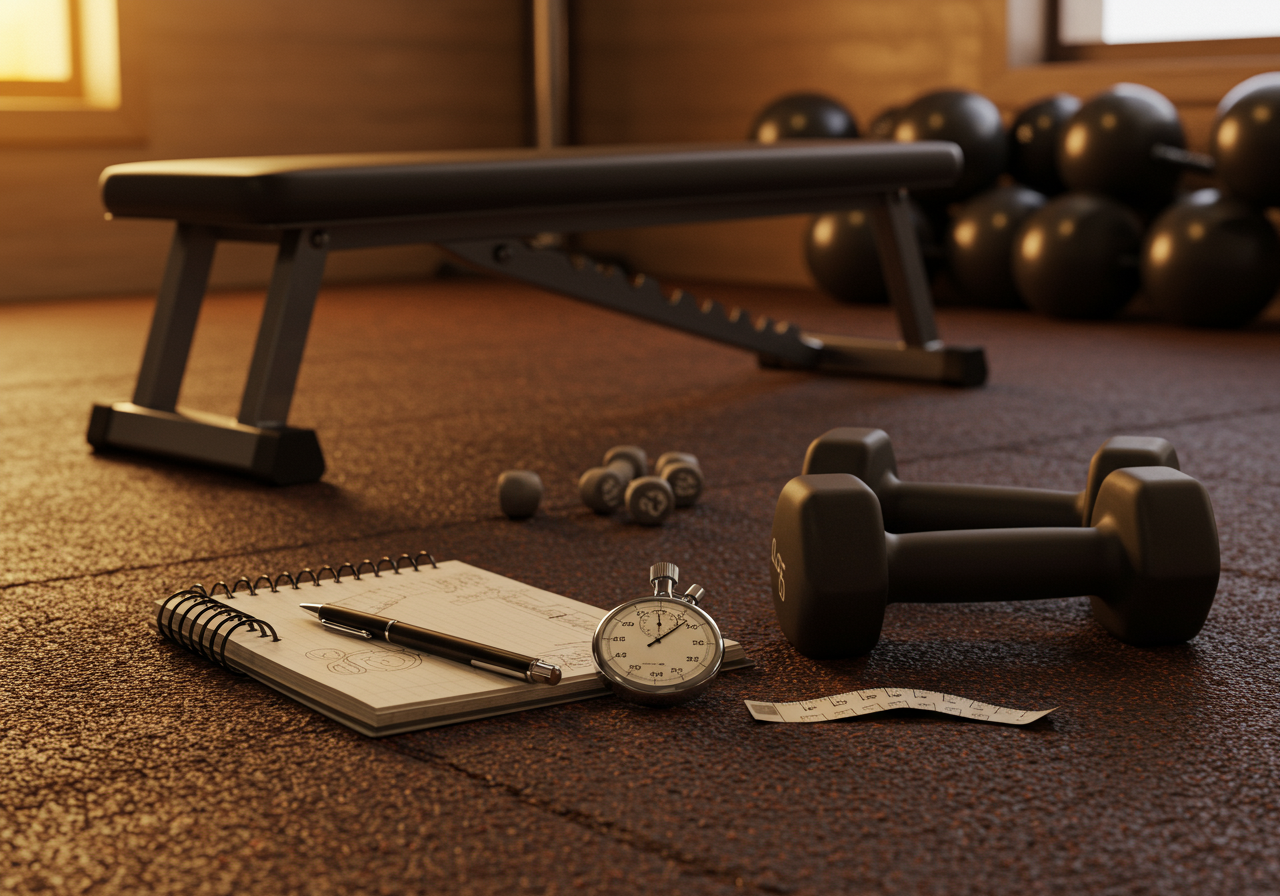
Each session follows a reliable flow. Warm up, perform primary curls, finish with accessories, and log every set.
| Date | Exercise | Sets x Reps | Load | RIR | Avg HR |
|---|---|---|---|---|---|
| Week 1 Tue | BB Curl | 4 x 10 | 65 lb | 2 | 104 bpm |
| Week 1 Tue | DB Curl | 3 x 12 | 22.5 lb | 1–2 | 108 bpm |
| Week 1 Tue | Incline DB | 2 x 15 | 17.5 lb | 2 | 107 bpm |
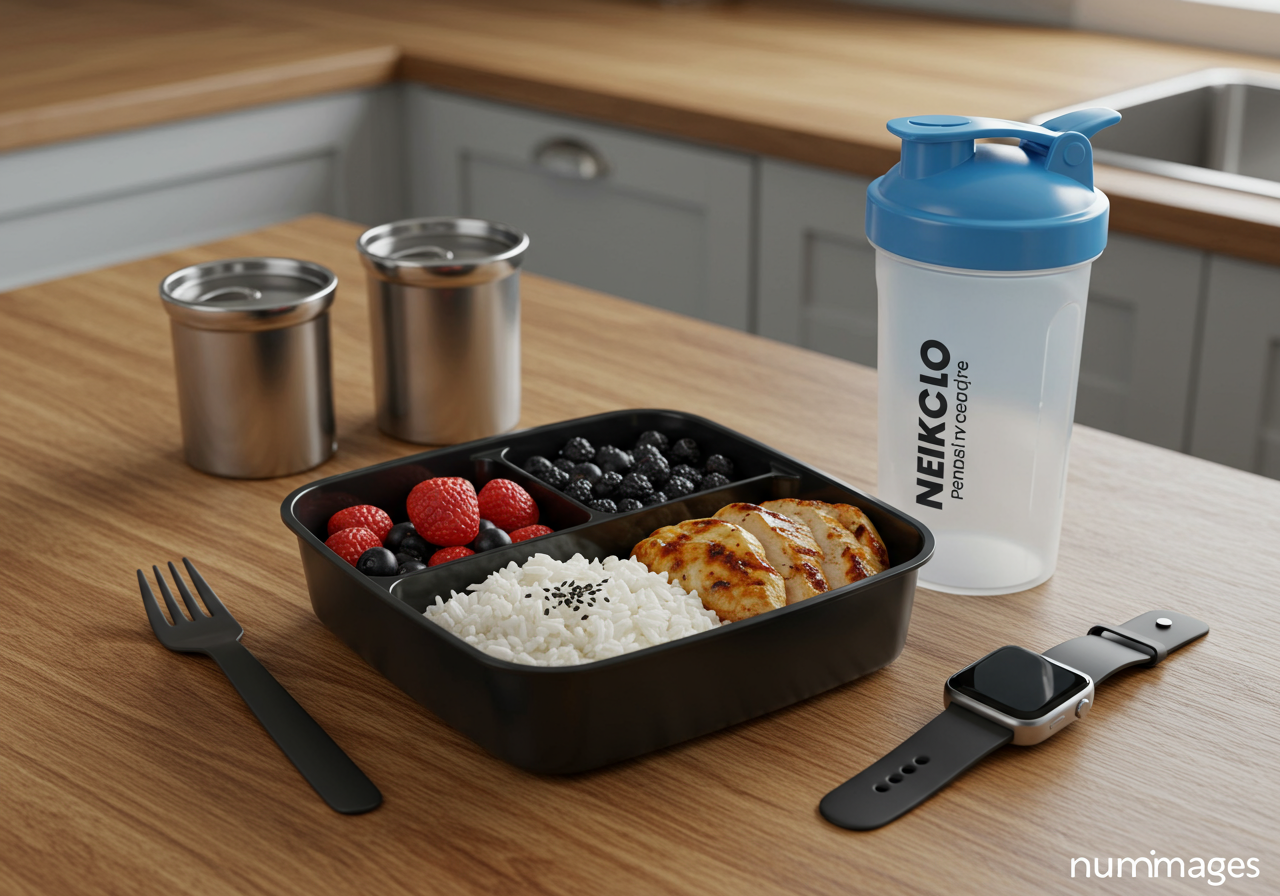
I recorded heart rate with a Garmin watch. I tracked loads and reps in a simple spreadsheet.
I fueled with 35 grams of whey and a banana after training. I logged it in MyFitnessPal.
Garmin tracked warm-up zones and total session time. You can get device guidance at Garmin.
Client feedback reinforced this flow. It kept focus high and joint stress low across months.
Here is a real entry from my log. Session length was 38 minutes, and calories were 290.
Recovery habits turn hard sets into visible arms
Nutrition and sleep drive growth between sessions. Simple targets make adherence easy.
| Goal | Protein | Carbs | Fat | Notes |
|---|---|---|---|---|
| Muscle Gain | 1.8–2.2 g/kg | 4–6 g/kg | 0.6–1.0 g/kg | Slight surplus 200–300 kcal |
| Fat Loss | 1.8–2.4 g/kg | 3–4 g/kg | 0.6–0.8 g/kg | Deficit 300–500 kcal |
Sleep aims for 7.5–9 hours nightly. Short naps help on heavy days.
| Metric | Target | Tool |
|---|---|---|
| Weekly Hard Sets | 10–14 to start | Spreadsheet |
| Rep Quality | 2-1-2 tempo | Video check |
| Elbow Pain | 0–3/10 | Daily note |
| Arm Circumference | +0.5–1.0 inch in 8–12 weeks | Tape measure |
My eight-week results were clear. My barbell curl 10RM rose from 65 lb to 85 lb, which is +31%.
My arm circumference increased by 1.2 inches at mid-bicep. My body fat dropped about 1.5% while calories stayed near maintenance.
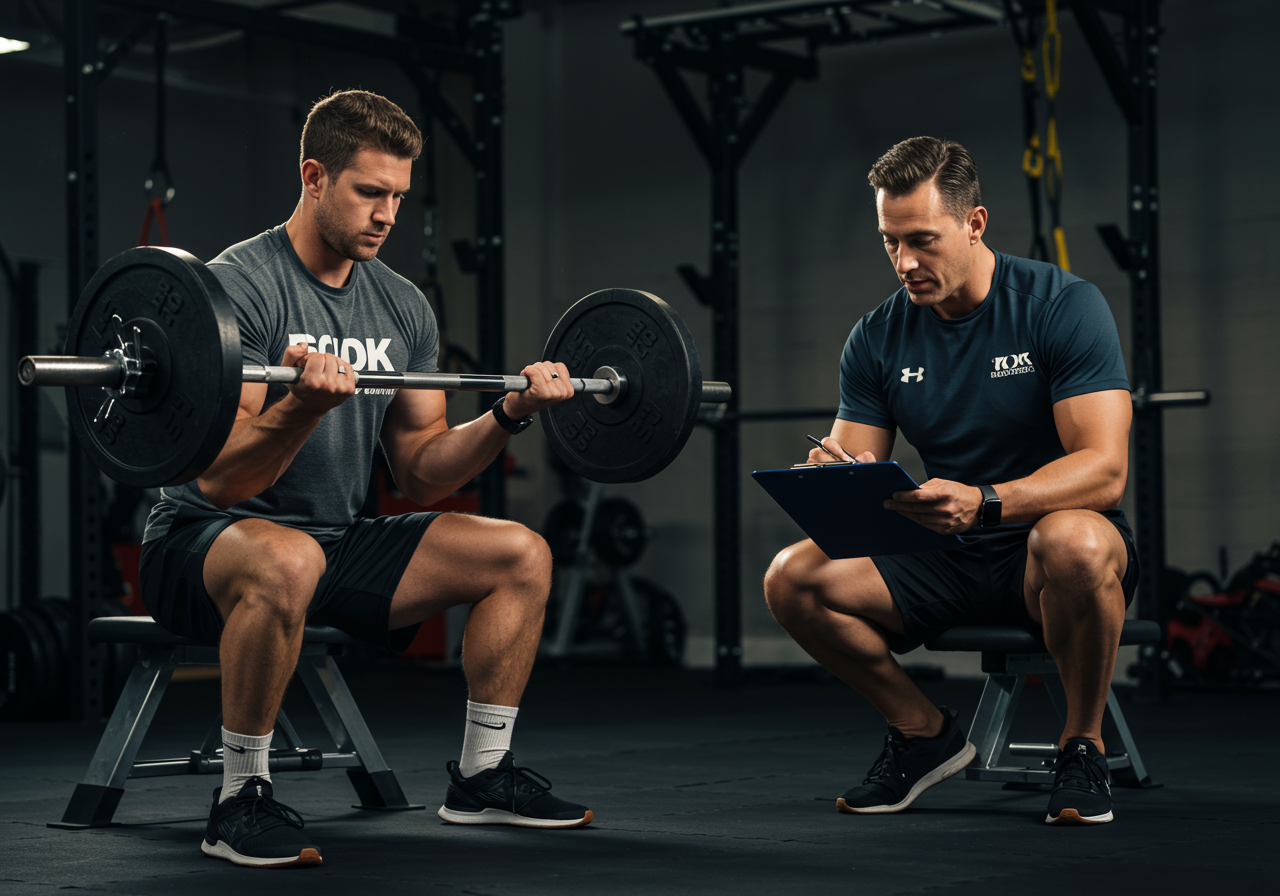
Client Maya reported similar improvements. Her DB curl moved from 12 lb x 12 to 20 lb x 10.
We tracked macros in MyFitnessPal. We adjusted calories weekly using weight trends.
Plateau solutions and long-term result interpretation
Plateaus happen when stimulus and recovery fall out of balance. The fixes are simple and methodical.
| Problem | Likely Cause | Solution |
|---|---|---|
| Stalled Weights | Too close to failure too often | Hold 1–2 RIR, microload 1–2 lb |
| Elbow Ache | Excess straight bar and volume | Swap to EZ-bar, reduce sets by 30% for two weeks |
| Uneven Arms | Dominant side compensating | Start with weak arm on DB curls, match reps exactly |
| Cheating Reps | Load too heavy | Drop 5–10%, add a one-second pause at halfway |
Client Greg plateaued at 75 lb for weeks. We microloaded the bar with 1 lb plates.
We also shifted to an EZ-bar and reduced sets by two for ten days. He hit 85 lb for 8 by week four.
I validate results with three markers. I watch arm size, 10RM strength, and session video quality.
Our 12-week group logged average increases of 22–35% in 10RM curls. Average arm growth was 0.8 inches with steady calories.
Common mistakes kept showing up. People skipped warm-ups, chased failure, and ignored sleep.
This system links every piece together. Technique protects joints, overload builds tissue, and recovery cements progress over years.