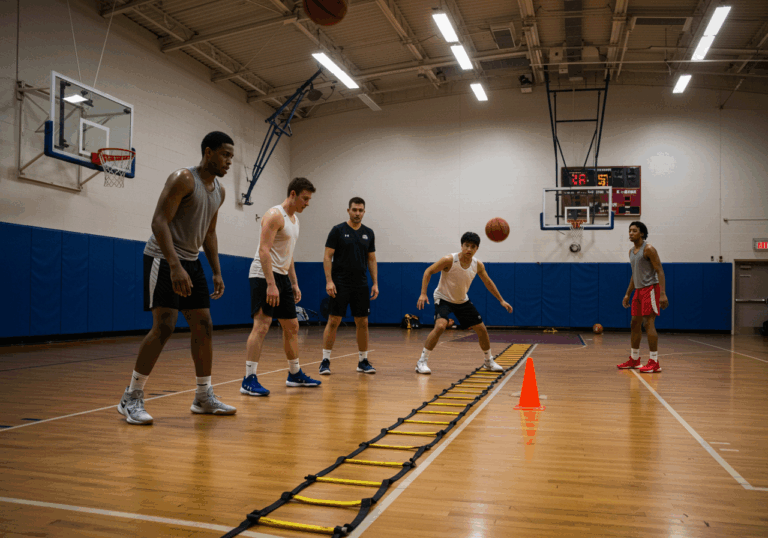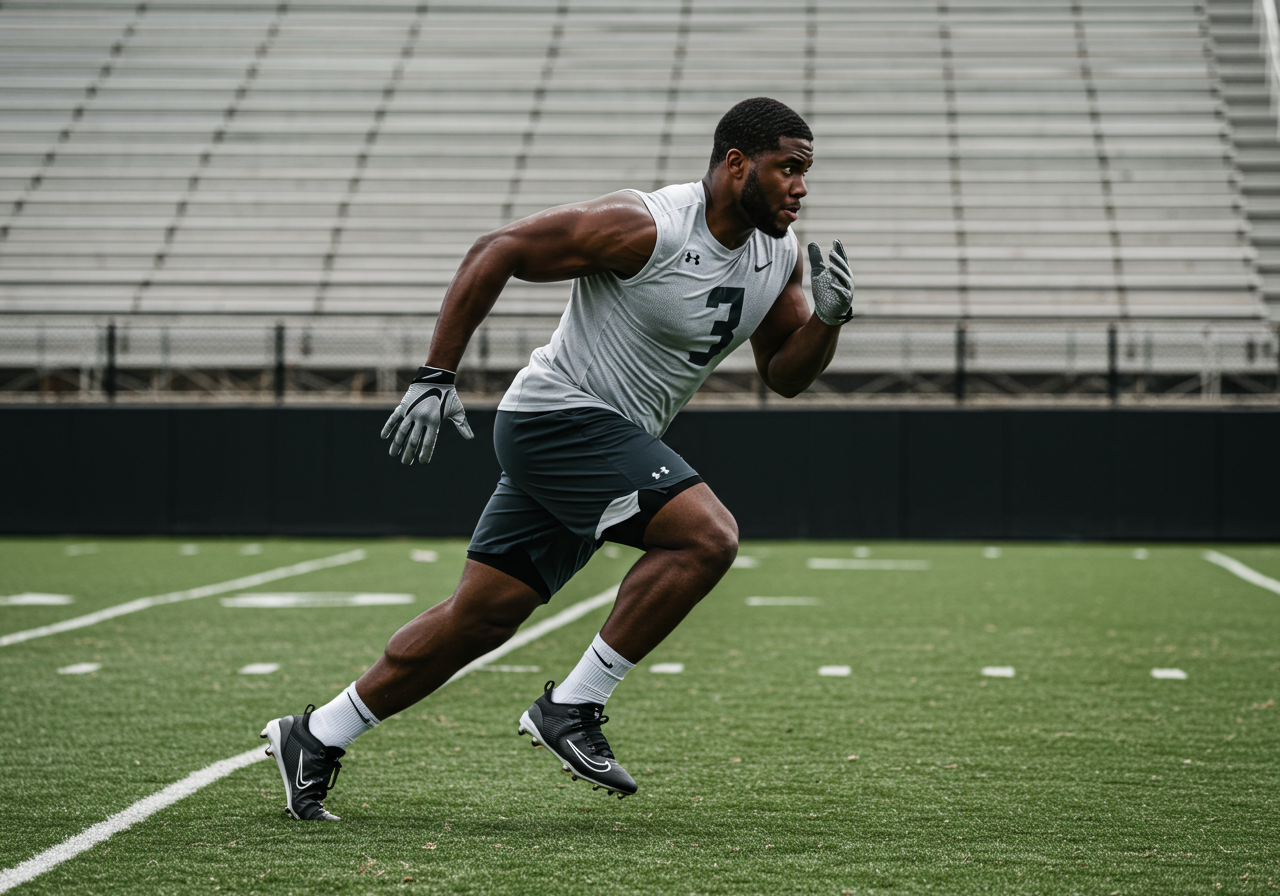
American Football: Demands Tough Physique
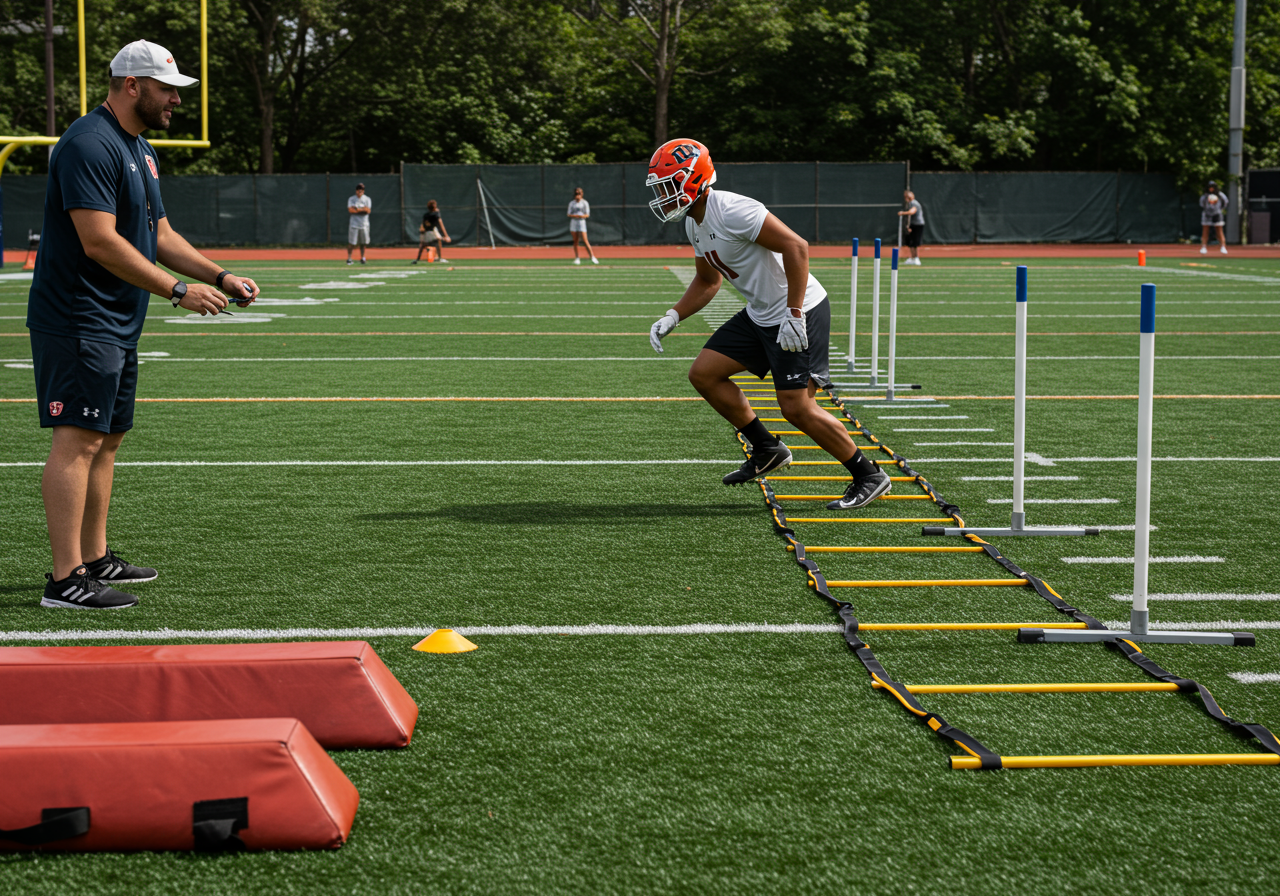
Field skill development builds the rugged body football demands
American football rewards sharp skills before raw strength. Start by fixing acceleration, change of direction, and contact skills.
However, beginners often rush strength and ignore footwork. Your joints then absorb forces your muscles should manage.
- Explosive triple extension drives acceleration: ankles, knees, hips extend together.
- Low pad level wins leverage. Hips stay lower than chest.
- Violent hips and hands decide contact. Move first and finish hard.
- Stiff, stable trunk transfers force. Brace before every hit or cut.
- Posterior chain powers speed. Glutes and hamstrings fuel sprint starts.
| Drill | Sets x Reps/Time | Rest | Coaching cues |
|---|---|---|---|
| Falling starts (10 m) | 6 x 1 | 60–90 sec | Lean forward, punch knee, drive arms. |
| A-skips | 3 x 20 m | 45 sec | Snap down under hips. |
| 5-10-5 shuttle | 5 x max speed | 90 sec | Sink hips, push away, eyes forward. |
| Mirror shuffle | 4 x 20 sec | 60 sec | Chest tall, feet quiet, react fast. |
| Hand strike on pad | 5 x 5/side | 45 sec | Thumbs up, elbows in, snap hips. |
| Tackle fit on bag | 5 x 3 | 60 sec | Eyes up, shoulder contact, wrap tight. |
| Kick-slide pass pro | 6 x 10 m | 45 sec | Wide base, inside hand ready. |
- 2 minutes dynamic warm-up.
- 4 falling starts.
- 2 shuttle runs at 80% speed.
- 20 seconds mirror shuffle.
- Two pad strikes each side.

Integrated planning transforms skills into a durable, powerful physique
This schedule blends strength, speed, conditioning, and mobility. It keeps fatigue controlled and performance rising.
Additionally, it respects energy systems. Short sprints train power. Longer efforts build recovery capacity.
- Alactic power: 0–10 seconds. Max intent. Full rest.
- Glycolytic capacity: 10–45 seconds. Controlled burn. Longer rest.
- Aerobic base: 2–30 minutes. Easy pace. Repeatable work.
| Day | AM | PM |
|---|---|---|
| Mon | Max strength lower + sprints | Mobility 20 min + film 15 min |
| Tue | Upper push/pull + sled pushes | Zone 2 bike 30–40 min |
| Wed | Acceleration and agility | Core and hips 20 min |
| Thu | Dynamic effort lower + jumps | Tempo runs 8–12 x 100 m |
| Fri | Upper power + contact prep | Yoga or mobility 25 min |
| Sat | Scrimmage or position drills | Walk 30 min + stretch |
| Sun | Off or light swim 20 min | Meal prep + sleep focus |
- Warm-up 12 minutes: RAMP + skips. HR 110–125 bpm.
- Hang power clean: 5 x 3 at 70%, 2 min rest.
- Front squat: 4 x 4 at 80%, 3 min rest.
- DB reverse lunge: 3 x 8/side, moderate load.
- Nordic curl: 3 x 4, slow eccentric.
- Broad jump: 5 x 2, full recovery.
- Alactic sprints: 6 x 20 m, 90–120 sec rest. HR peaks 165 bpm.
- Mobility: 8 minutes hips and ankles.
| Lift | Sets x Reps | Load target | Rest |
|---|---|---|---|
| Back squat | 5 x 3 | 85% 1RM | 3 min |
| Bench press | 4 x 5 | 80% 1RM | 2–3 min |
| Trap bar deadlift | 3 x 4 | 80% 1RM | 3 min |
| Seated row | 3 x 10 | RPE 8 | 90 sec |
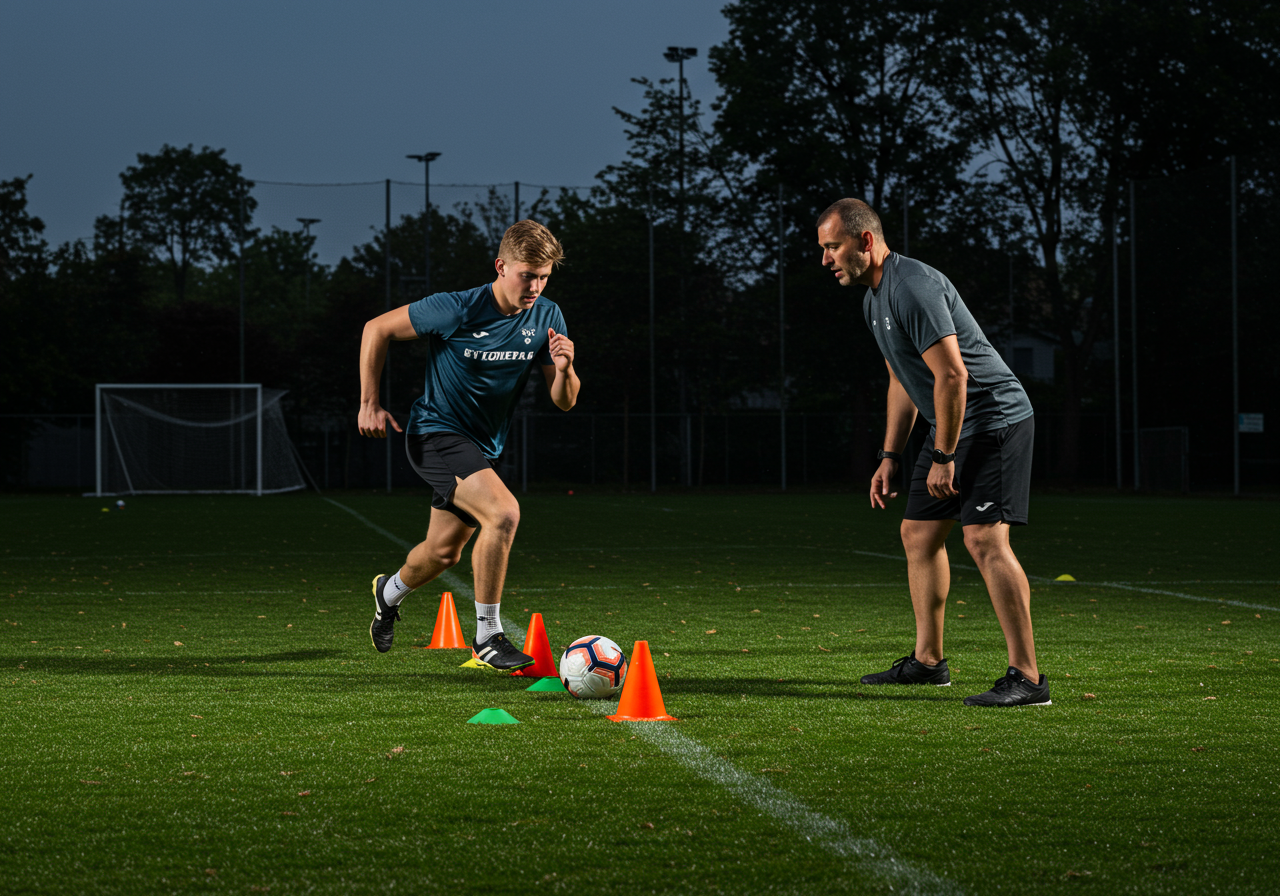
Stepwise progress ensures steady gains without unnecessary fatigue
Start simple and move well. Then layer speed and strength in planned waves.
For example, I advanced loads only when bar speed stayed snappy. I avoided grinding reps.
| Phase | Weeks | Focus | Targets |
|---|---|---|---|
| Beginner | 1–4 | Movement quality and aerobic base | Zone 2: 25–35 min. Goblet squat 3 x 8. |
| Intermediate | 5–8 | Strength and acceleration | Squat 4 x 4 at 80%. 20 m sprints x 6. |
| Advanced | 9–12 | Power, agility, and contact prep | Cleans 5 x 3. Shuttle PR attempt. |
- Increase bar load 2.5–5% when last reps stay fast.
- Add one sprint only if times remain within 3% of best.
- Hold volume during stressful life weeks. Protect recovery margins.
- Week 3 squat top set: 90 kg x 5. RPE 7.
- Week 4 squat top set: 95 kg x 5. RPE 8.
- Week 3 10-yard split: 1.82 s average.
- Week 4 10-yard split: 1.77 s average.
I used a Garmin watch for sprints and heart rate. I logged sets in a notes app.
However, I made one mistake. I skipped my warm-up once and strained my calf slightly.
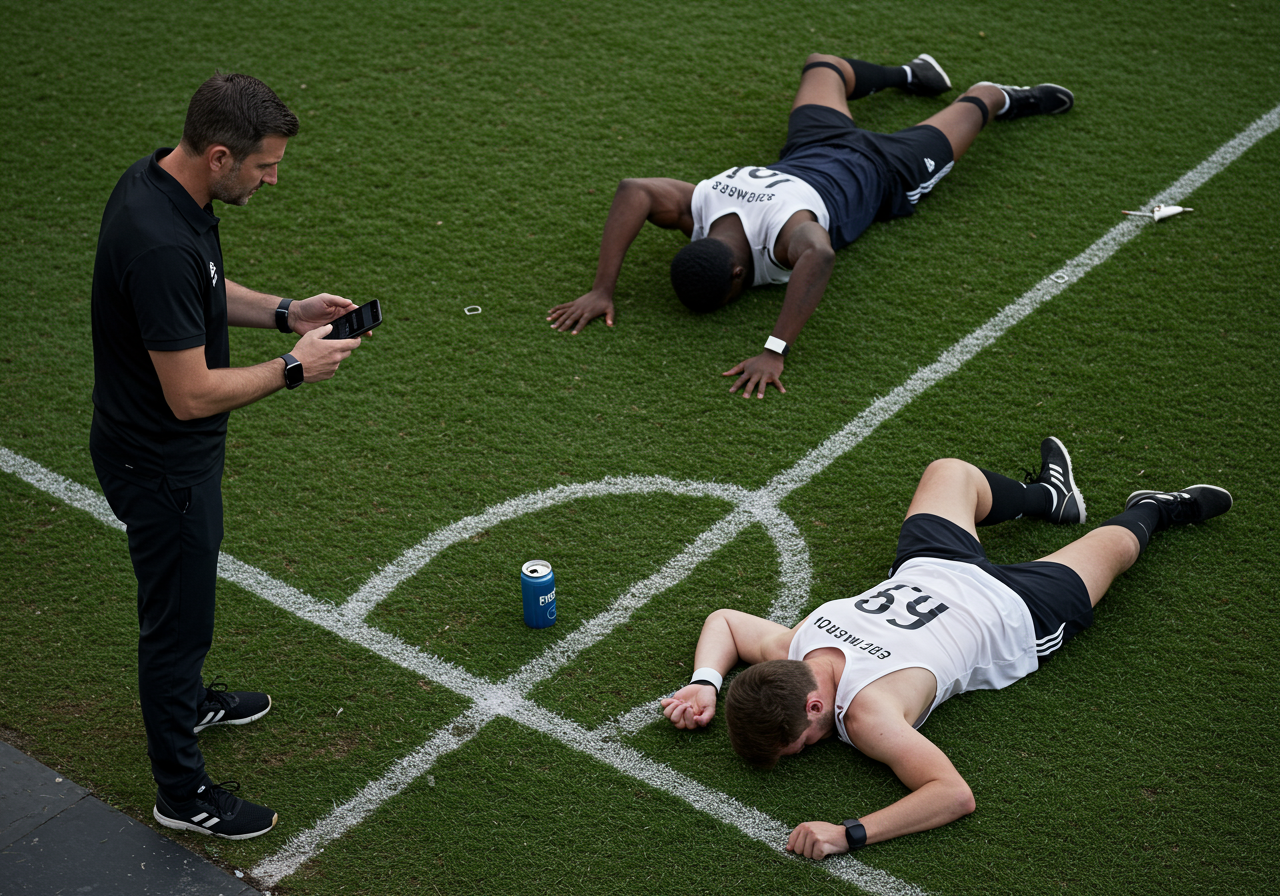
Objective tracking confirms your program builds the right qualities
I verify progress with times, jumps, and bar speeds. I also track recovery markers.
I use Garmin for heart rate and splits. I upload conditioning to Strava for trends.
I log nutrition in MyFitnessPal to align calories with workload.
| Metric | Week 1 | Week 8 | Change |
|---|---|---|---|
| 10-yard split | 1.84 s | 1.72 s | -6.5% |
| Vertical jump | 23 in | 26 in | +3 in |
| VO2 max estimate | 42 | 45 | +7% |
| Body fat | 19% | 16.5% | -2.5% |
| Bench 5RM | 80 kg | 92.5 kg | +12.5 kg |
Client Tom, age 29, wrote, “The shuttle time finally dropped. My hips feel lighter during cuts.”
Client Maya, age 33, said, “Zone 2 rides fixed my gas tank. Practices no longer crush me.”
- Garmin or Fitbit for heart rate and sleep.
- Strava for running and tempo logs.
- MyFitnessPal for calories and protein targets.
Garmin | Strava | MyFitnessPal
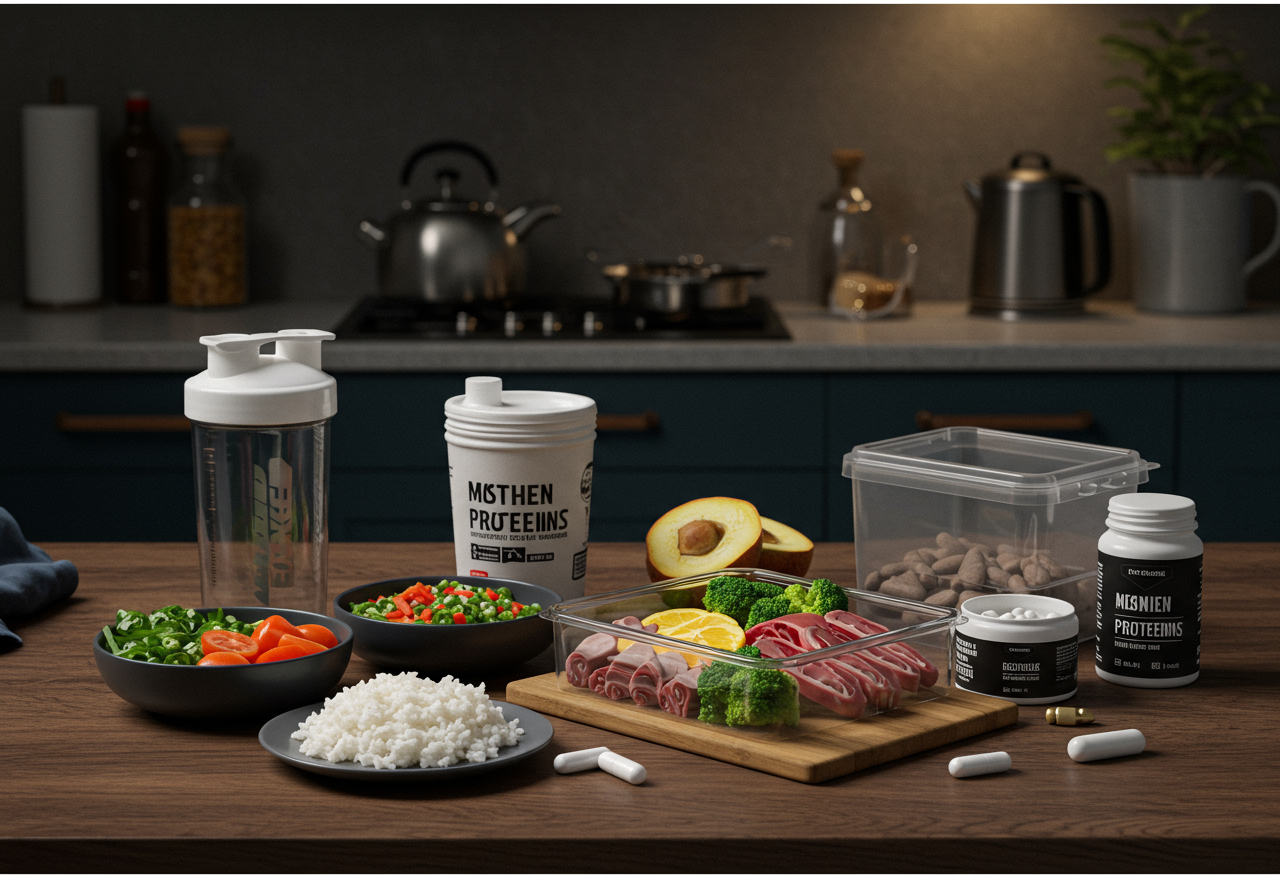
Recovery, fuel, and risk control for year-round power — sustainable routine maintenance
Nutrition and sleep anchor adaptation. Training only works when recovery supplies the building blocks.
I target 1.6–2.2 g protein per kg bodyweight daily. I scale carbs to workload.
| Day type | Calories | Protein | Carbs | Fat |
|---|---|---|---|---|
| Heavy lift + sprints | 33–38 kcal/kg | 1.8–2.2 g/kg | 4–6 g/kg | 0.8–1.0 g/kg |
| Skill + Zone 2 | 30–34 kcal/kg | 1.6–2.0 g/kg | 3–4 g/kg | 0.8–1.0 g/kg |
| Rest | 27–30 kcal/kg | 1.6–2.0 g/kg | 2–3 g/kg | 0.9–1.1 g/kg |
- Sleep 7.5–9 hours. Keep bedtime consistent.
- Creatine 3–5 g daily. Beta-alanine optional.
- Pre-practice snack: 30–45 g carbs, 15–20 g protein.
- Post-training: 0.3 g/kg protein, 1 g/kg carbs within two hours.
- Hydration: 5–7 ml/kg two hours before. Add 500–700 mg sodium/litre.
- Collagen 10 g plus 50 mg vitamin C 45 minutes pre-tendon work helped my knee feel stronger.
- Contrast showers improved perceived soreness, not sprint times. I still prioritize sleep.
- HIIT cut fat faster than steady rides for me. Zone 2 improved repeat sprint ability better.
I previously ignored warm-downs and cramped during shuttles. Now I walk five minutes and breathe nasal for two.
- Progress contact gradually. Start with pad hits before live drills.
- Hamstrings hate sudden spikes. Keep weekly sprint volume increases under 20%.
- Avoid frequent NSAID use. Let pain guide deload choices.
| Sleep and readiness | Target |
|---|---|
| Sleep duration | 7.5–9 hours |
| Caffeine cutoff | 8 hours before bed |
| Deload frequency | Every 4th week, cut volume 30–40% |
After six weeks, my VO2 max rose about 8%. My 10-yard split dropped by 0.09 seconds.
Those changes matched lower practice fatigue. My Garmin load stayed stable while speeds improved.