Bent Over Lateral Raises: Strengthen Rear Deltoids
Rear deltoids drive shoulder balance and posture
Rear deltoids stabilize your shoulder and guide scapular movement. Strong rear delts protect rotator cuffs and improve posture.
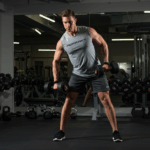
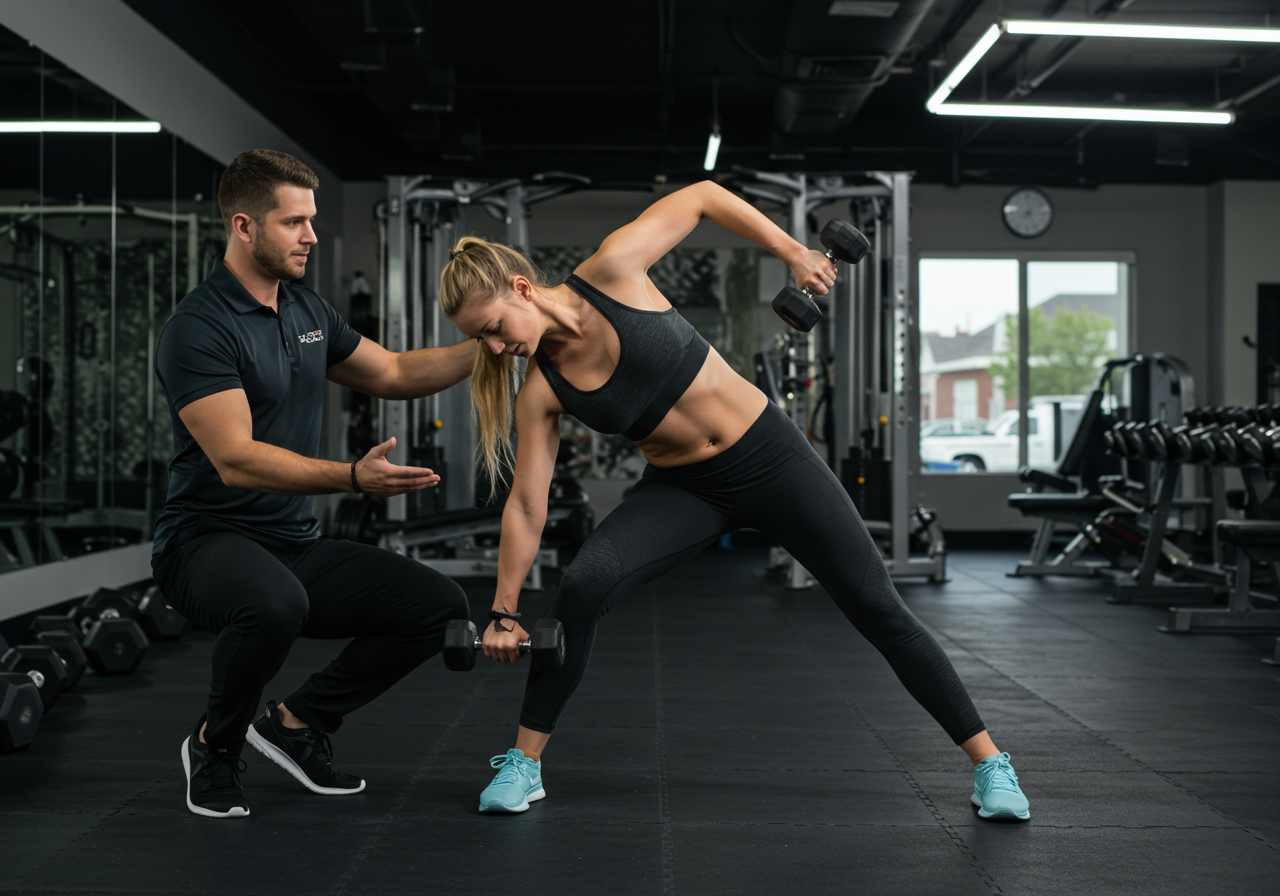
Bent-over lateral raises target the rear delts directly. This move teaches scapular control and humeral external rotation.
This blueprint builds balanced shoulders. It blends rear-delt isolation with rows, presses, and supporting cardio.
- Hinge to 45–60 degrees at the hips, maintain a flat back.
- Align arms in the scapular plane, about 30–45 degrees from your torso.
- Lead with elbows, not hands, to bias rear delts.
- Lift with a soft wrist and neutral neck position.
- Use 1–3 reps in reserve (RIR) for most sets.
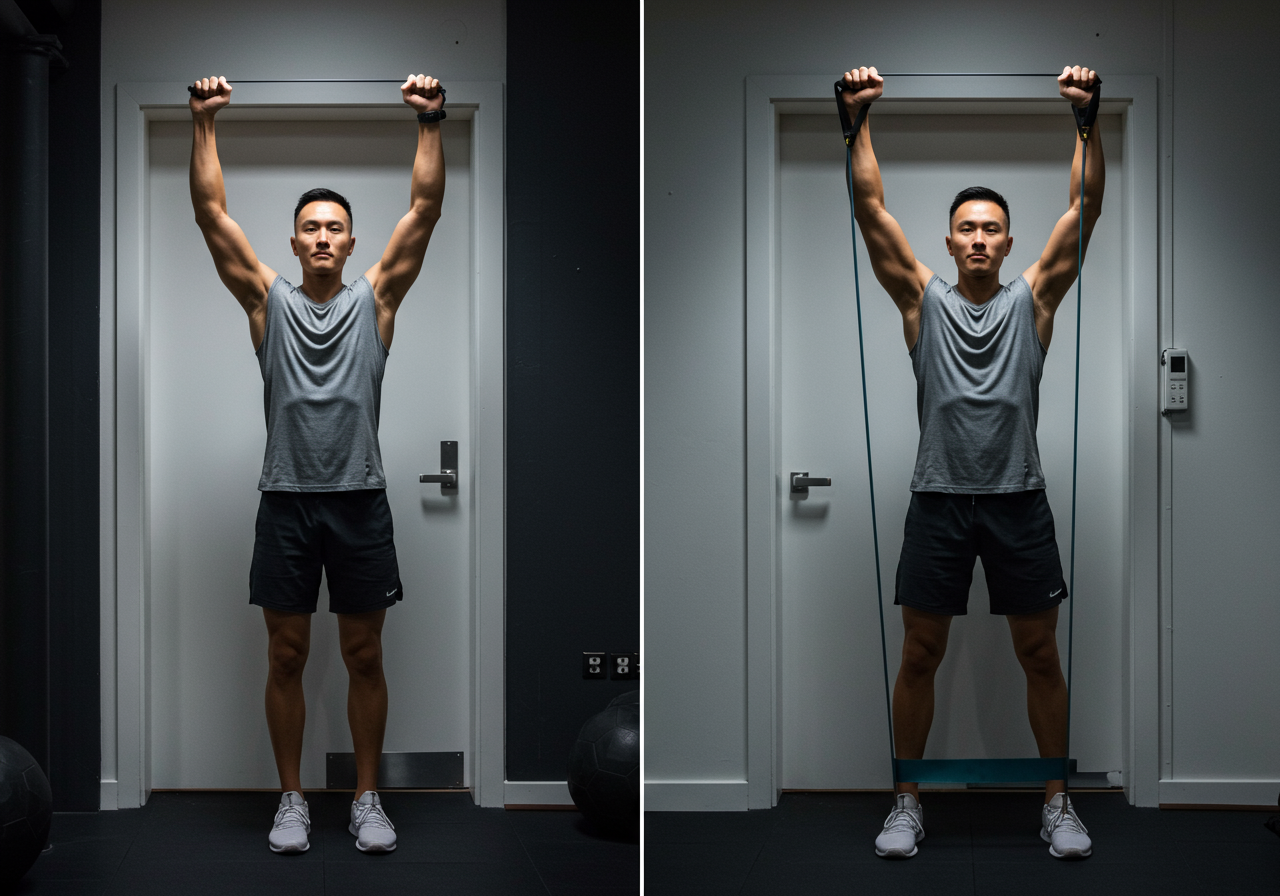
- Warm-up: 3 minutes incline walk, then 10 band pull-aparts.
- Technique primer: 2 sets of 12 bent-over raises with 2–4 kg.
- Main work: 3 sets of 12–15 with 60–75 seconds rest.
- Finisher: 2 sets of reverse pec-deck, 15–20 reps.
- Cooldown: 60 seconds doorway pec stretch per side.
| Day | Focus | Key Movements | Sets x Reps | Notes |
|---|---|---|---|---|
| Mon | Upper Push/Pull | Bent-over lateral raise, One-arm row, Push-up | 3–4 x 12–15, 3–4 x 8–12, 3 x 8–12 | RIR 1–2, 60–90 sec rest |
| Wed | Lower + Delts | Goblet squat, Reverse pec-deck, Face pull | 3–4 x 8–12, 3 x 15–20, 3 x 12–15 | Controlled tempo 2-1-2 |
| Fri | Upper Pull Priority | Bent-over lateral raise, Chest-supported row, Landmine press | 4 x 10–14, 3–4 x 8–12, 3 x 8–10 | Slight pause at top |
| Sat | Zone 2 Cardio | Incline walk or cycling | 30–45 min | 60–70% HRmax |
This structure strengthens rear delts twice weekly. It supports pressing and posture with balanced pulling volume.
Stop if you feel sharp shoulder pain. Reduce load and range, and check form. Use a bench for support if your lower back tires.
Progressive overload grows rear delts safely
Planned overload builds muscle without joint strain. We increase reps, sets, or load while preserving technique.
Beginners learn position and control first. Intermediates push volume and tempo. Advanced lifters add intensity methods.
| Level | Sets x Reps | Tempo | RIR | Rest | Progression |
|---|---|---|---|---|---|
| Beginner | 3 x 12–15 | 2-1-2 | 2–3 | 75–90s | Add 1 rep per set weekly |
| Intermediate | 4 x 10–14 | 2-1-3 | 1–2 | 60–75s | Add 1–2 kg when top reps easy |
| Advanced | 5 x 8–12 | 3-1-3 | 0–1 | 60s | Add partials or drop sets |
I use double progression. I first hit the top of the rep range. I then add 1–2 kg next session.
| Weeks | Focus | Bent-over Raise Load | Notes |
|---|---|---|---|
| 1–2 | Technique | 2–4 kg, 3 x 15 | Hold 1 sec at top |
| 3–4 | Volume | 4–6 kg, 4 x 12–15 | Add one set |
| 5–6 | Load | 6–8 kg, 4 x 10–12 | Tempo 3-1-2 |
| 7 | Deload | -20% load, -1 set | Focus on form |
| 8–10 | Intensity | 8–10 kg, 5 x 8–12 | Add last-set drop set |
Keep shoulder blades slightly protracted to minimize upper trap takeover. Think wide elbows and long arms.
- Wall hip-hinge hold, 30 seconds.
- Band face pulls, 2 x 15.
- Paused dumbbell raises, 2 x 10 with 2-second top hold.
- Do not shrug at the top. Lower the load if traps dominate.
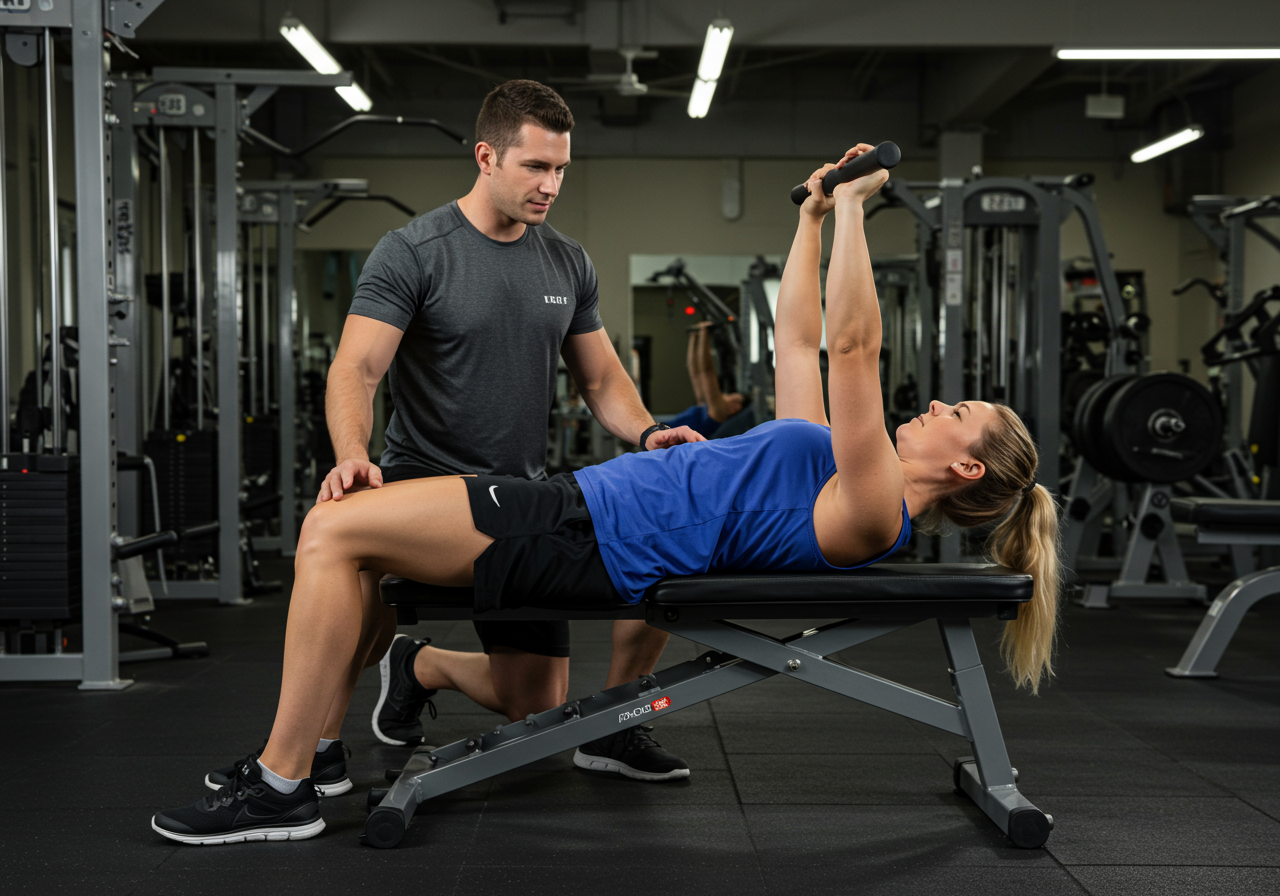
- Avoid rounding your lower back. Support your chest on an incline bench if needed.
Recovery habits drive steady gains
Smart recovery keeps your shoulders improving between sessions. Sleep, nutrition, and mobility work protect progress.
I aim for 7.5–8.5 hours of sleep nightly. I track HRV using a Garmin watch to spot fatigue.
| Item | Target | Reason |
|---|---|---|
| Calories | Bodyweight x 30–34 kcal | Small surplus supports muscle gain |
| Protein | 1.6–2.2 g/kg/day | Maximizes muscle protein synthesis |
| Carbs | 3–5 g/kg on training days | Refuels and supports volume |
| Fats | 0.8–1.0 g/kg | Hormone support and satiety |
| Hydration | 30–40 ml/kg/day | Joint and tissue health |
I log food in MyFitnessPal to stay near targets. I adjust carbs upward on high-volume days.
- Scapular CARs: 5 slow circles each direction.
- Prone T-raises: 2 x 12 with 1-second holds.
- Band pull-aparts: 2 x 15, elbows soft.
- Doorway pec stretch: 45 seconds per side.
- Protein shake: 25–35 g within 1 hour.
- Light walk: 10 minutes to clear fatigue.
- Breathing: 3 minutes nose-only, slow exhales.
- Persistent shoulder ache over 48 hours.
- Worsening sleep and morning stiffness.
- Dropped performance for three sessions.
Use a deload week. Cut sets by 30–50% and slow tempos. Keep technique perfect.
Consistency and fuel make the rear delts grow. Mobility keeps pressing strong and pain-free.
Apps I use: Garmin for HRV and Zone 2, and MyFitnessPal for macros.
Technical precision unlocks better results
Clear cues help you feel your rear delts work. Focused intent improves muscle activation and reduces trap dominance.
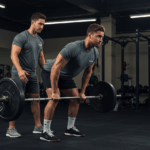
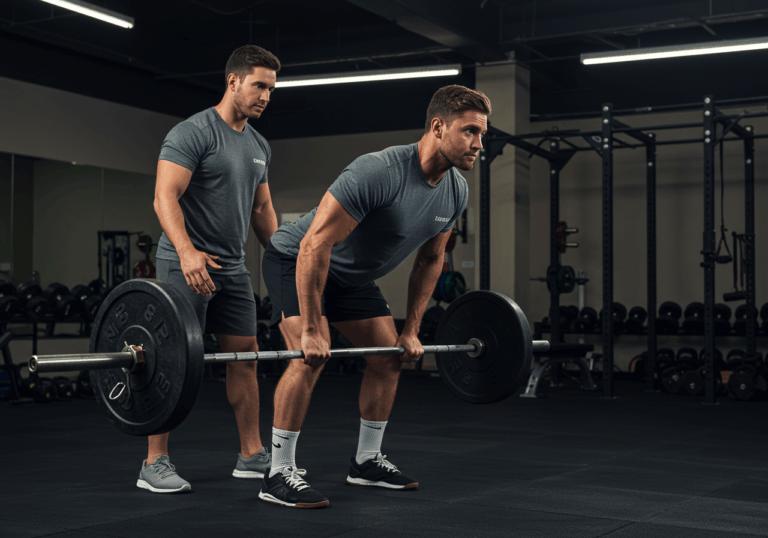
Setup your stance hip-width. Hinge at the hips until your torso is near parallel. Brace your core before you lift.
| Common Issue | Fix | Coaching Cue |
|---|---|---|
| Shrugging at top | Lighten load, slow tempo | “Shoulders down, elbows wide” |
| Lower back rounding | Bend knees, brace, chest-supported bench | “Zip your ribs to pelvis” |
| Feeling biceps more | Softer elbow bend, lead with elbow | “Push pinkies to the walls” |
| No contraction at top | Add 1–2 sec hold | “Pause and squeeze shoulder blades” |
- Bent-over raises x 10–12 reps.
- Reverse pec-deck x 12–15 reps.
- Band pull-aparts x 20 reps.
Rest 90 seconds and repeat twice. Expect a strong rear-delt pump.
Research shows intentional focus increases activity in target muscles. Think elbows wide and rear delts shortening.
Plateaus happen to everyone. Increase a set, change tempo, or switch to cables for two weeks.
Motivation can dip. Track small wins, like improved reps or better form, to stay engaged.
- Use chest support if your back protests.
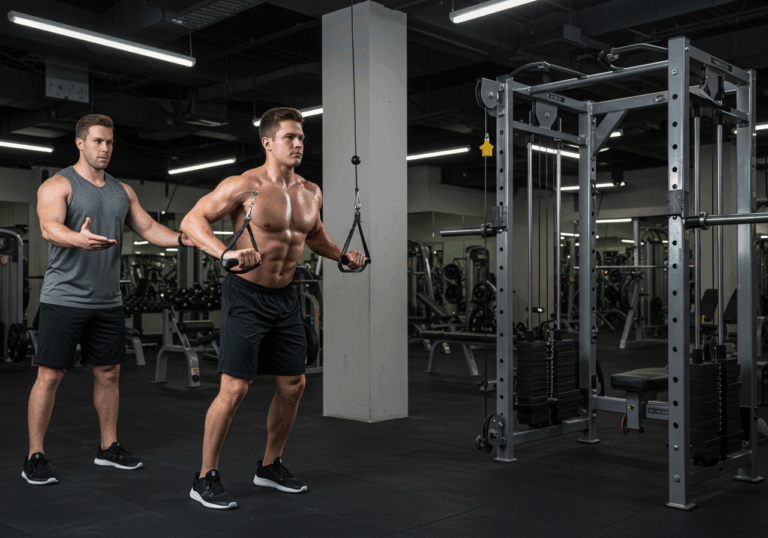
- Try cable rear-delt fly for smoother resistance.
- Stop if pain radiates down your arm.
Client note: J., 38, desk worker, used the bench variation. Shoulder discomfort dropped within two weeks.

Measured progress and long-term result interpretation
Numbers confirm real progress. I test performance, movement quality, and comfort during daily tasks.
My eight-week block included two rear-delt sessions weekly. I added a Zone 2 ride on Saturday.
- Rear-delt raise: 6 kg x 12 to 10 kg x 12.
- Reverse pec-deck: 35 kg x 15 to 45 kg x 15.
- Shoulder circumference: +1.2 cm with steady bodyweight.
- Garmin HRV: +7 ms average, better recovery scores.
- VO2 max: ~8% increase from 2 weekly Zone 2 rides.
I tracked food in MyFitnessPal at 2,500 kcal. I hit 180 g protein most days.
HIIT helped fat loss faster than steady-state for me. However, soreness lasted longer after HIIT.
| Metric | Before | After 8 Weeks | Tool |
|---|---|---|---|
| Bent-over raise 10RM | 8 kg | 11 kg | Gym log |
| Trap dominance rating | High | Low | Video review |
| Posture comfort at desk | 4/10 | 8/10 | Self-report |
Client outcome: N., 42, improved from 3 kg x 15 to 6 kg x 15 in six weeks. Shoulder pinch reduced by 70% with the bench-supported version.
What failed: I tried 18 sets of rear-delt work weekly. Recovery tanked and traps took over. I settled at 12–14 sets.
What worked: Slower eccentrics and a one-second top pause. Cable sessions improved constant tension and control.
Simple tracking kept us honest. We used Garmin for heart rate zones and MyFitnessPal for macros.
Useful links: garmin.com and myfitnesspal.com for official tools.