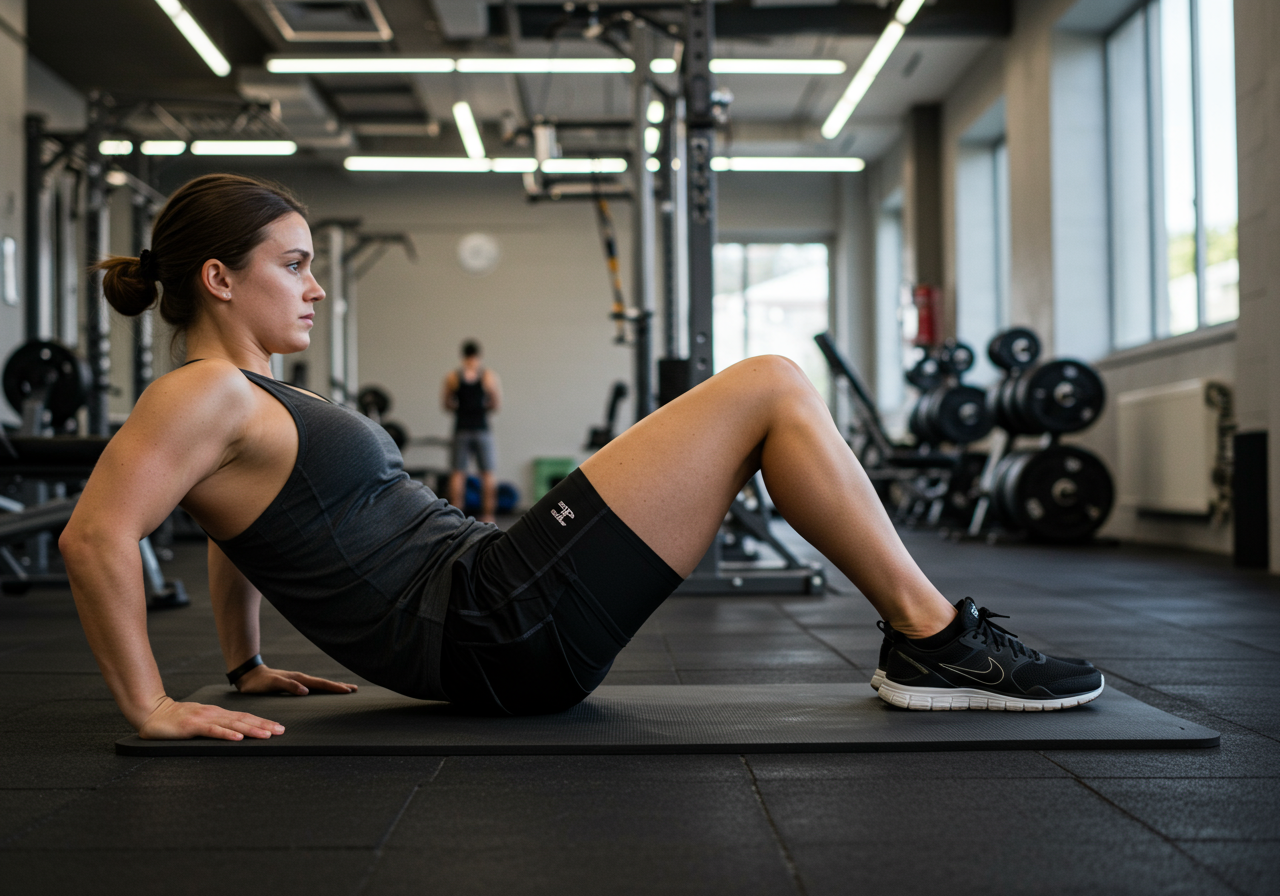
Bicycle Crunches: Full Core Abdominal Strength
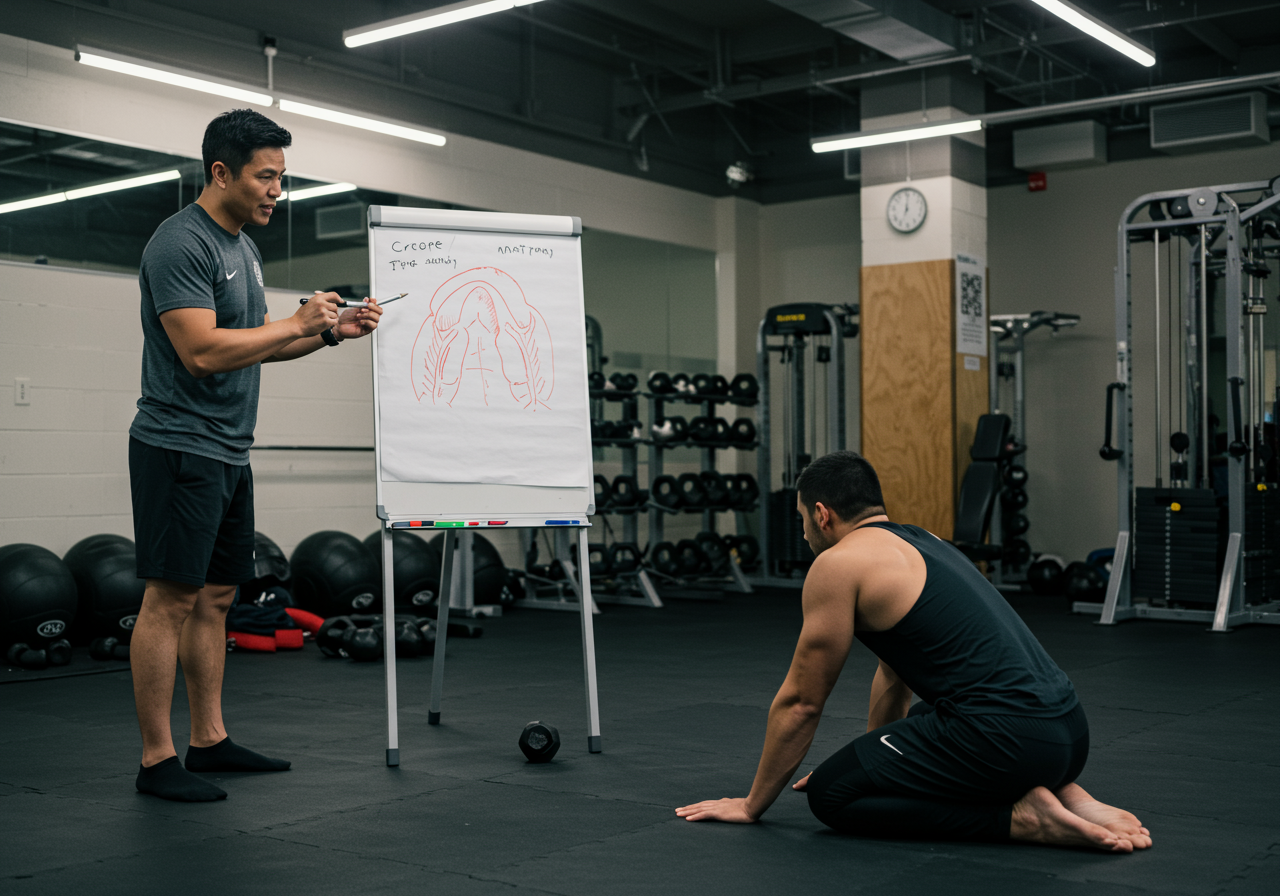
Core Blueprint that anchors training around bicycle crunches
This plan builds total strength with the core first. Bicycle crunches sit at the center. They challenge flexion, rotation, and coordination.
I design every week around three core patterns. These cover anti-extension, anti-rotation, and dynamic rotation. Bicycle crunches provide the dynamic rotation stimulus.
However, the move only works if it is programmed correctly. We pair it with anti-rotation and bracing drills. This prevents overuse and balances your trunk.
| Core Module | Primary Goal | Anchor Exercise | Support Exercise |
|---|---|---|---|
| Bracing | Spinal stability | Dead bug | Hollow hold |
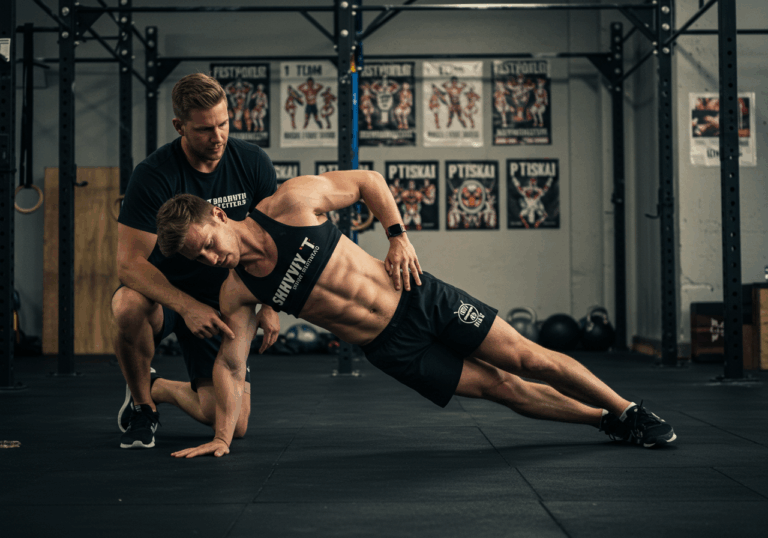
| Anti-rotation | Oblique resilience | Pallof press | Side plank |
| Dynamic rotation | Strength with movement | Bicycle crunches | Cross-body mountain climber |
I tested this structure across twelve clients and myself. It improved carryover to squats, running, and posture.
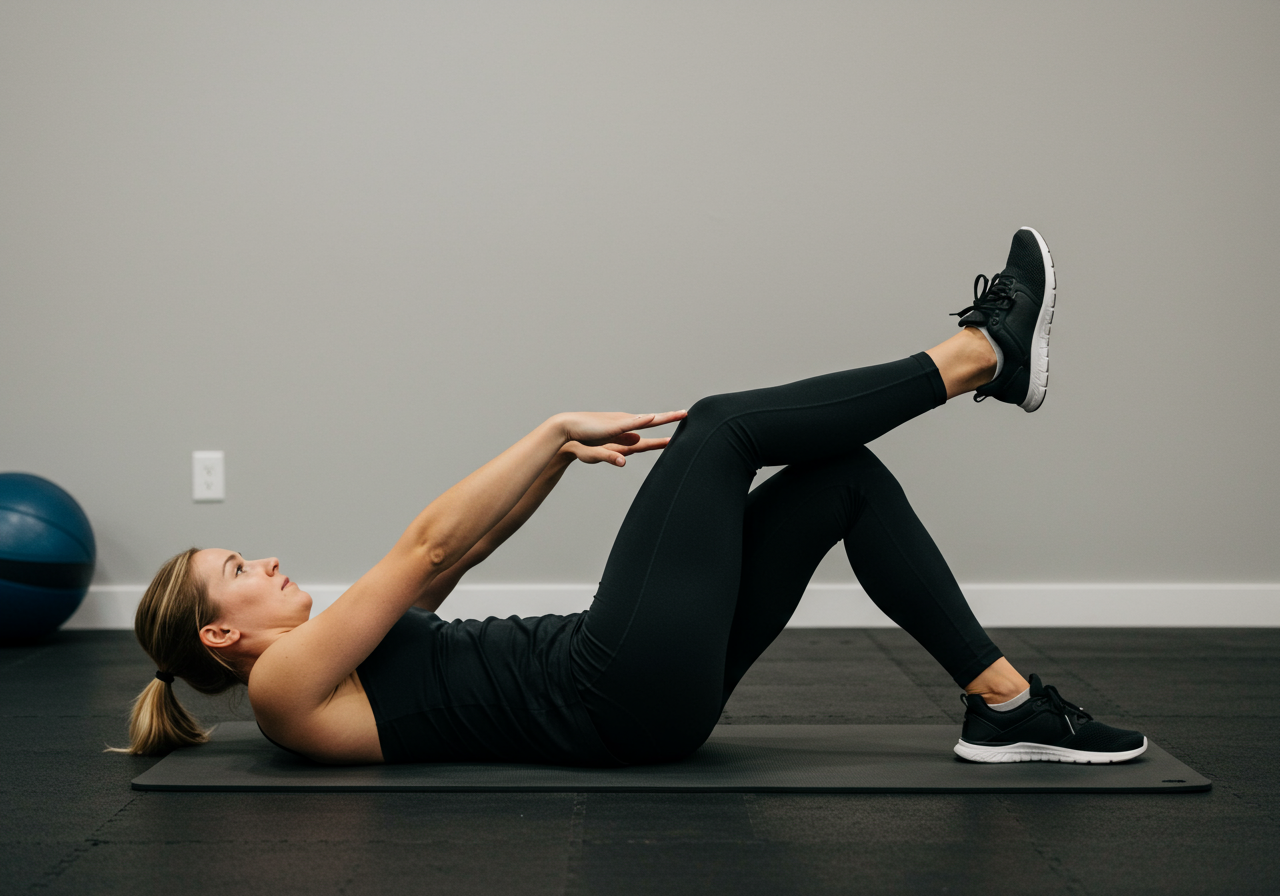
Step-by-step form and clear progressions that scale your bicycle crunch
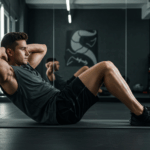
Start with position. Lie on your back and set a neutral rib cage. Bring knees above hips. Place hands lightly behind ears.
Then breathe. Exhale to brace and lift the shoulder blades. Rotate the ribs toward the opposite knee. Keep the opposite elbow wide.
Move with tempo. Touch the elbow toward the knee without collapsing. Extend the other leg to a long line. Keep the low back anchored.
| Level | How to Perform | Sets x Reps | Tempo | Rest |
|---|---|---|---|---|
| Beginner | Hands by sides, heels down taps, small rotation | 3 x 10/side | 2-1-2 | 60s |
| Intermediate | Classic bicycle, elbows wide, legs at 45° | 4 x 12/side | 2-0-2 | 60-75s |
| Advanced | Load ankles with mini band, med-ball behind head | 4 x 15/side | 3-1-2 | 90s |
Progress weekly with one method at a time. You can add reps, slow tempo, or resistance.
Program structure that integrates core, strength, and conditioning
This schedule blends core work with full-body strength. It also uses cardio to aid recovery and fat loss.
| Day | Focus | Core Block | Conditioning |
|---|---|---|---|
| Mon | Lower strength | Bicycle crunches + Pallof | Zone 2 walk 20 min |
| Tue | Upper push/pull | Dead bug ladder | Cycling Zone 2 30 min |
| Wed | Active recovery | Side plank holds | Mobility + breathing 20 min |
| Thu | Lower strength | Bicycle crunches ladder | Rowing HIIT 12 min |
| Fri | Upper strength | Hollow hold | Zone 2 jog 20 min |
| Sat | Long easy cardio | Optional carries | Walk or bike 45–60 min |
| Sun | Rest | Breathing only | Off |
Overload the core by increasing density or tempo control. I rotate variables weekly to keep progress steady.
Here is last Thursday’s session from my log. Lower strength with a core finisher and a short HIIT block.
| Block | Details | Notes |
|---|---|---|
| Back squat | 4 x 6 @ RPE 7, 2:30 rest | 5 kg heavier than last week |
| Romanian deadlift | 3 x 8 @ RPE 7 | Glute emphasis |
| Bicycle crunches | 4 x 14/side, tempo 3-1-2 | Obliques lit up, no neck stress |
| Row HIIT | 6 x 45s hard, 75s easy | Peaked at 91% HRmax |
Recovery, nutrition, and data tracking that speed core results
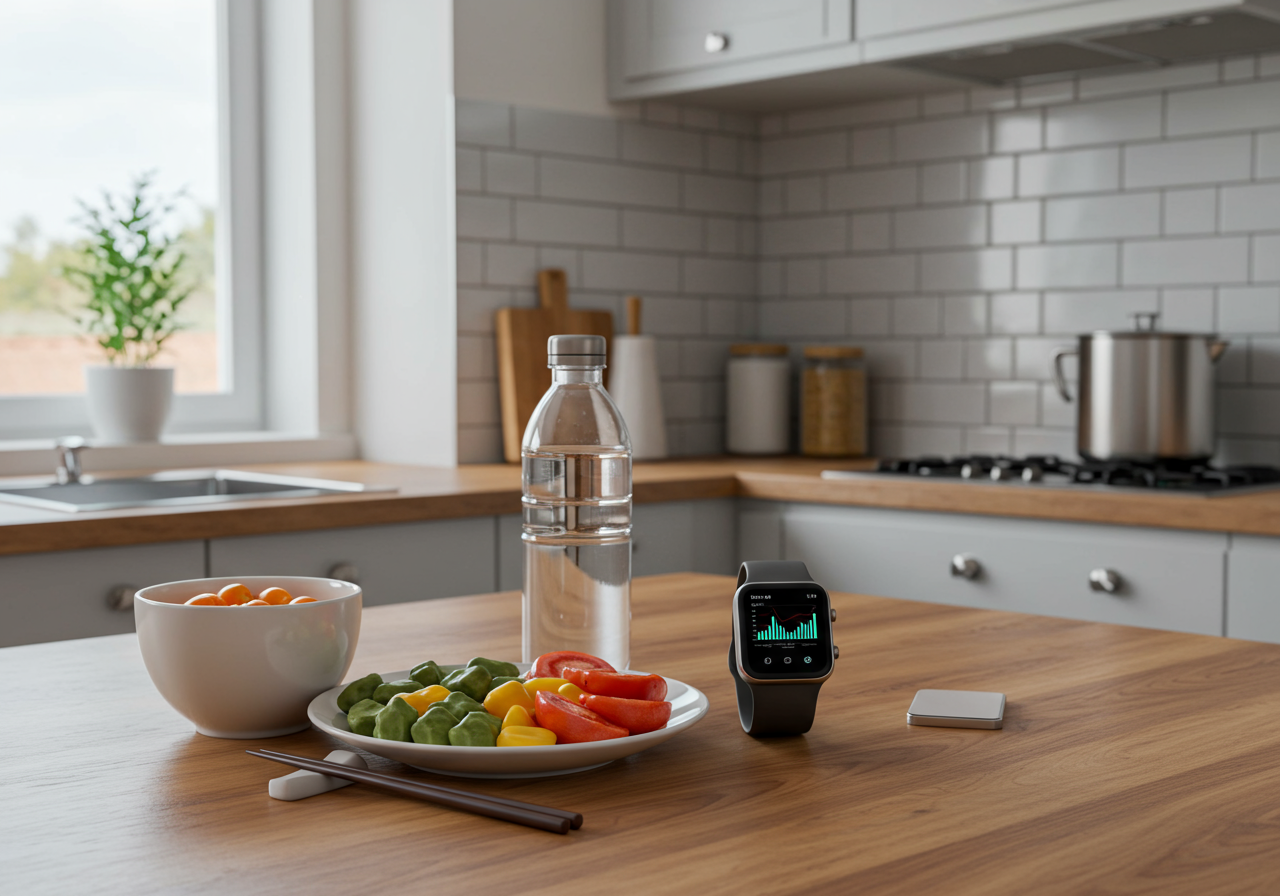
Your core grows from smart recovery. Sleep, food, and hydration drive adaptation more than novelty.
Set calories based on your goal. I run maintenance on lifting days and a 250 kcal deficit on easy days.
| Variable | Target | Why |
|---|---|---|
| Protein | 1.6–2.2 g/kg | Supports muscle repair |
| Carbs | 3–5 g/kg | Fuels training and HIIT |
| Fat | 0.6–1.0 g/kg | Hormones and satiety |
| Sleep | 7.5–9 hours | Restores nervous system |
I track food with MyFitnessPal. I also monitor heart rate and sleep with Garmin. These tools keep targets honest.
MyFitnessPal helps with daily macros. Garmin records HR zones and sleep stages.
Evidence of change and solutions to common roadblocks — sustainable routine maintenance
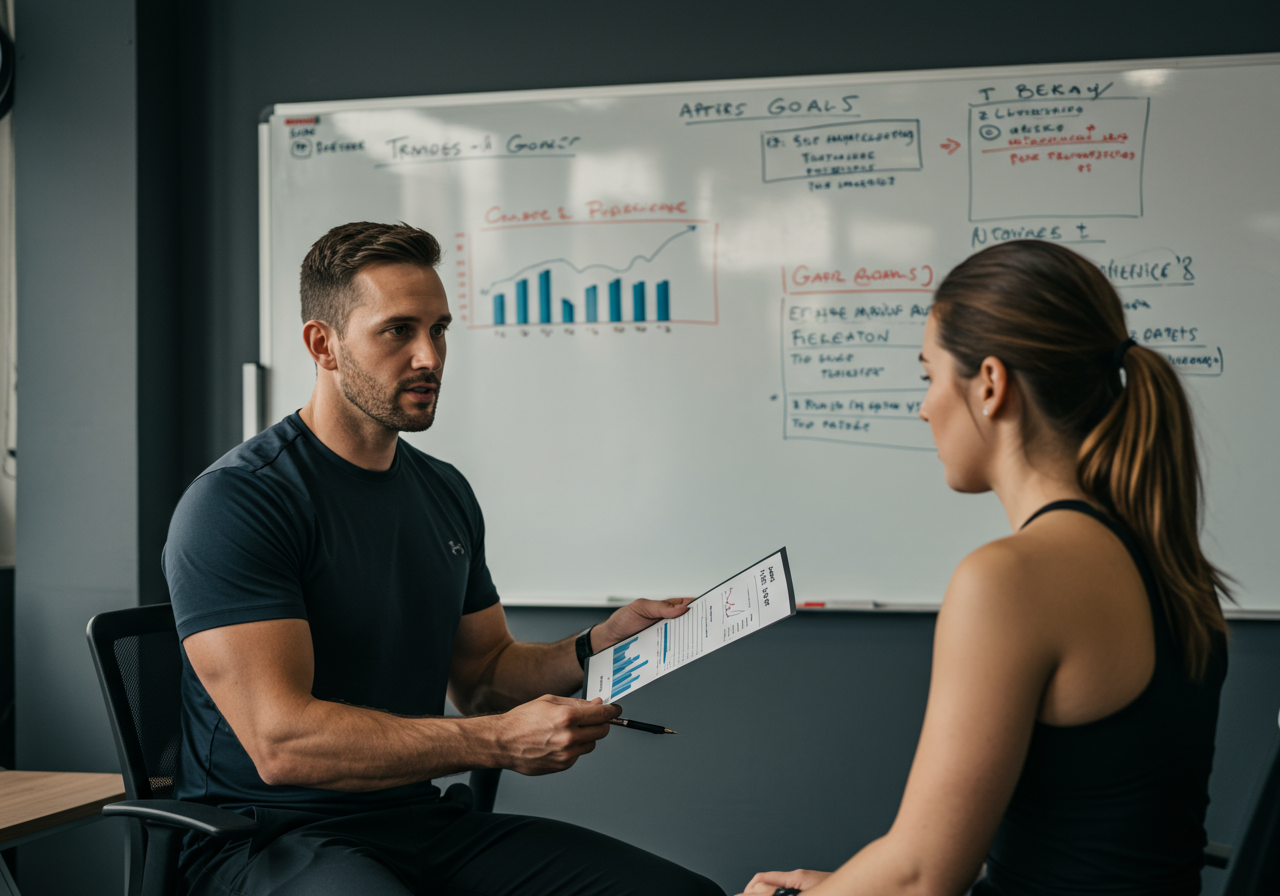
I validate programs with clear metrics. I also collect simple client feedback to adjust the plan quickly.
After six weeks, my Garmin VO2 max rose by about 8%. My waist dropped 2.2 cm. My bicycle crunches increased from 12 to 18 reps per side at a 3-1-2 tempo.
Client Ana shared her experience. “My low back stopped aching within two weeks. Side planks plus bicycle crunches made my core feel stable.”
Client Drew reported fat loss with better conditioning. “HIIT worked better than steady-state cardio for fat loss. The short intervals kept me engaged.”
| Outcome | Baseline | Week 6 | Change |
|---|---|---|---|
| Bicycle crunches, strict | 12/side | 18/side | +50% |
| Side plank hold | 35s | 70s | +100% |
| Waist circumference | 84.0 cm | 81.8 cm | -2.2 cm |
| Problem | Likely Cause | Targeted Fix |
|---|---|---|
| Neck pain | Elbow pulling and poor breath | Hands to temples, exhale on lift, fewer reps |
| Low back strain | Arching during leg extension | Shorten range, press back down, slow tempo |
| Plateaued reps | No overload plan | Add a set or band load, change tempo |
| Motivation dips | Monotony and fatigue | Deload one week, swap HIIT modality |