Bowling: Sport Demanding Precision & Focus
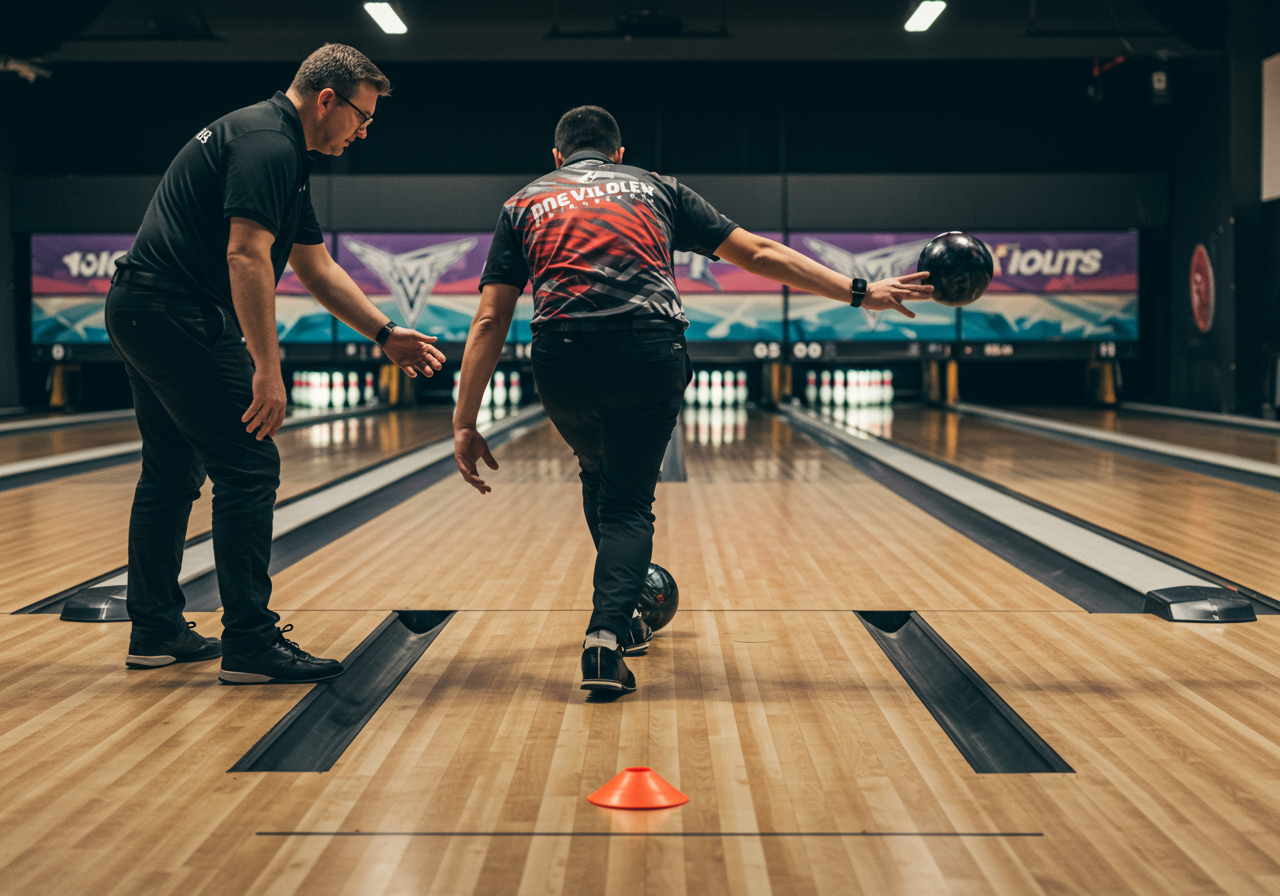
Establish a reliable motion before adding power
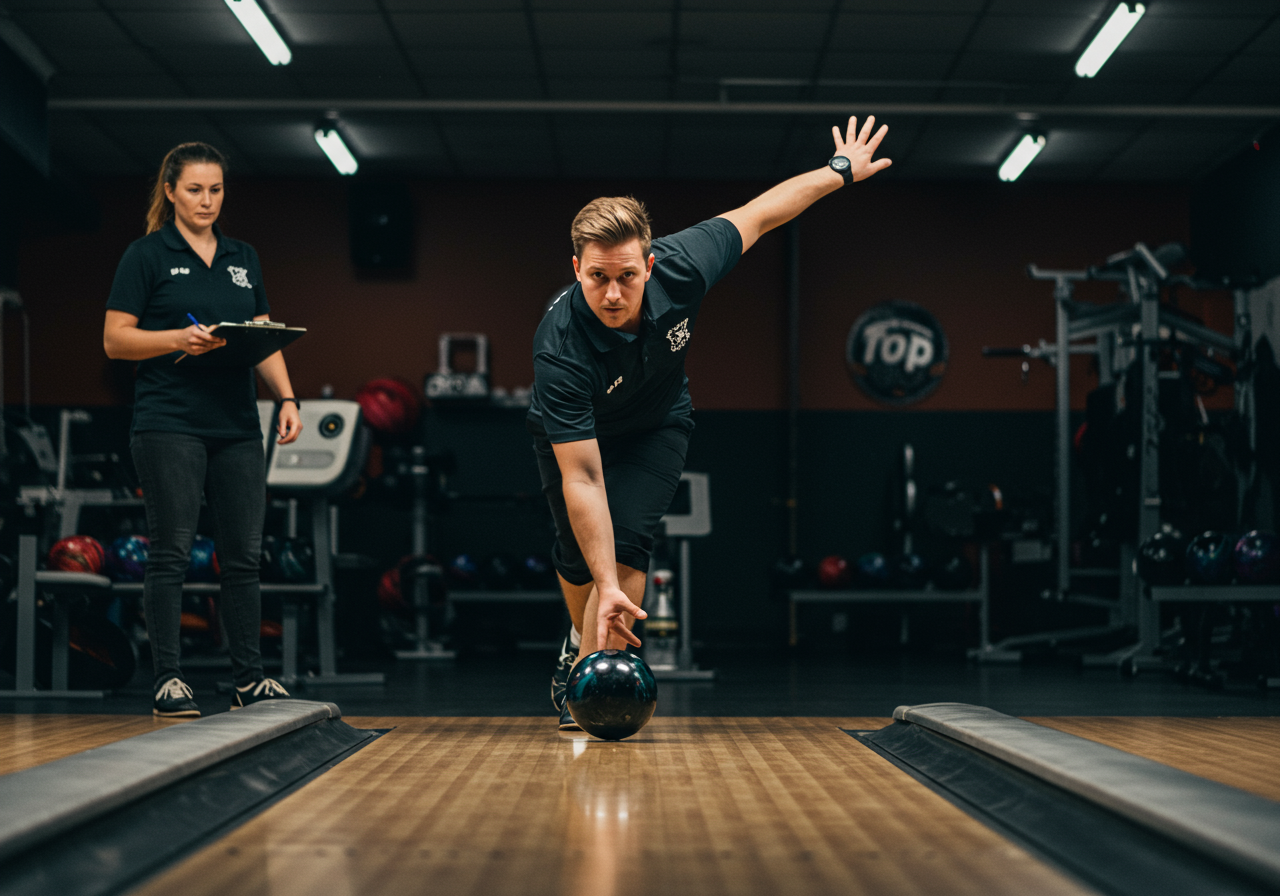
Bowling rewards a repeatable body pattern. You need a stable stance and a smooth swing.
I coach beginners to master alignment first. I use lane dots to teach consistent foot placement.
Grip comfort reduces tension. I fit finger spans so the hand relaxes during the swing.
- Neutral spine during approach supports accuracy.
- Loose arm swing improves timing and ball roll.
- Stable lead leg controls slide and release.
- Breathing out at release reduces elbow tension.
Timing creates the pocket shot. I cue “pushaway on step one, release on slide.”
| Drill | Sets | Reps/Time | Focus |
|---|---|---|---|
| Foul-line swing | 5 | 6 swings | Loose wrist, straight follow-through |
| One-step release | 4 | 6 balls | Ball speed control, breath out on release |
| Five-shot spare map | 3 | 10 shots | Target arrows, foot placement |
I record ball speed and accuracy patterns weekly. I track leave types to refine spare strategy.
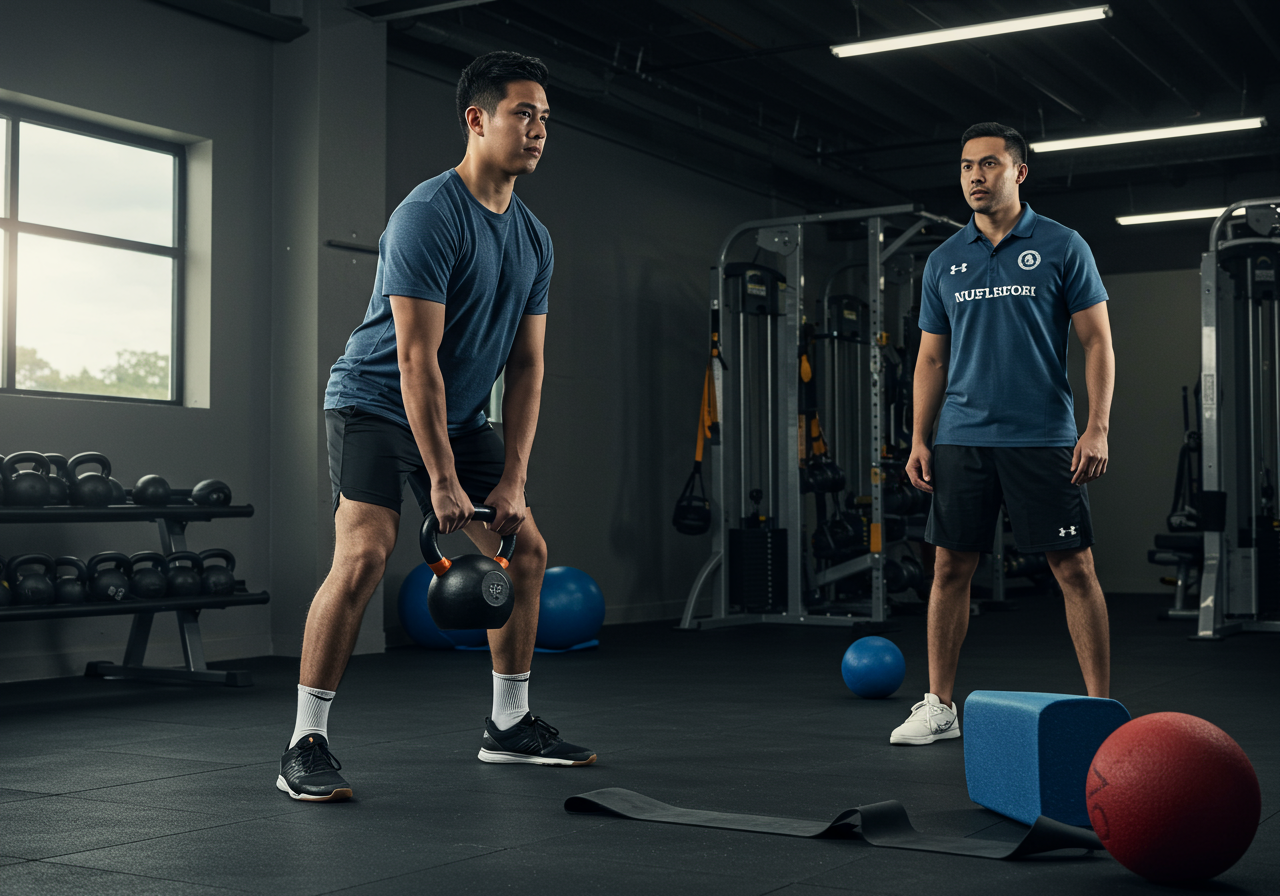
Train your body to support accuracy and endurance
Bowling looks light, but it stresses one side repeatedly. Your training must balance both sides.
I program hinge and squat patterns to reinforce the slide and postural control.
I add shoulder and wrist stability work for safe hook generation and spare shooting.
| Day | Focus | Exercises | Sets x Reps | Notes |
|---|---|---|---|---|
| Mon | Lower body + core | Trap-bar deadlift, Split squat, Pallof press, Farmer carry | 3-4 x 5-8 | RPE 7-8, neutral spine |
| Tue | Lane skill | Spare ladder, One-step shots, Target drift check | 60 minutes | 70 balls max |
| Wed | Mobility + cardio | T-spine rotation, Hip 90/90, Wrist cars, Zone 2 walk | 30-40 minutes | HR Z2 60-70% max |
| Thu | Upper body | One-arm row, Landmine press, External rotation, Wrist flex/ext | 3 x 8-12 | Balanced both sides |
| Fri | Lane practice + spares | Ten-pin, Seven-pin, Bucket patterns | 45-60 minutes | Spare ball if available |
| Sat | Short intervals | Bike 10 x 30s hard/60s easy | 20 minutes | HR Z4 on sprints |
| Sun | Recovery | Walk, Breathwork, Light mobility | 20-30 minutes | Nasal breathing |
I track cardio with a Garmin watch for heart rate zones. I log intervals in Strava.
My last six weeks showed resting heart rate down 6 bpm. I felt steadier in frame ten.
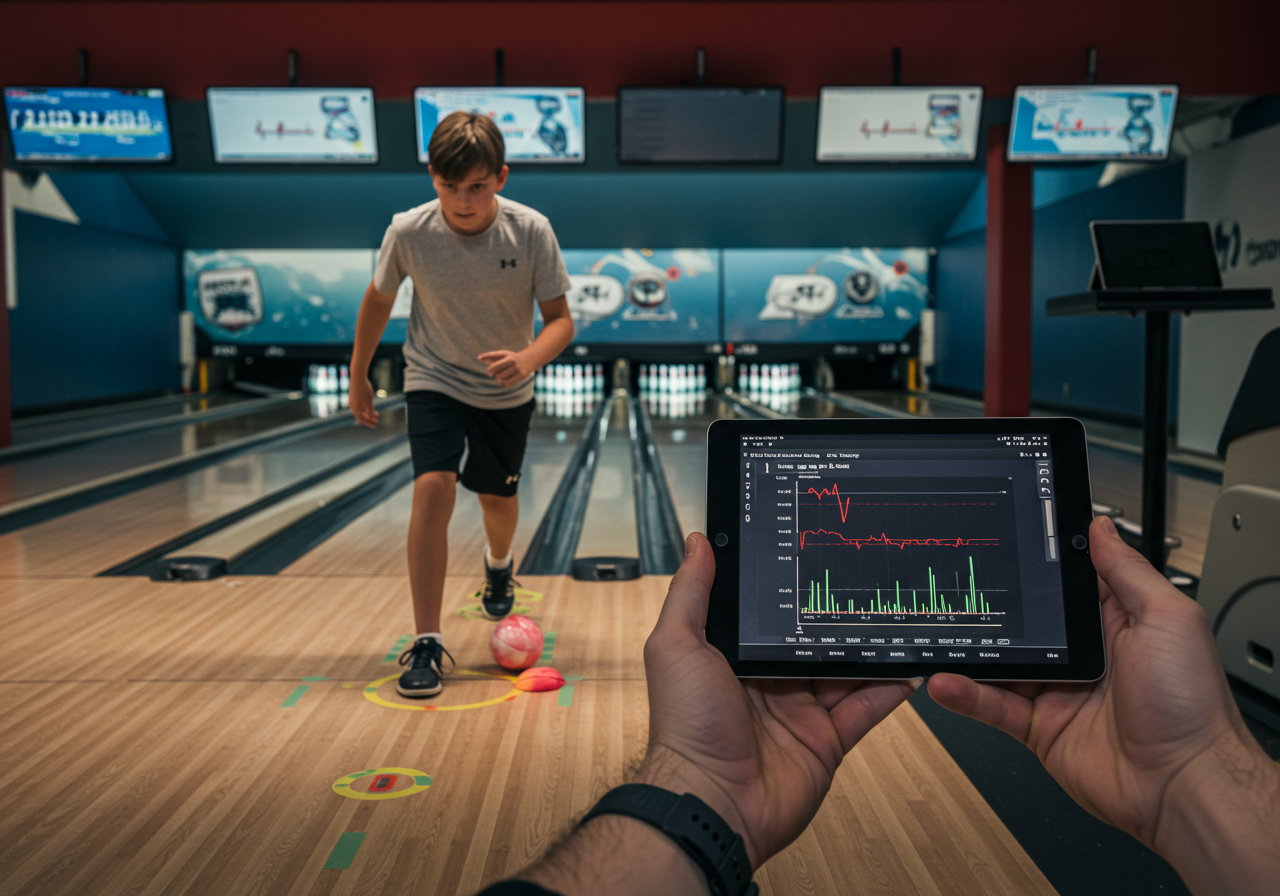
Advance skills and fitness with clear checkpoints
Beginners need simple routines. You will build automatic movement patterns first.
- Lane: 2 sessions/week, 45 minutes, 60 balls maximum.
- Strength: 2 sessions/week, 30 minutes, RPE 6-7.
- Cardio: 2 walks/week, 25 minutes, HR Z2.
| Block | Focus | Targets | Progress markers |
|---|---|---|---|
| Weeks 0–6 | Footwork, spares | Seven and ten-pin 50%+ | Ball speed within ±0.5 mph |
| Weeks 7–12 | Release, timing | Spare rate 60%+ | Average +10 pins |
| Weeks 13–20 | Adjustment game | Three boards move on oil change | Spare rate 70%+ |
Intermediate bowlers add load and precision. You will track rev rate stability and spare angles.
I progressed trap-bar deadlift from 95 lb to 205 lb in 12 weeks. I kept form strict.
My heart rate during intervals peaked at Zone 4. I recovered to Z1 within two minutes.
- Plyo step-to-stick: 4 x 3 each leg.
- Wrist pronation with hammer: 3 x 12 each side.
- Target drift test every Friday.
I use MyFitnessPal for calories and Garmin Connect for heart rate. I log lane stats manually.
Clients submit weekly shot charts. I calculate spare conversion by leave type for coaching focus.
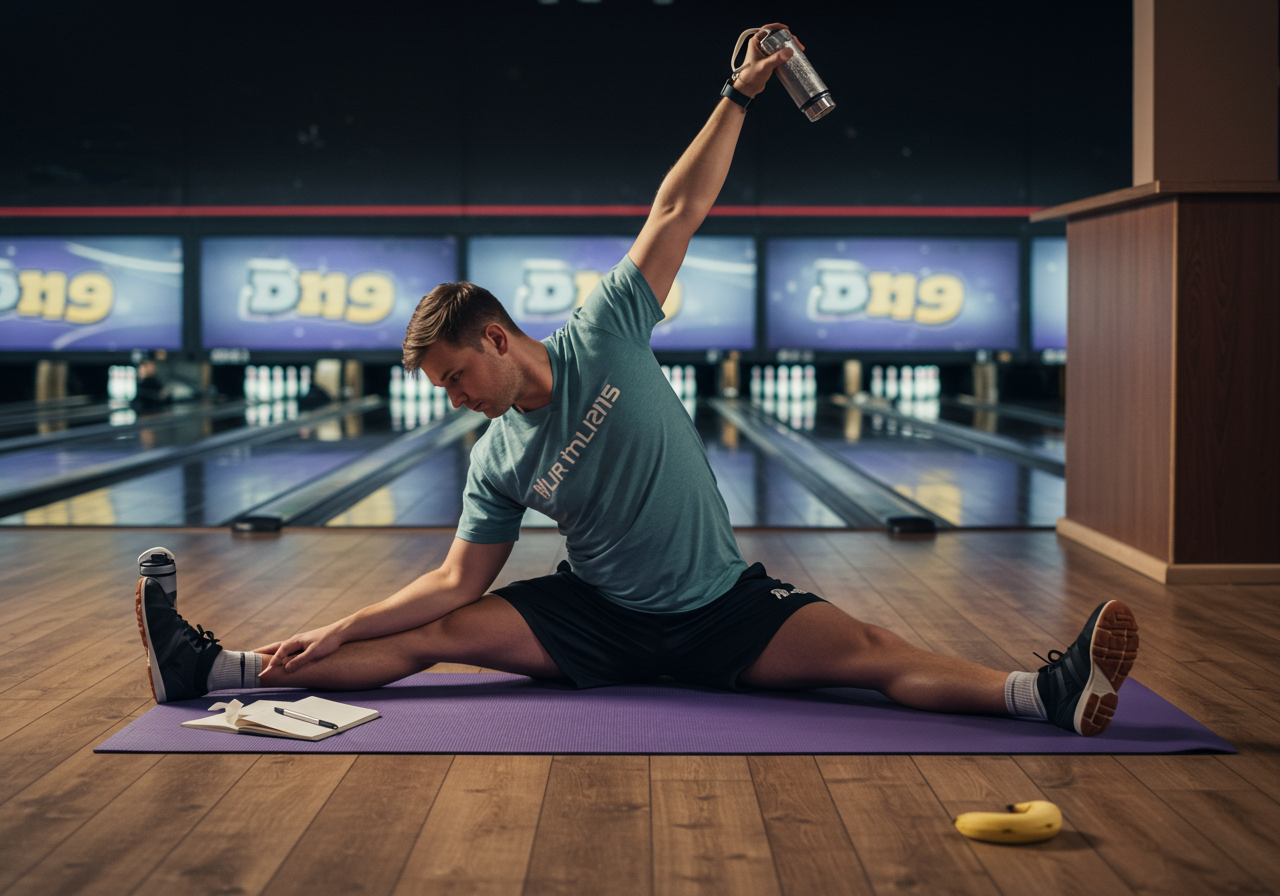
Recover well to stay precise under pressure
Recovery keeps your timing smooth. Sleep and nutrition drive consistency late in games.
I target 7.5–8.5 hours of sleep nightly. I wake at the same time daily.
I aim for 0.7–1.0 grams of protein per pound of goal body weight.
| Timing | Food | Notes |
|---|---|---|
| 2–3 hours pre-match | Rice bowl with chicken, fruit | Low fat for easy digestion |
| 30 minutes pre | Water + small banana | Sip slowly |
| Between games | Electrolyte drink, jerky | Steady energy, no crash |
I set calories to 12–14 per pound for weight loss phases. I adjust based on weekly averages.
I log food in MyFitnessPal. I review protein and fiber first.
I use a five-minute mobility warm-up. I include hips, ankles, and thoracic rotation.
I track steps and HRV with a Garmin device. I review trends in Garmin Connect.
I upload cardio to Strava for pace and zone splits. I monitor recovery status.
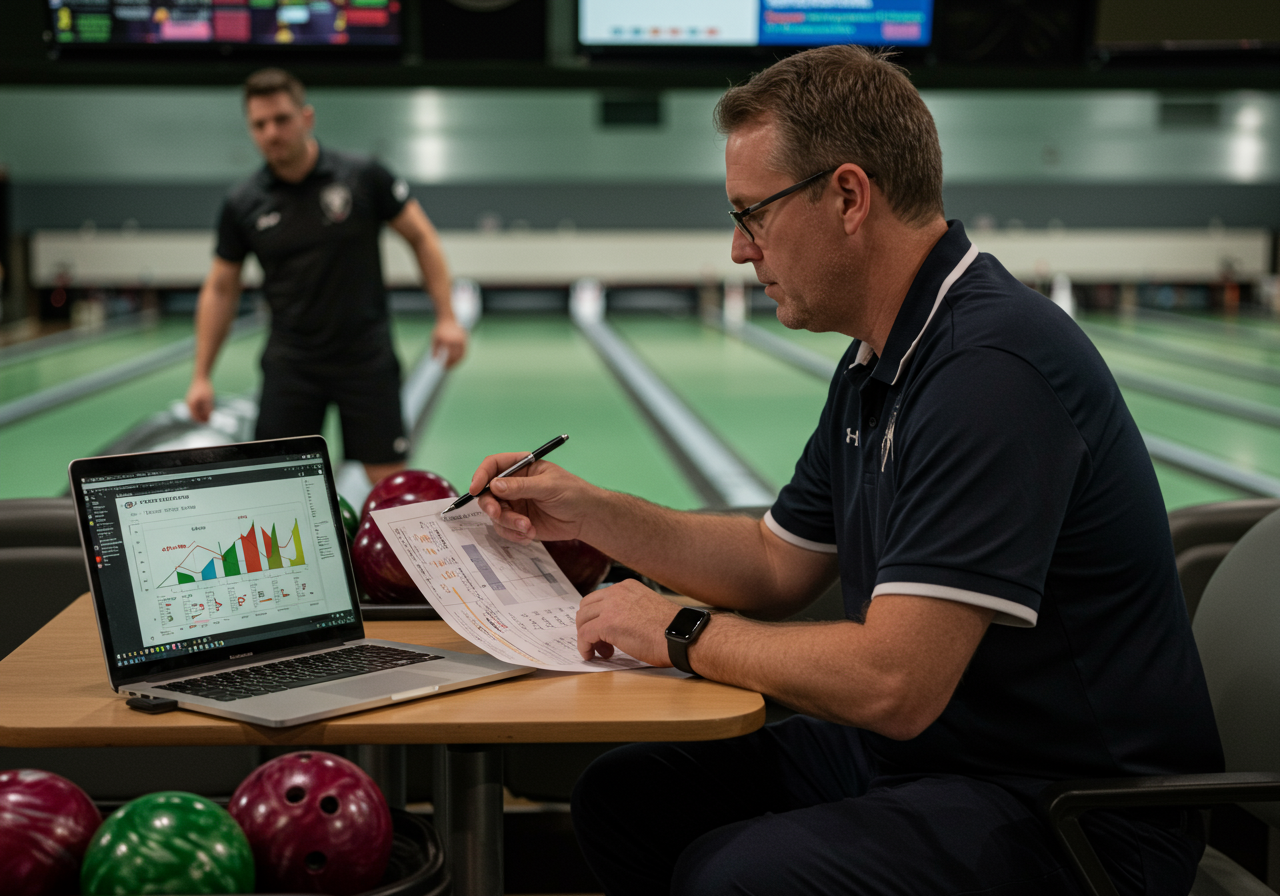
Measure gains and refine strategies for sustainable routine maintenance
Evidence confirms progress. I log averages, spare rates, and fitness markers weekly.
| Person | Timeframe | Bowling metrics | Fitness metrics |
|---|---|---|---|
| Me | 12 weeks | Average +21 pins, Spare rate 72% from 58% | VO2max +8%, RHR −6 bpm |
| Client A | 8 weeks | Ten-pin 80% from 45% | Deadlift +60 lb, HRR +15 bpm |
| Client B | 10 weeks | Open frames down 35% | Single-leg stance +20s |
Clients report calmer decision making in game three. They also report less elbow soreness.
One beginner wrote, “I hit my first 500 series at week nine.” I noted steadier tempo and spare focus.
| Problem | Fix | Action |
|---|---|---|
| Plateaued average | Change spare focus | Run a 200-shot spare week |
| Overtraining signs | Reduce volume | Cut ball count by 30% for seven days |
| Motivation dips | Add mini-goals | Chase 10-pin streaks, track best run |
| Elbow irritation | Technique and load | Lower ball speed 1 mph; add ext-rotation work |
I verify energy work with heart rate. I confirm technique with shot charts and video angles.
I also log lane condition notes. I include oil pattern, ball choice, and starting board.
I keep two apps active: Garmin for HR trends and Strava for intervals.