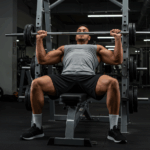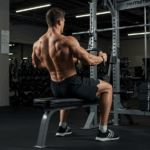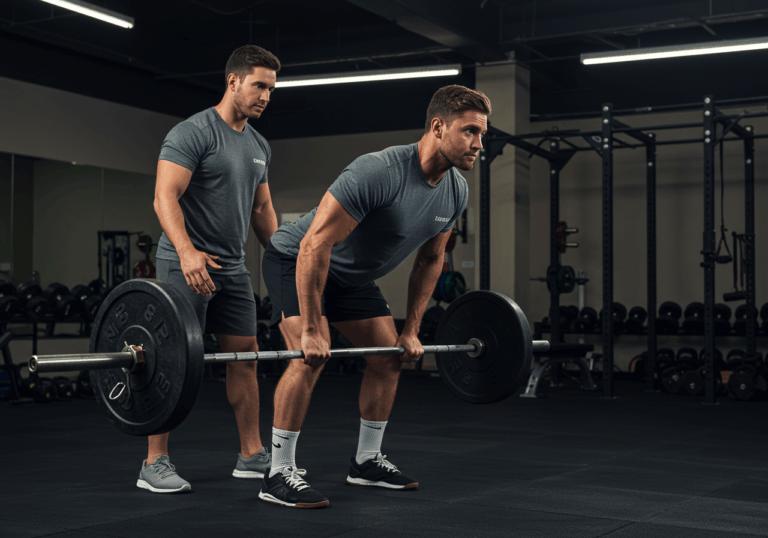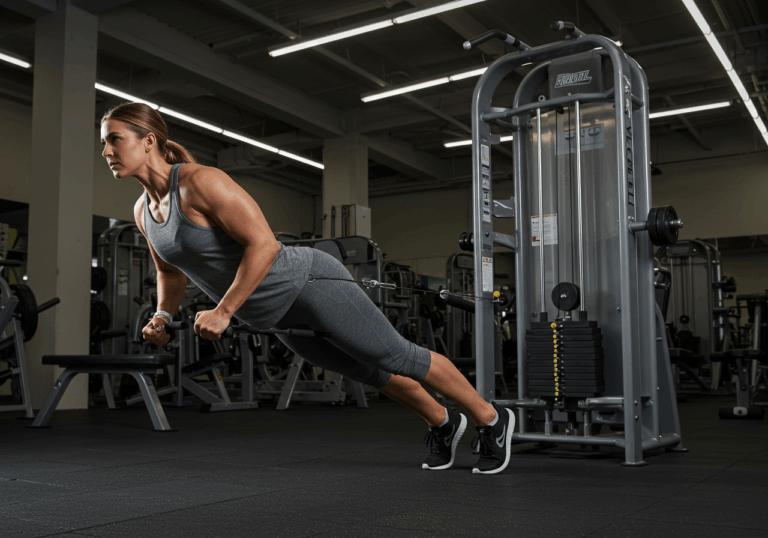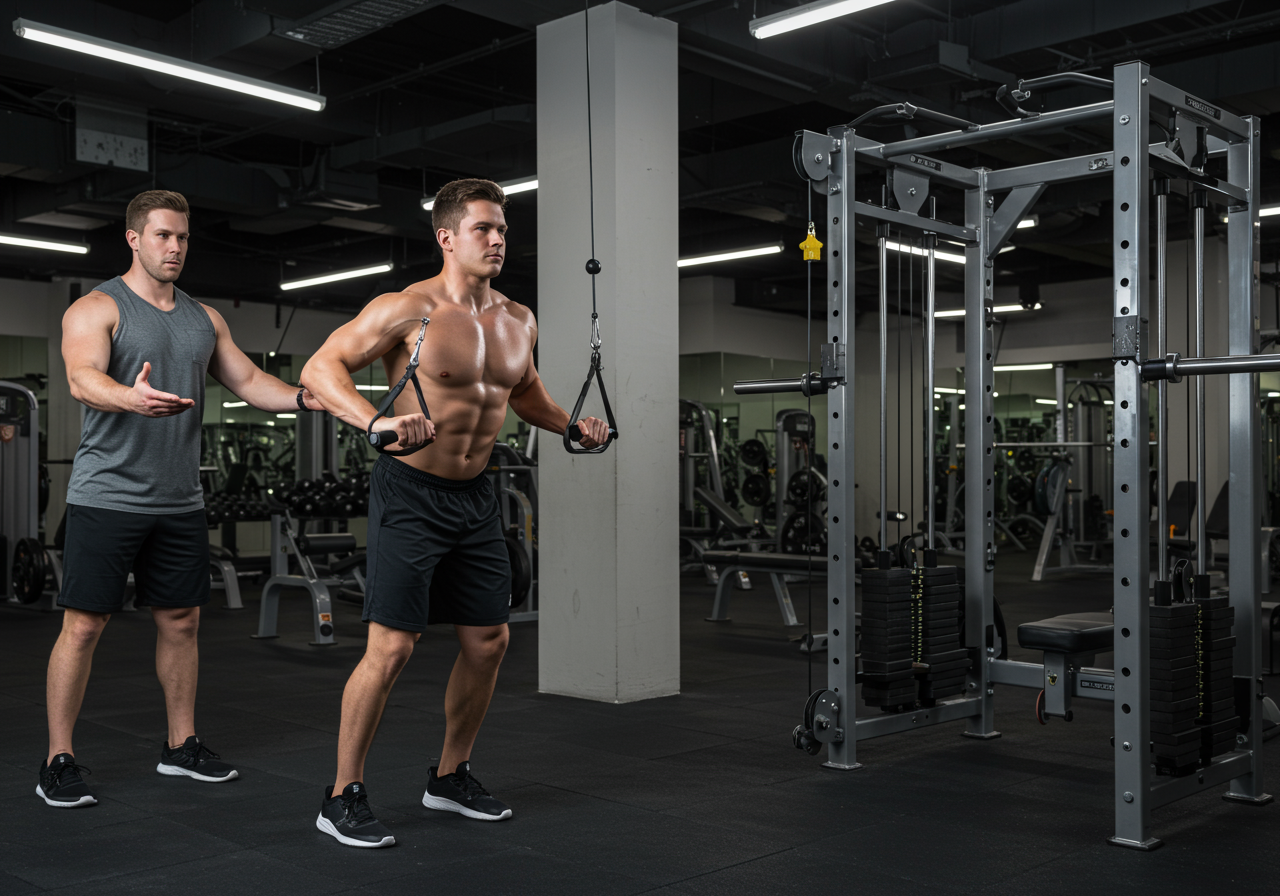
Cable Fly: Target Chest at Various Angles
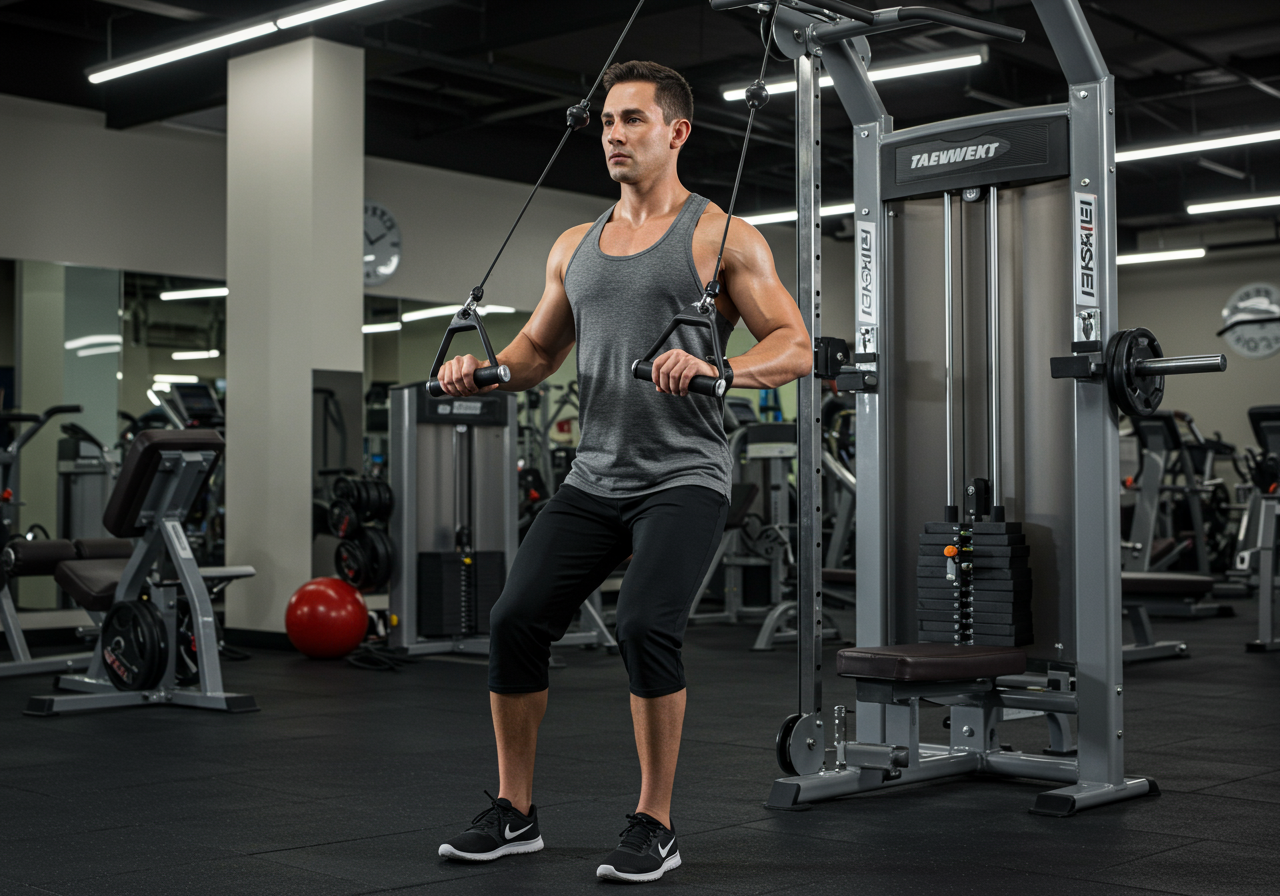
Angle-Driven Chest System Using Cables
This program builds a strong, balanced chest with cables. It targets fibers at multiple angles and tempos. It integrates pressing, pulling, and conditioning for full-body benefit.
Joint-friendly resistance keeps tension constant. That helps beginners feel the muscle without joint stress. It also lets advanced lifters apply precise overload.
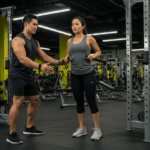
- Set pulleys to match your target angle.
- Stand staggered. Brace your core.
- Pin shoulder blades gently down and back.
- Keep a soft elbow bend. Sweep hands through an arc, not a press.
- Stop when forearms meet your ribcage line. Avoid clanging handles.
| Weekly layout | Focus | Cable Fly Variant | Complementary Lifts | Cardio/Steps |
|---|---|---|---|---|
| Day 1: Push | Upper chest | Low-to-High Fly | Incline DB Press, Overhead Press | 20–30 min Zone 2 walk |
| Day 2: Pull | Posture | — | Rows, Face Pulls | 8–10k steps |
| Day 3: Legs | Lower body | — | Squats, RDLs | Optional bike 15–20 min |
| Day 4: Push | Mid/lower chest | Midline and High-to-Low Fly | Flat Press, Dips or Push-ups | 20–30 min Zone 2 walk |
Training this way improves muscle balance and shoulder comfort. It also supports stronger presses and better posture.
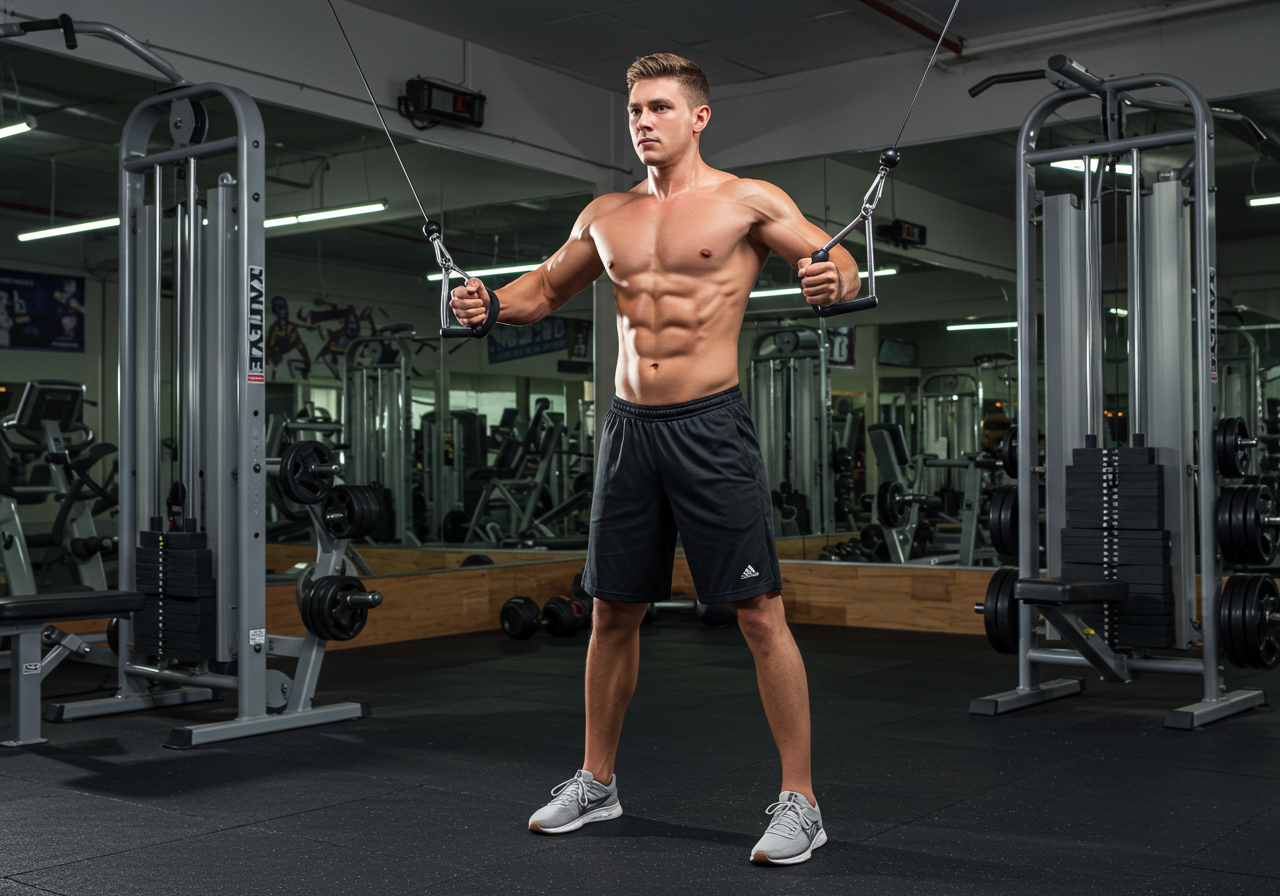
Technique Library for Every Angle
Clean execution protects joints and boosts muscle tension. Follow these short steps for each variation.
Low-to-High Fly (upper chest): Set pulleys below hip level. Step forward and lean slightly. Sweep hands upward toward cheekbone line. Pause briefly with squeezed pecs. Lower under control for 2–3 seconds.
Midline Fly (mid chest): Set pulleys just above shoulder height. Keep arms in the scapular plane, about 30–45 degrees from your torso. Sweep hands to sternum line. Avoid shrugging. Control the return.
High-to-Low Fly (lower chest): Set pulleys high. Hinge slightly at hips. Drive hands down toward navel line. Keep ribcage stacked over pelvis. Do not overextend the spine.
Unilateral Fly (imbalance fix): Use one handle. Plant the same-side foot back. Pull across the body slightly. Match reps and tempo on each side.
| Variant | Pulley height | Primary fibers | Rep target | Common fix |
|---|---|---|---|---|
| Low-to-High | Below hips | Upper/clavicular | 10–15 | Tuck ribs. Do not flare elbows. |
| Midline | Shoulder level | Mid/sternal | 8–12 | Set scapulae first. Avoid shrugging. |
| High-to-Low | Above head | Lower/inf. sternal | 10–15 | Keep elbows below shoulder height. |
| Unilateral | Match target | Weak side emphasis | 8–15/side | Brace core. Avoid trunk twist. |
These precise cues connect your fly work to stronger presses. They also improve shoulder comfort during daily tasks.
Overload Roadmap: Beginner to Advanced
Progress drives results. Use rep targets, tempo control, and small load jumps. Add sets only when recovery looks solid.
| Level | Structure | Sets x Reps | Tempo | Rest | Notes |
|---|---|---|---|---|---|
| Beginner (Weeks 1–4) | Two Push days | 2–3 x 12–15 | 3-1-1 | 90 sec | Leave 2–3 reps in reserve. |
| Intermediate (Weeks 5–10) | Two Push days | 3–4 x 8–12 | 3-1-1 | 90–120 sec | Double progression and add one back-off set. |
| Advanced (Weeks 11–14) | Two Push days | 4 x 8–12 + intensifiers | 3-1-2 | 120 sec | Add mechanical drops or myo-reps sparingly. |
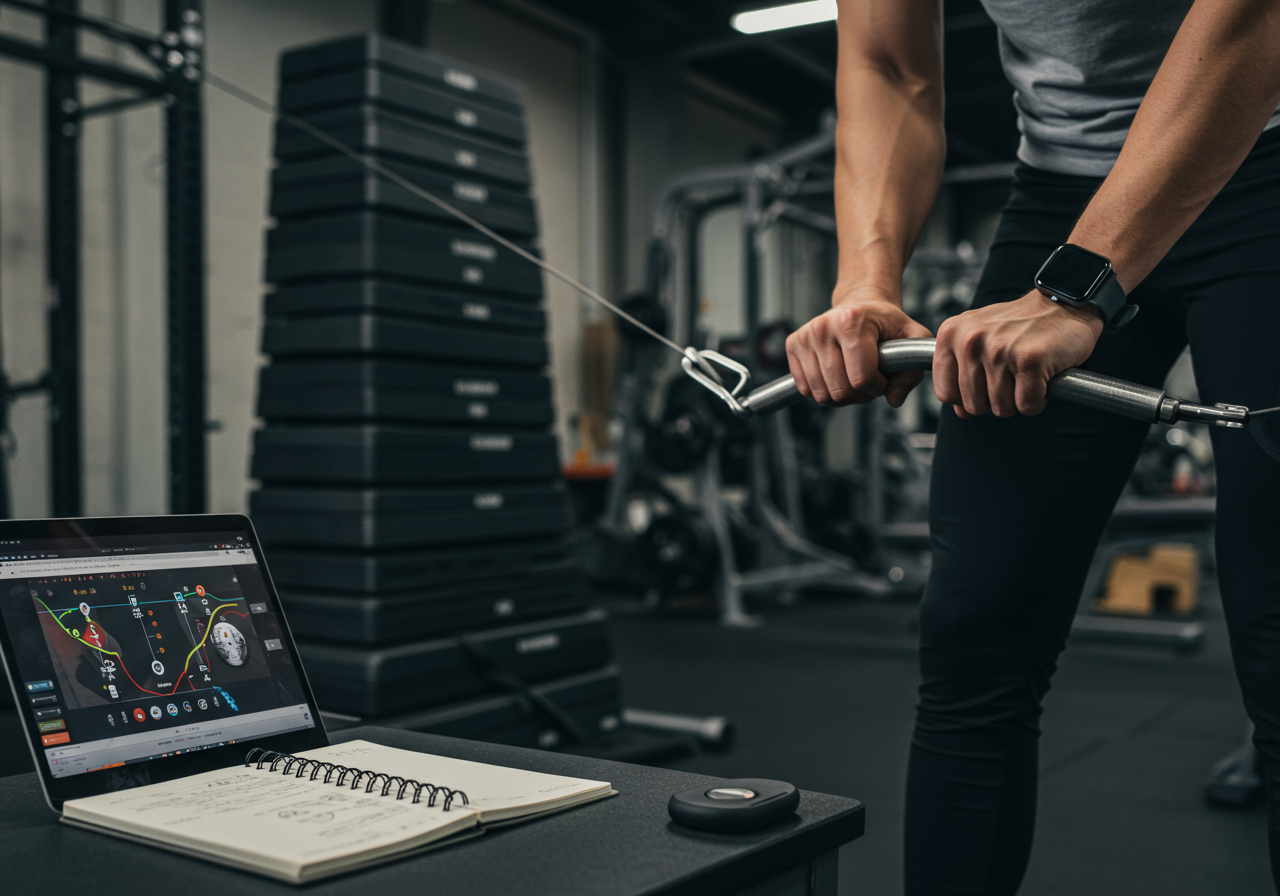
My workout example: Session length 55 minutes. Average heart rate 118 bpm. Peak 145 bpm. I used a Garmin watch for heart rate tracking, which kept rests honest (garmin.com).
Loads used (cable stacks): Low-to-High Fly 32.5 lb per side for 3×12. Midline Fly 37.5 lb per side for 3×10. High-to-Low Fly 35 lb per side for 3×12. I increased 2.5 lb when all sets hit the top rep.
Client progression sample: Maya started with 20 lb per side for 12s. After 8 weeks, she reached 30 lb per side for 12s. Her bench press climbed from 85 lb to 100 lb. Her shoulder felt more stable when carrying groceries.
Fuel, Mobility, and Tracking That Keep You Moving
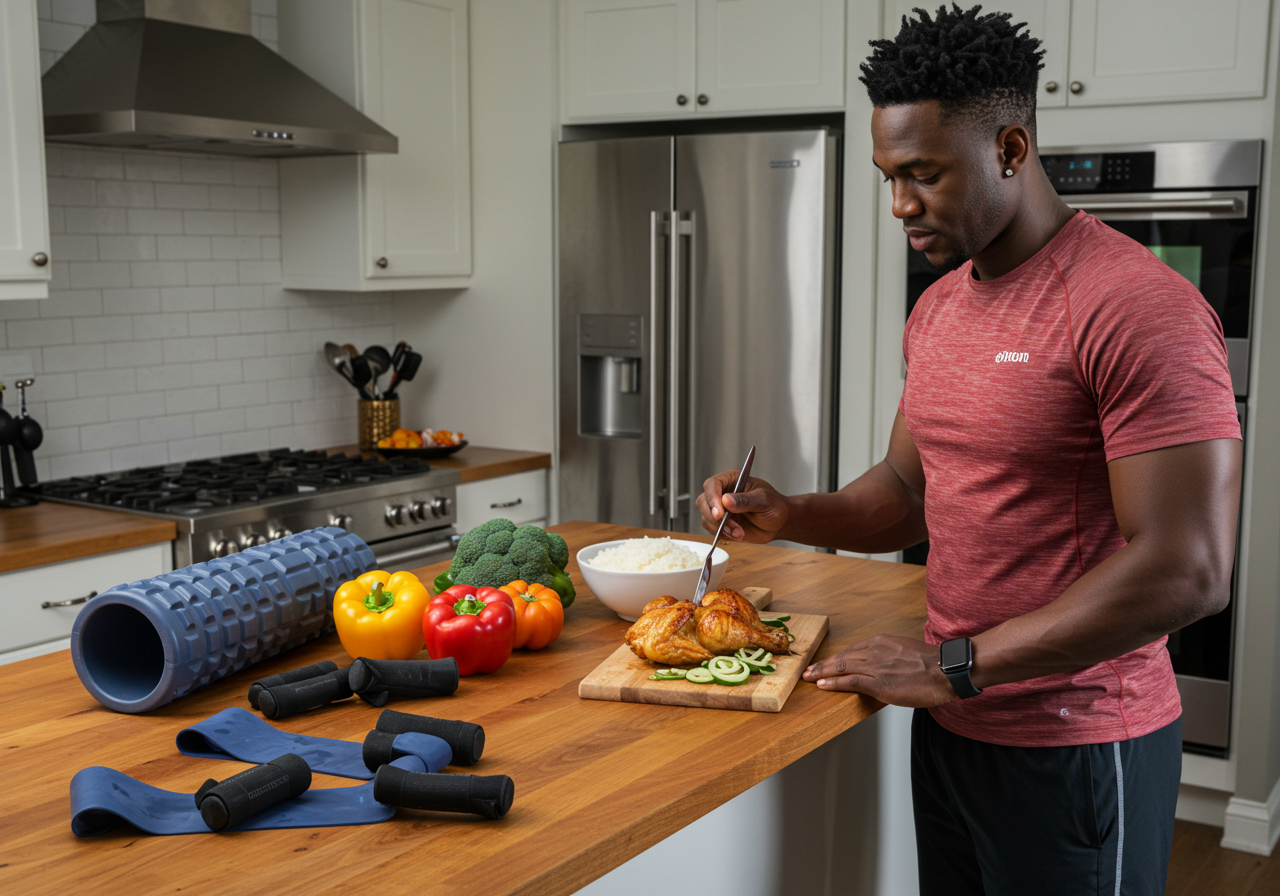
Recovery supports progressive training. Eat enough protein, sleep deeply, and keep shoulders mobile. Track it so you stay honest.
| Goal | Calories | Protein | Carbs | Fats |
|---|---|---|---|---|
| Recomp | Bodyweight x 14–15 | 1.8 g/kg | 2–4 g/kg | 0.7–1 g/kg |
| Gain | +200–300 kcal/day | 2.0 g/kg | 3–5 g/kg | 0.8–1 g/kg |
| Cut | -300–400 kcal/day | 2.2 g/kg | 2–3 g/kg | 0.7–0.9 g/kg |
Supplements I use: Creatine monohydrate 3–5 g daily. Whey isolate 25 g when short on protein. Caffeine 100–200 mg pre-workout if needed. I avoid high doses late day to protect sleep.
- 5 minutes brisk walk or bike.
- Band pull-aparts 2×15.
- Scapular wall slides 2×10.
- Thoracic extensions on foam roller 6–8 reps.
- 2 light fly sets at 50% load.
Sleep and stress: I average 7.5–8.5 hours per night. When sleep drops below 6.5 hours, my pump and strength fall. I reduce one set per exercise on those weeks.
Proof, Testimonials, and Fixes That Keep You Advancing — long-term result interpretation
Measurable results confirm the method. I track loads, reps, and chest symmetry photos every two weeks.
| Metric | Baseline | 6 weeks | 12 weeks |
|---|---|---|---|
| Midline Fly load (for 10) | 32.5 lb/side | 37.5 lb/side | 42.5 lb/side |
| Bench 1RM | 225 lb | 235 lb | 242 lb |
| Chest circumference | 103 cm | 104.5 cm | 106 cm |
Client notes: Maya, 34, said, “My shoulder no longer aches on push-ups.” She added 10 lb per side on flies in 8 weeks. Jordan, 41, reported, “My shirts fit better through the chest. Pressing feels smoother.”
- Plateau on loads: Add one back-off set of 15–20 reps. Slightly increase carbs pre-workout.
- Overuse signs: Persistent front-shoulder soreness means rotate to unilateral flies and reduce one set.
- Motivation dip: Switch handle style and music playlist. Track PRs in small jumps.
- Minor strain: Stop painful sets. Train pain-free ranges only. Add isometric holds at midline for 20–30 seconds.
Tracking tools: I log sessions on paper and sync steps to Garmin for daily activity pacing (garmin.com). I record bodyweight and circumference weekly. I review photos every two weeks in the same lighting.
Sustainability plan: Keep two cable fly angles year-round. Rotate the third angle every mesocycle. Maintain Zone 2 walks for recovery. Hold creatine intake steady. Deload every 6–8 weeks by cutting total sets by 30–40%.