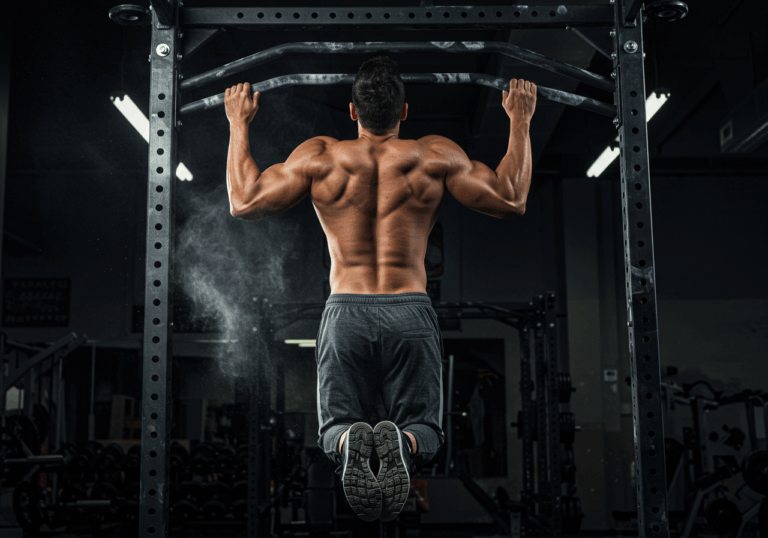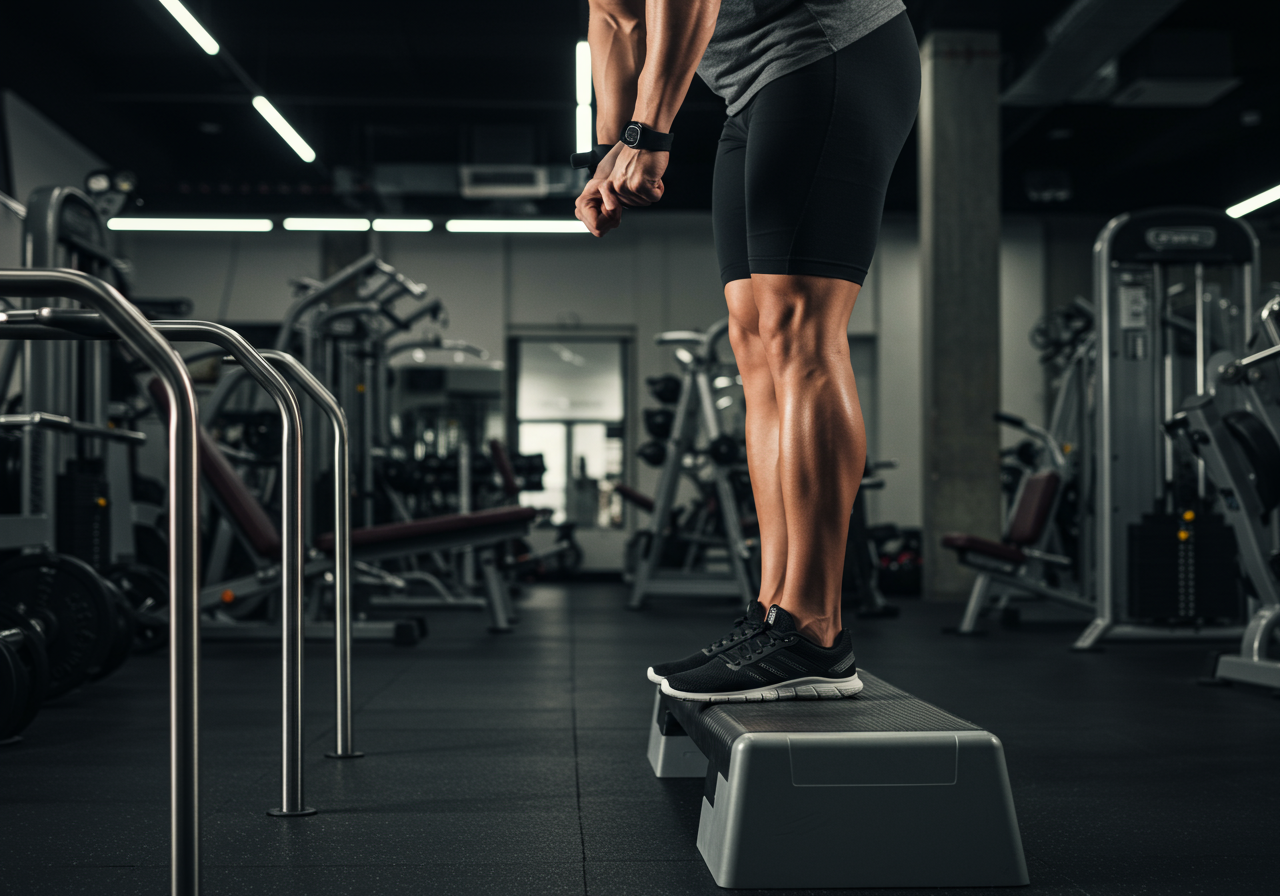
Calf Raises: Strengthen Calf Muscles
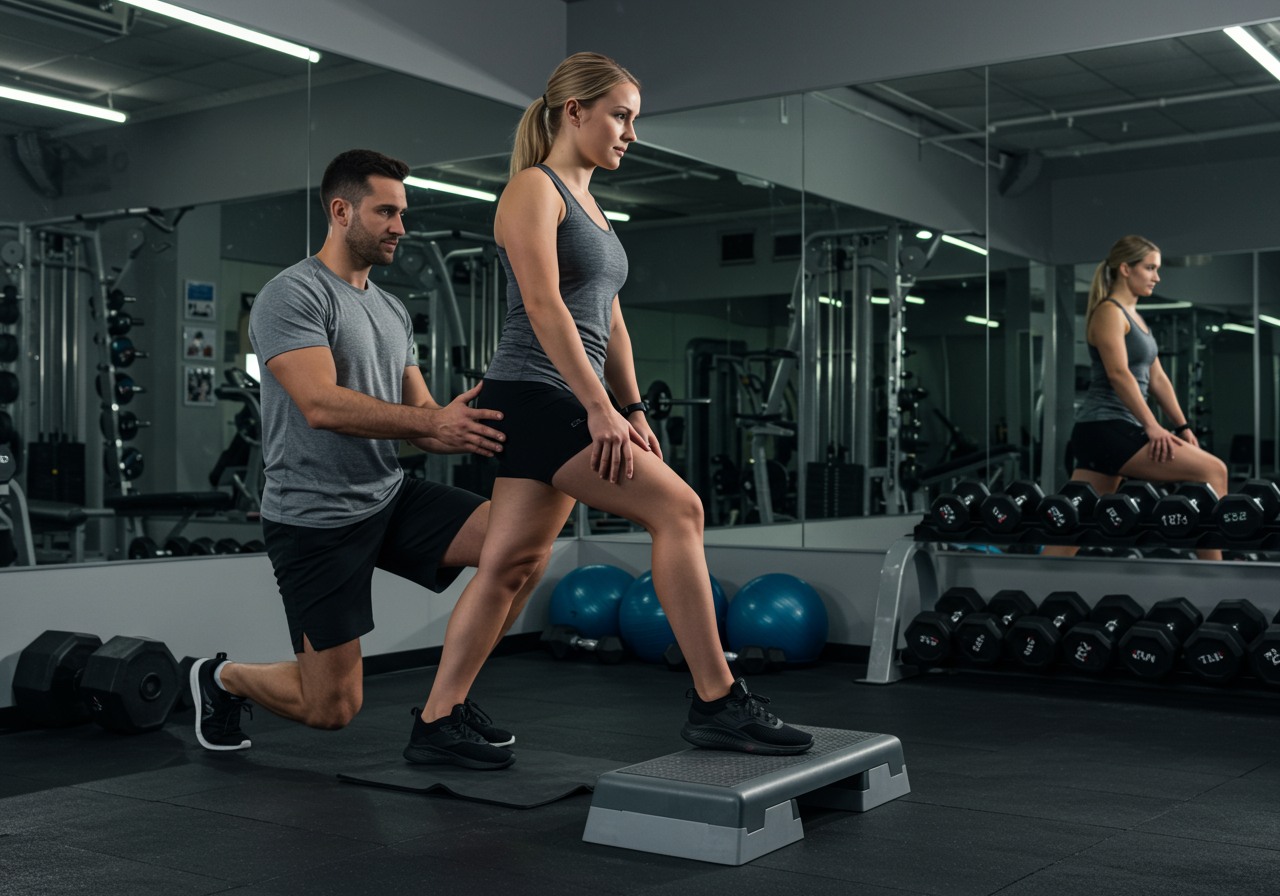
Calf strength blueprint for whole-body performance
Your calves power every step, jump, and climb. Strong calves stabilize ankles and protect knees.
I design calf training to improve movement and endurance. The plan also supports better running and daily stamina.
Why this works:
- The gastrocnemius drives explosive push-off with a straight knee.
- The soleus supports endurance with a bent knee.
- The Achilles stores elastic energy for efficient movement.
- Foot stability improves balance and reduces shin stress.
10-minute starter routine:
- Standing calf raises on floor: 2 sets x 12 reps, tempo 3-1-1.
- Bent-knee calf raises: 2 sets x 15 reps, tempo 2-1-2.
- Tibialis raises against wall: 2 sets x 12 reps.
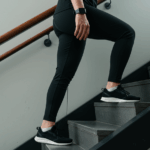
- Easy incline walk: 4 minutes, nasal breathing.
| Day | Key work | Sets x Reps | Tempo | Rest | Load | Notes |
|---|---|---|---|---|---|---|
| Mon | Standing calf raises on step | 3 x 12 | 3-1-1 | 60s | Bodyweight | Full stretch each rep |
| Wed | Seated calf raises | 4 x 10 | 2-2-1 | 75s | Light plate | Knee bent, target soleus |
| Fri | Single-leg calf raises | 3 x 8/side | 3-1-1 | 60s | Support as needed | Control top pause |
This blueprint balances strength, endurance, and control. The sequence prepares you for harder progressions.
Move through pain-free ranges only. Avoid bouncing at the bottom to protect the Achilles.
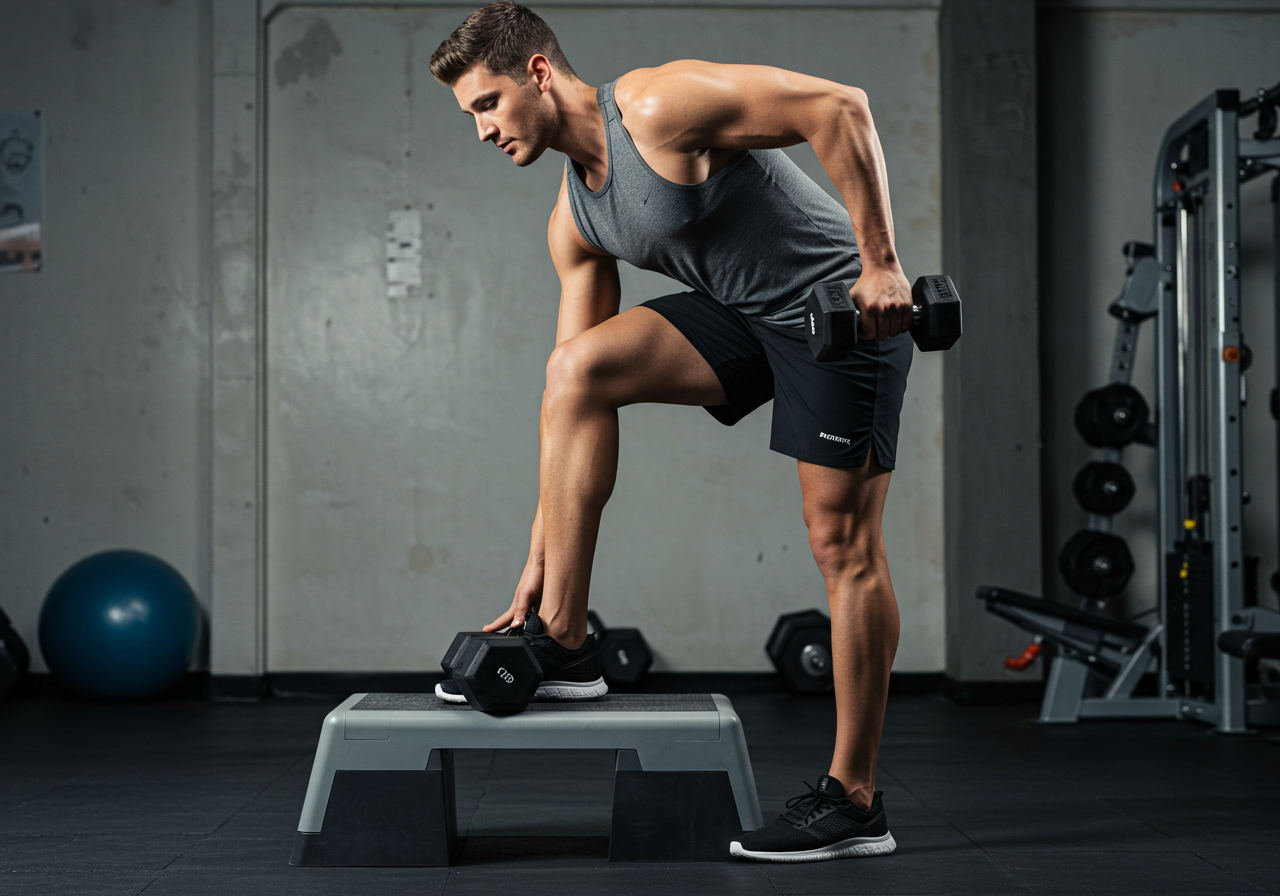
Overload strategies that build rock-solid calves
Smart progressions prevent plateaus and injuries. I rotate variables in a clear order.
Progression levers:
- Range: Use a step for deeper stretch.
- Tempo: Slow eccentrics load tendons safely.
- Load: Add dumbbells or a machine gradually.
- Stability: Move from two legs to one leg.
- Density: Shorten rests once technique is solid.
- Angle: Toes in, neutral, and out for full coverage.
| Level | Main exercise | Volume | Tempo | Rest | Load target | Goal |
|---|---|---|---|---|---|---|
| Beginner | Floor standing raises | 3 x 12-15 | 3-1-1 | 60-75s | Bodyweight | Master control |
| Intermediate | Step standing + seated raises | 4 x 8-12 | 4-1-1 | 75-90s | Add 5-10% weekly | Build strength |
| Advanced | Single-leg raises + explosive hops | 5 x 6-10 | 5-1-1 or fast concentric | 90-120s | RPE 8-9 | Power and resilience |
Four-week overload plan:
- Week 1: Two-leg step raises, 3 x 12, slow tempo.
- Week 2: Add 2.5 kg per hand, same volume.
- Week 3: Single-leg raises, 3 x 8 each side.
- Week 4: Add seated raises, 4 x 10, heavier.
Respect tendons. Increase either load or volume, not both together.
I also use isometric mid-range holds. These calm pain and build tendon strength.
Short pogo hops follow later. I introduce them after four weeks of controlled raises.
Eight-week build with real training metrics
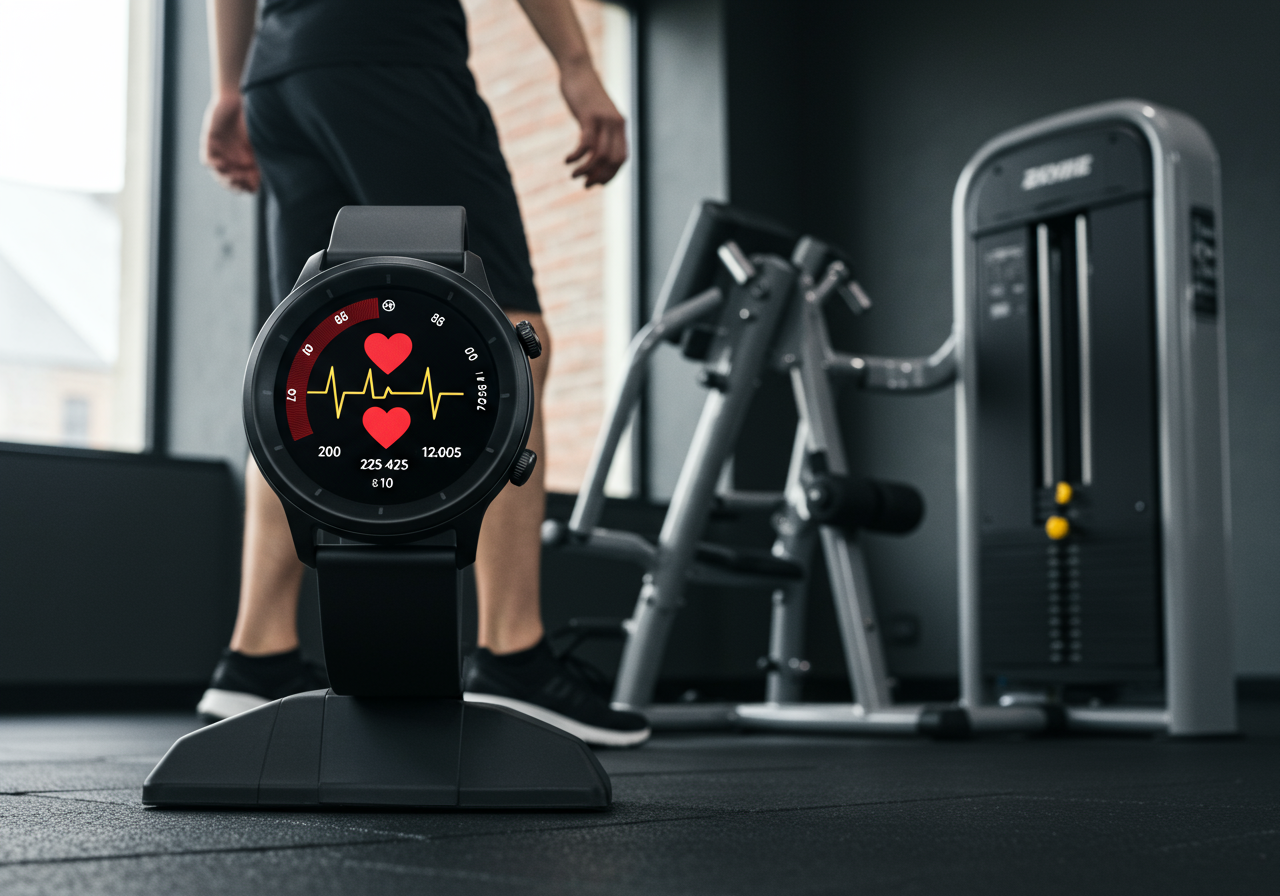
I tracked this cycle with a Garmin watch and Strava. I logged food in MyFitnessPal.
My baseline included 18 single-leg raises per side. I also managed 40 kg on seated raises.
| Week | Standing raises | Seated raises | Cardio support | Notes |
|---|---|---|---|---|
| 1 | 3 x 12 BW, 3-1-1 | 3 x 12 @ 40 kg | Incline walk 20 min, Zone 2 | Focus technique |
| 2 | 3 x 12 + 5 kg each hand | 4 x 10 @ 45 kg | Jump rope 2 x 2 min, Z2-3 | Add pauses |
| 3 | Single-leg 3 x 8 BW | 4 x 10 @ 50 kg | Incline walk 24 min, Z2 | Full stretch |
| 4 | Single-leg 4 x 8 + 5 kg | 5 x 8 @ 55 kg | Pogos 3 x 15, easy | Deload 10% |
| 5 | Step raises 4 x 10 + 7.5 kg | 5 x 8 @ 60 kg | Incline walk 26 min, Z2 | Tempo 4-1-1 |
| 6 | Single-leg 4 x 8 + 7.5 kg | 5 x 6 @ 65 kg | Intervals 5 x 1 min, Z4 | RPE 8 |
| 7 | Isometric holds 5 x 40s | 4 x 10 @ 62.5 kg | Jump rope 3 x 2 min | Pain-free |
| 8 | Single-leg 5 x 6 + 10 kg | 4 x 6 @ 70 kg | Incline walk 30 min, Z2 | Test week |
Tracking details:
- HR zones: Zone 2 ~120–135 bpm for me.
- Session time: 35–45 minutes, three times weekly.
- RPE: Keep 1–2 reps in reserve most sets.
Log your progress: Record reps, load, and tempo in your notes app. Sync cardio in Strava or Garmin. Track nutrition in MyFitnessPal.
My nutrition hit 1.8 g/kg protein daily. Calories sat near maintenance for performance.
I averaged 7.5–8.0 hours of sleep. I used 3–5 g creatine monohydrate daily.
I also used 10 g collagen with vitamin C before tendon work. Hydration stayed at 30–35 ml/kg.
Listen to niggles. I strained a calf once after skipping warm-up. I now warm up diligently.

Results demonstrated with numbers and real voices
These outcomes came from consistent sessions and smart recovery. The data speaks clearly.
| Metric | Start | After 6–8 weeks | Change |
|---|---|---|---|
| Single-leg heel raises | 18 / side | 32 / side | +78% |
| Seated calf raise 1RM | 70 kg | 98 kg | +40% |
| Ankle dorsiflexion, knee-to-wall | 7 cm | 10 cm | +3 cm |
| 5K time | 27:40 | 26:30 | -1:10 |
| VO2 max (watch estimate) | 42 | 45.5 | ~+8% |
Client J.M. reduced shin splints in four weeks. He hiked pain-free after years of discomfort.
Client A.R. improved soccer sprints. She reported stronger push-offs and better late-game stamina.
Why calves influence cardio: The soleus is highly oxidative. Stronger, more enduring calves reduce energy cost during running and walking.
These wins required measured loading and consistent sleep. The tools helped us see patterns and adjust.
We tracked HR and pace with Garmin watches. We logged intake with MyFitnessPal for clarity.
Fixes, mobility, and safe training long-term result interpretation
Common issues appear with new routines. Simple adjustments keep progress moving forward.
Warm-up sequence, 6–8 minutes:
- Bike or walk, 3 minutes, Zone 1-2.
- Ankle circles, 20 each direction.
- Tibialis raises, 2 x 12.
- Calf pumps on step, 2 x 15, slow.
- Isometric mid-range hold, 30 seconds, light load.
Technique cues:
- Press through the big toe and pinky toe evenly.
- Reach a full heel lockout without knee collapse.
- Pause one second at the top for control.
- Use straight knees for gastrocnemius emphasis.
- Use bent knees for soleus emphasis.
| Problem | Likely cause | Solution |
|---|---|---|
| Heel pain at bottom | Overstretching or bouncing | Reduce range slightly, slow tempo, add isometrics |
| Plateau in strength | Same load and tempo | Add 2.5 kg, lengthen eccentric to 4s |
| Burning fatigue too early | Insufficient rest or hydration | Rest 90s, sip electrolytes |
| Shin discomfort | Weak tibialis or landing | Add tibialis work, soften hops, deload |
Pain sharpness above 5/10, swelling, or night pain needs evaluation. Consult a qualified clinician.
Recovery habits matter daily. Aim for 7–9 hours sleep and regular walking.
Plan a deload every fourth week. Reduce volume by 20–30% and maintain technique.
Regain motivation with micro-goals. Chase a 5-rep increase or a 2.5 kg bump.
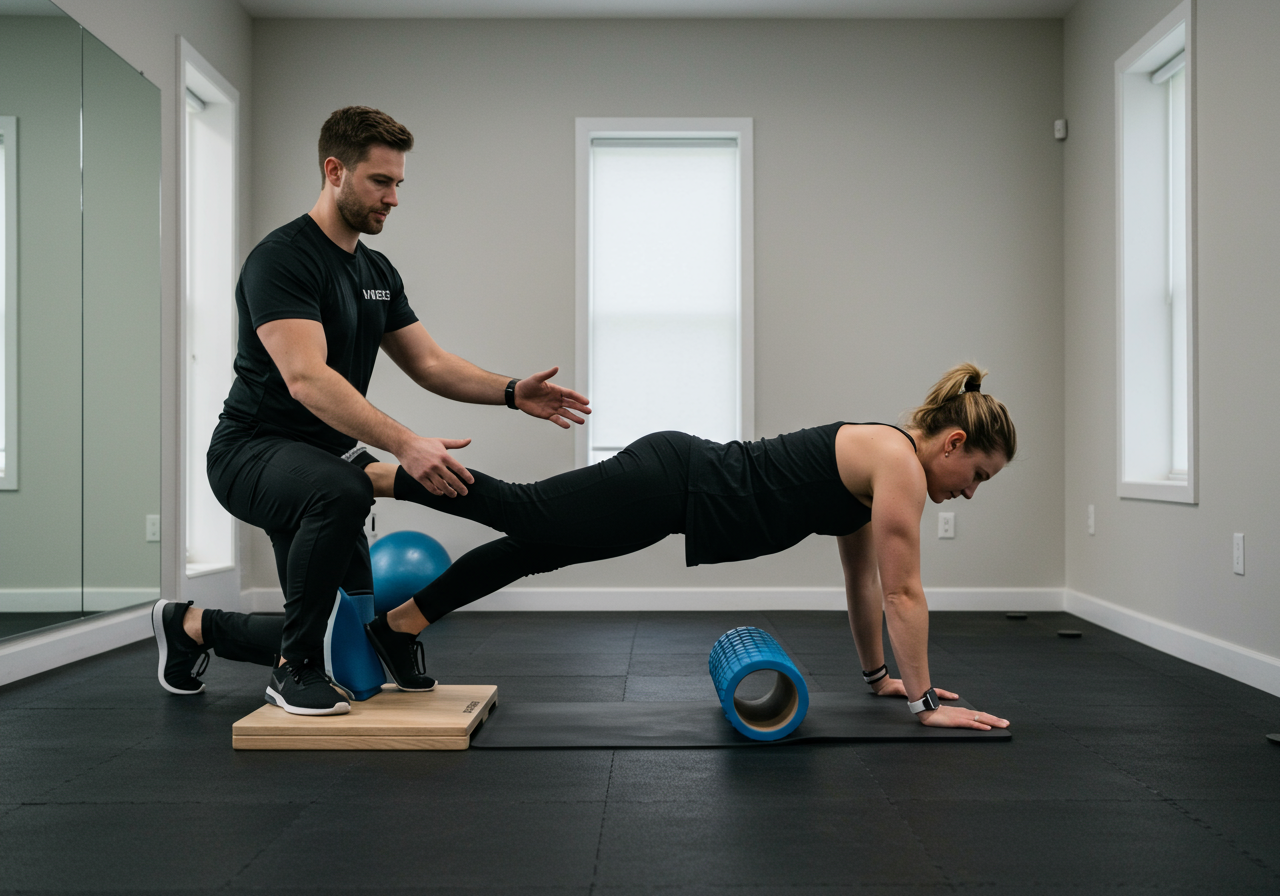
Five-minute mobility finisher: Foam roll calves 60 seconds. Heel-elevated stretch 45 seconds. Ankle rocks 20 reps. Repeat twice.
Consistency wins when life gets busy. Short sessions still move the needle.