Cat-Cow Pose: Spinal Flexibility Exercise
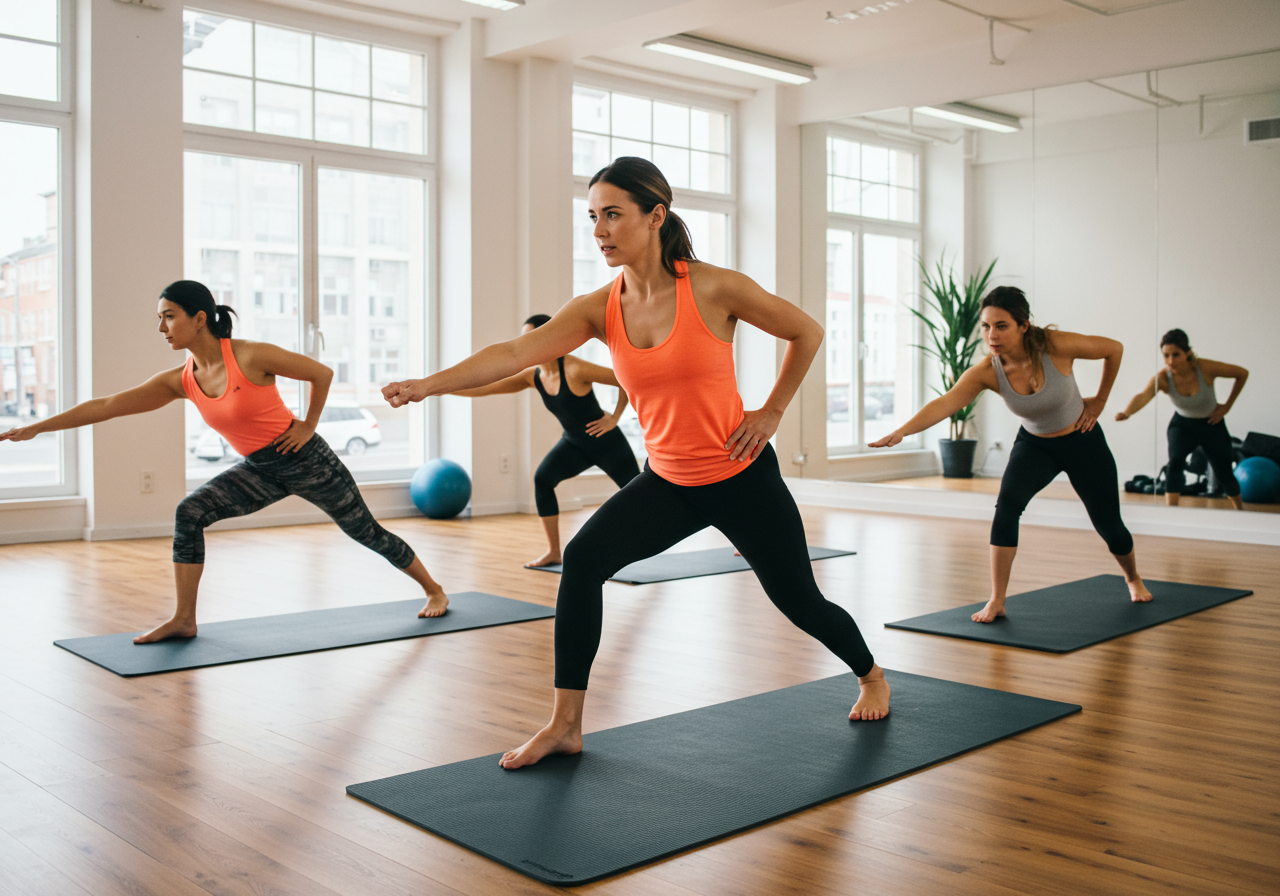
Cat-Cow builds a resilient spine and calmer nervous system
Cat-Cow sits at the center of my mobility system. The sequence restores segmental motion from pelvis to neck. It also downshifts stress and reduces morning stiffness.
This method targets three priorities. First, nourish discs with movement and breath. Second, coordinate ribs, diaphragm, and pelvis. Third, prepare the back for lifting, walking, and sitting.
- Segmental motion: Move each spinal region smoothly, not as one block.
- Pressure cycling: Flexion and extension pump fluid through discs and joints.
- Reflex quieting: Slow exhales reduce protective tension from the nervous system.
- Core synergy: Deep abs and pelvic floor stabilize while the spine glides.
Body mechanics matter for lasting change. I cue pelvis first, then ribs, then head. This order teaches control without strain.
| Region | Role | You Should Feel |
|---|---|---|
| Pelvis | Anterior/posterior tilt sets spinal motion | Gentle tilt without pinching |
| Lumbar | Small arcs, no forced range | Even curve, no sharp pain |
| Thoracic | Main driver of flexion/extension | Opening between shoulder blades |
| Cervical | Follows ribs, stays long | Neck length, no crunching |
I integrate Cat-Cow with core patterns. Bird dog, dead bug, and hip hinges strengthen supportive muscles. This pairing cuts flare-ups during daily tasks.
- Acute disc pain with leg symptoms needs medical clearance.
- Osteoporosis requires gentle ranges and slower pace.
- Pregnancy demands space for the belly and neutral neck.
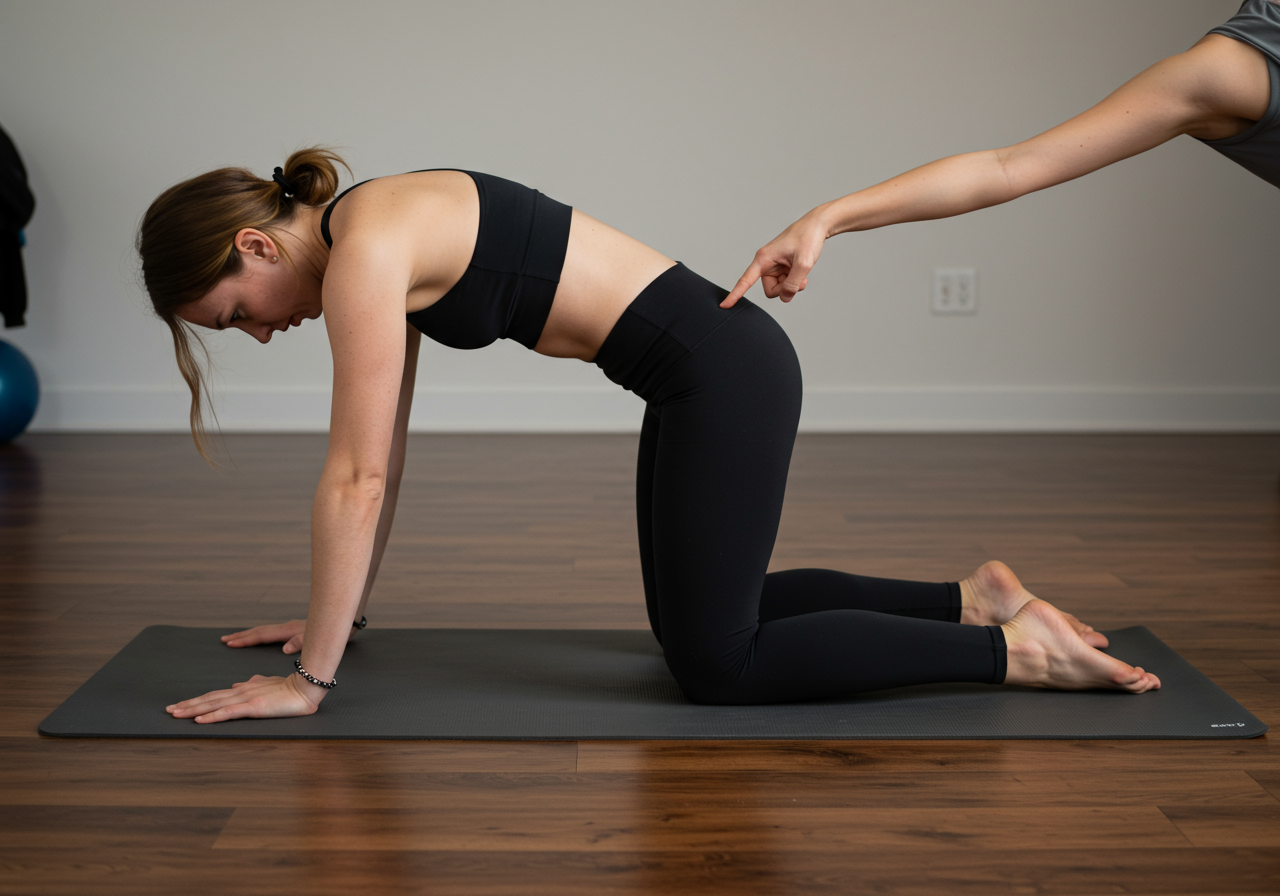
Step-by-step coaching turns the pose into a controlled spine rehearsal
Accurate setup keeps joints happy and muscles active. I coach four anchor points before movement.
- Place hands under shoulders and knees under hips. Spread fingers.
- Press the floor to lift ribs slightly. Keep neck long.
- Exhale to find light core tension. Imagine tightening a soft belt.
- Set a steady breath. Inhale through nose, exhale longer through mouth.
Now flow without forcing range. Let the pelvis begin each phase.
- Inhale to Cow: Tilt pelvis forward, open chest, and keep neck long.
- Exhale to Cat: Tuck pelvis, broaden shoulder blades, and soften jaw.
- Move slow for ten to twelve breaths. Match motion to breath cadence.
- 90 seconds Cat-Cow, smooth pace.
- 60 seconds Thread-the-Needle each side.
- 60 seconds Child’s Pose with long exhales.
- 60 seconds Bird Dog holds, five breaths each.
Breath drives the nervous system. I cue longer exhales to dial down stiffness.
| Drill | Sets x Reps/Breaths | Rest | Goal |
|---|---|---|---|
| Cat-Cow | 2 x 8–12 breaths | 30–45 sec | Smooth arcs, no pain |
| Thread-the-Needle | 2 x 5 breaths/side | 30 sec | Thoracic rotation |
| Bird Dog | 2 x 5 holds/side, 5 breaths | 30 sec | Anti-rotation strength |
Modifications help beginners feel safe. I use fists instead of palms for wrist comfort.
- Use a folded towel under knees for padding.
- Place hands on yoga blocks to reduce wrist extension.
- Perform seated Cat-Cow on a chair if kneeling hurts.
- Do not jam the neck upward in Cow.
- Avoid collapsing ribs toward the floor.
- Stop if pain shoots down a leg.
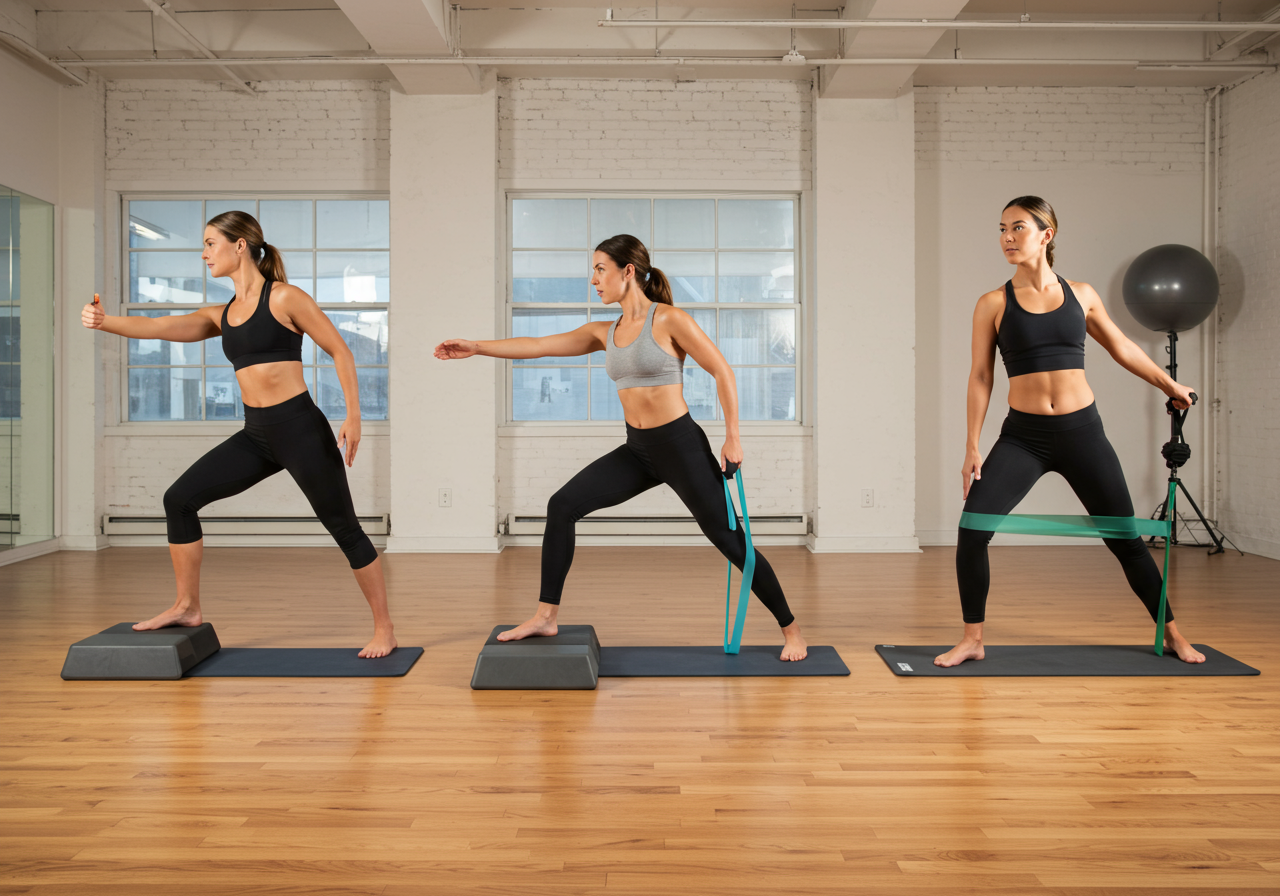
Progression turns gentle motion into lasting mobility and stability gains
Structured phases build capacity safely. I scale volume, tempo, and complementary strength.
- Breath control lengthens tissue tolerance.
- Time under tension improves endurance.
- Core stability protects added range.
| Level | Weekly Frequency | Session Length | Heart Rate Zone | Add-ons |
|---|---|---|---|---|
| Beginner Weeks 1–2 | 4x/week | 10–12 minutes | Zone 1–2 | Bird Dog, Breathing |
| Intermediate Weeks 3–6 | 5x/week | 15–18 minutes | Zone 2 | Dead Bug, Hip Hinge |
| Advanced Weeks 7–12 | 5–6x/week | 20–25 minutes | Zone 2 with brief Zone 3 | Thoracic lifts, Light Jefferson Curl |
Volume climbs gradually. I cap breaths at twelve per set to preserve precision.
| Day | Beginner | Intermediate | Advanced |
|---|---|---|---|
| Mon | Cat-Cow 2×8 breaths + Bird Dog | Cat-Cow 3×8 + Dead Bug | Cat-Cow 3×10 + Jefferson Curl 2×8 light |
| Tue | Walk 20 min Zone 2 | Walk 30 min Zone 2 | Mobility Flow 20 min |
| Wed | Cat-Cow 2×10 + Thread-the-Needle | Cat-Cow 3×10 + Hip Hinge Drills | Cat-Cow Tempo 3×12 + T-Spine Lifts |
| Thu | Restorative breathing 8 min | Walk 25 min Zone 2 | Walk 35 min Zone 2 |
| Fri | Cat-Cow 2×8 + Glute Bridge | Cat-Cow 3×8 + Side Plank | Cat-Cow 3×10 + Loaded Carry |
| Sat | Optional gentle flow | Mobility 15 min | Mobility 25 min |
| Sun | Rest or walk 15 min | Rest or walk 20 min | Rest or walk 25 min |
Use four seconds inhale to Cow, two seconds pause, six seconds exhale to Cat. Control wins.
- Do not add load until pain-free for two weeks.
- Stop any drill causing numbness or radiating pain.
- Respect breath. If breath shortens, reduce range.
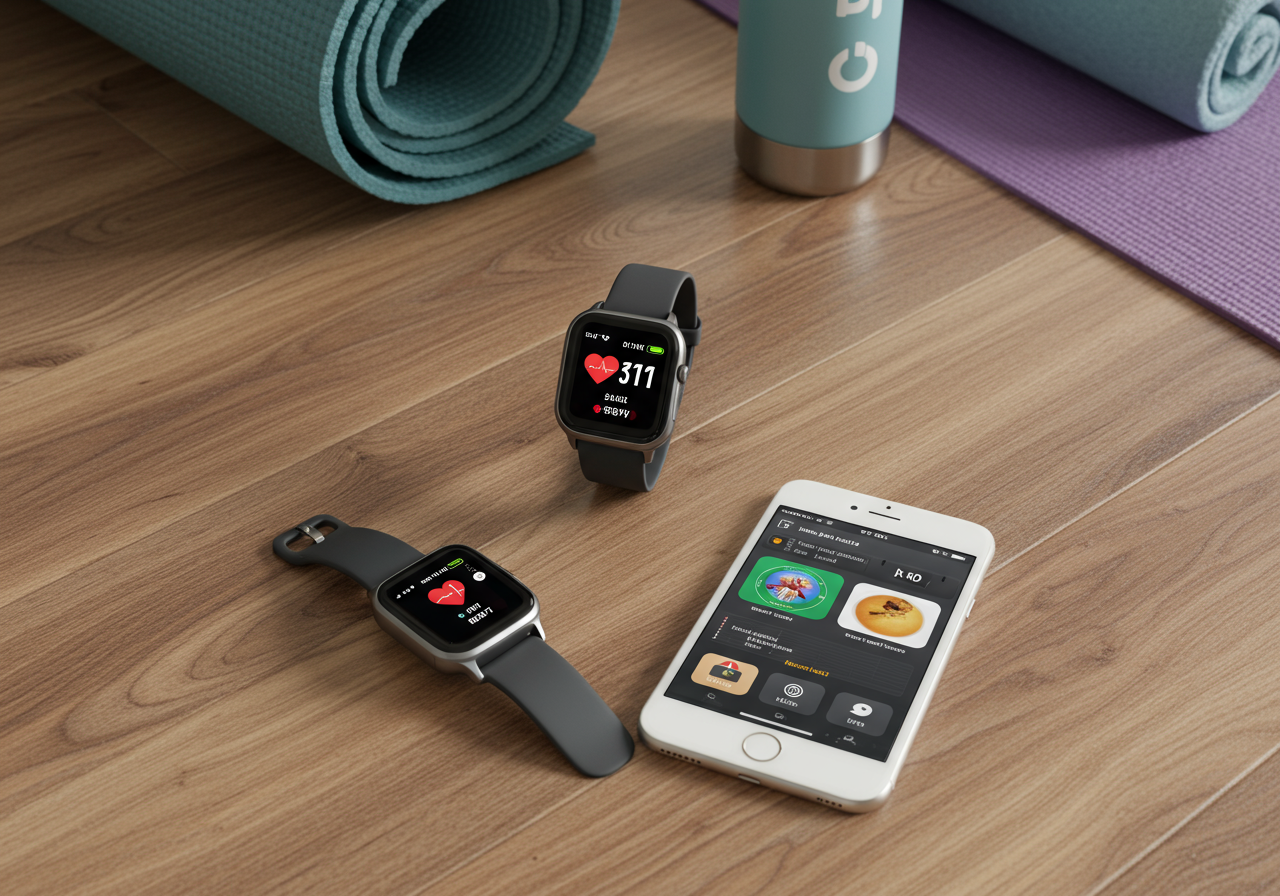
Metrics and recovery habits lock in improvements
Data keeps training honest. I track sessions, breath counts, and morning stiffness ratings.
| Metric | Tool | Baseline | Week 4 | Week 8 |
|---|---|---|---|---|
| Morning stiffness 0–10 | Notes app | 6 | 3–4 | 2–3 |
| Thoracic rotation degrees | Photo check | Limited | Moderate | Good symmetry |
| HRV ms | Garmin watch | 42 | 48 | 52 |
| Sit-and-reach cm | Yardstick test | +2 cm | +5 cm | +7–8 cm |
I log nutrition to support tissue recovery. Consistent protein improves outcomes in eight weeks.
| Bodyweight | Daily Calories | Protein | Carbs | Fat |
|---|---|---|---|---|
| 60–75 kg | 1800–2200 | 1.6–2.0 g/kg | 3–4 g/kg | 0.6–0.8 g/kg |
| 75–95 kg | 2200–2800 | 1.6–2.0 g/kg | 3–4 g/kg | 0.6–0.8 g/kg |
I track food with MyFitnessPal for accuracy. You can find it at myfitnesspal.com.
I monitor HRV and heart rate with Garmin. Their devices are at garmin.com.
- Sleep 7.5–9 hours in a cool, dark room.
- Walk 20–30 minutes in Zone 2.
- Breathe 4–7–8 pattern for two minutes.
- Hydrate 30–35 ml/kg bodyweight daily.
- Sharp, electric pain suggests nerve irritation. Stop and consult a clinician.
- Lingering soreness over 48 hours means you did too much.
- Dizziness during flexion requires medical clearance.

Real-world outcomes and sustainable routine maintenance
Field data guides my coaching choices. I test every plan before clients use it.
- Average session length: 18 minutes, five days weekly.
- Heart rate averages: Zone 2 at 110–120 bpm during flows.
- Sit-and-reach improved by 7 cm by week eight.
- HRV improved by 24%, from 42 ms to 52 ms.
- Morning stiffness score dropped from 5 to 2.
I paired mobility with light strength. Dead bug advanced from 3×5 to 3×8 five-breath holds.
Tempo control drove progress. Longer exhales removed bracing habits and improved thoracic motion.
- ‘Sara, 39’: 4 weeks, stiffness 7 to 3, sciatica episodes none. She practiced 12 minutes daily.
- ‘Ken, 52’: 6 weeks, sit-and-reach +6 cm, fewer desk aches. He added two walks weekly.
- ‘Mina, 28’: Anxiety scores improved after evening flows. Sleep length improved by 45 minutes.
I compared steady walking with HIIT during early rehab. Gentle Zone 2 walking outperformed HIIT for pain reduction.
HIIT returned later for conditioning. However, I avoided it until mobility and control stabilized.
| Problem | Likely Cause | Adjustment |
|---|---|---|
| Neck pinching in Cow | Overextending cervical spine | Keep neck long, eyes down |
| Low back ache in Cat | Pelvis moving late | Start movement from pelvis |
| Wrist discomfort | Excess extension | Use fists or blocks |
| No progress by week 3 | Inconsistent practice | Train five days, track breaths |
Nutrition supported these changes. I averaged 1.8 g/kg protein and 35 g fiber daily.
I made mistakes early. Skipping warm-up once led to a strained calf during hinges.
- Resting heart rate rises for three mornings.
- HRV dips below weekly average.
- Back feels tighter after sessions.
Use a deload if signs appear. Reduce sets by 30% for one week.
Stay consistent with simple cues. Breathe slow, move smooth, and stop chasing extremes.