Deadlifts: Full Posterior Chain Strengthener
Deadlift-led total strength framework
This program places deadlifts at the core of strength development. It builds the entire back side. It links strength, conditioning, and mobility into one plan. It uses simple steps beginners can follow.
- Hinge pattern first: push hips back and keep a neutral spine.
- Brace hard: inhale, expand your belly, and lock your ribcage down.
- Load management: increase weight slowly and track fatigue every week.
- Specificity: pull from the floor weekly, then add variations strategically.
- Frequency: train the hinge two times weekly for faster learning.
- Balance: pair pulling with core, single-leg work, and upper back volume.
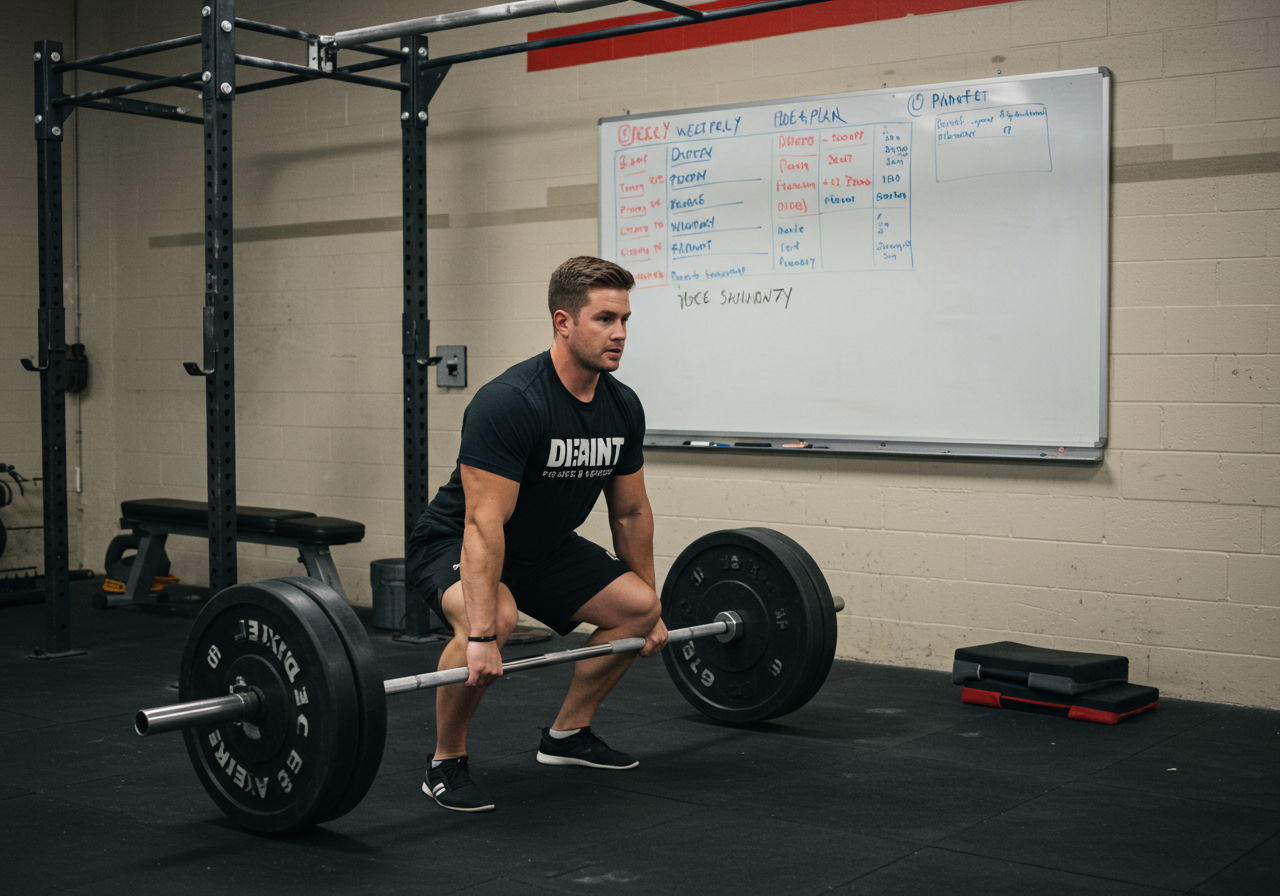
- Stand with midfoot under the bar.
- Grip just outside legs and squeeze lats tight.
- Pull slack from the bar until it clicks.
- Drive the floor away and keep the bar close.
- Lock out by squeezing glutes, not leaning back.
| Day | Focus | Main Lift | Accessories | Conditioning | Mobility |
|---|---|---|---|---|---|
| Mon | Technique | Trap-bar deadlift | Split squats, bird dogs | Zone 2, 20 minutes | Hip openers, 8 minutes |
| Tue | Upper back | Rows or pull-ups | Face pulls, curls | Walk, 30 minutes | T-spine, 6 minutes |
| Thu | Strength | Conventional deadlift | Hamstring curls, planks | Intervals, 10x30s Zone 4 | Hamstring floss, 8 minutes |
| Sat | Volume | Romanian deadlift | Back extensions, carries | Bike, Zone 2, 25 minutes | 90/90 breathing, 5 minutes |
This layout organizes your week logically. It supports steady strength growth. It also improves conditioning without draining recovery.
Progressions that build safe power
Progress drives results and protects joints. It moves from simple to complex variations. It raises volume, intensity, or density gradually.
- Load: add 2–5 lb weekly on main sets.
- Volume: add one set when reps feel easy.
- Density: cut rest by 15–30 seconds when technique stays crisp.
- Range: elevate toes or use deficits later.
- Tempo: slow eccentrics teach control.
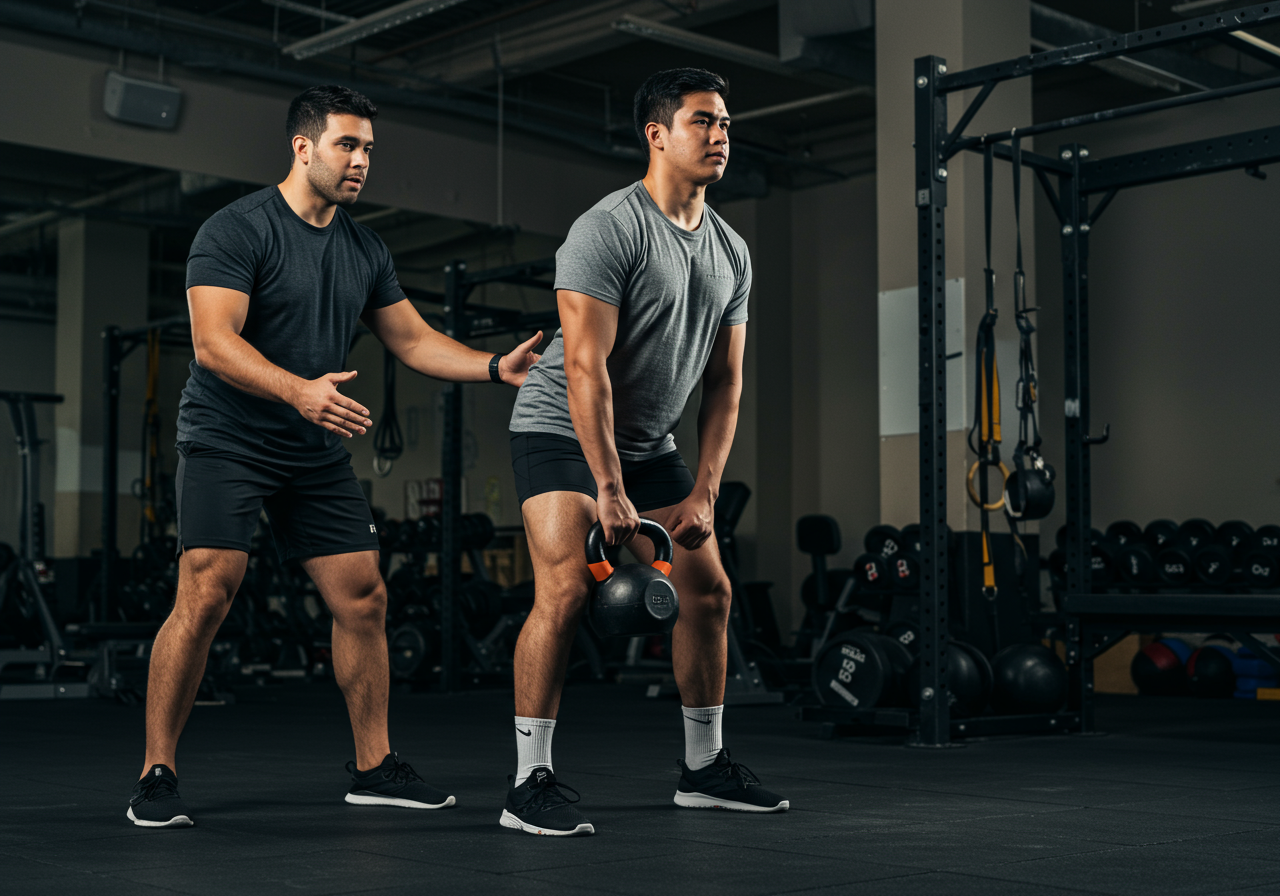
- Complexity: move from kettlebell to barbell then specialty bars.
| Level | Main Variation | Sets x Reps | Rest | Target RPE |
|---|---|---|---|---|
| Beginner Weeks 1–4 | Kettlebell or Trap-bar | 3×6–8 | 90–120s | 6–7 |
| Intermediate Weeks 5–8 | Conventional or Sumo | 4×4–6 | 120–180s | 7–8 |
| Advanced Weeks 9–12 | Paused or Deficit | 5×3–5 | 150–210s | 8–9 |
Use percentage guidelines for clarity. Keep bar speed consistent. Stop sets when technique degrades.
| Week | Top Set | Back-off Sets | Note |
|---|---|---|---|
| 1 | 1×5 @ 70% | 2×6 @ 65% | Find groove |
| 2 | 1×5 @ 72.5% | 3×5 @ 67.5% | Add small load |
| 3 | 1×4 @ 77.5% | 3×4 @ 72.5% | Focus speed |
| 4 | 1×3 @ 80% | 3×3 @ 75% | Deload after |
- Hip hinge with dowel, 2×10 slow reps.
- Kettlebell deadlift, 3×8 light load.
- Tempo RDL, 2×8 with 3-second lowering.
Do not max weekly. Leave one to two reps in reserve. Respect any sharp pain immediately.

Live logs and tracking methods
Data confirms progress and protects recovery. I track loads, heart rate, and sleep each week. I use simple tools consistently.
- Garmin watch for heart rate zones (garmin.com).
- Strava for cardio logs (strava.com).
- MyFitnessPal for nutrition (myfitnesspal.com).
Here is my recent six-week training log. I lifted three days weekly. I kept two easy cardio sessions.
| Week | Deadlift Top Set | Total Volume | Zone 2 Minutes | VO2 max | Bodyweight | Waist |
|---|---|---|---|---|---|---|
| 1 | 225 lb x5 @ RPE7 | 5,200 lb | 70 | 43 | 184 lb | 35.0 in |
| 2 | 235 lb x5 @ RPE7 | 5,600 lb | 72 | 43 | 183 lb | 34.7 in |
| 3 | 245 lb x4 @ RPE8 | 6,000 lb | 75 | 44 | 182 lb | 34.5 in |
| 4 | 255 lb x4 @ RPE8 | 6,400 lb | 80 | 45 | 181 lb | 34.1 in |
| 5 | 265 lb x3 @ RPE8 | 6,700 lb | 82 | 46 | 180 lb | 33.8 in |
| 6 | 275 lb x3 @ RPE8 | 7,100 lb | 85 | 46 | 179 lb | 33.4 in |
Sessions lasted 55–70 minutes. Garmin showed most cardio in Zone 2. Intervals hit Zone 4 briefly.
- Calories: 2,350–2,450 daily for slow fat loss.
- Macros: 180g protein, 260g carbs, 70g fat.
- Hydration: 2.8–3.2 liters daily.
- Sleep: 7.5–8.5 hours nightly, cool room.
- Supplements: creatine 5g, vitamin D per labs, caffeine pre-lift.
Client Ana followed a similar structure. She used lighter trap-bar pulls initially. She recorded every session.
“My back pain reduced, and I felt taller,” Ana reported. “I added 40 pounds to my trap-bar.”
I once skipped my warm-up. I felt a minor hamstring twinge that week. I never skip prep now.
Recovery, mobility, and problem solving
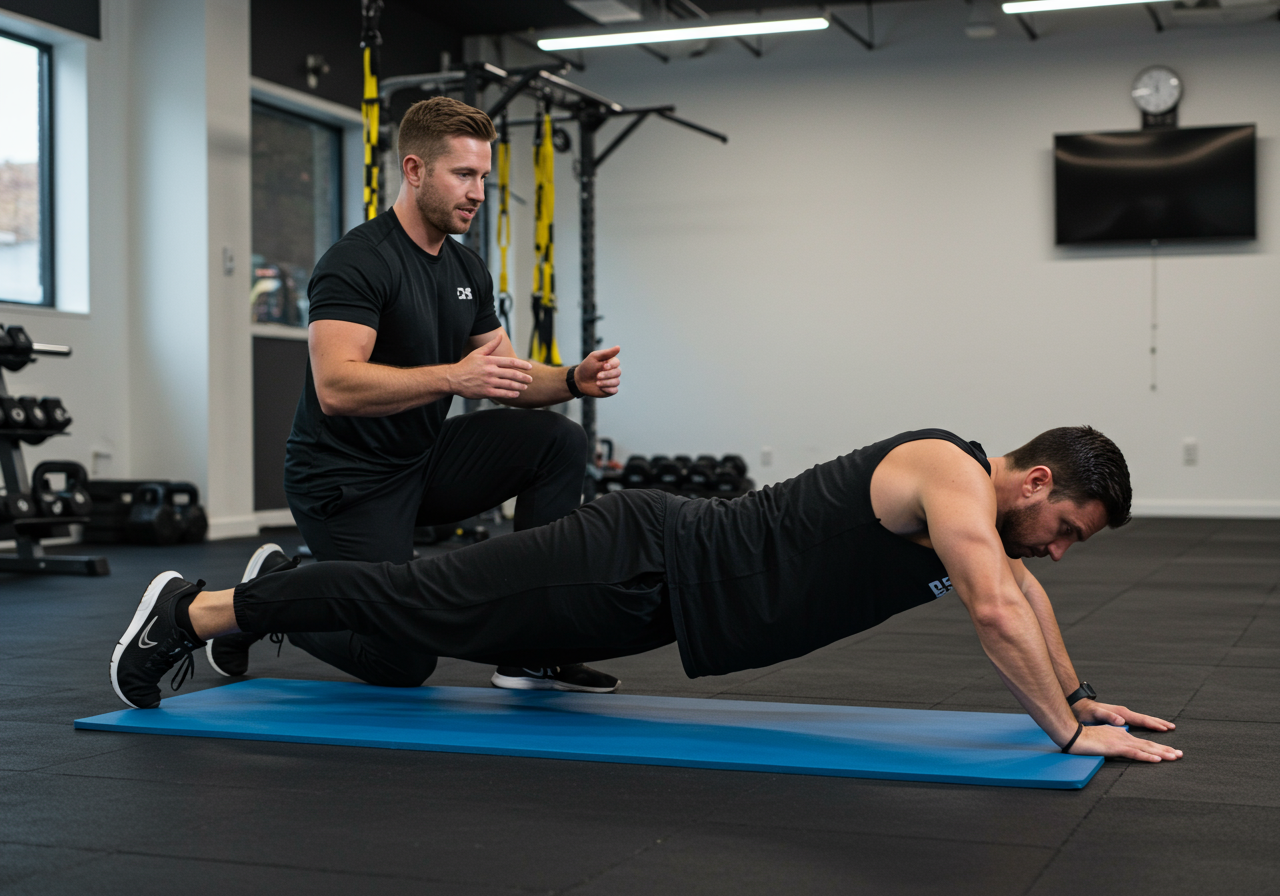
Recovery habits keep progress steady. Mobility work ensures smooth hip hinging. Smart adjustments prevent stalls and setbacks.
- 90/90 breathing, 2 minutes, slow exhales.
- Hamstring floss with band, 2×10 each side.
- Hip airplanes holding rack, 2×6 each side.
- Cat-camel, 2×8 gentle ranges.
| Issue | Fix | Test |
|---|---|---|
| Bar drifts forward | Squeeze lats; drag bar up shins | Film from side |
| Rounding at start | Raise hips; brace harder; reduce load | Wall hinge drill |
| Grip fails | Use hook or straps on volume | Hold 30s farmer carry |
| Stuck plateau | Deload one week by 30% | Return with fewer sets |
- Sharp, radiating pain means you must stop the session.
- Persistent fatigue, poor sleep, and low motivation suggest a deload.
- Back pump that eases quickly is normal; sharp pain is not.
- Hard week: add 200–300 calories on lifting days.
- Deload week: maintain protein; cut carbs slightly.
- Hydrate before intervals; include electrolytes in heat.
Use Garmin sleep scores to gauge readiness. Log meals in MyFitnessPal to stay consistent. Both tools support better decisions.
Weekly execution with coaching detail
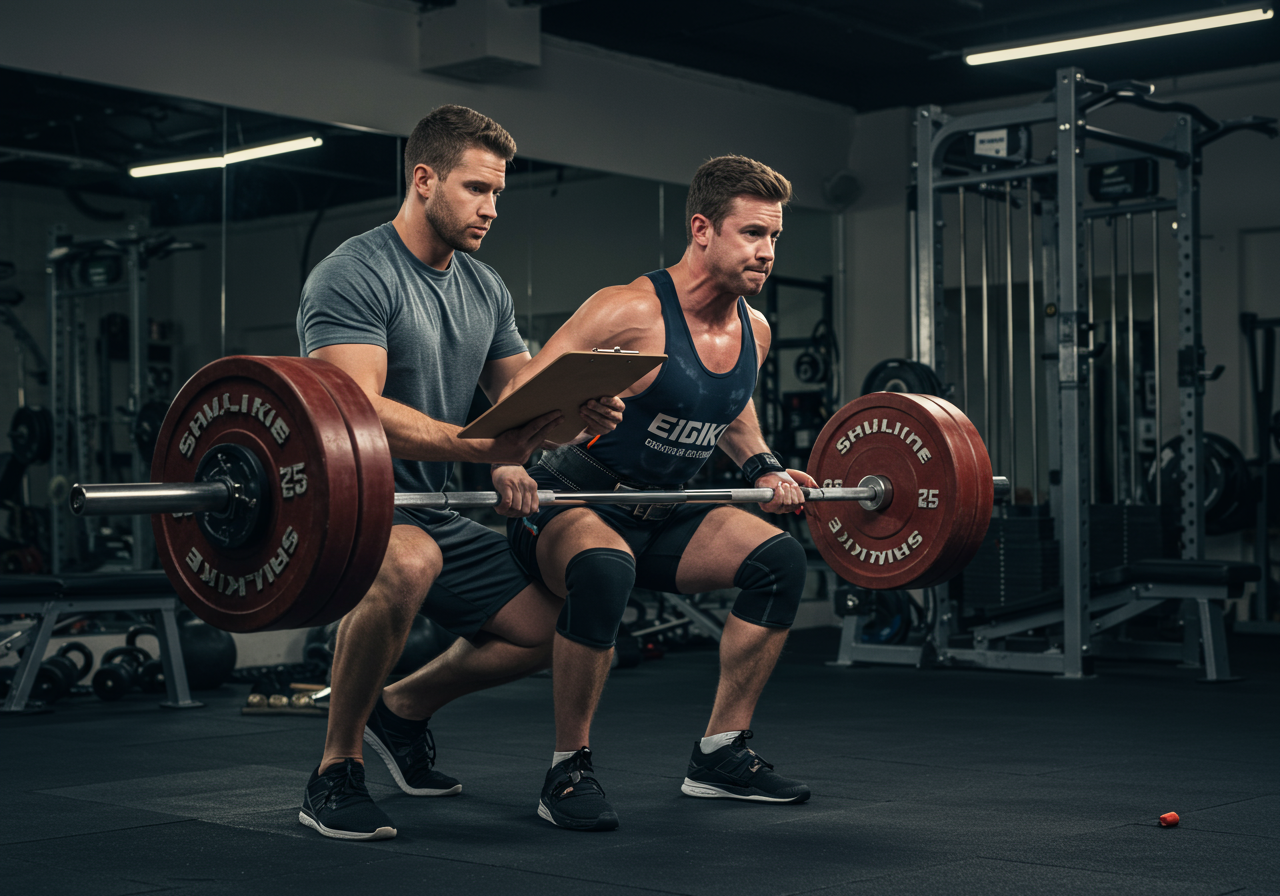
This is the practical schedule I deliver to beginners. It moves smoothly across twelve weeks. It speeds learning and preserves joints.
- Day 1: Technique hinge + Zone 2 cardio.
- Day 2: Upper back and core stability.
- Day 3: Strength deadlift + intervals.
- Day 4: Volume RDL + carries and mobility.
| Block | Goal | Cue Focus | Progress Method |
|---|---|---|---|
| Weeks 1–4 | Groove hinge and bracing | Lats tight, bar close | Double progression on reps |
| Weeks 5–8 | Build strength and muscle | Push floor away | Add 2–5 lb weekly |
| Weeks 9–12 | Peak skill and confidence | Brace before you pull | Reduce sets; raise intensity |
Each session begins with five minutes of targeted prep. It ends with short mobility. Small habits reduce injury risk significantly.
- Warm-up, 8 minutes: ramp heart rate, practice hinge.
- Main lift, 20–25 minutes: 3–5 work sets.
- Accessories, 15 minutes: hamstrings, glutes, core.
- Conditioning, 10–15 minutes: bike or walk.
- Cool-down, 5 minutes: breathing and stretching.
I coach breathing before the pull. I cue ribcage down and belt buckle up. Clients feel immediate stability with this approach.
Proof of effectiveness and long-term result interpretation
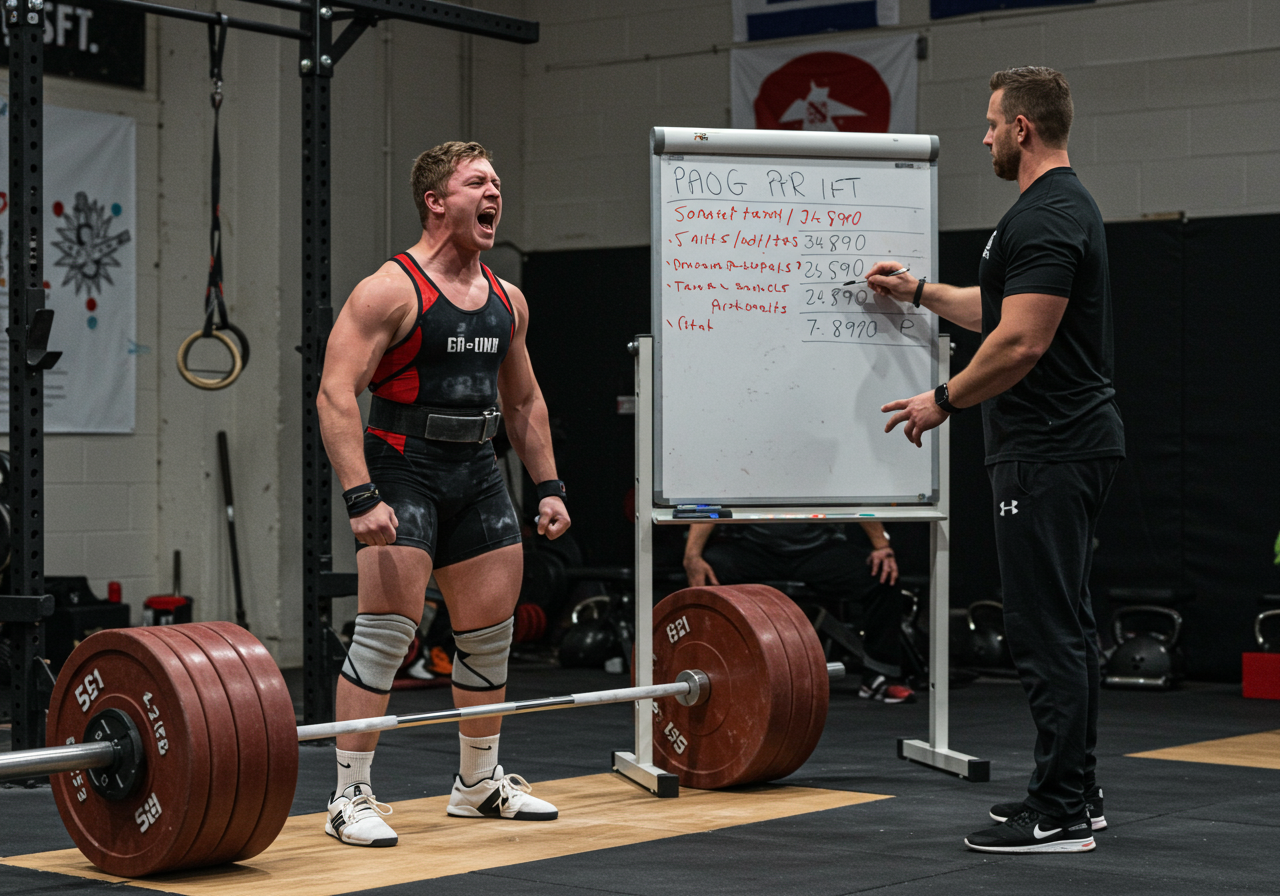
Results confirm the system works. My numbers and client data both show clear changes. Strength, endurance, and body composition improved together.
| Subject | Deadlift 1RM | VO2 max | Waist | Notes |
|---|---|---|---|---|
| Me, 6 weeks | From 315 to 345 lb (+9.5%) | +8% by Garmin | -1.6 inches | Better sleep and focus |
| Ana, 8 weeks | From 155 to 195 lb | +6% | -1.2 inches | Back pain reduced |
| Mark, 10 weeks | From 275 to 335 lb | +7% | -2.0 inches | Posture improved |
HIIT trimmed fat faster for Ana. Steady Zone 2 supported my recovery better. Both methods helped strength indirectly.
- Bar speed improves at the same weight.
- Fewer form breakdowns during sets.
- Stable sleep and morning energy.
- Small weekly jumps beat big jumps every time.
- RDLs grew my hamstrings and fixed sticking points.
- Skipping warm-up cost me a week of confidence.
If motivation dips for two weeks, reduce volume by 20%. Add a low-stress week. Return fresher and focused.
Keep tracking in Strava and Garmin for objective data. Log food consistently in MyFitnessPal. Consistency turns this plan into durable strength.