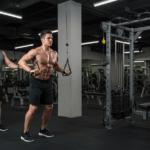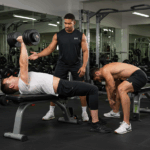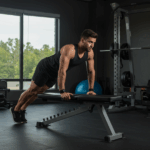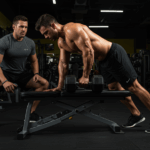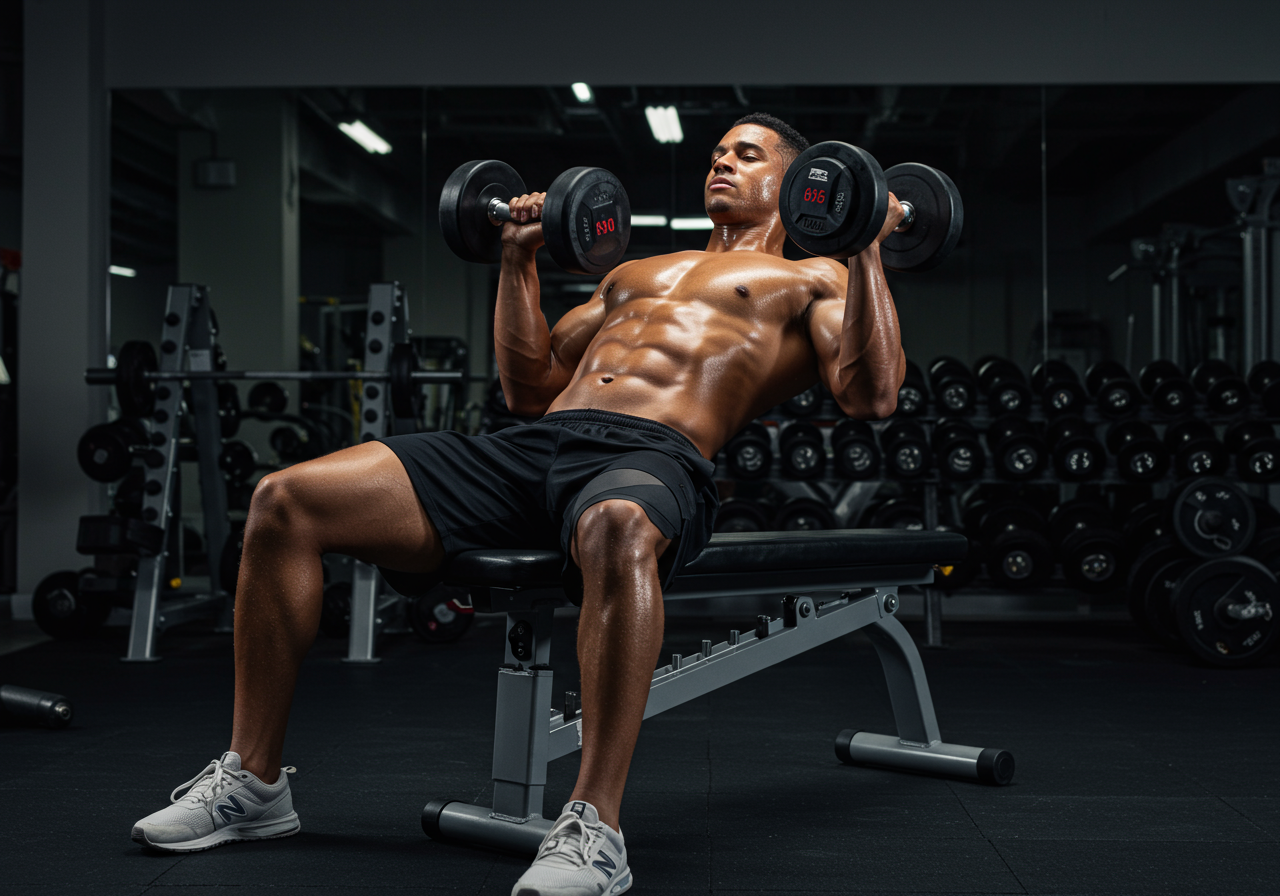
Dumbbell Fly: Define Outer Chest Line
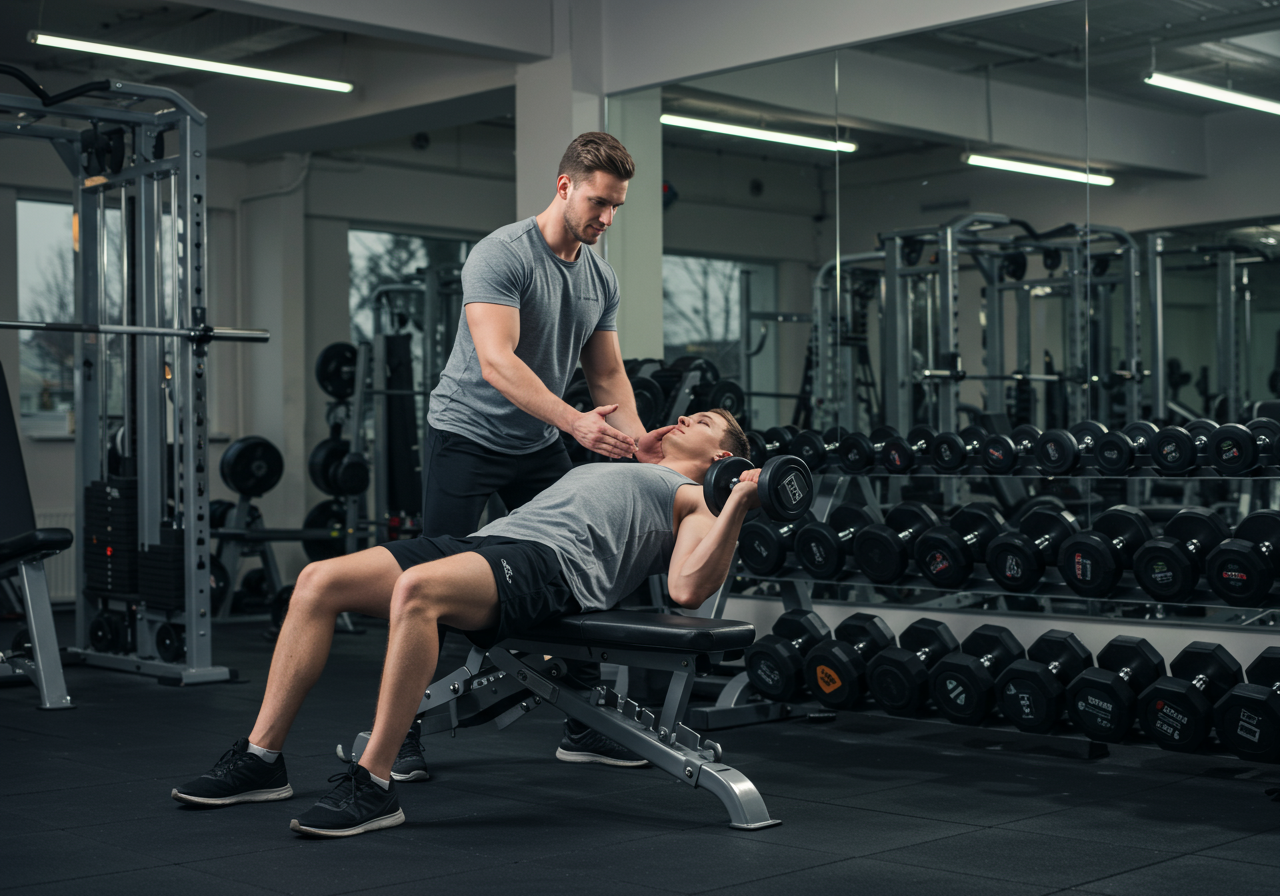
Outer chest definition starts with a complete strength map
I design chest systems that protect shoulders and grow lines. The dumbbell fly sits at the center. It stretches the pecs under load and sharpens the outer border.
I pair flies with presses, rows, and mobility. This balance keeps joints happy. It also builds repeatable gains.
- Load the pecs in the lengthened range for growth.
- Allow the shoulder blades to glide freely on the bench.
- Keep a soft elbow angle around 15–20 degrees.
- Use slight inclines to bias upper fibers when needed.
- Match every press with a row to stabilize shoulders.
I monitor intensity using RIR. RIR means reps in reserve. Beginners stay at 2–3 RIR. Intermediates live near 1–2 RIR. Advanced lifters touch 0–1 RIR sparingly.
| Day | Focus | Key lifts | Conditioning | Mobility |
|---|---|---|---|---|
| Mon | Upper push | Dumbbell fly, bench press, push-up | Zone 2, 15 min | Thoracic opener |
| Tue | Upper pull | Chest-supported row, face pull | None | Scapular slides |
| Wed | Lower | Goblet squat, RDL | Zone 2, 20 min | Hip flexor stretch |
| Thu | Chest detail | Incline fly, cable fly | Intervals, 8 x 20s | Pec doorway stretch |
| Fri | Back + core | Pulldown, plank | None | T-spine rotation |
| Sat | Active recovery | Walk or cycle | Zone 1–2, 30–45 min | Breathing drills |
| Sun | Rest | None | None | Gentle stretch |
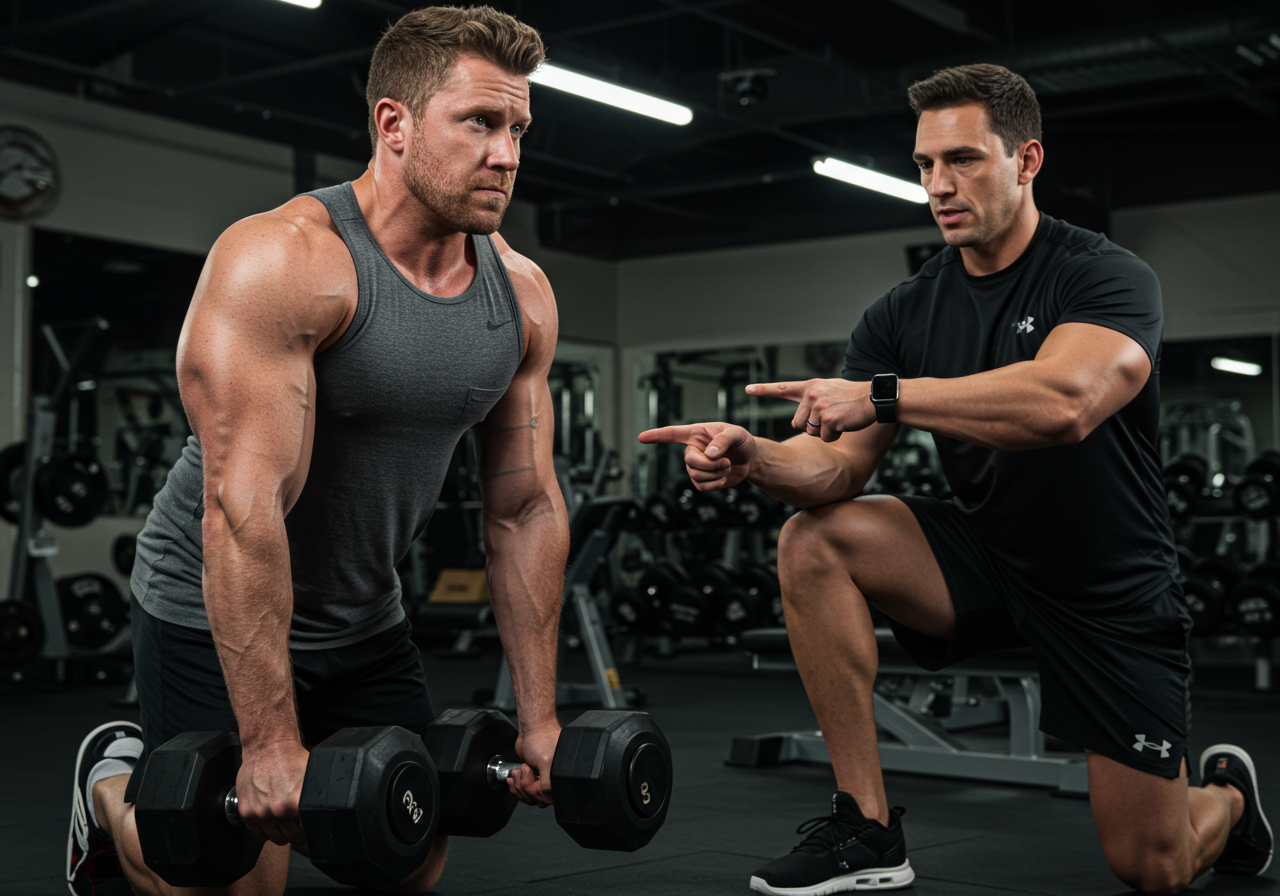
Precise execution builds shape and keeps joints safe
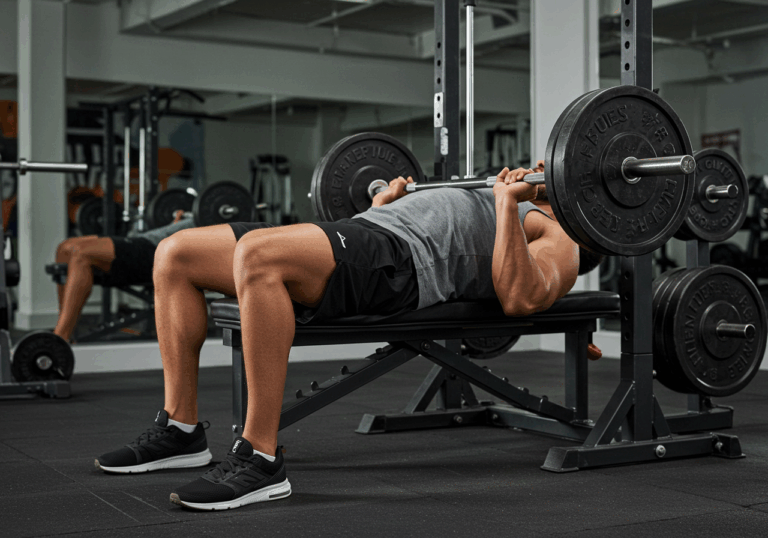
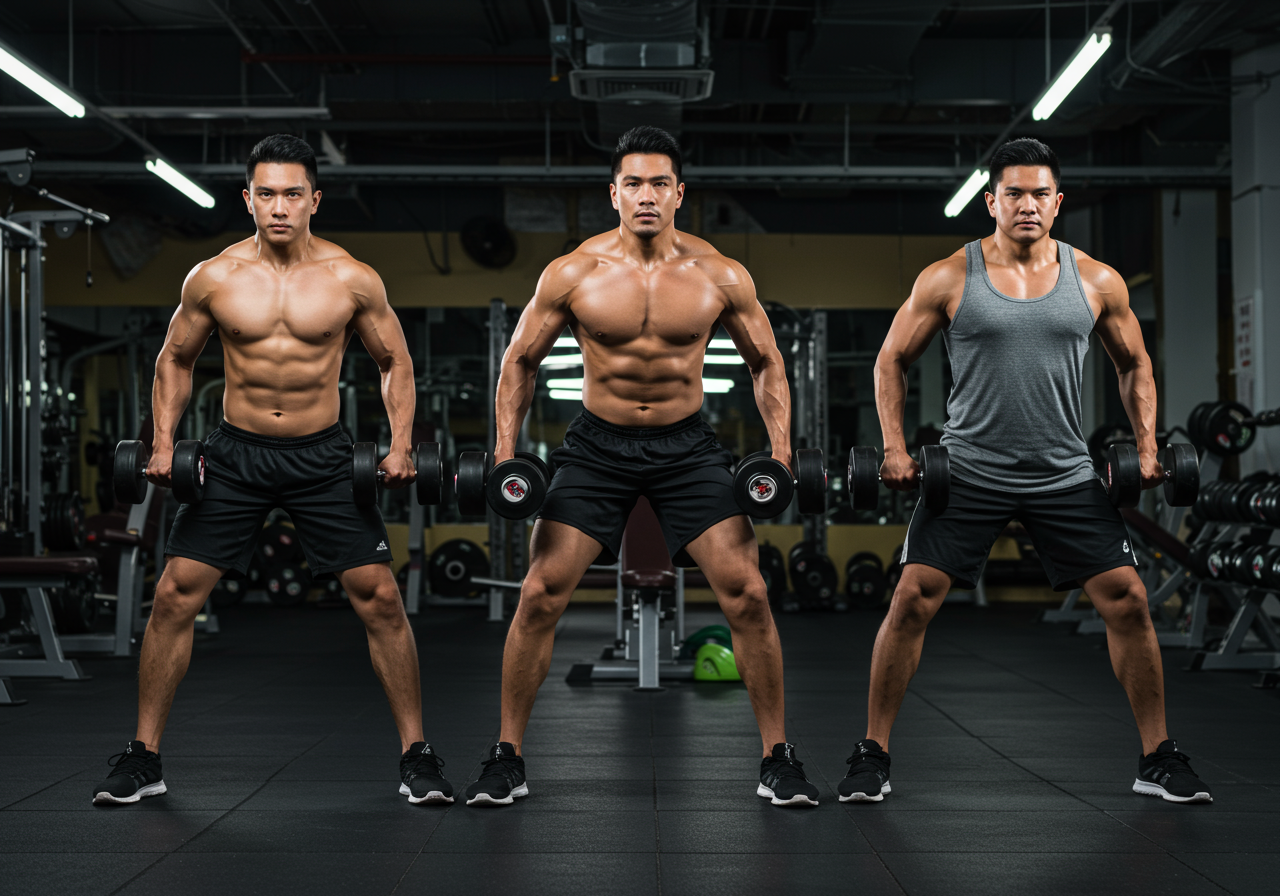
I teach a stable setup first. Feet press down. Hips stay lightly braced. Eyes track the ceiling.
I cue a soft elbow bend before lifting. I keep that angle throughout the arc. This isolates the pecs.
I lower for three seconds to a comfortable stretch. I pause briefly. I squeeze the elbows together without touching the bells.
- The sternal pec fibers drive horizontal adduction.
- The clavicular fibers help on slight inclines.
- Scapulae should retract on the way down and protract gently up.
| Variation | Sets x Reps | Tempo | Rest | Target RIR |
|---|---|---|---|---|
| Flat dumbbell fly | 3–4 x 10–15 | 3-1-1 | 75–90s | 2–3 |
| Incline fly 15° | 3–4 x 8–12 | 3-0-1 | 90s | 1–2 |
| Floor fly | 3 x 12–15 | 2-1-1 | 60–75s | 2–3 |
| High-to-low cable fly | 3–4 x 12–20 | 2-1-2 | 60–75s | 1–2 |
| Pec deck | 2–3 x 15–20 | 2-0-2 | 60s | 2–3 |
- Two light sets of flyes for 15 reps.
- One set of slow negatives for 10 reps.
- Two sets of cable fly, high squeeze.
I breathe in during the descent. I breathe out during the squeeze. Breathing sets rhythm and protects stability.
Structured progression drives visible chest lines
I progress weight or reps weekly using double progression. I increase dumbbells by 2–5 pounds when targets are met.
I track RIR and heart rate to manage stress. My Garmin shows average lifting session heart rate near Zone 1.
| Week | Fly focus | Sets x Reps | RIR | Notes |
|---|---|---|---|---|
| 1–2 | Foundation | 3 x 12–15 | 3 | Practice tempo, pause |
| 3–4 | Load build | 4 x 10–12 | 2 | Increase bells slightly |
| 5 | Lengthened work | 3 x 10 + 5 partials | 1–2 | Bottom-range partials |
| 6 | Volume peak | 4 x 12 | 1 | Add cable fly finisher |
| 7 | Deload | 2 x 10 | 3 | Reduce load 20% |
| 8–12 | Repeat with 5% load gain | 3–4 x 8–12 | 1–2 | Slight incline emphasis |
I balance pressing with rows at a 1:1 or 1:1.5 ratio. This ratio keeps the shoulders positioned well.
- Bench press: 3 x 5–8 at 2 RIR.
- Flat fly: 3 x 10–12 at 2 RIR.
- Incline fly: 2 x 10 at 2 RIR.
- Chest-supported row: 4 x 10.
- Zone 2 bike: 12 minutes cool-down.
Step-by-step plans that convert intent into action
I program levels by experience. Each plan includes conditioning and mobility. This keeps recovery strong.
| Level | Weekly schedule | Fly load guide | Conditioning |
|---|---|---|---|
| Beginner | 3 days strength, 2 days Zone 2 | 8–15 lb per hand | Zone 2, 20–25 min |
| Intermediate | 4 days strength, 1 HIIT, 1 Zone 2 | 15–35 lb per hand | HIIT 8 x 20s, Zone 2 30 min |
| Advanced | 5 days strength, 1 HIIT, 1 recovery | 30–60 lb per hand | HIIT 10 x 30s, Zone 2 35 min |
I log sets, reps, and RIR in my training app. I also track heart rate with a Garmin watch for easy pacing.
I keep carbs around training. I use 0.6–0.8 g/kg carbs pre-lift. I add 20–40 g whey post-lift if needed.
| Week | Beginner focus | Intermediate focus | Advanced focus |
|---|---|---|---|
| 1–2 | Form and tempo | Load discovery | Volume base |
| 3–4 | Add one set | Push to 1–2 RIR | Add partials |
| 5–6 | Increase dumbbells | Incline emphasis | High-rep finisher |
| 7–8 | Light deload | Deload, technique | Deload, microcycle shift |
I sleep 7–9 hours nightly. I limit late caffeine. I perform five minutes of chest and T-spine mobility on rest days.
I track cardio on Strava. I monitor heart rate on Garmin. I adjust intensity by how I feel.
Real-world proof, problem solving, and long-term result interpretation
I tested this plan for twelve weeks. I trained four days weekly. I logged every session.
My starting fly was 25 lb per hand for 12 reps. Week twelve reached 40 lb for 10 reps at 1 RIR.
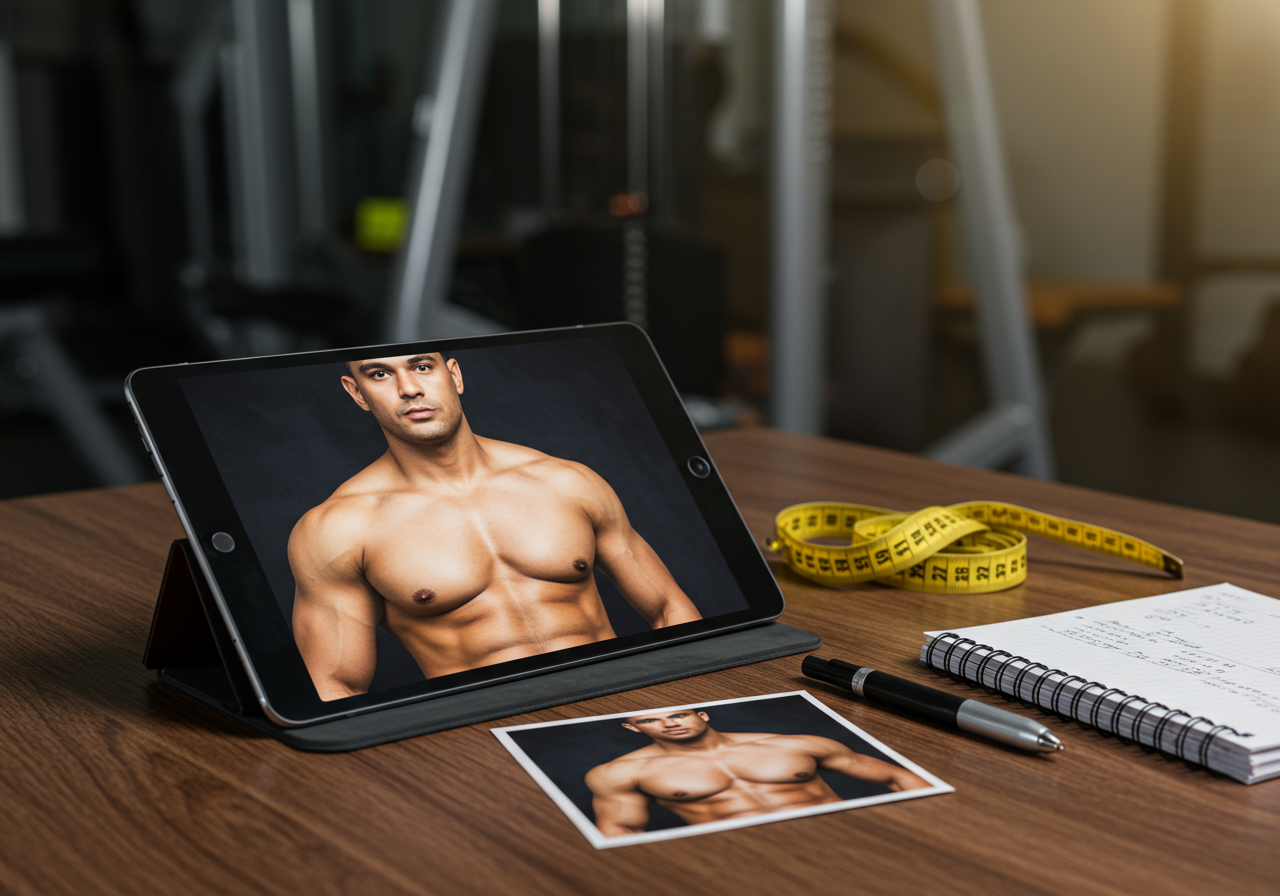
My outer chest line looked sharper in photos. My chest circumference increased by 3.1 cm at the nipple line.
| Metric | Week 0 | Week 6 | Week 12 |
|---|---|---|---|
| Flat fly load (x10) | 25 lb | 32.5 lb | 40 lb |
| Bench 1RM | 235 lb | 245 lb | 252 lb |
| Push-up max | 32 reps | 39 reps | 44 reps |
| Body fat (DEXA) | 17.4% | 16.3% | 15.2% |
Two beginner clients followed a similar path. They trained three days weekly and walked on two days.
- “My shoulders stopped aching after we added more rows.” – Marta, 42
- “Outer chest popped by week six photos.” – Devin, 29
We measured with tape and weekly photos. We used identical lighting. We also tracked calories in MyFitnessPal.
- Photos every two weeks.
- Fly top set recorded with RIR.
- Row volume matched to pressing.
- Sleep tracked for seven nights.
Plateaus happen often. I adjust volume by one to two sets. I add a slight incline or partials for novelty.
Overtraining sneaks in with poor sleep. I cut one accessory. I restore Zone 2 only for three sessions.
Motivation dips after travel. I schedule a 30-minute minimum workout. I celebrate completion rather than numbers.
Recovery remains king. I aim for 7–9 hours sleep. I keep protein high. I walk daily for circulation.