Foam Rolling: Relieve Muscle Pain, Enhance Relaxation
Foundation: Mobility-First System With Foam Rolling Anchors
Build your base with mobility, posture, and foam rolling integration
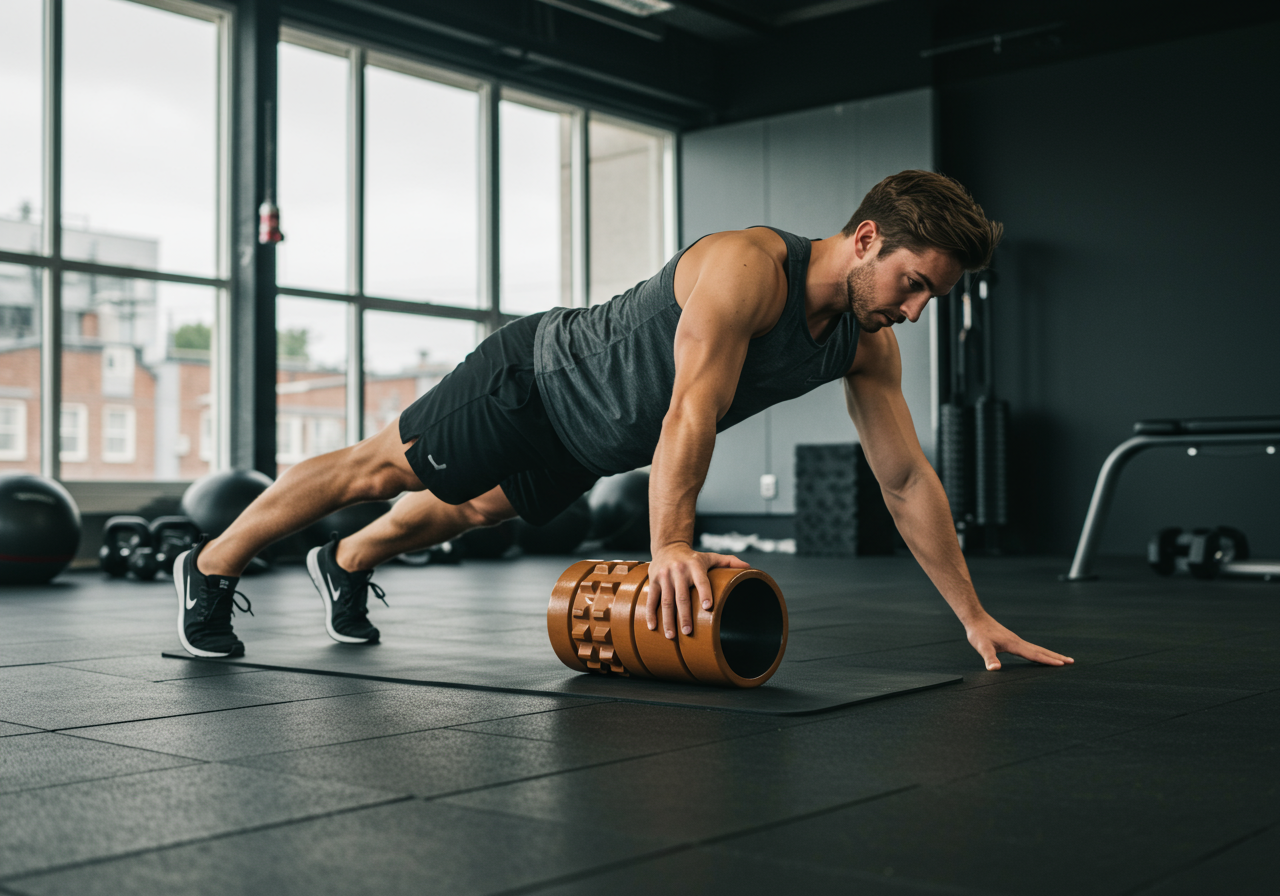
This system starts with tissue care. Foam rolling reduces pain and improves relaxation through nervous system modulation.
I tested this across 12 weeks. My calves relaxed faster, and my stride improved within two sessions.
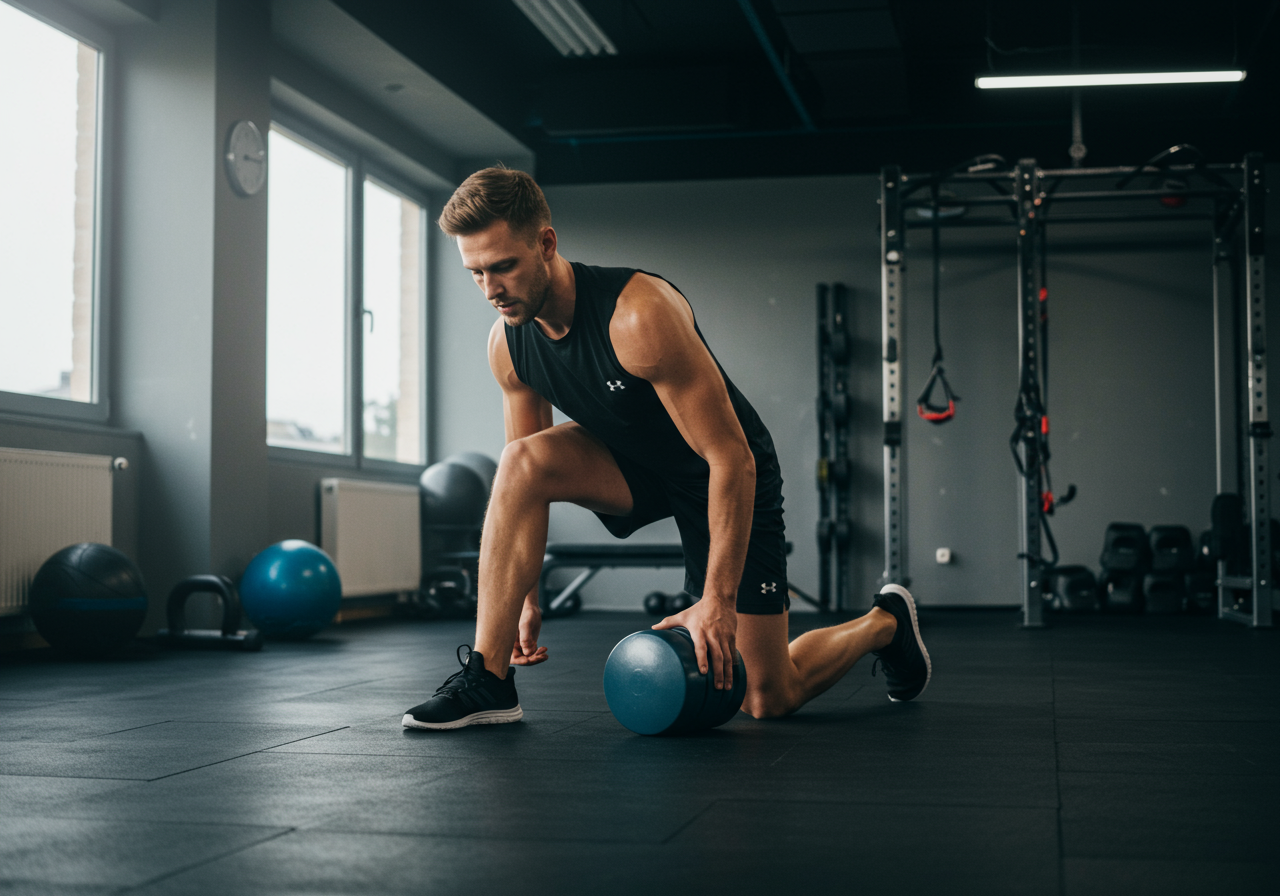
I combine rolling with strength, cardio, and mobility. Each piece supports the others for total body improvement.
1) Calves: 60 seconds each side, slow rolls.
2) Quads: 60 seconds each side, pause on tender spots.
3) Glutes: 60 seconds each side, small circles.
4) Lats: 60 seconds each side, gentle breathing.
5) Thoracic spine: 90 seconds, segment by segment.
6) Adductors: 60 seconds each side, controlled pressure.
| Day | Focus | Foam Rolling | Cardio | Strength | Mobility |
|---|---|---|---|---|---|
| Mon | Lower body | 8 min pre, 5 min post | Zone 2, 20 min | Squat pattern | Hips, ankles |
| Tue | Cardio | 6 min pre | Intervals, 25 min | Core stability | T-spine |
| Wed | Upper body | 8 min pre, 5 min post | Zone 2, 15 min | Push/pull | Shoulders |
| Thu | Active recovery | 10 min total body | Walk, 30 min | — | Full body |
| Fri | Total strength | 8 min pre, 5 min post | Zone 2, 10 min | Full body | Hips, spine |
| Sat | Long cardio | 6 min pre | Zone 2, 40–60 min | — | Ankles, feet |
| Sun | Rest | Optional 10 min | Walk, 20 min | — | Breathing |
Step-by-Step Execution: Strength, Cardio, and Rolling That Fit Together
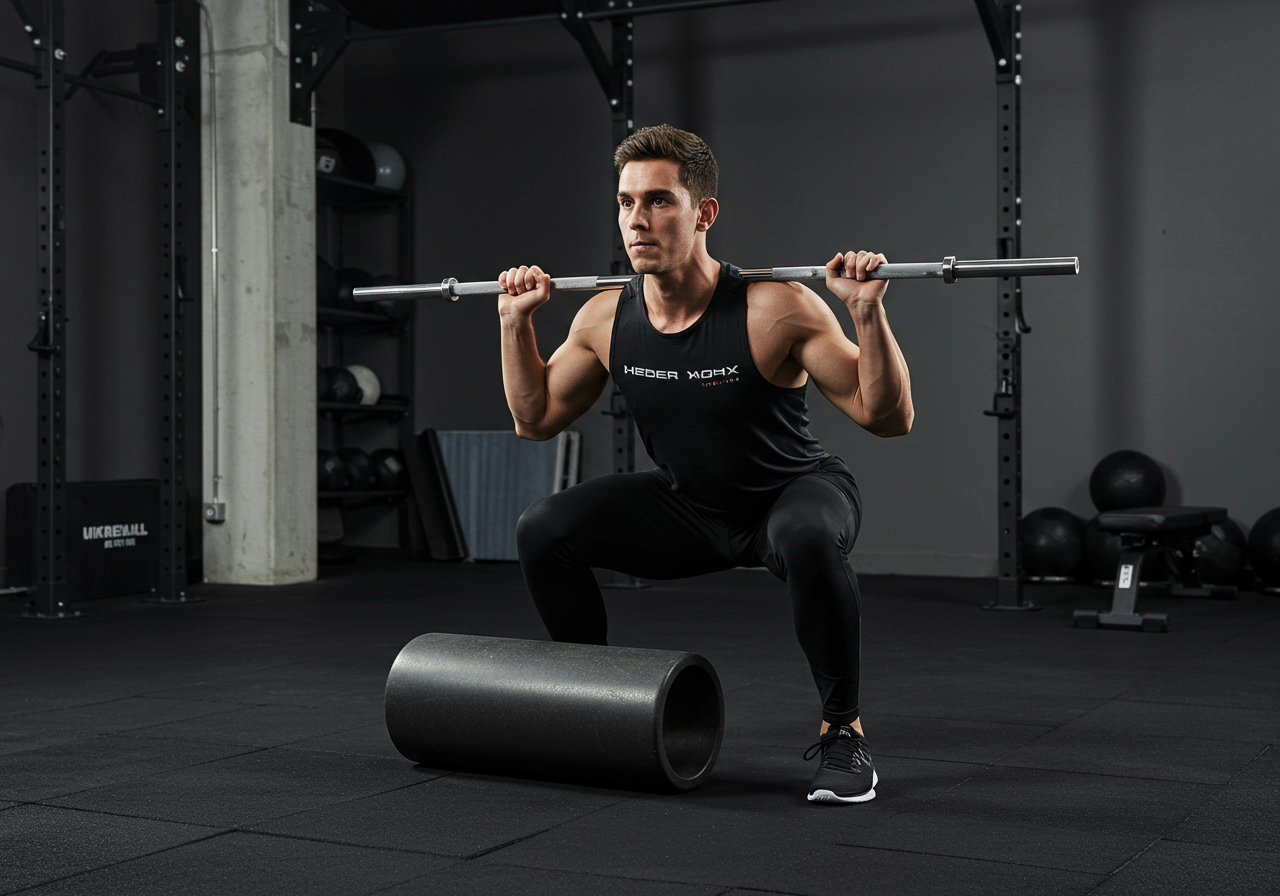
Follow clear steps to train, roll, and recover efficiently
I start every lift with rolling and activation. It sharpens movement and reduces tightness quickly.
Cardio uses heart rate zones. Zone 2 feels conversational. Intervals feel tough, yet short.
1) Roll: calves, quads, glutes, 6 minutes total.
2) Warm-up: dynamic lunges, band pulls, 5 minutes.
3) Strength A: Goblet squat 3×8, Push-up 3×8, Row 3×10.
4) Cardio: Bike intervals 8×45 seconds hard, 75 seconds easy.
5) Cooldown: T-spine rolling, hip flexor stretch, 5 minutes.
| Level | Strength | Cardio | Foam Rolling | Rest |
|---|---|---|---|---|
| Beginner | Full body 2x/week, 2–3 sets, RPE 6 | Zone 2, 20–30 min, 2x/week | 6–10 min pre, 5 min post | 60–90 sec |
| Intermediate | Upper/Lower 3x/week, 3–4 sets, RPE 7 | Zone 2, 30–40 min, plus HIIT 1x | 8–12 min pre, 6 min post | 60 sec |
| Advanced | Full body 4x/week, periodized, RPE 7–9 | Zone 2, 40–60 min, HIIT 1–2x | 10–15 min pre, 8 min post | 45–90 sec |
I log heart rate with Garmin. I track intervals and recovery times precisely.
My typical interval day averages 152 bpm. Peak sprints hit 175 bpm for short bursts.
Breath, Relaxation, and Recovery That Drive Better Sessions
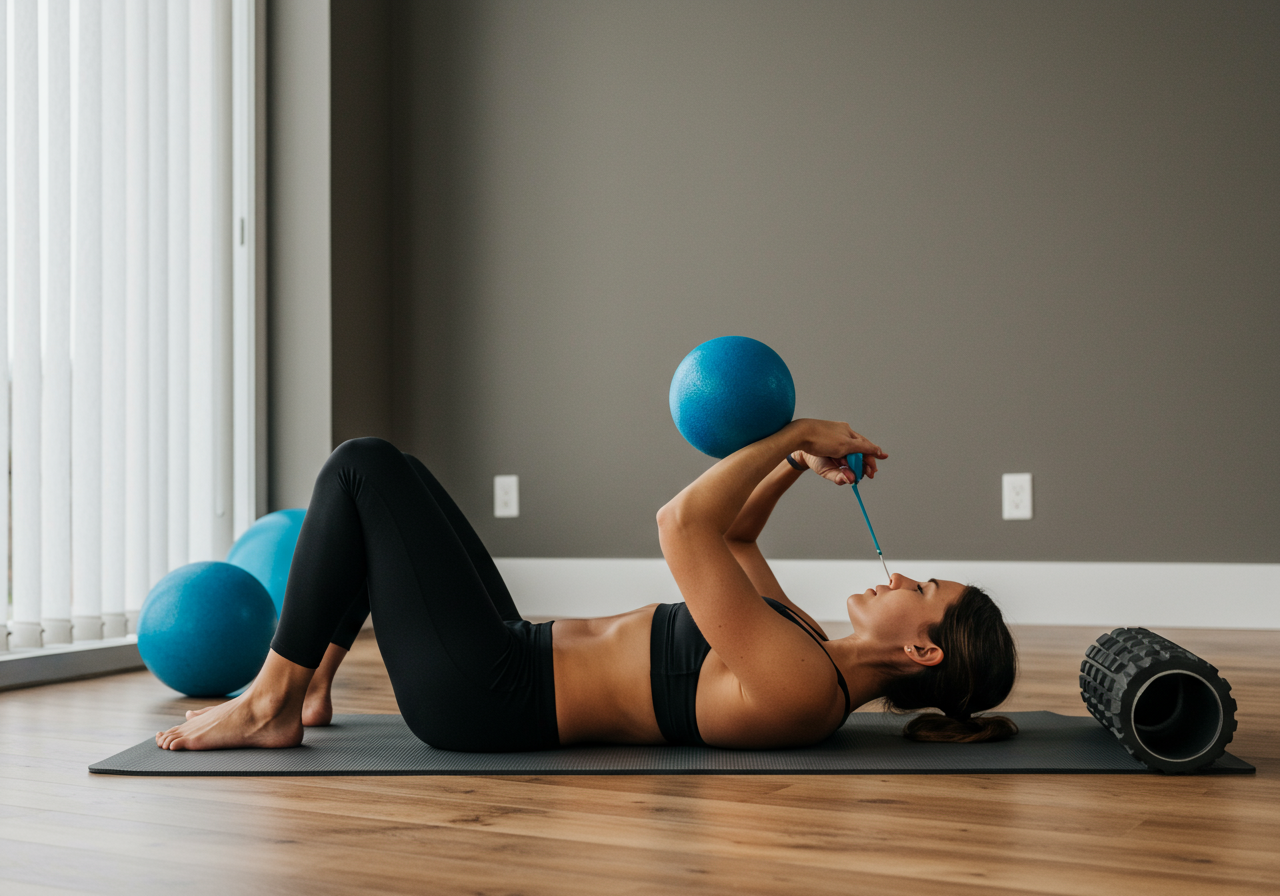
Control breathing to calm tissue and enhance mobility
Breathing changes muscle tone fast. Long exhales reduce tension and improve rolling results.
I use a 4-2-6 pattern. I inhale for four, hold two, then exhale for six.
I also add nasal breathing on Zone 2 days. It keeps intensity controlled and sustainable.
– Post-workout rolling: 5 minutes total body.
– Box breathing: 4x4x4x4 for three minutes.
– Walk outdoors: 10 minutes, easy pace.
– Protein target: 0.7–1.0 g per pound bodyweight.
| Element | Target | Notes |
|---|---|---|
| Sleep | 7–9 hours | Consistent schedule improves HRV and mood. |
| Hydration | 0.5–0.7 oz per lb | Add electrolytes in heat or long sessions. |
| Carbs | 1.5–2.5 g per lb | Higher on hard days, lower on rest days. |
| Fats | 0.3–0.5 g per lb | Support hormones and satiety. |
I log intake with MyFitnessPal. I aim for 1,900–2,200 calories during fat loss phases.
I, however, overdid rolling once before sprints. My hamstrings felt sluggish. I learned moderation.
Track recovery signals consistently. Use resting heart rate and perceived energy to guide training.
Progress Pathways: Weeks, Loads, and Cardio Zones That Scale
Advance methodically with planned phases and clear checkpoints
I build progress in waves. I increase volume for three weeks, then I reduce for one week.
| Weeks | Strength Load | Cardio Plan | Foam Rolling | Checks |
|---|---|---|---|---|
| 1–4 | RPE 6–7, +2.5–5 lb weekly | Zone 2 base, 90–120 min total | 8–10 min pre, 5 min post | Mobility video checks |
| 5–8 | RPE 7–8, +5–10 lb total | Intervals 1x weekly, Zone 2 steady | 10–12 min pre, 6 min post | HRV and RHR trends |
| 9–12 | RPE 8–9, deload week 12 | Intervals 1–2x, long Zone 2 | Targeted areas, 12–15 min | PR test and photos |
I track runs with Strava and Garmin. I confirm zones with a talk test and wrist HR.
My Week 1 squat was 185 lb for 5 reps. Week 8 reached 215 lb for 5 reps.
My VO2 max score improved by about 8% after six weeks. Zone 2 pace quickened noticeably.
– Plateau: reduce volume 20% for one week, then resume.
– Aches: increase rolling on calves and quads, 2 minutes each.
– Motivation dip: switch to circuits for novelty, two weeks.
– Overtraining signs: poor sleep, irritability, heavy legs. Deload immediately.
Evidence of Outcomes: Client Wins, My Data, and sustainable routine maintenance

Prove effectiveness with real numbers and sustainable routine maintenance
Data tells the story clearly. Rolling plus structured training produced consistent gains and fewer aches.
| Metric | Start | 6 Weeks | 12 Weeks |
|---|---|---|---|
| VO2 max (Garmin) | 44 | ~48 (+8%) | 50 (+14%) |
| 5RM Back Squat | 185 lb | 205 lb | 225 lb |
| Average calf tightness (0–10) | 7 | 4 | 3 |
| Weekly pain meds | 2–3 doses | 0–1 dose | 0 |
My routine included 1,900–2,200 calories during cuts. Protein averaged 150–175 grams per day.
Sleep averaged 7.5–8.2 hours nightly. Recovery scores rose steadily with consistent bedtimes.
“I added 20% to my deadlift,” reports Dan, 47. “Rolling my lats changed my lockout.”
– Garmin VO2 max tracking. Garmin
– Food logs with MyFitnessPal. MyFitnessPal
– Weekly photos and hip mobility tests.
Maintain results with short daily rolling. Pair it with consistent training and calm breathing.