Glute Kickback: Directly Stimulate Glutes
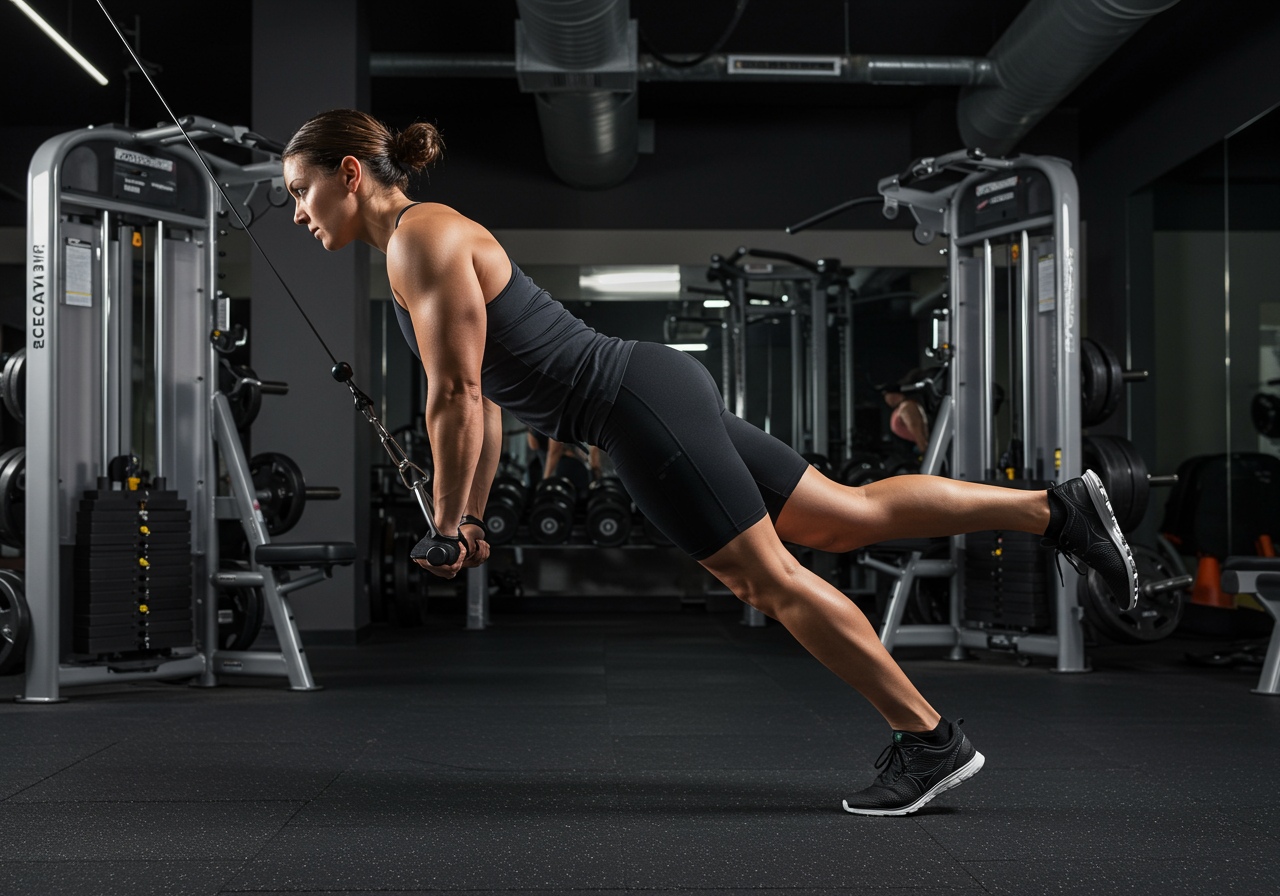
Glute kickbacks build powerful hips and protect your lower back
Glute kickbacks directly target hip extension. Strong glutes support knees, hips, and spine during life and sport.
I program kickbacks as a primary accessory lift. They balance squats, deadlifts, and daily sitting time.
My clients feel better hips within two weeks. Their walking feels lighter and more stable.
| Weekly layout | Focus | Kickback placement |
|---|---|---|
| Day 1: Lower body A | Squat pattern + glutes | Primary accessory, 3–4 sets |
| Day 2: Cardio Z2 | Easy endurance | Optional activation, 2 sets |
| Day 3: Upper body | Push/pull balance | None |
| Day 4: Lower body B | Hinge pattern + glutes | Finisher, 2–3 sets |
| Day 5: Intervals | HIIT or hills | Activation, 1–2 sets |
I track sessions with a Garmin watch for heart rate. Zone 2 days stay conversational.
Steady aerobic days speed recovery between lower sessions. They also improve nutrient delivery to tissue.
Nutrition supports the plan. I use MyFitnessPal to monitor calories and protein intake.
Beginners respond quickly to consistent volume. The body rewards targeted effort and good sleep.
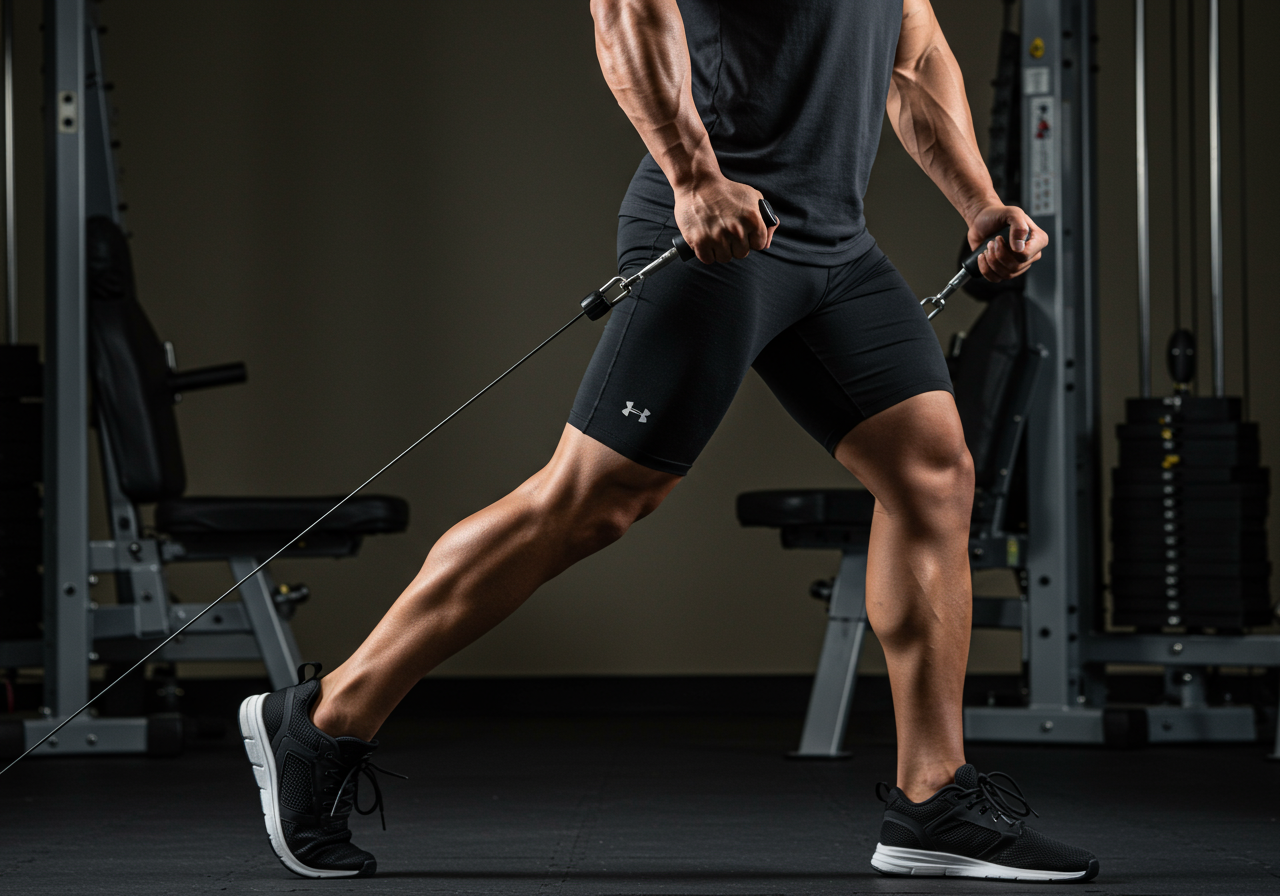
Perfect form transforms the kickback from a pose to a strength builder
Good setup creates stability. Good stability allows the glutes to drive the movement.
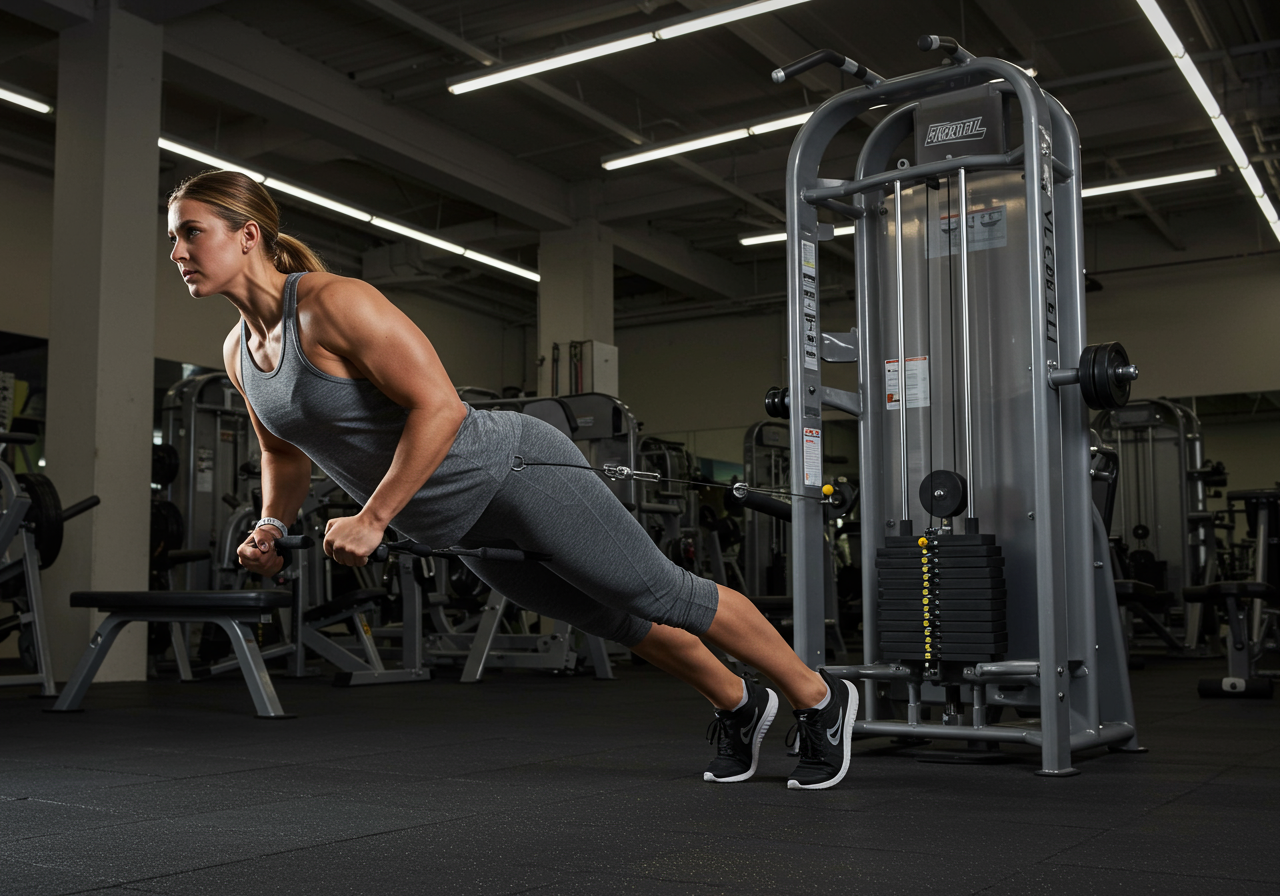
Set a cable cuff at ankle height. Stand tall with a soft knee on the standing leg.
Brace your core softly. Lean slightly forward from the hips while keeping a neutral spine.
| Variation | Setup | Sets x Reps | Rest |
|---|---|---|---|
| Cable kickback | Ankle cuff, stack 5–25 kg | 3–4 x 10–15 | 60–90 sec |
| Band kickback | Loop band above ankles | 3 x 15–20 | 45–60 sec |
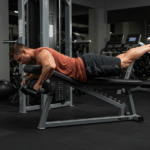
| Bench quadruped | Knee on bench, flat back | 3 x 12–15 | 60 sec |
Breathing improves stability. Exhale during the drive and keep tension through the pause.
Beginners start with bands and bench support. Intermediate lifters move to cables with tempo targets.
Advanced lifters add partials or long eccentrics. They also use heavier sets at lower reps.
I cue clients to keep the shin vertical on the stance leg. That cue prevents knee drift and wobble.
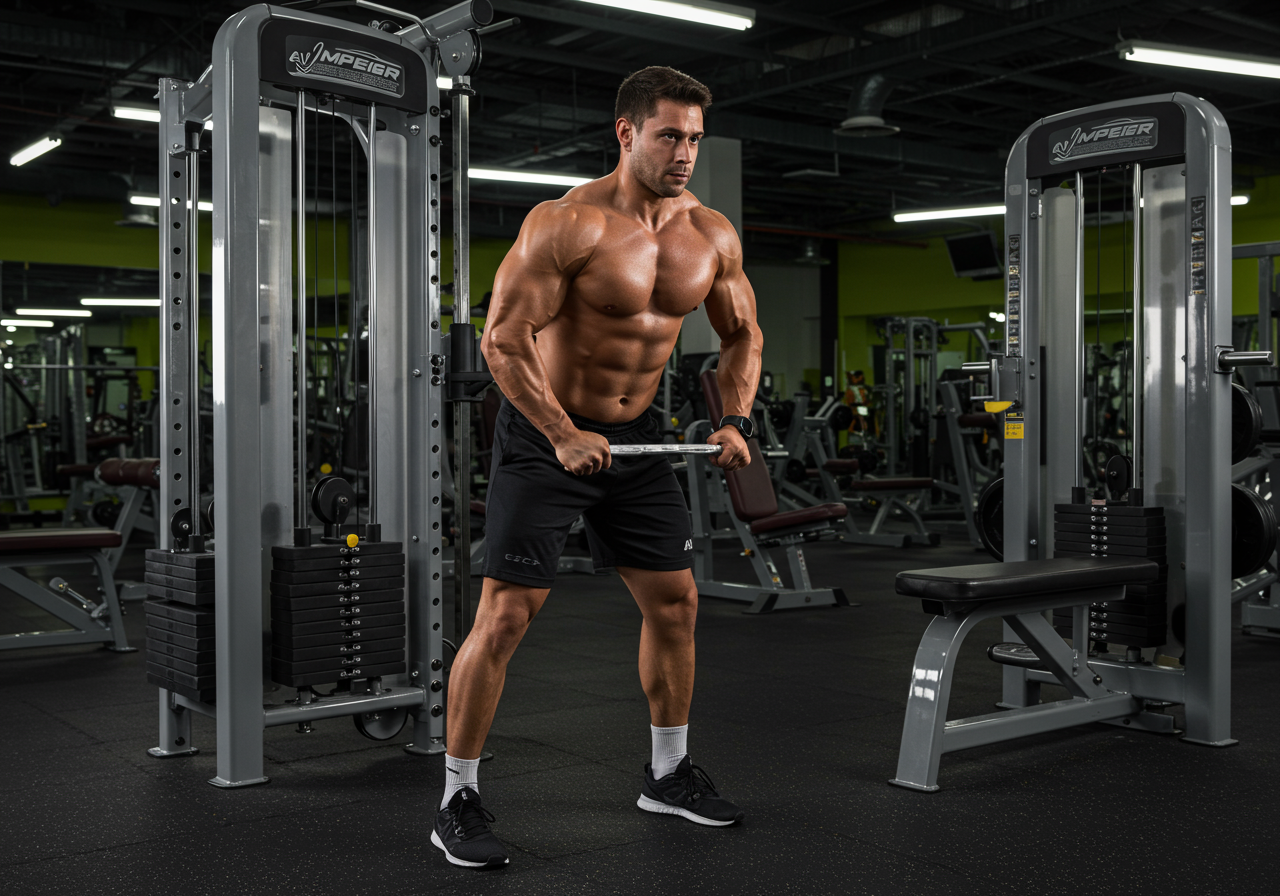
Measured overload builds glutes without beating up your joints
Progress comes from small weekly steps. Your tissues adapt best to predictable increases.
I progress load or reps while keeping two reps in reserve. This keeps technique sharp.
| Level | Prescription | Goal |
|---|---|---|
| Beginner | 2–3 x 12–15, light band or 5–10 kg | Master posture and tempo |
| Intermediate | 3–4 x 10–12, 10–20 kg | Grow strength with control |
| Advanced | 4–5 x 8–10, 20–35 kg | Maximize tension and density |
Support lifts amplify results. I pair kickbacks with hip thrusts or Romanian deadlifts for full glute coverage.
I rotate phases every four weeks. Phase one adds reps, phase two adds load, phase three adds tempo.
Energy management matters. I schedule intervals away from heavy lower sessions to protect recovery.
My Garmin flags high training load. I adjust volume when my recovery score trends low.
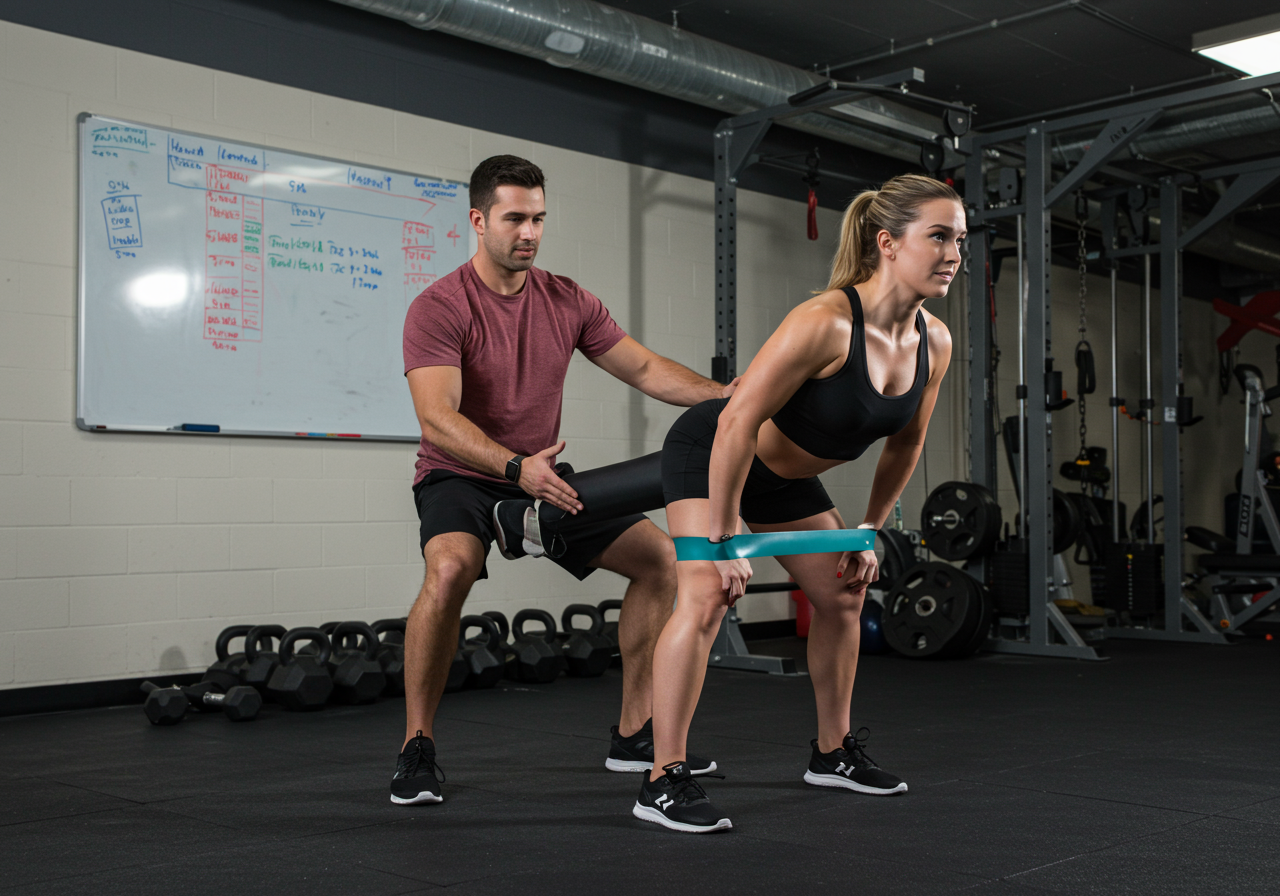
Simple execution beats complicated plans when you are new
This roadmap turns ideas into results. You will train with purpose and structure.
I use Strava for cardio logs and Garmin for heart rate zones. Data reduces guesswork.
| Weeks | Kickback prescription | Accessory lifts | Cardio focus |
|---|---|---|---|
| 1–2 | 3 x 12–15, light load, 2s hold | Hip bridge 3 x 12 | Z2, 25–35 min |
| 3–4 | 4 x 10–12, moderate, 3s hold | RDL 3 x 8–10 | Z2 + 6 x 30s HIIT |
| 5–6 | 4 x 8–10, heavier, 3s eccentric | Hip thrust 4 x 6–8 | Z2, 30–40 min |
| 7–8 | 5 x 8–10, moderate-heavy, cluster 5+3 | Step-up 3 x 10 | 8 x 40s HIIT |
Nutrition drives muscle repair. I set calories near maintenance for beginners who want recomposition.
Daily targets help consistency. I set protein at 1.6–2.2 g per kg body weight.
I log meals in MyFitnessPal for awareness. Consistency beats perfection for new lifters.
Recovery holds progress together. I aim for 7.5–8.5 hours of sleep most nights.
I supplement creatine 3–5 g daily. I hydrate with 30–35 ml per kg body weight.
My last block averaged 45 minutes per session. Average heart rate stayed around Zone 2 on easy days.
HIIT days peaked near 90% max heart rate. I limited those to once weekly during heavy phases.
Useful apps: Garmin, Strava, MyFitnessPal.
Proof from the floor and numbers: long-term result interpretation
Numbers confirm progress. Feel also matters because function drives daily life.
My six-week block increased cable kickback from 15 kg to 24 kg per side. Tempo stayed strict.
Hip thrust rose from 80 kg to 100 kg for sets of six. Glute density improved on photos.
VO2 max rose by about 8% on Garmin. Zone 2 volume supported these gains without fatigue spikes.
Clients reported steadier knees on stairs within two weeks. They also felt better during long walks.
| Issue | Likely cause | Fix |
|---|---|---|
| No glute burn | Pelvis rotating, load too heavy | Lighten weight, toes slightly in, 3s peak hold |
| Knee discomfort | Locked stance knee | Soften knee, shift weight midfoot |
| Low back fatigue | Arching spine | Ribs down, brace, reduce range |
| Plateau | No overload plan | Add 1–2 kg or seconds each week |
My mistake last year was skipping warm-ups. I strained a calf during cold-weather sprints.
I now perform bridges and dynamic hinges before lower sessions. My tissue feels prepared and responsive.
Motivation dips happen to everyone. I schedule small wins like photo comparisons every two weeks.
Recovery remains the base. I keep one lighter week after every three hard weeks.
If pain persists or worsens, see a qualified professional. Your body deserves careful attention.