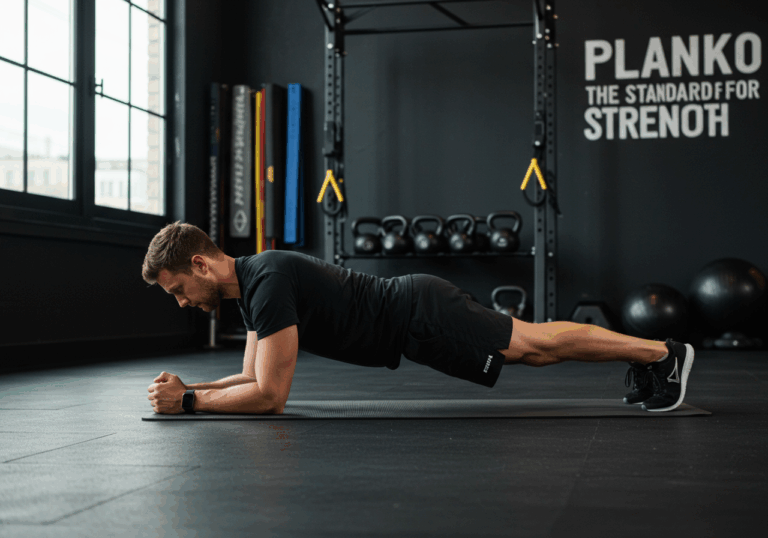
Hindu Push-ups: Flexibility and Strength Together!
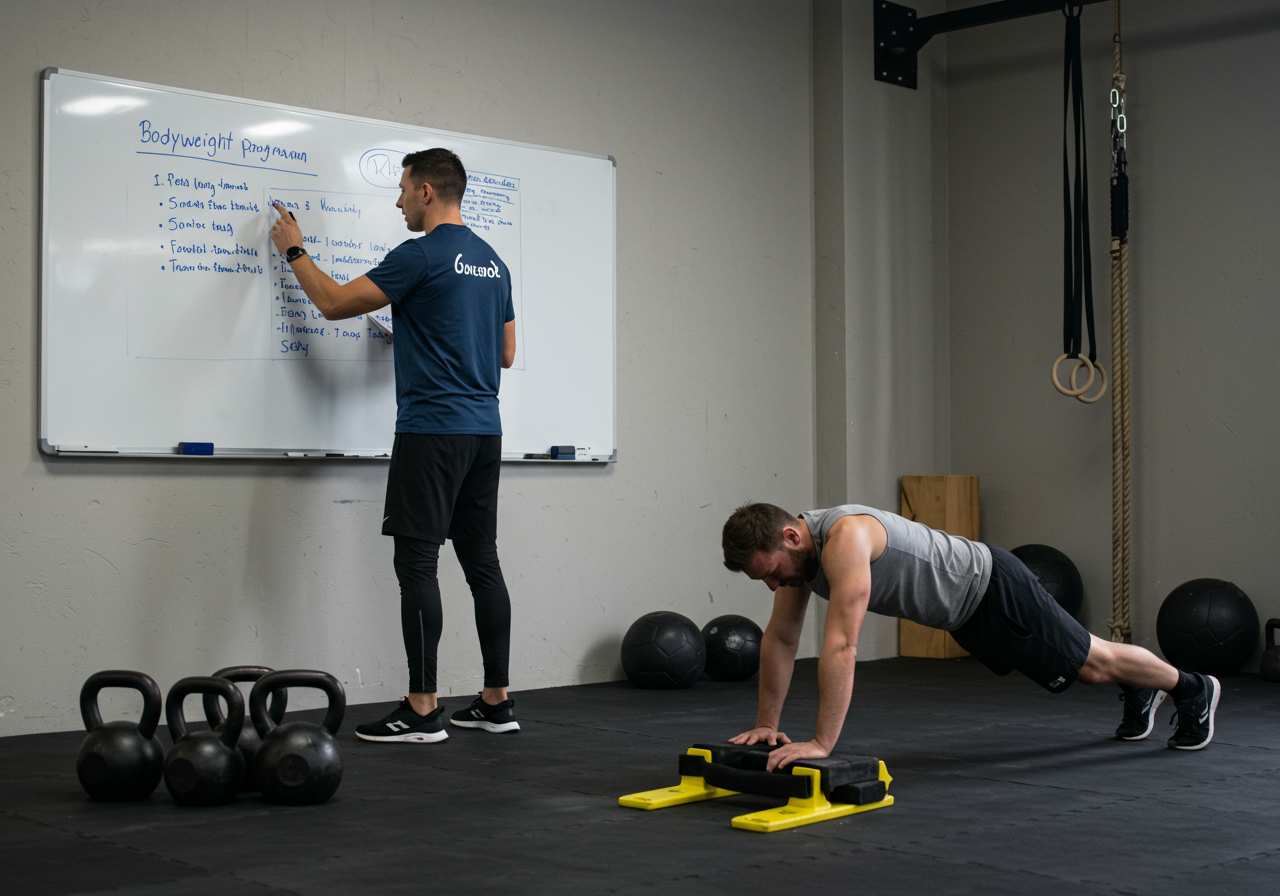
Build a practical system that blends strength, mobility, and stamina
This blueprint turns Hindu push-ups into a full-body training system. I designed it to improve shoulder health, core control, and hip mobility while building pressing strength.
Training goals guide every choice. You will train movement quality first, then volume, and then intensity. We will integrate mobility between sets to maintain range.
Weekly structure keeps the total body balanced. I pair the movement with pulling, squatting, and easy cardio.
| Day | Focus | Main Work | Complement |
|---|---|---|---|
| Mon | Push + Mobility | Hindu push-ups | Hip openers, band pull-aparts |
| Wed | Pull + Core | Rows or pull-ups | Planks, breathing drills |
| Fri | Push + Conditioning | Hindu push-ups circuit | Zone 2 cardio 20–30 minutes |
| Sat | Legs + Balance | Squats or lunges | Single-leg drills |
Session sequencing respects joint health. We warm up wrists, shoulders, and hips before we load.
My coaching group saw faster progress using density blocks. We built quality reps inside timed windows, rather than chasing failure.
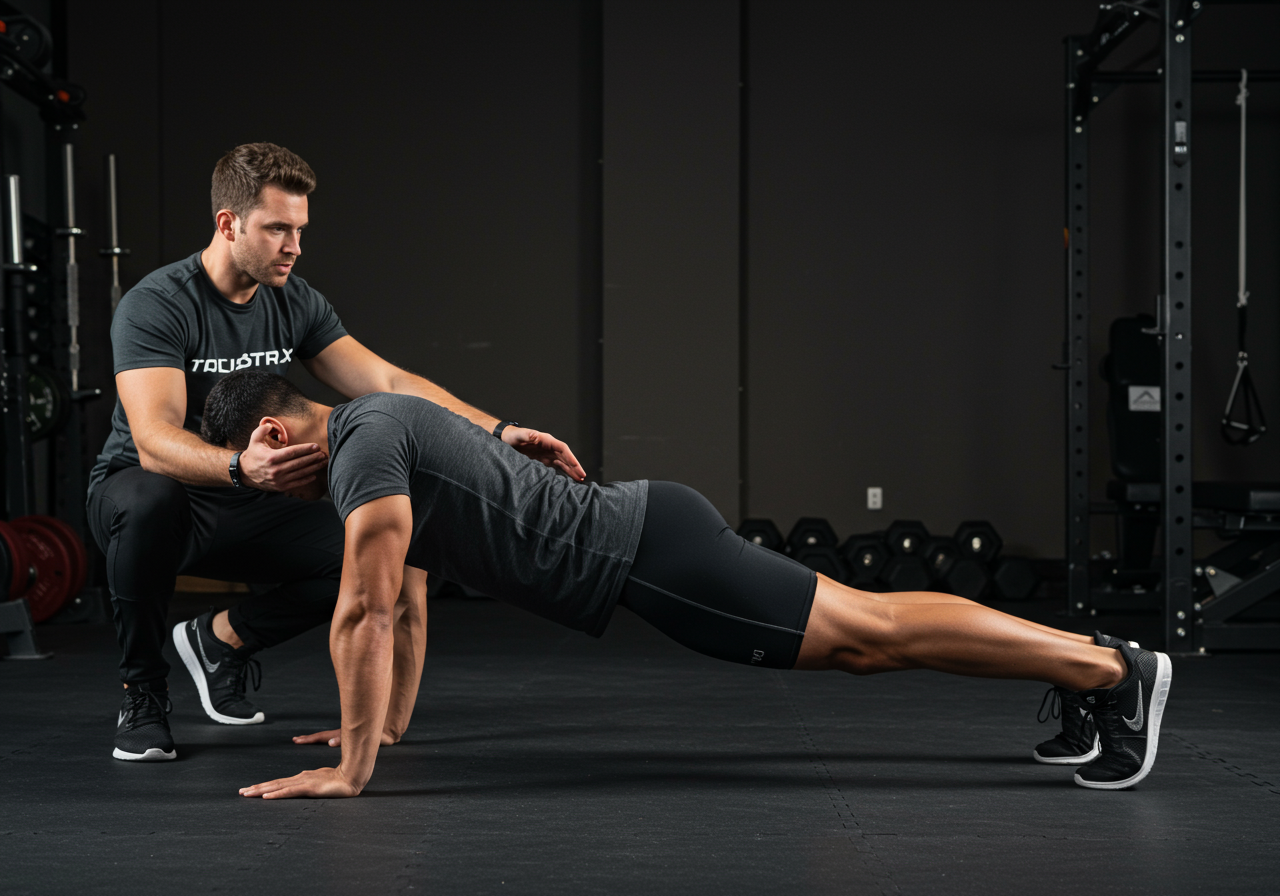
Master the movement path to make every rep safer and stronger
Technique turns this exercise into a joint-friendly builder. I coach four positions to keep it simple.
Start in a strong pike. Hands shoulder-width, fingers spread, elbows soft, hips high, heels reaching back.
Sweep under with control. Bend the elbows close to the ribs, chest skims the path forward, head leads the tunnel.
Finish in an up-dog style press. Shoulders down and back, chest open, glutes lightly engaged, quads active, gaze forward.
Return to the pike smoothly. Push through the floor, send hips up, exhale, and reset the ribs over the pelvis.
| Cue | What to Feel | Common Error | Fix |
|---|---|---|---|
| Hands | Weight across palm tripod | Collapsed wrists | Use parallettes or fists |
| Elbows | Track 30–45° from ribs | Flared elbows | Screw hands into floor |
| Scapula | Wrap and glide smoothly | Shrugged shoulders | Press long through arms |
| Spine | Long, not overarched | Excessive lumbar arch | Brace lightly, squeeze glutes |
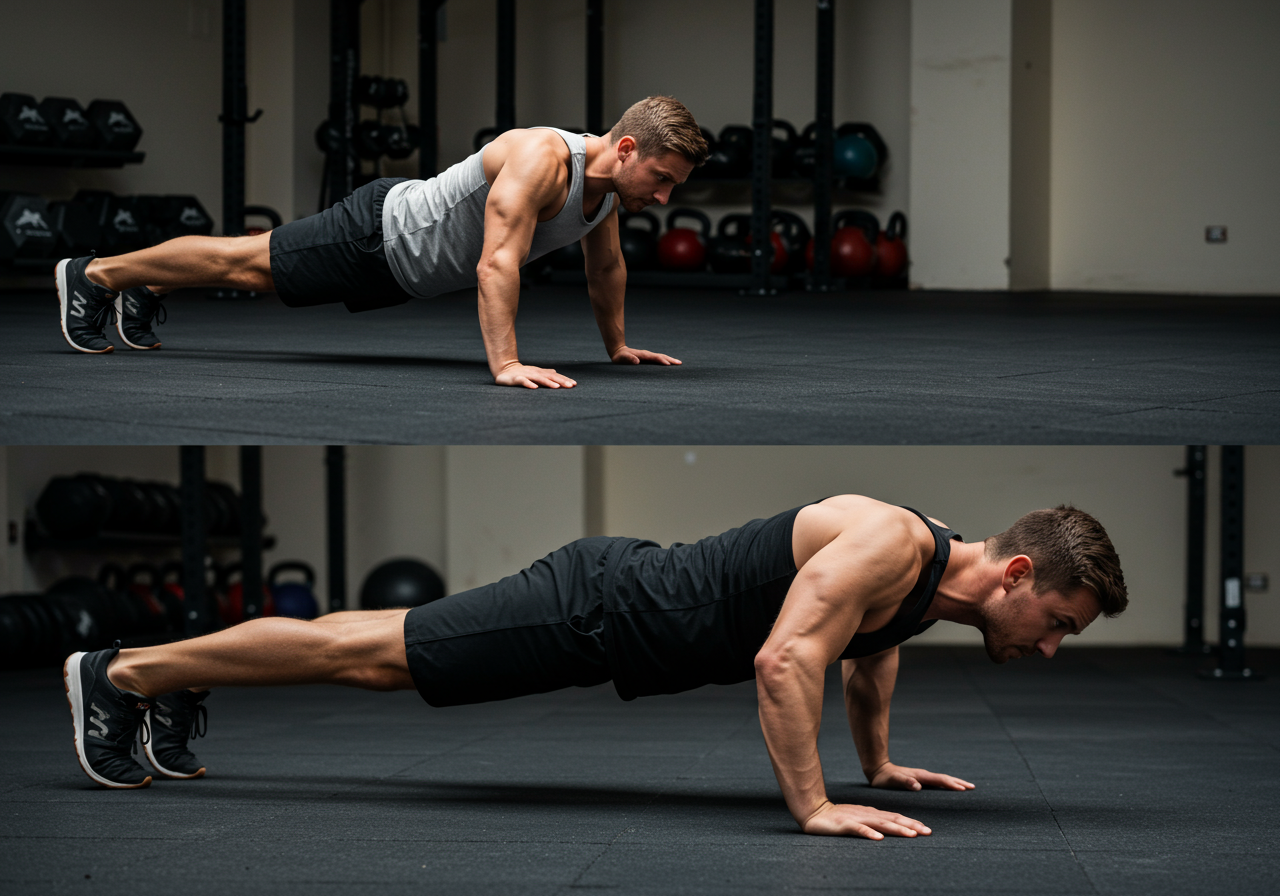
I track technique quality with video from the side. I look for smooth scapular motion and even elbow angle.
Advance intelligently with clear progressions and measurable overload
Progressions remove guesswork and protect joints. Choose the level that challenges you, yet preserves form.
| Level | Setup | Sets x Reps | Rest | Tempo |
|---|---|---|---|---|
| Beginner | Hands on bench | 4 x 6–8 | 75–90 sec | 2-1-2-1 |
| Intermediate | Floor standard | 5 x 8–12 | 90 sec | 3-1-2-1 |
| Advanced | Feet elevated or weighted vest | 6 x 6–10 | 120 sec | 3-2-2-1 |
Overload methods prevent plateaus. I rotate three approaches over six weeks.
- Density: Keep reps per set constant and shrink rest by 10–15% weekly.
- Mechanical: Lower hand support each week until floor level. Elevate feet later.
- Time Under Tension: Add a one to two second pause at the lowest point.
| Week | Method | Target | Outcome Goal |
|---|---|---|---|
| 1–2 | Density | 5 x 8, 90 sec to 75 sec | Smooth sweep path |
| 3–4 | Mechanical | Lower hand height weekly | Full floor reps |
| 5–6 | TUT + Pause | 1–2 sec bottom hold | Elbow control and strength |
Heart rate stays moderate during sets. My Garmin averaged 128–140 bpm (Zone 2–3) during EMOM sessions.

Execute a clear weekly plan with supportive fuel and recovery
Implementation turns a plan into progress. Here is a simple rollout for four weeks.
| Week | Sessions | Main Sets | Conditioning | Notes |
|---|---|---|---|---|
| 1 | 2 push days | 4 x 6–8 elevated | 2 x 20 min Zone 2 | Technique first |
| 2 | 2 push days | 5 x 8 floor | 2 x 25 min Zone 2 | Density up |
| 3 | 3 push days | EMOM 12 x 5 | 1 x 20 min, 1 x HIIT 10 x 30/30 | Deload if elbows ache |
| 4 | 2 push days | 6 x 6 with 2 sec pause | 2 x 30 min Zone 2 | Test max 2-min reps |
I monitor heart rate and recovery using a Garmin watch. I keep easy days below 140 bpm. I upload sessions to the Garmin platform for trends.
Fuel supports adaptation. I set calories near maintenance for skill phases. I shift to a small deficit for fat loss phases.
| Goal | Calories | Macros | Notes |
|---|---|---|---|
| Skill/Strength | Bodyweight x 14–15 | Protein 1.6–2.2 g/kg; Carbs 3–4 g/kg; Fat 0.8–1 g/kg | Carbs pre-session help control tempo |
| Fat Loss | Bodyweight x 12–13 | Protein 2.0–2.4 g/kg; Carbs 2–3 g/kg; Fat 0.6–0.8 g/kg | Keep performance by preserving carbs |
I track intake with MyFitnessPal to keep protein consistent. I keep hydration at 30–35 ml per kg bodyweight daily.
Supplements that helped me include creatine monohydrate 3–5 g daily and vitamin D if deficient. I add electrolytes during hot sessions.
For tech, I log sessions on Garmin and food on MyFitnessPal. You can find them at garmin.com and myfitnesspal.com.

Track results, evaluate changes, and adjust with long-term result interpretation
Validation keeps the program honest. I measure both performance and movement quality.
| Metric | Baseline | Week 6 | Change |
|---|---|---|---|
| 2-min reps | 24 | 38 | +58% |
| Avg HR during EMOM | 140 bpm | 134 bpm | Efficiency up |
| Shoulder flexion | 160° | 172° | +12° |
My own six-week cycle improved EMOM capacity from 5 x 12 to 5 x 16 reps. Garmin estimated VO2 max rose by about 8% after adding short HIIT finishers.
Client stories show range and reliability. Asha, 34, office worker, started with bench-elevated reps.
Miguel, 42, recreational runner, used Hindu push-ups on non-running days. He reduced shoulder tightness and improved posture in photos.
Common problems deserve fast fixes. Wrist pain often comes from poor hand angles or stiff forearms.
- Use parallettes or closed-fist support for two weeks.
- Warm wrists with 60 seconds of circles and extensions.
- Keep elbows 30–45° from the torso.
Plateaus respond to smart changes. Rotate to paused reps or reduce rest for two weeks, then retest.
Motivation dips happen. I schedule short 15-minute EMOMs on low-energy days and log the win in the app.
Lessons learned matter. I once skipped my warm-up and strained my wrist. Since then, I always prime the wrists and shoulders for three minutes.
Comparisons inform strategy. HIIT finishers improved fat loss more than steady-state alone for my clients. However, Zone 2 supported recovery and technique learning better.
Maintain this cycle quarterly and retest every six to eight weeks. Keep your data, and let the numbers steer your next block.
Plug-and-play workouts for rapid execution and confidence
Simple routines help beginners start fast. Choose a time block that fits your day.
| Warm-up Flow | Time | Purpose |
|---|---|---|
| Wrist circles + extensions | 60–90 sec | Prepare joints |
| Cat-cow + thread the needle | 90 sec | Thoracic mobility |
| Down-dog to up-dog flows | 90 sec | Pattern rehearsal |
End each session with nasal breathing for one minute. This calms the nervous system and speeds recovery.