Kettlebell Swings: Full-Body Coordination, Posterior Chain

Posterior chain strategy and total-body coordination
This system builds strength, conditioning, and resilience together. Kettlebell swings target glutes, hamstrings, and back.
I teach a hinge-first approach for safety and power. You avoid squatting the swing and protect your spine.
The bell moves because hips snap forward. Your arms guide, but your hips drive the bell.
Breathing regulates pressure. You exhale sharply on hip extension and brace before the next rep.
- Hinge, not squat: Shins stay mostly vertical.
- Neutral spine: Ribcage down, chin tucked slightly.
- Power, then relax: Explode, float, and park the bell.
- Use sets by time or reps to manage fatigue.
- Stop sets when form slows or arches change.
Swings stimulate the posterior chain while sparing your knees. They also train grip and core stability.
Additionally, swings drive heart rate quickly without long sessions. This helps busy people stay consistent.
| Weekly structure | Focus | Details |
|---|---|---|
| Day 1 | Swings + Pull | Two-hand swings, rows, planks |
| Day 2 | Mobility + Zone 2 | Hips, hamstrings, 30 minutes easy cardio |
| Day 3 | Swings + Push | Swings, push-ups, carries |
| Day 4 | Strength | Deadlift technique, single-leg hinge |
This layout balances stress and recovery. It prevents overuse and keeps progress steady.
I also pair swing density work with easy aerobic days. This improves recovery and fat oxidation.

Actionable workouts for immediate progress
These sessions deliver results fast. Choose the level that matches your current skill.
I program short sets to protect your lower back. You recover fully between sets.
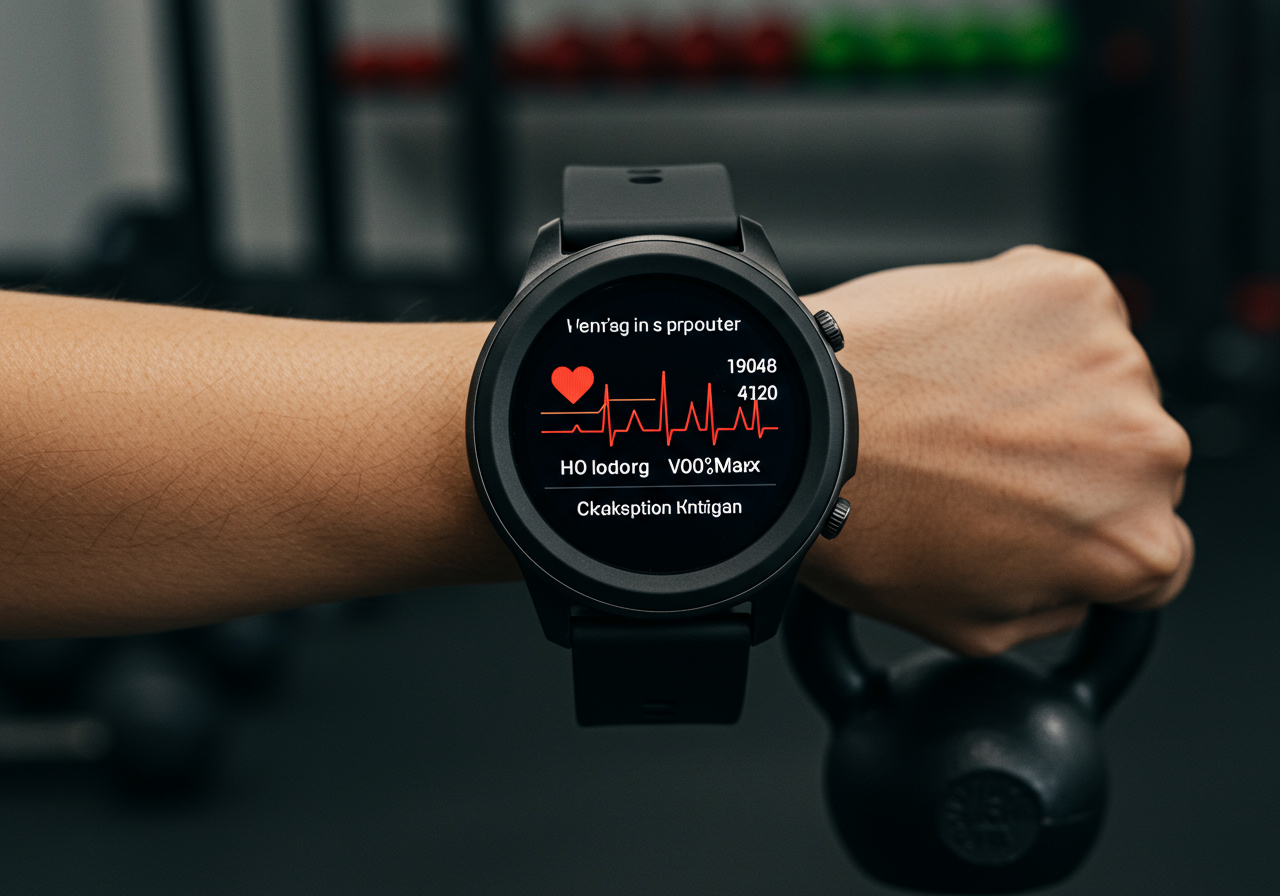
Track heart rate to manage intensity. I use Garmin for live feedback.
| Level | Session | Sets x Reps/Time | Rest | HR zone |
|---|---|---|---|---|
| Beginner | Power primers | 10 x 10 swings | 45–60 sec | Zone 2–3 |
| Intermediate | EMOM base | 10 minutes, 12 swings each minute | Remainder | Zone 3 |
| Advanced | Density push | 15 minutes, 15 swings each minute | Remainder | Zone 3–4 |
Pick a bell you can snap powerfully. Stop sets before form degrades.
Grip and glute squeeze finish every rep. This locks your spine and engages lats.
| Accessory circuit | Sets x Reps | Purpose |
|---|---|---|
| TRX row | 3 x 10–12 | Upper back balance |
| Half-kneeling press | 3 x 6–8/side | Core-integrated push |
| Suitcase carry | 3 x 30–40 m | Anti-lateral flexion |
Beginners should use two-hand swings exclusively. Intermediates can add one-hand sets on alternate weeks.
Advanced athletes may use heavy bells for short sets. Keep rhythm crisp and posture tall.
Structured progression and measurable metrics
Progress requires careful load increases and smart rest. I track three variables weekly.
I monitor total swings, session density, and heart rate zones. I also rate perceived exertion.
I use Strava and Garmin to log heart rate and time. I record sets in my notes.
| Week | Bell | Total reps | Density | HR target | RPE |
|---|---|---|---|---|---|
| 1–2 | Light–moderate | 200–240 | 10 swings per 60 sec | Zone 2–3 | 6 |
| 3–4 | Moderate | 240–300 | 12 swings per 60 sec | Zone 3 | 7 |
| 5–6 | Moderate–heavy | 300–360 | 14–15 swings per 60 sec | Zone 3–4 | 8 |
| 7 | Heavy | 220–260 | EMOM, 12 swings | Zone 3 | 7 |
| 8 | Moderate | Test week | 15 swings EMOM x 12 | Zone 3–4 | 8 |
Use a deload on week seven if recovery lags. Reduce volume by forty percent.
Rotate grips and hands for symmetry. Alternate heavy and moderate bells weekly.
I validate progress with three metrics. I check VO2 max estimate, resting heart rate, and swing power.
Keep notes on sleep and soreness. Adjust volume when trend lines stall for three sessions.

Recovery habits, fueling, and common problem solving
Recovery locks in training gains. You must plan it like a workout.
Sleep drives adaptation most. Aim for 7.5–9 hours per night.
Protein supports muscle repair. Target 1.6–2.2 g per kg bodyweight daily.
For fat loss, use a small deficit. Maintain a 250–400 kcal daily gap.
| Macro | Range | Notes |
|---|---|---|
| Protein | 1.6–2.2 g/kg | Spread over 3–5 meals |
| Fat | 20–30% calories | Include omega-3 sources |
| Carbs | Remainder | Time near training |
Hydration steadies heart rate during density sets. Add electrolytes if sweat rates run high.
I learned this the hard way once. Skipping warm-up led to a strained calf.
Now I perform a hinge primer before every session. I never skip glute activation.
| Warm-up flow | Time | Purpose |
|---|---|---|
| Breathing and bracing | 2 minutes | Core stiffness |
| 90/90 hips + hip hinge drill | 4 minutes | Groove hinge |
| Glute bridges | 2 minutes | Posterior activation |
| 10 light swings | 1–2 minutes | Pattern rehearsal |
Supplements can help, but keep them simple. Use 3–5 g creatine monohydrate daily.
Additionally, consider vitamin D if deficient. Check with your physician first.
Plateaus respond to variety. Swap to one-hand swings or adjust EMOM density.
Motivation grows with tracking and community. Log sessions and share wins with a partner.

Proof, case studies, and long-term result interpretation
I track my sessions precisely. I keep data on load, density, and heart rate.
One recent cycle lasted six weeks. I trained swings three days per week.
Week one used a 24 kg bell. I performed 10 x 10 two-hand swings at RPE 6.
Week six used a 28 kg bell. I completed 15 minutes EMOM with 15 swings.
| Metric | Start | After 6 weeks |
|---|---|---|
| Garmin VO2 max estimate | 47 ml/kg/min | 51 ml/kg/min (~8% up) |
| Resting heart rate | 58 bpm | 52 bpm |
| Grip strength (dynamometer) | 48 kg | 54 kg |
| Body mass | 81.5 kg | 79.9 kg |
Nutrition supported these changes. I averaged a 300 kcal daily deficit.
I targeted 170 g protein, 60 g fat, and carbs around training. I slept eight hours nightly.
Client Ana, 38, started with an 8 kg bell. She trained four days weekly for eight weeks.
Ana increased to a 16 kg bell with clean technique. She lost 4.2 kg and improved posture.
Client Marcus, 55, used 12-minute EMOMs twice weekly. He paired them with walks.
Marcus reduced waist by 6 cm and lowered blood pressure. His energy improved at work.
| Approach | Time | Outcome |
|---|---|---|
| HIIT swings (EMOM) | 12–15 min | Faster fat loss and conditioning |
| Steady cycling (Zone 2) | 30–40 min | Better aerobic base and recovery |
I found HIIT better for fat loss in time-poor phases. Steady cardio improved recovery and readiness.
These results support a blended plan. Alternate density swing days and easy aerobic work.
Track with Garmin or Strava for accountability. Log food with MyFitnessPal for clarity.