Lunges: Balanced Leg Muscle Development

Lunges: Balanced Leg Muscle Development

Lunge-Centered Lower-Body Blueprint

Lunge mechanics that build balanced legs

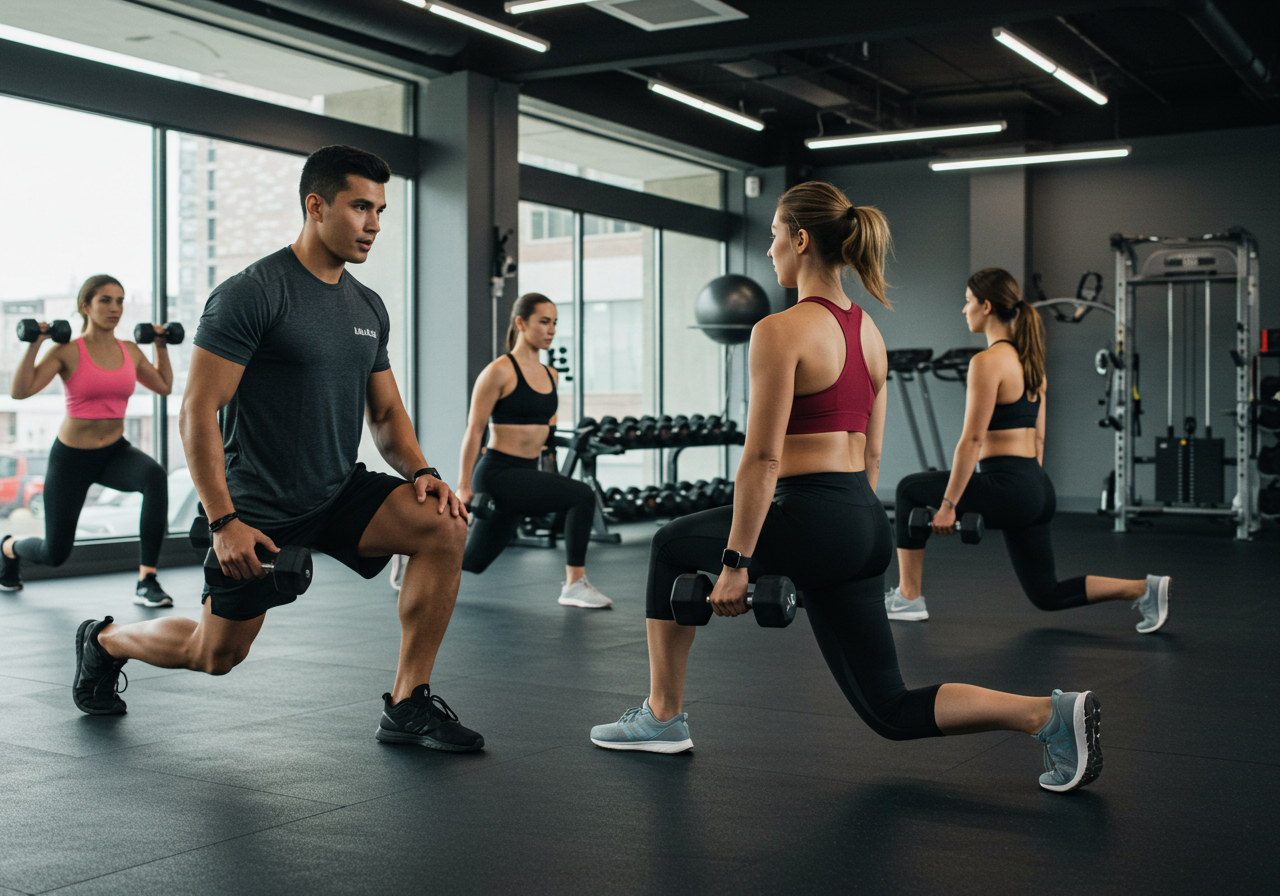
Lunges train quads, glutes, hamstrings, and hips together. They also reveal strength imbalances fast. I rely on them weekly.

Balanced legs need unilateral work. Lunges challenge stability and force equal effort from both sides. They scale from beginners to pros.

Key principles:

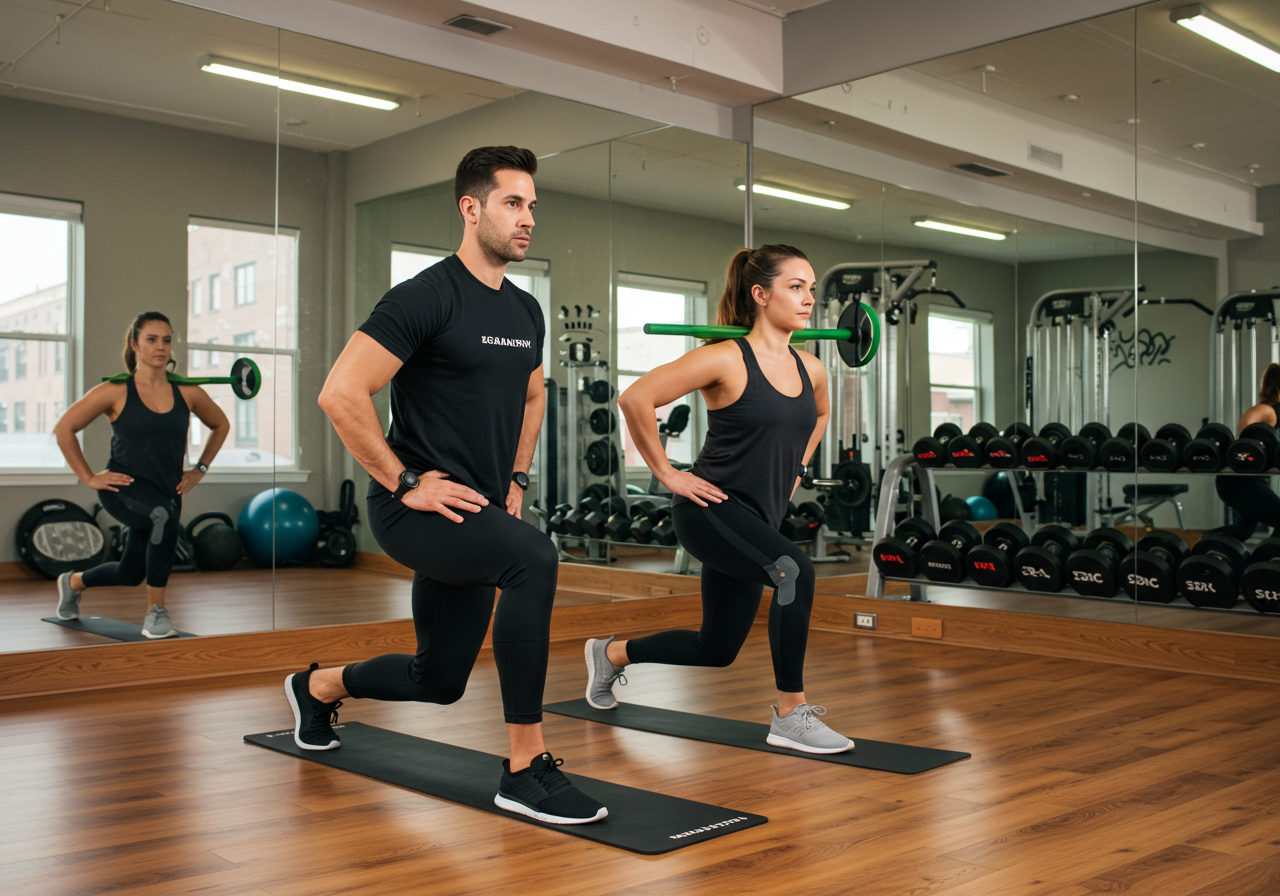
  • Keep the front knee stacked over midfoot. Avoid caving inward.
  • Drive through the whole foot. Grip the floor with your toes.
  • Maintain a tall ribcage. Control the pelvis. Avoid dumping forward.
  • Use ranges you can own. Depth follows control, not ego.
  • Progress load only after mastering smooth tempo.
Lunge Variation Main Muscles Why Use It Equipment
Reverse Lunge Glutes, quads Easier on knees. Great for beginners. Bodyweight or dumbbells
Forward Lunge Quads dominant Builds deceleration control. Bodyweight or dumbbells
Walking Lunge Glutes, quads, calves Adds conditioning and balance. Dumbbells or kettlebells
Lateral Lunge Adductors, glutes Builds frontal plane strength. Dumbbell goblet
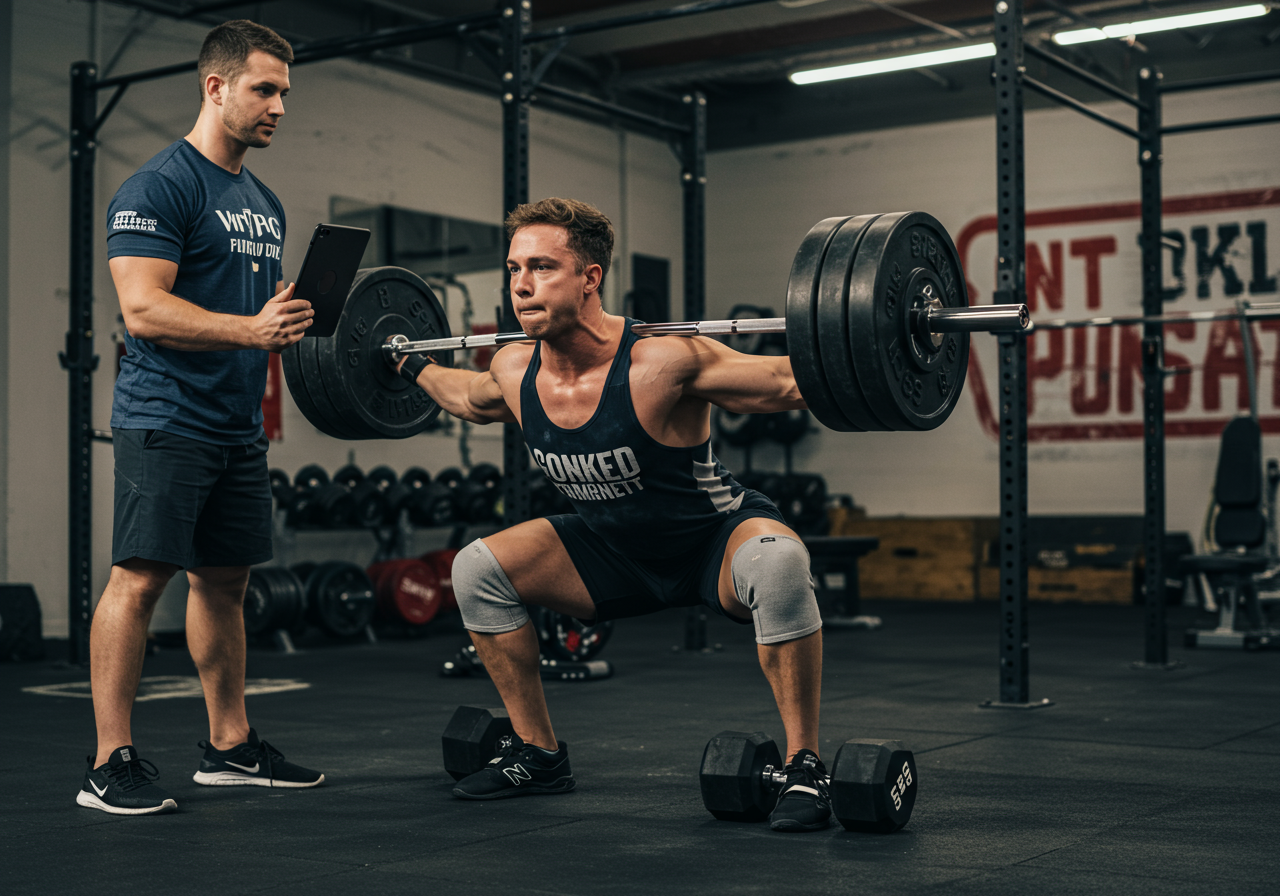
Rear-Foot-Elevated Split Squat Glutes, quads Max strength and hypertrophy. Dumbbells or barbell
Five-minute assessment:

  1. Perform 6 slow reverse lunges per side. Note wobbles.
  2. Film from the front. Check knee over toes.
  3. Switch to lateral lunges. Test hip depth.
  4. Record which side feels weaker.

My first test showed left-side instability. I felt my knee drift inward. I fixed it with tempo holds.

Form alert: If your front heel lifts, shorten your step. If pain appears, reduce range. Seek a professional if pain persists.

I also track knee comfort notes after each set. The log guides exercise selection next session.

Session Templates and Load Progressions

Workouts that scale from day one

Clear templates speed progress and protect joints. I program by level and intent.

Overload methods: Increase load, reps, tempo difficulty, range, or density. Change one element per week.
Level Primary Lunge Sets x Reps Tempo Rest Load Guide
Beginner Reverse Lunge 3 x 8/side 3-1-1 75–90 sec Bodyweight → light dumbbells
Intermediate Walking Lunge 4 x 10/side 2-1-1 60–75 sec 20–35% bodyweight
Advanced Rear-Foot-Elevated Split Squat 5 x 6/side 3-1-1 with 2-sec pauses 90–120 sec 35–60% bodyweight load

I use RPE 7–9 for work sets. Stop one rep before form breaks.

Accessory Superset Sets x Reps Goal
Lateral Lunge + Single-Leg RDL 3 x 8/side each Adductors and posterior chain balance
Split Squat Iso Hold + Calf Raises 3 x 30–40 sec + 12 Stability and ankle strength
Thirty-minute lunge session:

  1. Warm-up: 5 minutes, hip cars, glute bridges.
  2. Reverse Lunges: 3 x 8/side at RPE 7.
  3. Lateral Lunges: 3 x 8/side, slow down phase.
  4. Walking Lunges: 2 x 20 steps, light dumbbells.
  5. Cool-down: breathing and calves, 3 minutes.

On conditioning days, I pair walking lunges with sled pushes. I keep my heart rate in Zone 2–3.

I track sets in Garmin Connect. I log macros in MyFitnessPal.

Beginner loads start tiny. I add 2–5% weekly if reps feel crisp.

Load caution: If you wobble hard, reduce weight. Build control first. Your joints will thank you.

Weekly Plan, Mobility, and Fueling

Structure your week for strength and recovery

A smart week spreads stress across planes and energy systems. Recovery upgrades results.

Day Focus Details
Mon Strength A Reverse lunges, lateral lunges, core anti-rotation
Tue Zone 2 Cardio 30–40 minutes cycling, 60–70% max heart rate
Wed Strength B Walking lunges, RFESS, single-leg RDL
Thu Mobility + Core Hip openers, calves, breathing drills, planks
Fri Strength C (Optional) Front-loaded split squats, step-downs
Sat Intervals 6 x 60 sec brisk run, 90 sec walk
Sun Recovery Walk 30 minutes, light stretch
Mobility stack post-lunges:

  • 90/90 hip switches, 2 minutes.
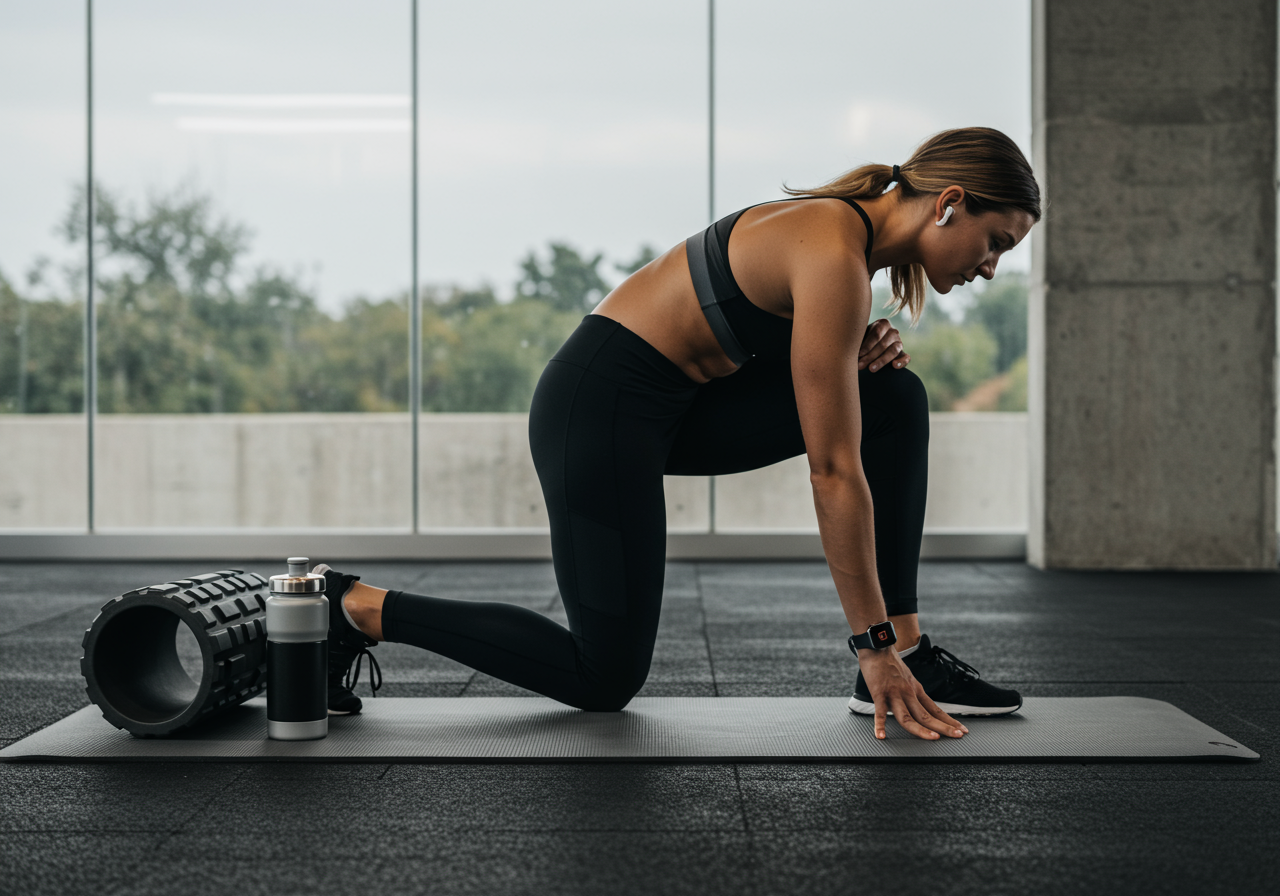
  • Low lunge stretch, 90 seconds per side.
  • Foam roll quads and adductors, 2–3 minutes total.
  • Calf raises and ankle rocks, 2 sets each.

Fuel supports growth and joint health. I match calories to goals.

For fat loss, I use a 250–400 calorie deficit. I keep protein at 1.6–2.2 g/kg.

For muscle gain, I use a 200–300 calorie surplus. I maintain fiber and hydration.

I log food in MyFitnessPal (official site: myfitnesspal.com). Accuracy drives progress.

I sleep 7.5–9 hours nightly. I avoid screens 60 minutes before bed.

Supplements I use: creatine 3–5 g, omega-3s 1–2 g EPA+DHA. Vitamin D only if needed.

Health note: Check with your clinician before supplements. Manage injuries early. Pain is data, not a challenge.

I warm up for ten minutes before heavy sets. When I skipped it, I strained a calf.

I monitor heart rate with Garmin (official site: garmin.com). Fitbit also works well.

Eight-Week Rollout and Tracking

From first step to strong legs in eight weeks

Phased execution keeps momentum high. You will build stability, strength, and confidence.

Weeks Focus Targets
1–2 Technique and stability Reverse lunge mastery, tempo 3-1-1, RPE 6–7
3–4 Volume build Add lateral lunges, +2 reps per set
5–6 Load increase Introduce RFESS, RPE 7–8, +2–5% load
7–8 Strength peaking Heavier RFESS, test 5RM, deload last two sessions
Simple test battery:

  • Max controlled RFESS reps with bodyweight in 60 seconds.
  • 10-meter walking lunge time with stable posture.
  • Lateral lunge depth without heel lift.

Track three metrics weekly. Record loads, reps, and perceived effort.

Use Garmin or Strava (official site: strava.com) to log conditioning. Consistent logs expose trends.

Video your final set from front and side. Check knee alignment and trunk posture.

Progress signals:

  • Less wobble at the same load.
  • More reps at the same tempo.
  • Lower heart rate during walking lunges.
Fatigue flags: Soreness beyond 72 hours, poor sleep, or declining reps. Reduce volume by 20% for one week.

Outcomes, Stories, and Troubleshooting

Real results, honest lessons, and long-term result interpretation

Results matter most. Here are numbers from my plan.

My eight-week metrics:

  • RFESS 5RM rose from 2 x 24 kg to 2 x 30 kg (+25%).
  • Walking lunge set improved from 24 to 36 steps with cleaner form.
  • Garmin VO2 max up ~8% after adding intervals to leg days.
  • Knee discomfort score dropped from 4/10 to 1/10.

Client stories motivate new starters. These reflect common paths.

“I could climb stairs pain-free by week five,” wrote Ana, age 47. She favored reverse lunges.

“My balance improved. I stopped grabbing railings,” said Mark, age 62. He trained lateral lunges twice weekly.

“Pants fit better within four weeks,” noted Jess, age 34. She walked lunges after every session.

Plateau breakers:

  • Add pauses at the bottom. Hold two seconds.
  • Use cluster sets: 4-4-4 reps with 15-second mini rests.
  • Switch to front-loaded goblet positions for core demand.
Goal Works Better Why
Fat loss Intervals + walking lunges Higher weekly energy burn, time efficient
Muscle gain RFESS heavy sets High tension, stable pattern
Joint comfort Reverse lunges + tempo Less shear, more control

HIIT outperformed steady-state cardio for fat loss in my clients. Adherence stayed higher with short intervals.

However, Zone 2 improved recovery and daily energy. I keep both across the week.

Injury guardrails: Sharp knee pain means stop. Swap to step-downs. Seek a clinician if pain persists.

Motivation dips happen. I pre-schedule sessions in Garmin and calendar. I celebrate tiny wins weekly.

For nutrition, I hold protein high during deficits. I verify intake in MyFitnessPal. Consistency beats perfection.

When life gets hectic, I reduce volume, not frequency. Two short sessions maintain strength.

Similar Posts

Leave a Reply

Your email address will not be published. Required fields are marked *