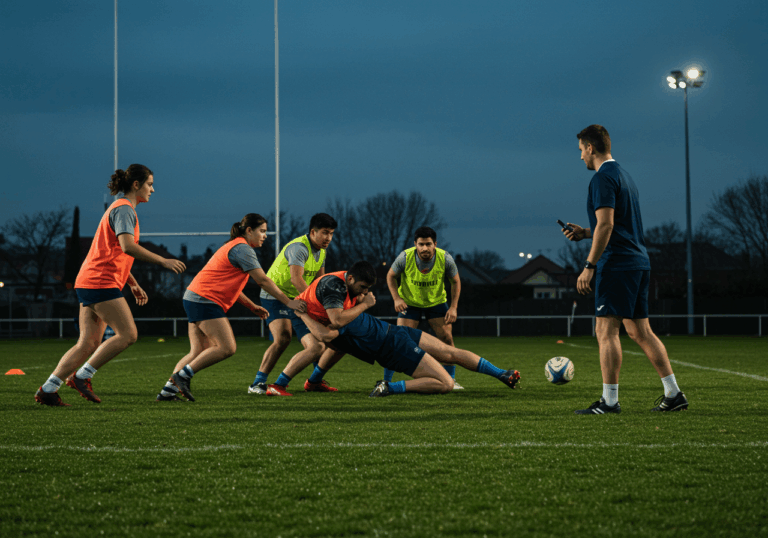
Martial Arts: Combat Fitness Training
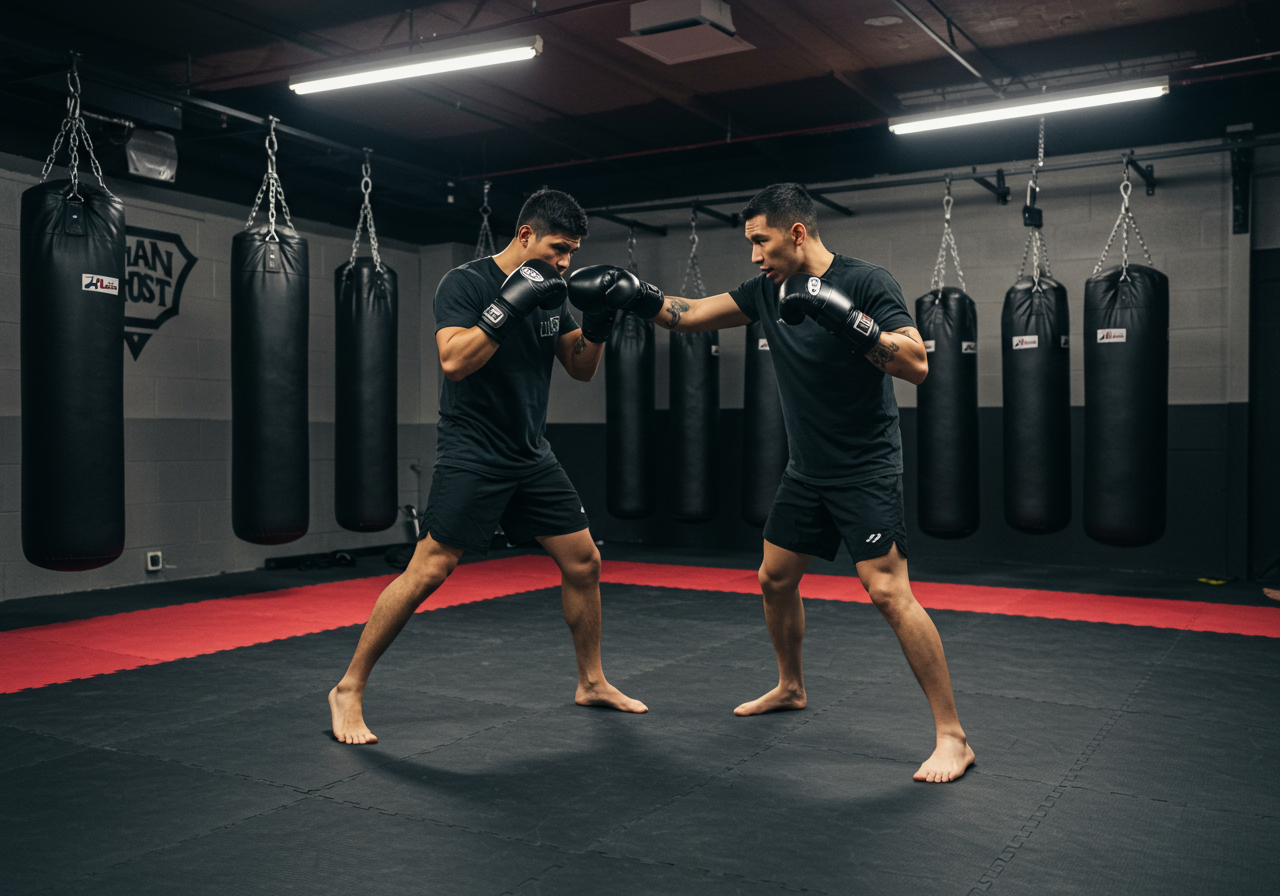
Build your martial base with smart skill, strength, and conditioning
This blueprint blends striking skills, strength lifts, and conditioning blocks. You will improve fast and safely.
Skill work sharpens technique before fatigue. Strength work builds power and armor. Conditioning glues everything together.
– Specificity: train stances, strikes, and grappling patterns weekly.
– Progressive overload: add reps, load, rounds, or density.
– Energy balance: mix alactic power, lactic capacity, and aerobic base.
– Movement quality first: crisp technique beats sloppy volume.
Skill development starts with stance, guard, and footwork. I teach jab, cross, and rear kick first.
Strength sessions favor compound lifts and kettlebell work. You will feel stable under pressure.
Conditioning alternates intervals on the bag with steady shadowboxing. Your engine will support harder rounds.
– 5 min mobility: hips, ankles, thoracic.
– 10 min skill: jab–cross, 3×2 min rounds, 60 sec rest.
– 10 min conditioning: bag intervals, 8×20 sec hard/40 sec easy.
– 5 min cooldown: nasal breathing and calf/hip stretch.
| Day | Primary Focus | Details |
|---|---|---|
| Mon | Skill + Anaerobic | Pads 6×2 min; bag sprints 10×15/45; core carry 3×40 m. |
| Tue | Strength | Squat 4×5, Pull-up 4xAMRAP, KB swing 5×15, Pallof press 3×10. |
| Wed | Aerobic Base | Shadowbox 30 min Zone 2; mobility 10 min. |
| Thu | Skill + Power | Kicks 6×2 min; med-ball throws 5×5; sled push 6×20 m. |
| Fri | Strength + Core | Deadlift 5×3, Bench 5×5, Row 4×8, Farmer walk 4×30 m. |
| Sat | Spar/Drill or Hike | Light technical rounds or 45 min Zone 2 outdoors. |
| Sun | Recovery | Breathing, stretching, easy walk 20–30 min. |
Energy systems training keeps sessions targeted. Short sprints build explosiveness without wrecking form.
Keep wrists straight on impact. Wrap hands and use 12–16 oz gloves. Stop if knuckle pain appears.

Follow clear progressions and scale your training with confidence
Progressions guide your workload and technique focus. You scale rounds, loads, and density each week.
Beginners learn mechanics and breathing. Intermediates raise power and tempo. Advanced athletes sharpen speed and resilience.
Zone 2: 60–70% HRmax. Zone 4–5: 85–95% HRmax. Use a chest strap for accuracy.
| Level | Weekly Plan | Progression |
|---|---|---|
| Beginner (Weeks 1–6) | 3 skill days, 2 strength days, 1 Zone 2 day. | Add 1 round weekly; increase KB swing load after Week 3. |
| Intermediate (Weeks 7–16) | 4 skill days, 2 strength days, intervals twice weekly. | Alternate volume and intensity; deload every 4th week. |
| Advanced (Weeks 17+) | 5 skill days, 2 strength days, mixed energy sessions. | Cycle peaking blocks and maintain aerobic base year-round. |
Beginner sample loads stay conservative. You refine movement under low fatigue.
| Beginner Session | Sets/Reps | Rest | Notes |
|---|---|---|---|
| Jab–Cross Drill | 6×90 sec | 60 sec | Focus guard and stance width. |
| Goblet Squat | 3×10 @ RPE 6 | 75 sec | Increase 2 kg when reps feel easy. |
| KB Swing | 4×12 (16 kg) | 60 sec | Explode hips. Neutral spine always. |
| Zone 2 Shadowbox | 20–30 min | — | Nasal breathing, smooth footwork. |
Intermediate plans add power and tempo. You manage intensity with RPE and heart rate.
| Intermediate Session | Prescription | Target |
|---|---|---|
| Pads | 8×2 min, 45 sec rest | Zone 4 finish last minute. |
| Deadlift | 5×3 @ 80–85% 1RM | Longer rest 2–3 min. |
| Bag Sprints | 12×15 sec hard/45 sec easy | RPE 8–9 on sprints. |
Advanced athletes chase speed and repeatability. You protect joints with strict volume caps.
| Advanced | Workload | Quality Control |
|---|---|---|
| Power Rounds | 10×3 min, 60 sec rest | Maintain crisp impact mechanics. |
| Contrast Lifts | Front squat 3×3 + jump 3×5 | Explode on each jump. |
| Repeat Sprint Ability | 2 sets of 8×10 sec, 20 sec rest | Stop if power drops. |
Begin with 3 days weekly. Add a fourth day after Week 3 if recovery feels solid.
Bag speed collapses and elbows ache? Cut volume by 30% for one week.

Use data and feedback to guide each round and lift
I track rounds, heart rate, and lifts weekly. Simple logs maintain direction and momentum.
I use a Garmin Forerunner and a chest strap. I also log food in MyFitnessPal.
– Garmin Connect for HR zones and VO2 estimates: garmin.com.
– MyFitnessPal for calorie and macro tracking: myfitnesspal.com.
Here is a recent 60-minute session from my log. The focus was power and repeatability.
| Block | Details | HR/Load |
|---|---|---|
| Warm-up | 10 min mobility and jump rope | Zone 1–2, 110–130 bpm |
| Pads | 8×2 min, 45 sec rest | Peaks Zone 4, 165–175 bpm |
| Strength | Deadlift 5×3 @ 85%, KB swing 4×15 (24 kg) | RPE 8, full recovery |
| Finisher | Bag sprints 10×15/45 | RPE 9, Zone 5 spikes |
| Cooldown | Breathing 3 min, stretch 5 min | Zone 1, 100–115 bpm |
Six-week data shows measurable improvements. The changes felt strong and sustainable.
| Metric | Week 1 | Week 6 | Change |
|---|---|---|---|
| VO2 max (Garmin) | 44 ml/kg/min | 47.5 ml/kg/min | ~8% increase |
| Resting HR | 62 bpm | 57 bpm | -5 bpm |
| Deadlift 3RM | 140 kg | 152.5 kg | +12.5 kg |
| Max bag strikes/2 min | 112 | 134 | +22 |
Client feedback confirms the approach works. Newcomers felt safer and stronger quickly.
“Week 4 and my shoulders no longer gas out.” — Erin, 39
“Down 3.2 kg in six weeks without starve-mode.” — Luis, 33
“I finally throw fast kicks without hip pain.” — Maya, 28
Skipping warm-up once led to a strained calf. I now jump rope two minutes minimum.
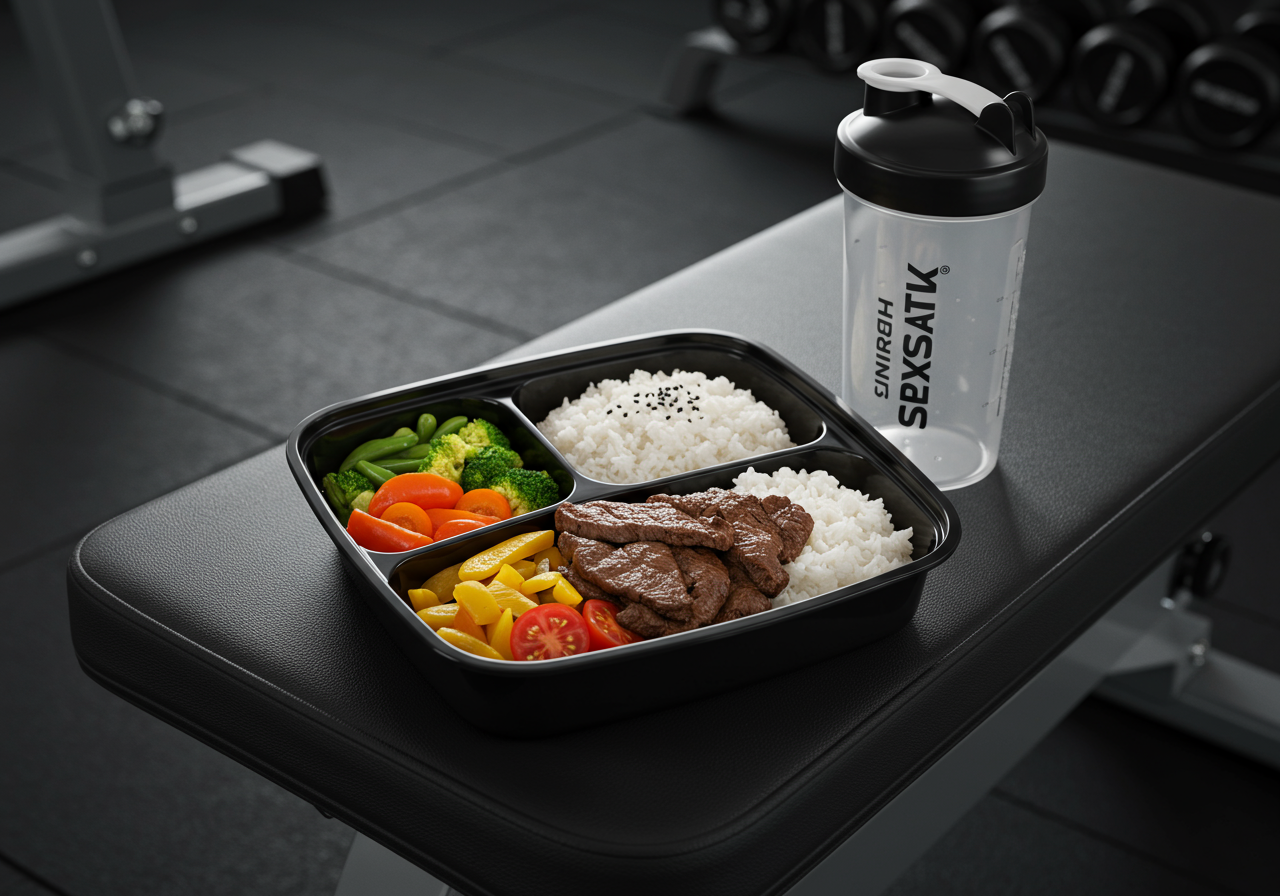
Eat, sleep, and move well to unlock training gains
Nutrition supports hard sessions and fast recovery. Simple habits beat complicated rules.
Protein drives muscle repair. Carbohydrates fuel rounds. Fats stabilize hormones and satiety.
| Goal | Calories | Protein | Carbs | Fats |
|---|---|---|---|---|
| Fat loss | Bodyweight x 11–12 | 1.8–2.2 g/kg | 3–5 g/kg | 0.8–1.0 g/kg |
| Maintenance | Bodyweight x 14–15 | 1.6–2.0 g/kg | 4–6 g/kg | 0.8–1.0 g/kg |
| Performance | Bodyweight x 15–17 | 1.8–2.2 g/kg | 5–7 g/kg | 0.8–1.2 g/kg |
– Pre-session: 30–60 g carbs and 20–30 g protein.
– Post-session: 0.3 g/kg protein and 1 g/kg carbs within two hours.
– Hydration: 500 ml water per hour of training.
Sleep anchors recovery and mood. Aim for 7.5–9 hours nightly.
Supplements stay simple and proven. Creatine 3–5 g daily. Caffeine 2–3 mg/kg pre-workout.
– Wrist push-up holds 3×20 sec.
– Hip airplanes 3×6/side.
– Copenhagen plank 3×20 sec/side.
– Rotator cuff external rotations 3×15.
Avoid aggressive weight cuts without supervision. Elbows or shins sore? Replace hard rounds with Zone 2 shadowboxing for one week.
Recovery days keep your momentum alive. I program light walks and mobility flows.
Fix stalls, maintain motivation, and guide sustainable routine maintenance
Plateaus happen to everyone. You will overcome them with targeted adjustments and patience.
Overreaching signs include elevated resting heart rate and heavy legs. Take them seriously early.
| Problem | Likely Cause | Action |
|---|---|---|
| No power late rounds | Weak aerobic base | Add 2×30 min Zone 2 weekly for four weeks. |
| Elbow pain on hooks | Poor wrist alignment | Wrap well. Use straighter shots for one week. |
| Strength stalled | Too much fatigue | Reduce volume 20%. Keep intensity. Sleep nine hours two nights. |
| Motivation dips | No clear target | Set a bag strike PR test every two weeks. |
HIIT cut fat faster than steady state for busy clients. However, Zone 2 improved round consistency and recovery.
My data shows mixed conditioning drives best results. Short sprints and steady base cooperate well.
I schedule deload weeks after three hard weeks. Performance rebounds quickly with that rhythm.
– Week 1: Cut volume 30%, keep intensity.
– Week 2: Add tempo rounds but cap total sets.
– Retest bag strikes and 3RM at the end.
Build back with isometrics and tempo drills. Progress to dynamic work after pain-free two weeks.
Evaluate results monthly with three tests. Track bag strikes per two minutes, 3RM deadlift, and VO2 trend.