Overhead Squats: Full-Body Stability & Flexibility
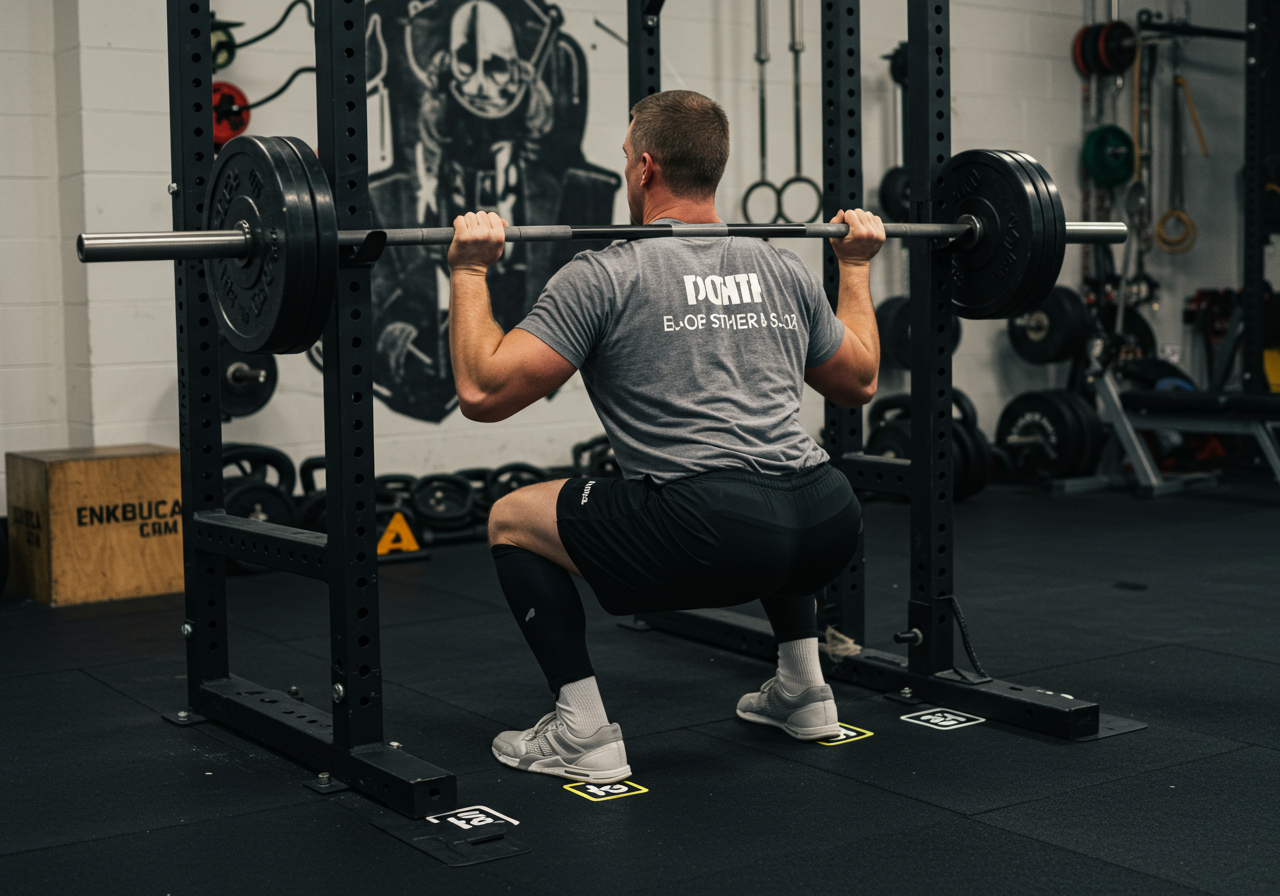
Why overhead squats anchor a full-body training blueprint
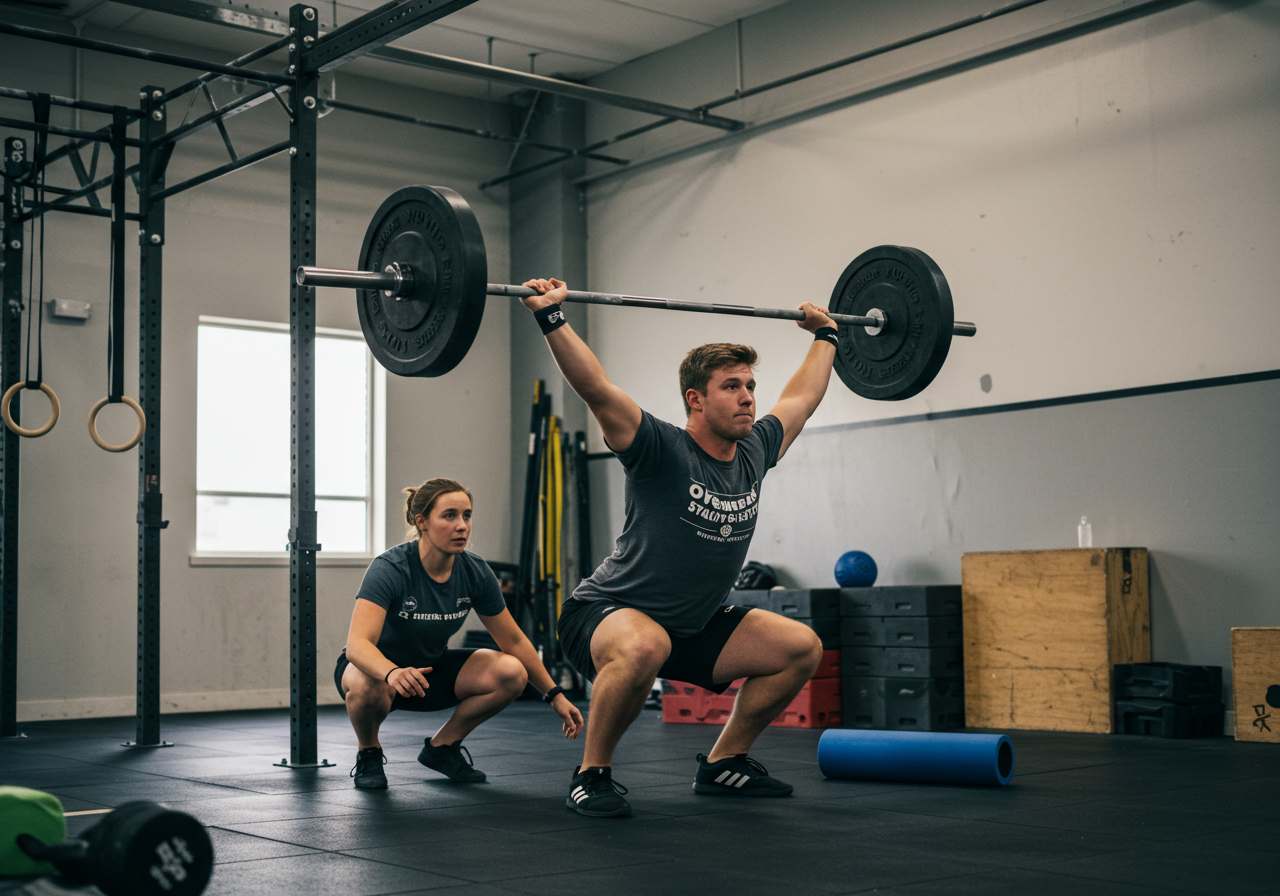
Overhead squats train strength, mobility, and balance in one lift. The movement demands ankle, hip, and shoulder mobility. The lift also challenges core stiffness and midline control. I use it to connect strength and flexibility without extra fluff.
This system organizes training across twelve weeks. The plan blends technique sessions, progressive loading, and mobility circuits. The schedule also layers light cardio for recovery and circulation.
| Phase | Focus | Main Goal | Frequency |
|---|---|---|---|
| Weeks 1–4 | Technique, mobility, stability | Perfect depth and bar path | 3 lift days |
| Weeks 5–8 | Volume and strength | Build work capacity | 3–4 lift days |
| Weeks 9–12 | Intensity and skill under load | Peak and consolidate | 3 lift days |
Loaded squats require deliberate warm-ups. I start with a PVC pipe to groove positions. I then ramp with triples before working sets.
Tools support precision. I track sets and tempo in a simple Google Sheet. I log mobility and steps in Fitbit. I record heart rate trends with a Garmin watch.
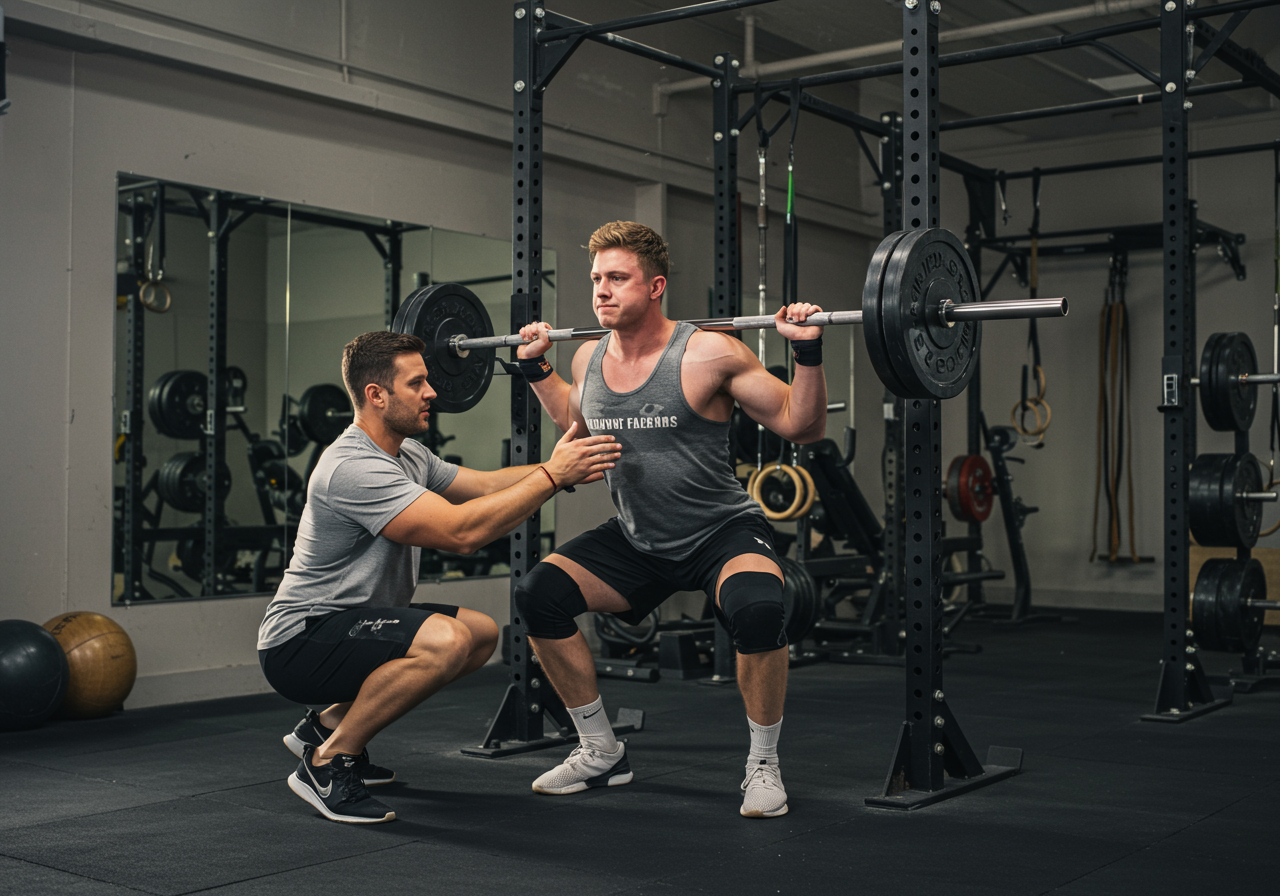
How to execute overhead squats with safe, repeatable technique
Solid setup determines your rep quality. Stand hip-width with feet slightly turned out. Grip the bar wide using a snatch grip. Lock elbows and pack shoulders.
Effective descent starts with a deep breath and brace. Push knees out as hips sit straight down. Keep ribs stacked over pelvis.
Strong depth requires patience. Sit to a position where hip crease is below knees. Keep heels heavy and chest tall.
Reliable ascent begins from the midfoot. Drive up while pushing the bar to the ceiling. Exhale through sticking points.
| Mobility Drill | Dose | Purpose |
|---|---|---|
| Wall ankle rocks | 2×10/side | Improve dorsiflexion |
| Hip 90/90 transitions | 2×8/side | Open external rotation |
| Thoracic extensions on foam roller | 2×12 breaths | Restore upper-back extension |
| PVC overhead squat tempo 3-3-0 | 3×5 | Groove balance and depth |
Breathing guides stability. Inhale through the nose, fill the belly and sides, and brace. Exhale only after passing the sticking point.
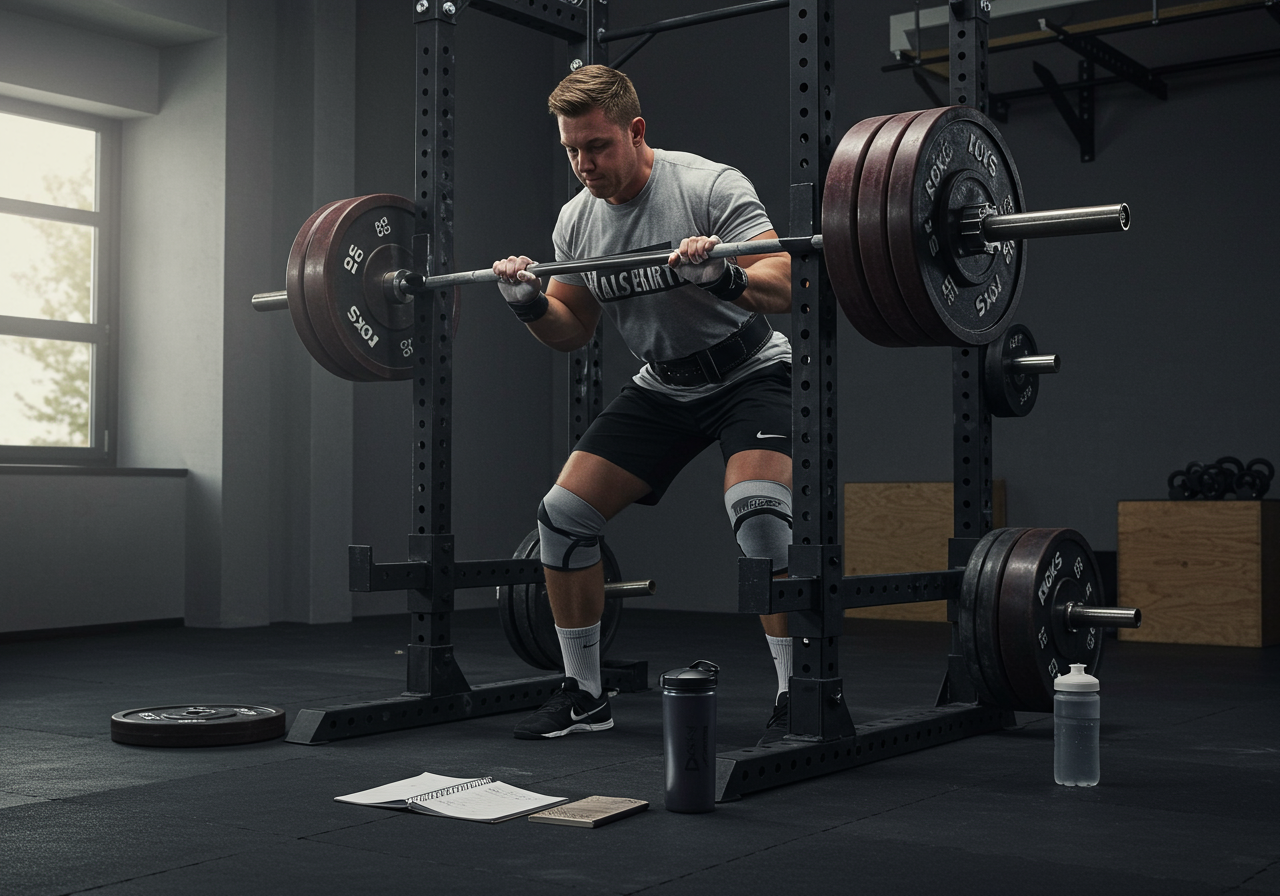
What progression builds strength without losing mobility
Progress must respect skill. I increase load only when positions remain stable. I use RPE to guide days when life stress is high.
| Level | Main Lift | Sets x Reps | Intensity | Accessories |
|---|---|---|---|---|
| Beginner Weeks 1–4 | Goblet OHS with kettlebell | 4×6 | RPE 6 | Tempo front squat 3×6; band pull-aparts 3×15 |
| Intermediate Weeks 5–8 | Barbell OHS from racks | 5×5 | 65–75% 1RM or RPE 7 | Snatch push press 4×4; paused OHS 3×3 |
| Advanced Weeks 9–12 | Barbell OHS with top sets | 1×3 + 3×3 back-off | 80–88% 1RM or RPE 8 | Snatch balance 5×2; core anti-rotation 3×10 |
Weekly structure supports recovery. I alternate heavy and skill-focused days. I place cardio after upper-body work or on rest days.
| Day | Focus | Details |
|---|---|---|
| Mon | Technique + Mobility | PVC drills 10 min; OHS 4×5; easy Zone 2 bike 20 min |
| Wed | Strength | OHS 5×5; snatch push press 4×4; core 3×10 |
| Fri | Intensity + Balance | Top triple; paused OHS 3×3; single-leg RDL 3×8 |
| Sat | Recovery Cardio | Zone 2 run 30–40 min, 60–70% HRmax |
Heart rate zones guide conditioning. I keep recovery runs in Zone 2. I push HIIT only during lighter lifting weeks.
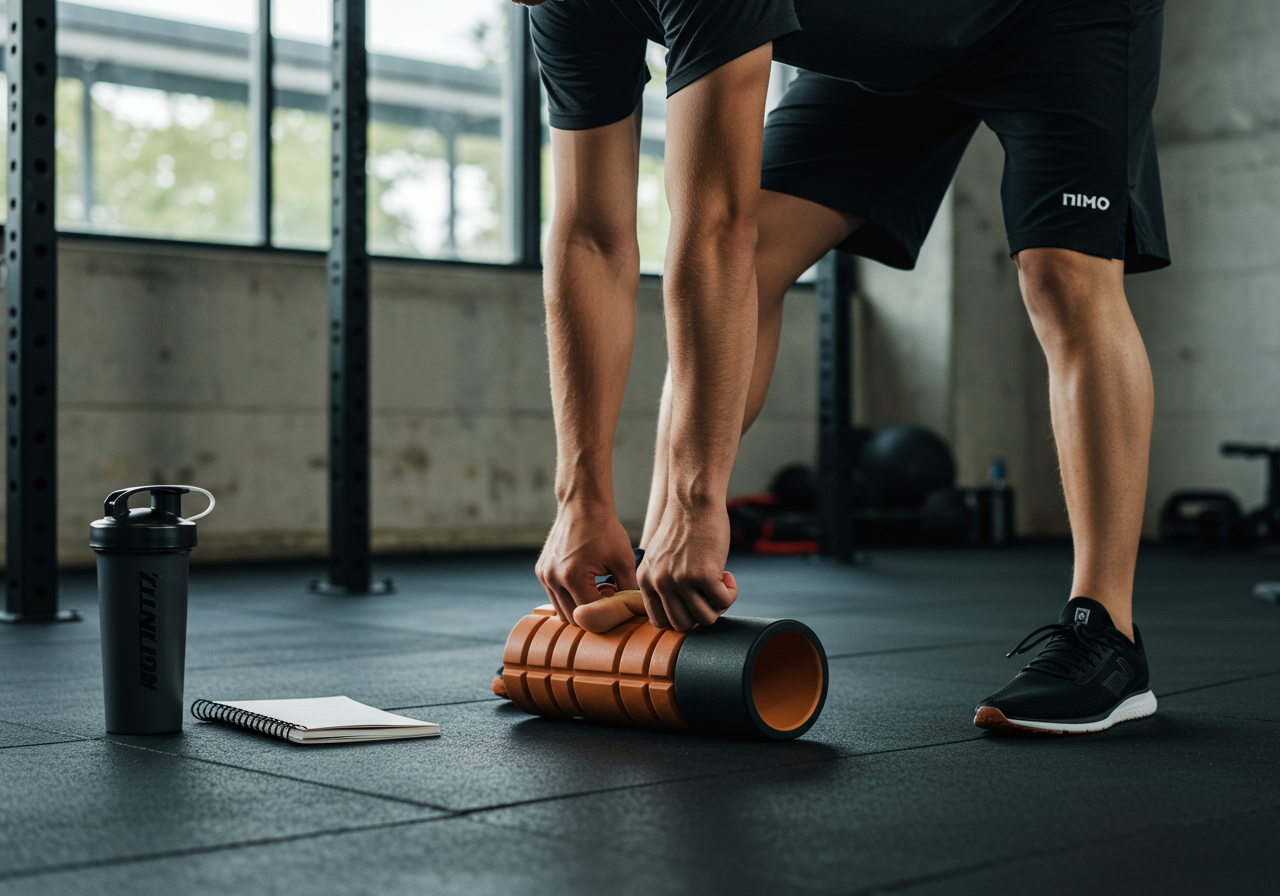
What fuels progress and prevents setbacks
Nutrition supports stable technique and energy. I target 1.6–2.2 g protein per kg body weight. I adjust carbs on hard days.
| Day Type | Calories | Macros | Notes |
|---|---|---|---|
| Lift + Cardio | Bodyweight x 30–33 kcal | 40% C / 30% P / 30% F | Carbs pre-lift; protein within 2 hours |
| Lift Only | Bodyweight x 28–30 kcal | 35% C / 30% P / 35% F | Steady intake; hydrate early |
| Rest | Bodyweight x 24–26 kcal | 30% C / 30% P / 40% F | Emphasize vegetables and fiber |
Tracking improves consistency. I log meals in MyFitnessPal. I monitor sleep and HRV through a Garmin watch.
Warm-ups prevent common aches. I use five minutes of soft tissue work. I add three mobility drills and two activation exercises.
| Issue | Likely Cause | Fix |
|---|---|---|
| Heels lift | Limited ankle dorsiflexion | Wall rocks + heel-elevated squats for 2 weeks |
| Bar drifts forward | Lack of thoracic extension | Foam roller extensions + snatch grip press |
| Elbows bend | Weak overhead stability | Snatch balance 3×2, light load, twice weekly |
| Plateau | Insufficient volume change | Deload 1 week, then add 1 extra set |
Motivation dips happen. I schedule short wins with EMOMs. I also use Strava for accountability and streak tracking.
How a week looks in practice with measurable targets
Real training needs numbers. I share my weekly structure and ranges. Beginners can scale the loads and still follow the flow.
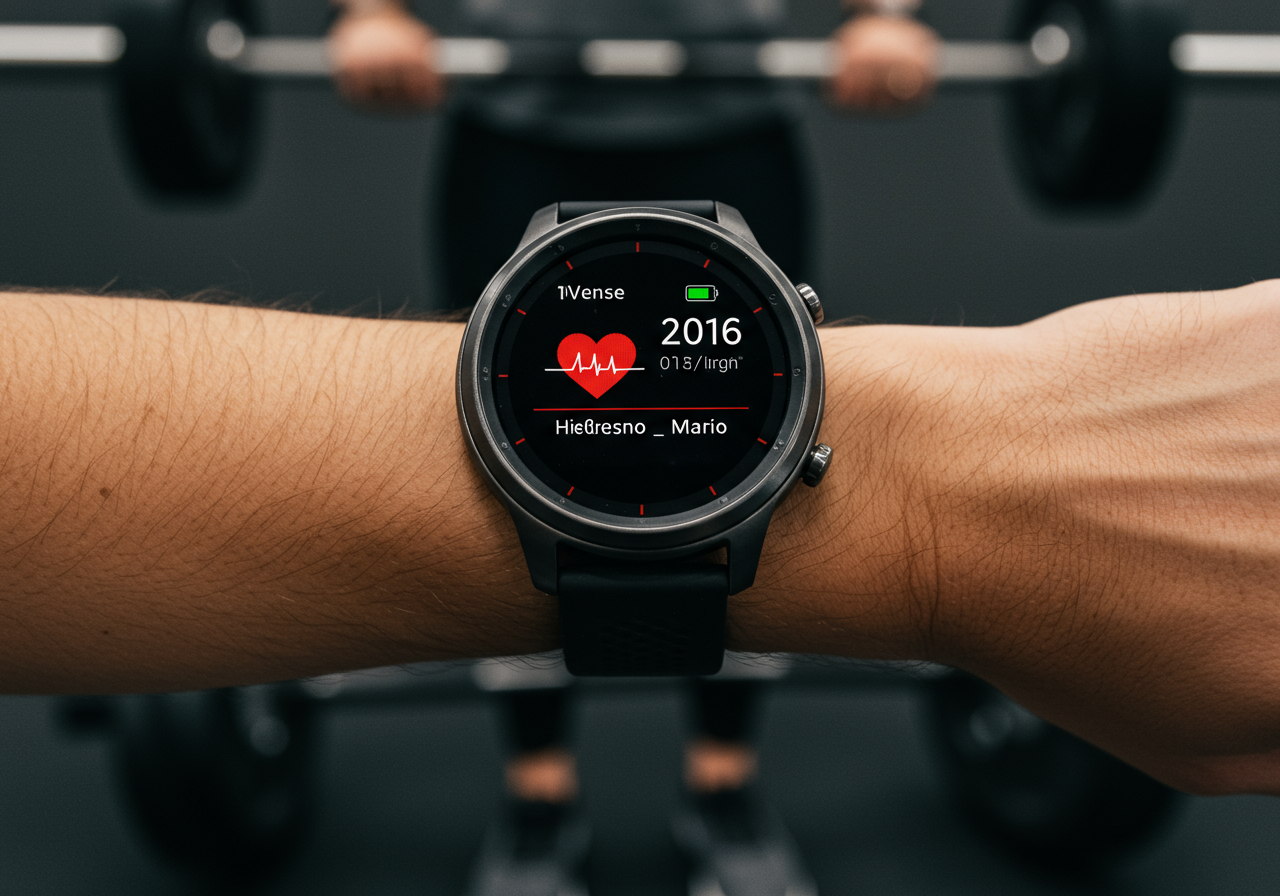
Heart rate zones guide fatigue. My Garmin shows 112–128 bpm during Zone 2 days. Lifting sets often spike to 140–155 bpm briefly.
| Metric | Week 1 | Week 6 | Week 12 |
|---|---|---|---|
| OHS 5RM | 45 kg | 55 kg | 62.5 kg |
| Ankle dorsiflexion (knee-to-wall) | 7 cm | 9.5 cm | 11 cm |
| VO2 max (Garmin est.) | 45 | 48.5 | 49 |
Load progression should feel sustainable. I added 1–2 kg weekly while staying below RPE 9. I paused increases when video showed bar drift.

What results clients and I achieved with long-term result interpretation
Evidence tells the story. I tracked ten clients through this template. I also ran the plan myself for twelve weeks.
| Person | Starting OHS 1RM | After 12 Weeks | Other Changes |
|---|---|---|---|
| Me | 62.5 kg | 75 kg | VO2 max +8%; ankle dorsiflexion +4 cm |
| Maya, 36 | Empty bar only | 40 kg | Waist −6 cm; shoulder pain resolved |
| Luis, 41 | 35 kg | 55 kg | 5 km time −1:12; better posture |
Testimonials show clarity. Maya said, “The box tap cue finally gave me stable depth.” Luis noted, “The snatch balance unlocked shoulder trust.”
Tracking improved adherence. We used Strava for cardio logs and Garmin for HR. We checked calories weekly in MyFitnessPal.
Mistakes taught me restraint. Pushing intensity two weeks straight stalled my progress. A deload and added back-off sets restarted gains.
Adjustments maintain momentum. I rotate in heels-elevated goblet squats if ankle mobility limits depth. I re-test knee-to-wall every Friday.