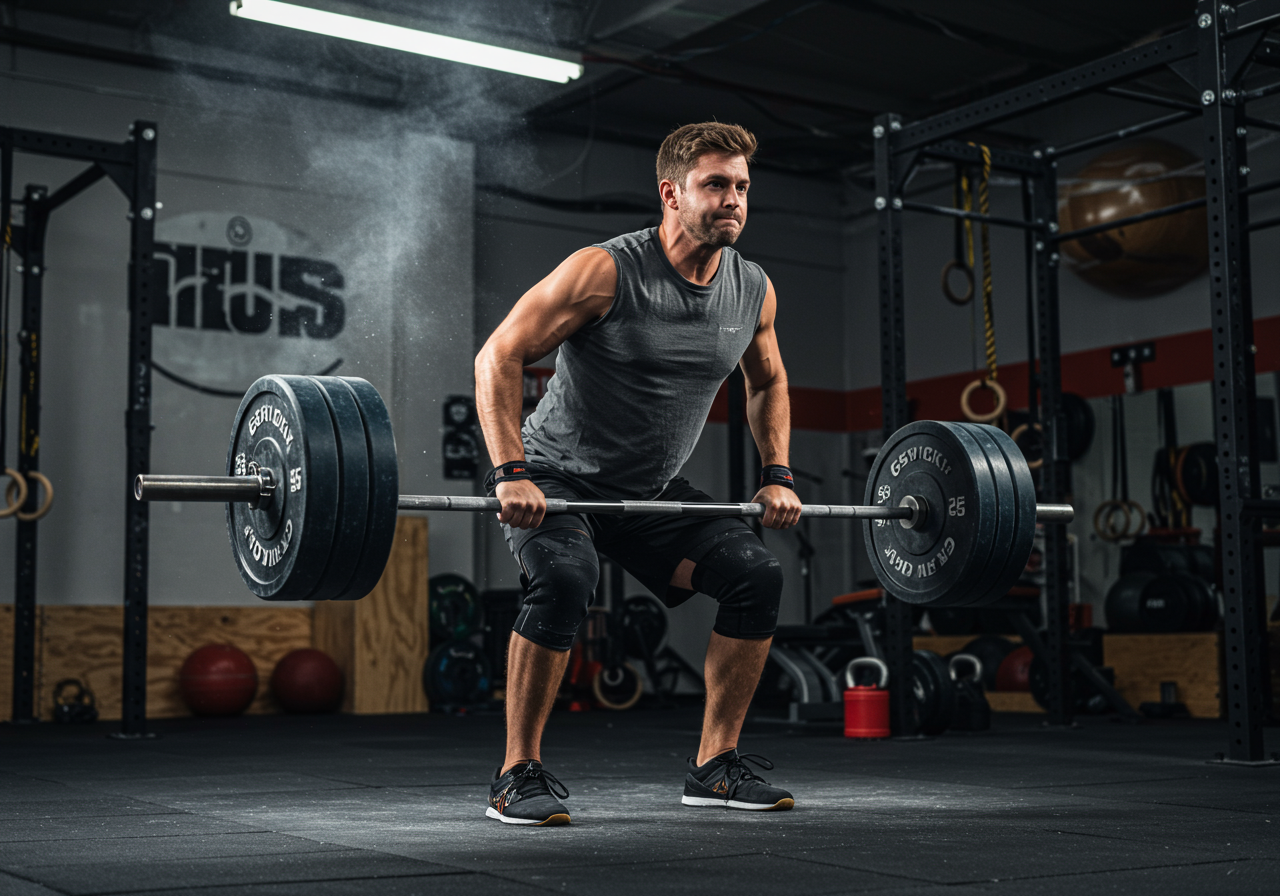
Push Press: Strengthen Shoulders and Core Together
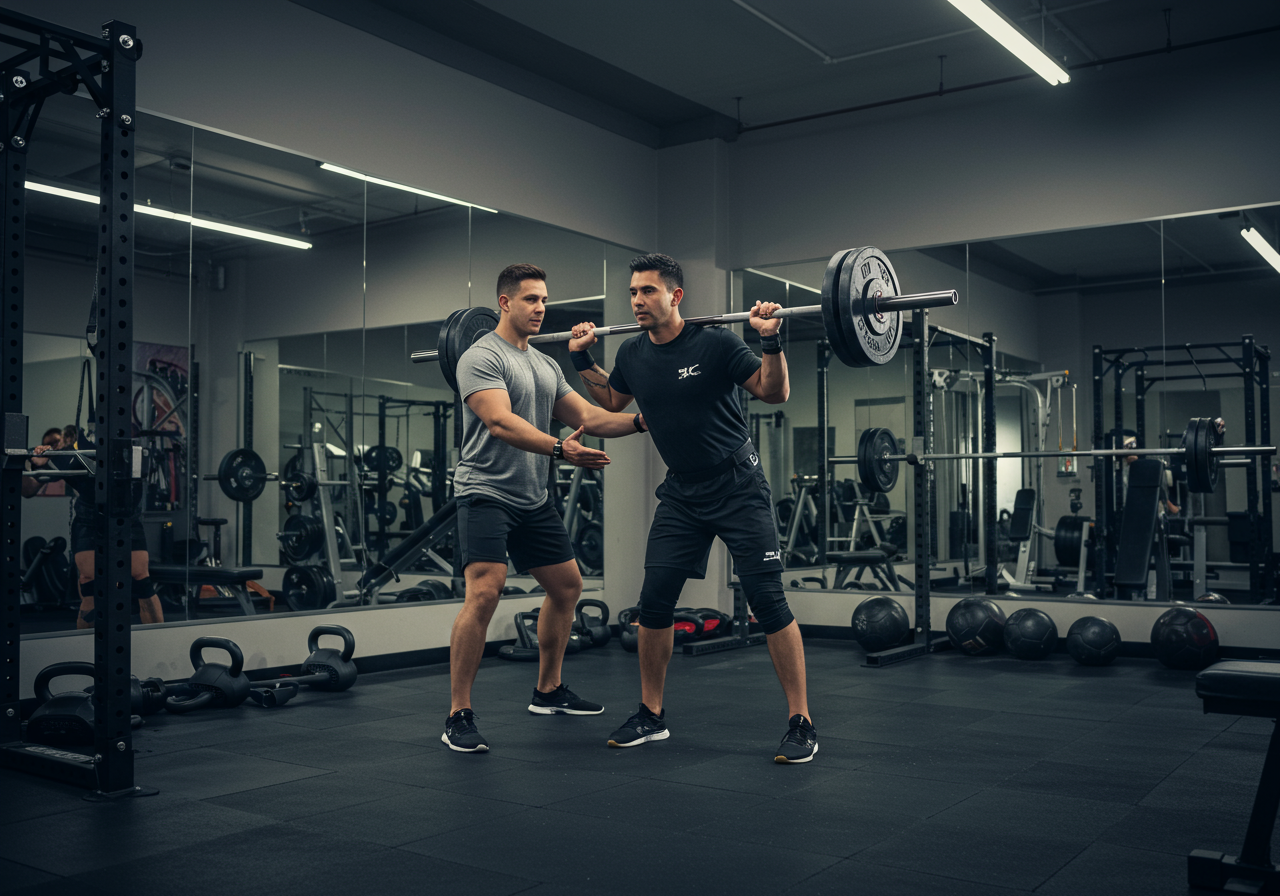
Push Press Blueprint: Shoulders and Core Working As One
The push press builds powerful shoulders and a stable core. I treat it as a system, not an isolated lift.
The movement uses legs to start the bar, then shoulders and triceps finish. Your torso stays tall throughout.
Strong bracing keeps force directed into the bar, not your lower back. I cue ribs down and glutes on.
Proper setup improves safety and power. Stand hip-width, hands just outside shoulders, and wrists stacked over elbows.
The bar should rest on your delts with elbows slightly forward. Keep feet flat and pressure mid-foot.
| Warm-up Block | Sets x Reps | Rest |
|---|---|---|
| Banded shoulder opens + T-spine rotations | 2 x 10 each | 30 sec |
| Empty bar push press technique | 3 x 5 | 60 sec |
| Plank with breath holds | 2 x 20 sec | 30 sec |
Technique cues prevent common faults. I coach dip straight, heels down, and press as the bar floats.
Error control matters for safety. Avoid forward dip, soft core, and pressing too early.
Use a hook grip if the bar slips. Keep gaze forward and neck neutral during the press.
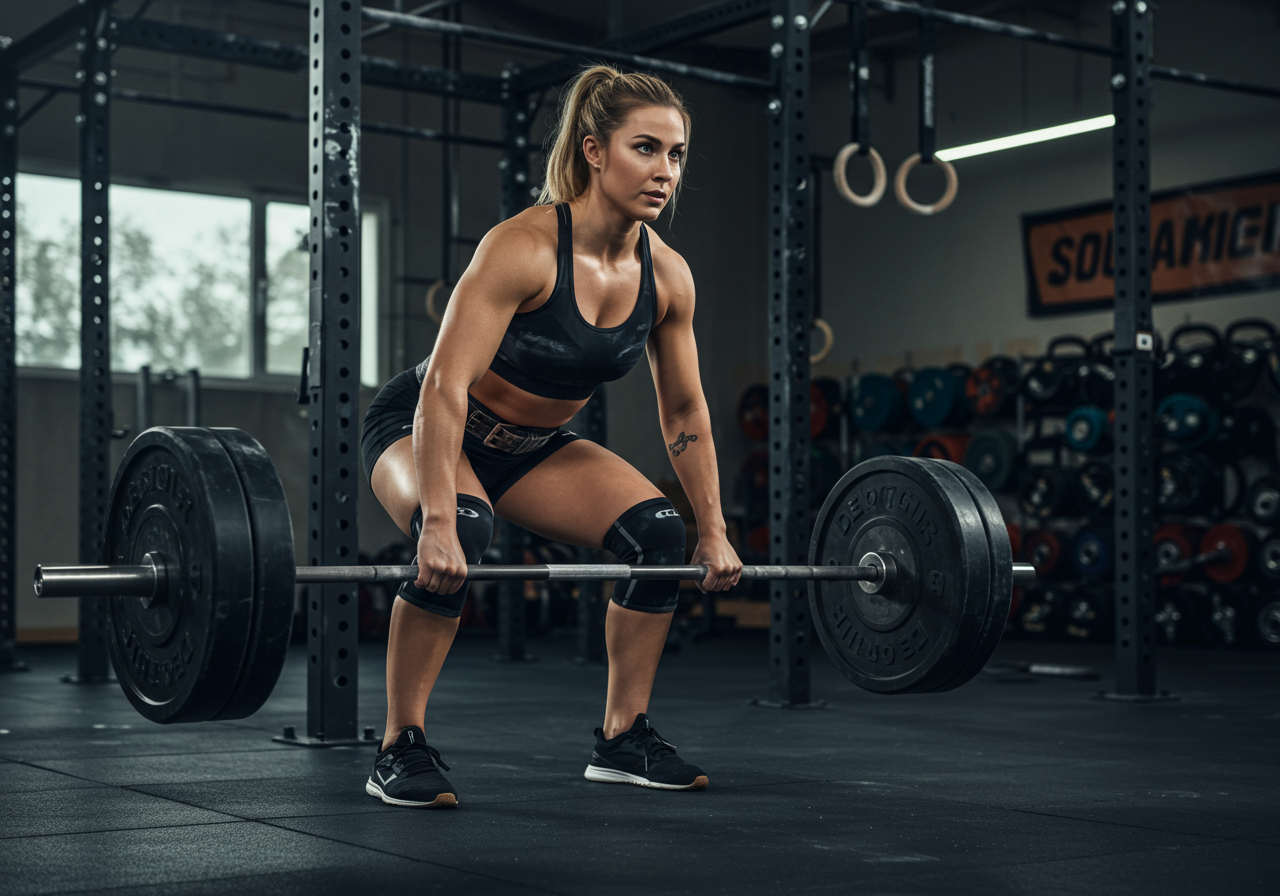
Load Progression: From First Reps to Serious Power
Smart progression drives performance without stalling. I scale volume and intensity based on readiness.
Beginners build coordination before chasing numbers. Intermediates use waves. Advanced lifters manage fatigue with undulation.
| Level | Main Sets | Intensity Guide | Rest |
|---|---|---|---|
| Beginner Weeks 1–4 | 4 x 5 | RPE 6–7 or 60–70% 1RM | 2 min |
| Intermediate Weeks 5–8 | 5 x 3 | RPE 7–8 or 70–80% 1RM | 2–3 min |
| Advanced Weeks 9–12 | 6 x 2 | RPE 8–9 or 80–88% 1RM | 3 min |
Accessory work supports the lift. I pair vertical pulls and core to balance stress.
| Accessory | Sets x Reps | Notes |
|---|---|---|
| Pull-ups or Lat Pulldown | 4 x 6–8 | Counterbalances pressing volume |
| Front Squat | 3 x 5 | Builds leg drive and rack position |
| Hollow Body Hold | 3 x 20–30 sec | Improves bracing timing |
| Landmine Press | 3 x 8 | Teaches scapular upward rotation |
Undulating patterns prevent plateaus. I rotate volume days and power days across the week.
Tempo helps coordination. I use 1 second dip, explosive drive, and strong lockout with active shoulders.
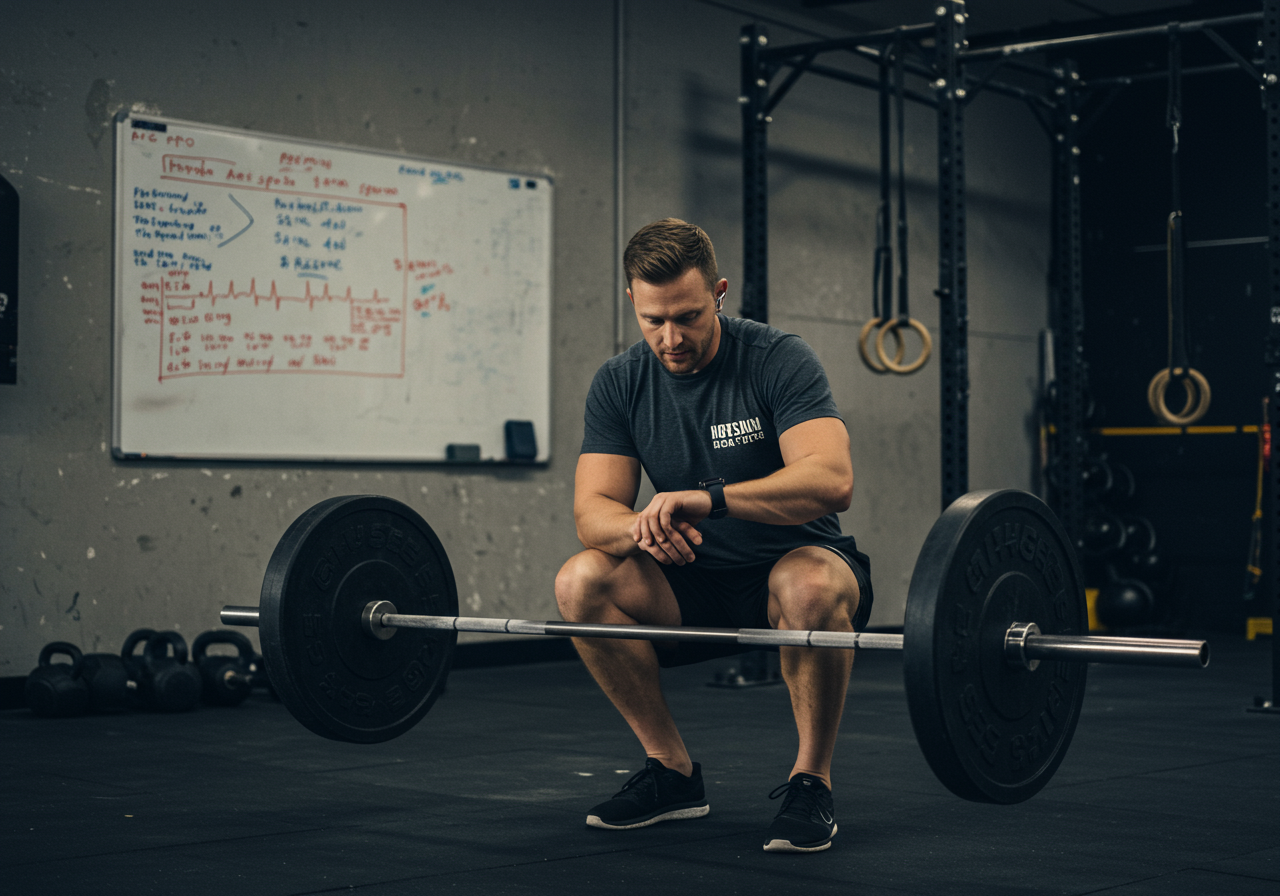
Real-World Rollout: Eight Weeks of Focused Work
I tracked every session with a Garmin watch. Heart rate zones guided conditioning finishers.
My week used two press days and one support day. I added low-impact cycling for recovery.
| Week | Top Set | RPE | Finisher | HR Zone |
|---|---|---|---|---|
| 1 | 4 x 5 @ 50 kg | 6.5 | Bike 8 x 30/60 | Zone 4 peaks |
| 4 | 5 x 3 @ 57.5 kg | 7.5 | Row 6 x 45/45 | Zone 4 |
| 8 | 6 x 2 @ 65 kg | 8.5 | Sled push 6 x 20 m | Zone 3–4 |
Session length stayed between 55 and 70 minutes. Warm-ups took 10 minutes to protect shoulders.
I logged nutrition in MyFitnessPal. Calories averaged 2,650 with 180 g protein daily.
Rep speed improved by week three. Bar path stayed vertical after I fixed my dip alignment.
Average heart rate during finishers hit 86% max. Zone control prevented unnecessary fatigue spillover.
Recovery, Mobility, and Fuel: Keep the Engine Healthy
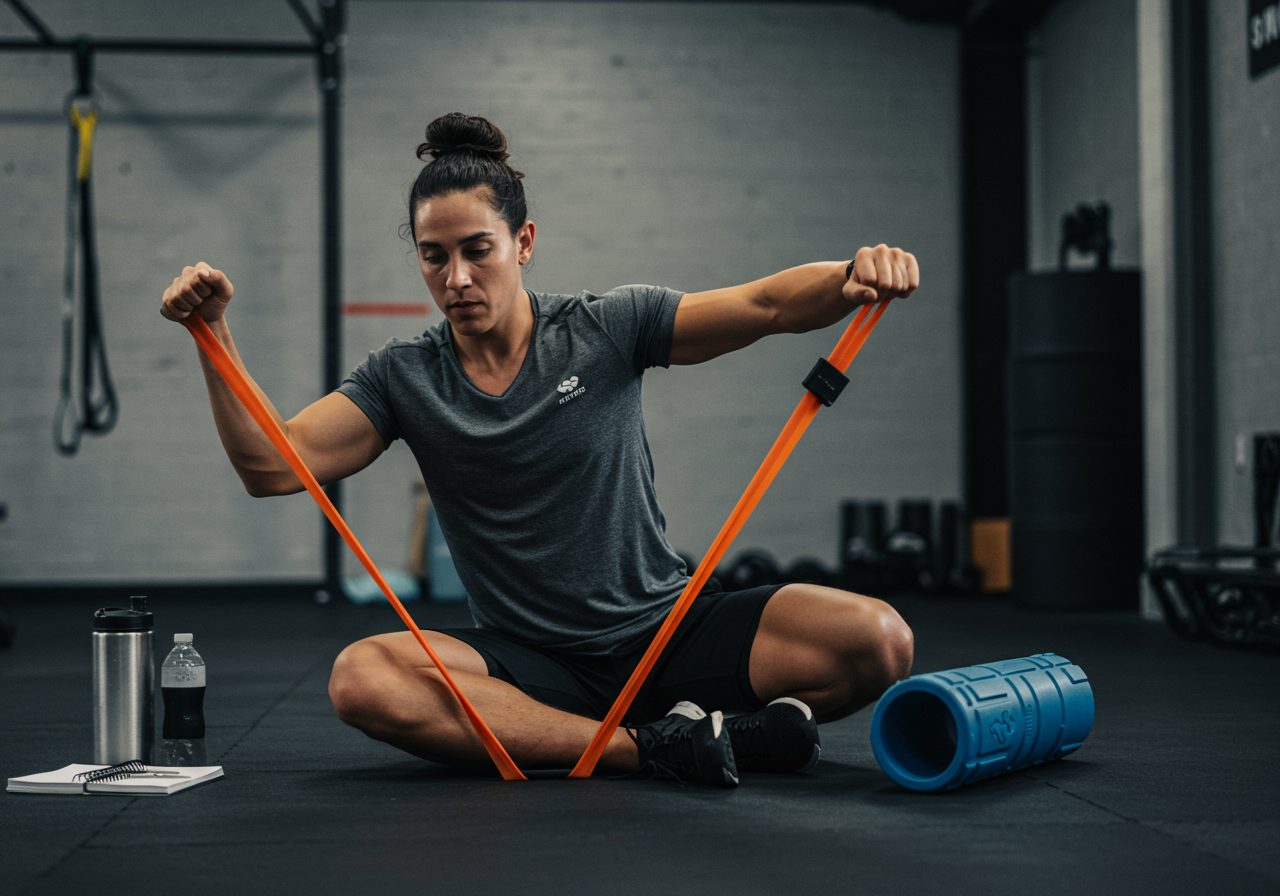
Recovery sets your ceiling. I program mobility to match the demands of overhead strength.
Shoulder comfort improves with better thoracic extension. I prioritize daily drills that take five focused minutes.
| Drill | Dose | Purpose |
|---|---|---|
| Foam roller T-spine extensions | 2 x 8 breaths | Improve thoracic extension |
| Band external rotations | 3 x 12 | Strengthen rotator cuff |
| Scapular wall slides | 2 x 10 | Train upward rotation |
| Ankle and hip CARs | 1 x 5 each | Support vertical dip mechanics |
Nutrition supports recovery and power. I target 1.6–2.2 g protein per kilogram body weight.
Carb timing helps high intensity days. I eat 1–1.5 g per kilogram before heavy sessions.
Sleep quality drives progress. I aim for 7.5–8.5 hours and track with Fitbit readiness.
Creatine monohydrate at 3–5 g daily supports power. Caffeine helps performance when used sparingly.
Deload weeks reduce fatigue. I cut volume by 40% while holding technique sharpness.
Warm-ups protect tissues. Skipping warm-up once caused a mild calf strain during a rushed dip.

Proof, Adjustments, and Long-Term Result Interpretation
Data confirms whether the plan works. I measure strength, speed, and body composition consistently.
| Metric | Start | Week 8 | Change |
|---|---|---|---|
| Push Press Estimated 1RM | 72.5 kg | 80.0 kg | +10.3% |
| Best Triple | 55 kg | 62.5 kg | +13.6% |
| VO2 max (Garmin) | 47 | 51 | ~8% increase |
| Waist Circumference | 84 cm | 81 cm | -3 cm |
Client outcomes support the process. Two beginners added 7.5–10 kg to their top doubles.
One client reported less shoulder ache after week two. The mobility block made that difference.
Plateaus require quick diagnostics. I check sleep, calorie intake, and bar speed before adding volume.
Overtraining signs include dropping bar speed and mood changes. I reduce intensity for four days when that appears.
Motivation dips respond to micro-goals. I set bar path targets and technique points rather than scale numbers.
Final performance tips maximize carryover. Keep dips crisp, brace early, and finish with active shoulders overhead.
Long-term improvements stick when you periodize, recover well, and measure progress for sustainable routine maintenance.