Shoulder Stretch: Expand Shoulder Range of Motion
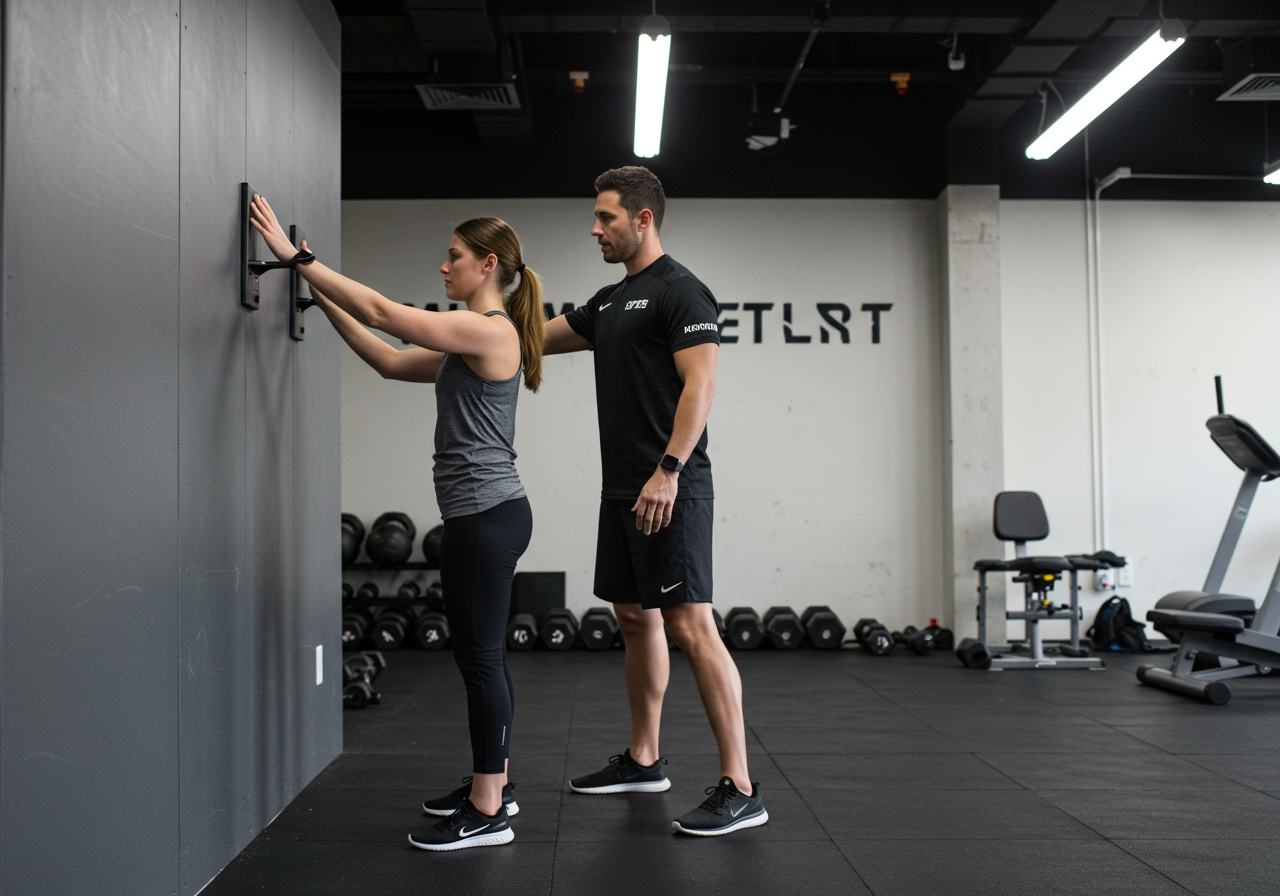
Build a practical system to expand shoulder range
Shoulder mobility improves faster with a clear structure. I tie mobility to strength, cardio, and recovery.
However, the shoulder needs more than stretching. It needs scapular control, thoracic motion, and cuff strength.
Key principles that drive progress:
- Balance motion and motor control. Mobilize first, then stabilize.
- Prioritize thoracic extension. The ribcage position unlocks overhead reach.
- Train scapular rhythm. Upward rotation stabilizes overhead positions.
- Load end ranges safely. Light resistance helps tissues adapt.
- Pair mobility with pressing and pulling days. Consistency beats intensity.
I use simple warm cardio to raise tissue temperature. I keep heart rate in Zone 2 before drills.
10-minute daily shoulder reset:
- 3 minutes arm ergometer at Zone 2 (60–70% max HR).
- Foam roller thoracic extensions, 8 reps.
- Wall slides with posterior pelvic tilt, 2 sets of 8.
- Doorway pec stretch, 2 holds of 30 seconds per side.
- Scapular controlled circles, 5 slow reps each direction.
| Session Block | Drill | Dose | Rest |
|---|---|---|---|
| Prep | Arm Ergo or Jump Rope | 3–5 min, Zone 2 | — |
| Mobility | T-Spine Foam Extensions | 2×8 slow reps | 30–45 sec |
| Control | Wall Slides + Lift-Off | 2×8 reps | 45 sec |
| Length | Doorway Pec Stretch | 2×30–45 sec | 30 sec |
| Integration | Scapular CARs | 5 each direction | — |
I pair this block before pressing or overhead days. I add light cuff work after.
For pressing days, I lower load slightly. I prioritize smooth end range control.
For pulling days, I open the chest more. I target lats and pec minor.
I track heart rate with a Garmin watch. I record sessions on Strava for accountability.
Additionally, I log nutrition with MyFitnessPal to support tissue recovery.
Why this improves the whole body:
- Better shoulder motion improves breathing mechanics.
- Thoracic extension reduces neck tension during desk work.
- Stronger end ranges protect joints in sport and lifting.
A client, Nina, 39, said, “My neck tension dropped in two weeks.” She kept the 10-minute reset.
I saw faster bench press setup comfort. My scapula sat better on the bench.
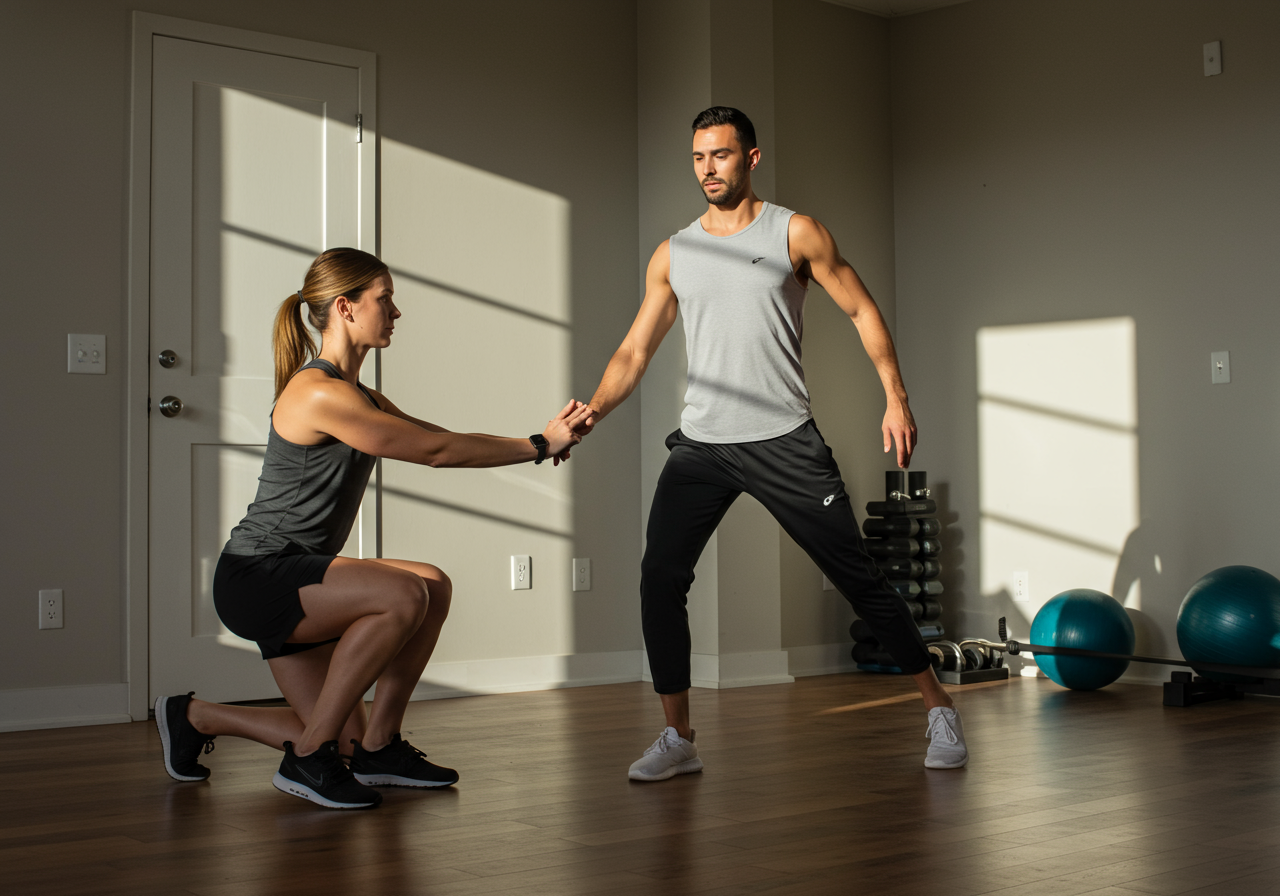
Follow clear steps to execute each drill correctly
Good technique matters for safe mobility. I keep cues short and memorable.
Breathing makes every rep work harder: Inhale into ribs. Exhale long. Keep ribs down when arms rise.
| Exercise | How To | Dose | Key Cues |
|---|---|---|---|
| Thoracic Foam Extensions | Lie on roller at mid-back. Support head. Extend over roller. | 2–3×8 reps | Exhale to drop ribs. Do not flare. |
| Wall Slides with Lift-Off | Forearms on wall. Slide up. Lift hands off gently. | 2×8 reps | Keep chin tucked. Reach long at top. |
| Doorway Pec Stretch | Elbow at 90°. Step through. Hold mild stretch. | 2×30–45 sec | Shoulder down. Breathe slowly. |
| Sleeper Stretch | Lie on side. Elbow 90°. Gently rotate forearm down. | 2×20–30 sec | Stop before joint pain. Aim for muscle feel. |
| Scapular CARs | Arm straight. Trace biggest pain-free circle. | 5 each way | Slow. Own every millimeter. |
| Banded Lat Stretch | Hold band overhead. Hinge hips. Reach long. | 2×30 sec | Keep ribs stacked. Breathe into lats. |
I coach a gentle end-range contraction for control. I hold five seconds before returning.
Additionally, I add light cuff work after stretches. I prefer side-lying external rotations.
End-range control superset: Wall Slide 8 + Side-Lying External Rotation 10. Repeat for three rounds.
Warning: Numbness, pins and needles, or sharp pain means stop. Adjust angle and reduce range.
I time breaths. I use four seconds in, six seconds out. I keep tempo steady.
Clients report calmer shoulders with this breath pacing. The ribcage stays stable.
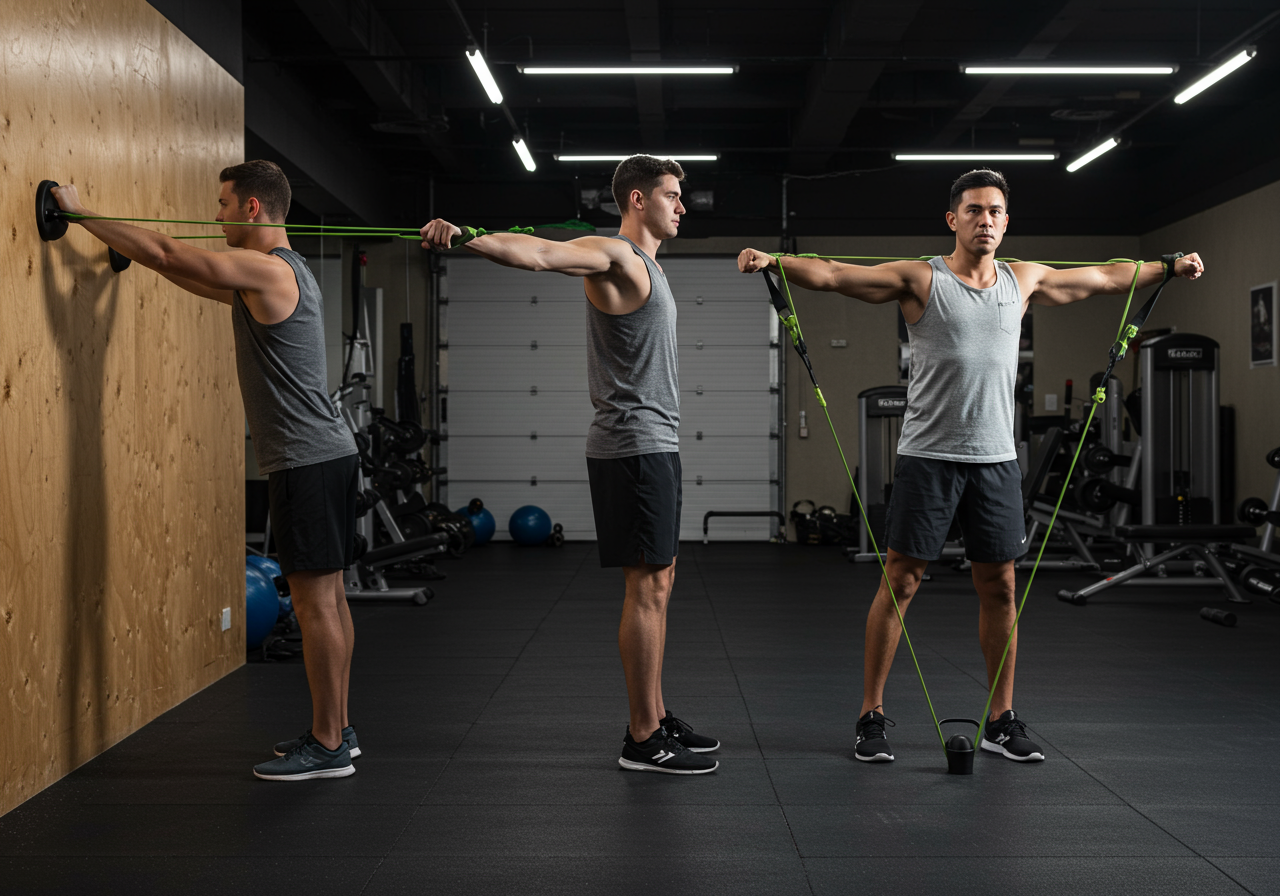
Advance methodically with clear phases and weekly structure
Progress sticks when phases build logically. I update load and frequency slowly.
| Phase | Duration | Focus | Weekly Plan |
|---|---|---|---|
| Starter | 2–3 weeks | Tissue tolerance and breath | Daily 10-minute reset + 2 strength days |
| Builder | 3–5 weeks | End-range control | Reset 5x/week + cuff work 3x/week |
| Athletic | Ongoing | Load plus speed | Reset 3x/week + overhead lifts 2x/week |
I warm up with Zone 2 cardio each session. I prefer five minutes on an arm bike.
Beginner plan uses bodyweight only. Intermediate adds light bands. Advanced adds tempo and holds.
Load progression example:
- Week 1–2: Side-lying external rotation, 2kg, 2×12.
- Week 3–4: 3kg, 3×10 with 3-second eccentric.
- Week 5–6: 4kg, 3×8 with 5-second holds at end range.
Weekly template I use:
- Mon: Reset + Push day. Finish with pec stretch.
- Wed: Reset + Pull day. Add lat stretch.
- Fri: Reset + Overhead technique. Light kettlebell presses.
- Sat: Outdoor Zone 2 ride. Add scapular circles post-ride.
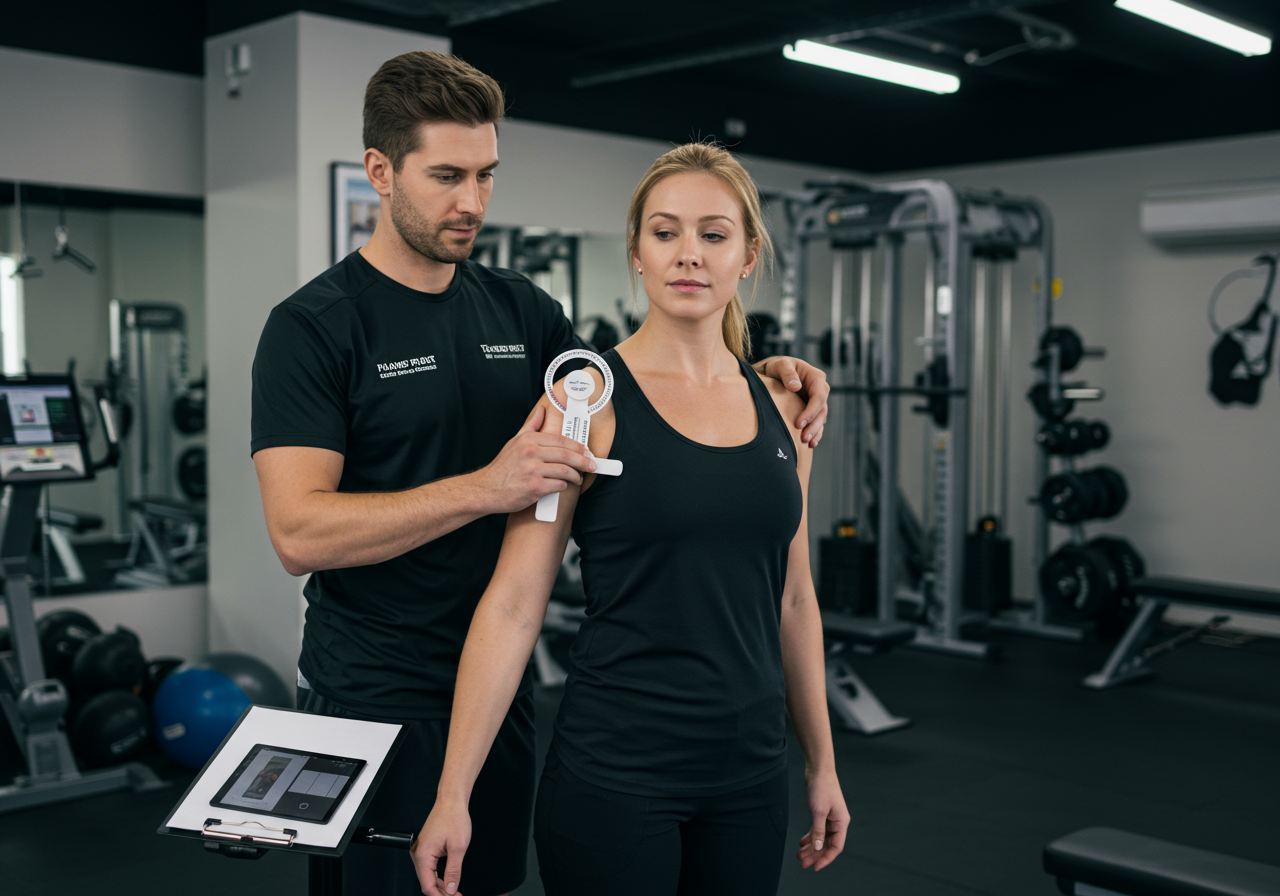
For clients, I measure angles every two weeks. I use a simple goniometer app.
Additionally, I cue fewer reps on sore days. I keep breath work constant.
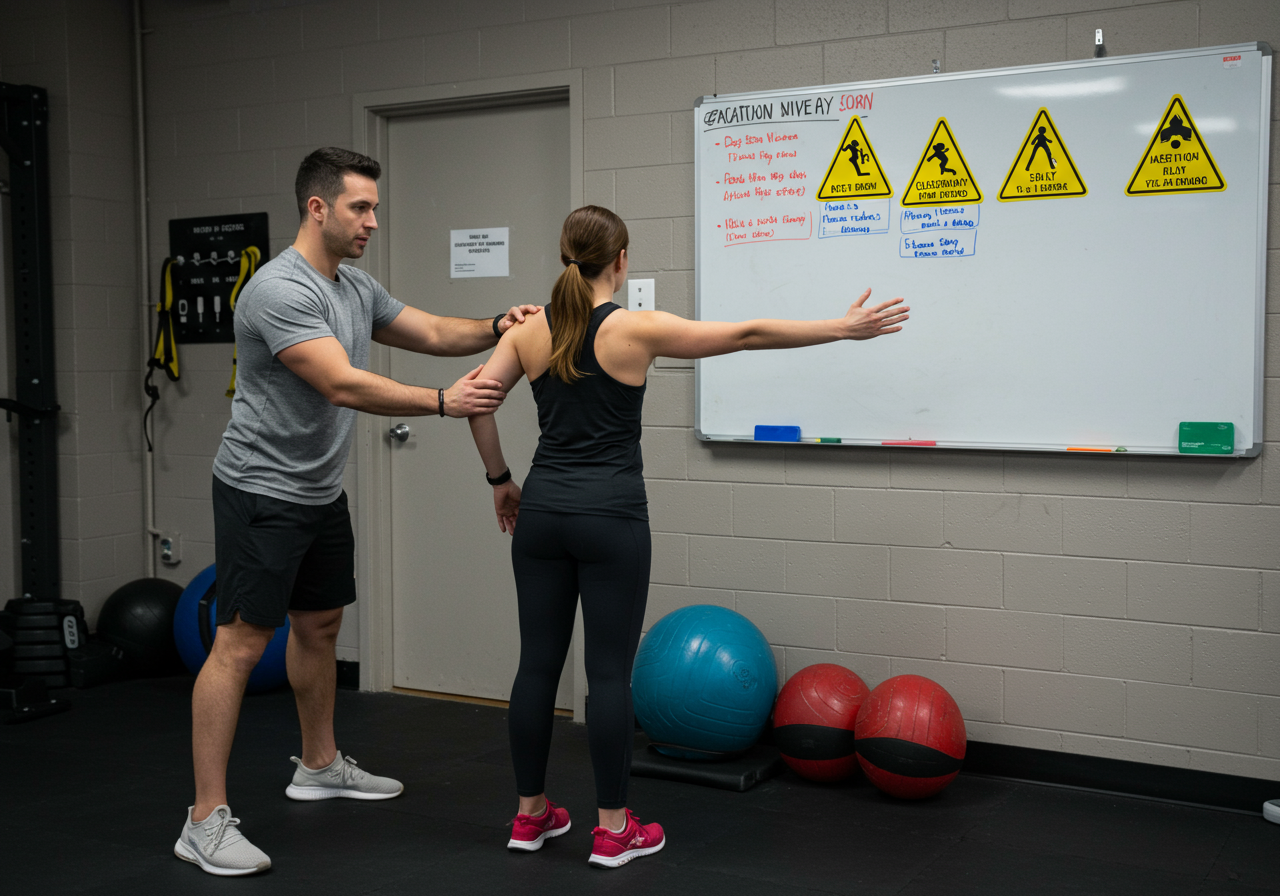
Stay safe, recover well, and solve common roadblocks
Injuries often come from rushing range. I coach patience and low pain levels.
Stop and reassess if you notice:
- Sharp or joint-centered pain during rotation.
- Numbness or tingling down the arm.
- Night pain that disturbs sleep.
Plateaus respond to smart methods. I rotate techniques to keep adaptation moving.
- Use contract-relax holds for stubborn lats. Hold five seconds, relax, go deeper.
- Add eccentric focus for cuff drills. Lower in five seconds.
- Change angles for pec stretch. Alternate high and low positions.
Motivation dips without quick wins. I stack the reset to morning coffee.
Recovery that supports tissue change:
- Protein at 1.6–2.2 g/kg bodyweight daily.
- Hydration at 30–35 ml/kg per day.
- Sleep for 7–9 hours nightly.
I often add collagen, 10 grams, with vitamin C, 50–100 mg, pre-session. Clients feel better adherence.
Nutritional note: Supplements support habits, not replace them. Consult your clinician if unsure.
I track heart rate and readiness with a Garmin device. I aim for Zone 2 warm-ups.
I log food in MyFitnessPal to hit protein targets. I keep entries simple.
I share sessions with friends on Strava for accountability. Short notes keep me honest.
Lessons learned shaped this plan. Skipping warm-ups once gave me a cranky biceps tendon.
However, consistent breath work prevented that issue from returning. I now protect that habit.
For pain that persists beyond two weeks, I advise a clinician visit. Safety always leads.
Garmin tracks zones well. MyFitnessPal simplifies protein. Strava adds community.
Verify improvements with simple metrics and long-term result interpretation
Tracking proves the work matters. I use clear tests and repeat them consistently.
| Measure | Start | 6 Weeks | Notes |
|---|---|---|---|
| External Rotation Angle | 60° | 85° | Measured with goniometer app. |
| Overhead Wall Test Gap | 3 cm | 0 cm | Thumbs touch without rib flare. |
| Behind-Back Reach Distance | L5 | T12 | Apley scratch improvement. |
| Pressing Comfort Rating | 5/10 | 8/10 | Reported after bench sessions. |
My results reflect similar changes. My external rotation rose from 70° to 90° in six weeks.
Additionally, my Garmin VO2 max rose by about 8%. Better ribcage motion helped my easy runs.
Nina improved wall slides from shaky to smooth. Her desk pain dropped markedly.
Marco, a CrossFit athlete, gained overhead stability. He added strict press volume without irritation.
Simple photo protocol: Take front, side, and overhead photos weekly. Keep background identical.
How I validate sessions:
- Rate shoulder feel before and after drills.
- Check one test movement post-session.
- Record notes in training apps immediately.
I also watch recovery signals. I prefer good sleep and steady morning energy.
However, if fatigue lingers, I trim volume by 20% for one week.
This approach keeps gains predictable. Small changes stack into big improvements.