Side Crunches: Target Oblique Fat Removal
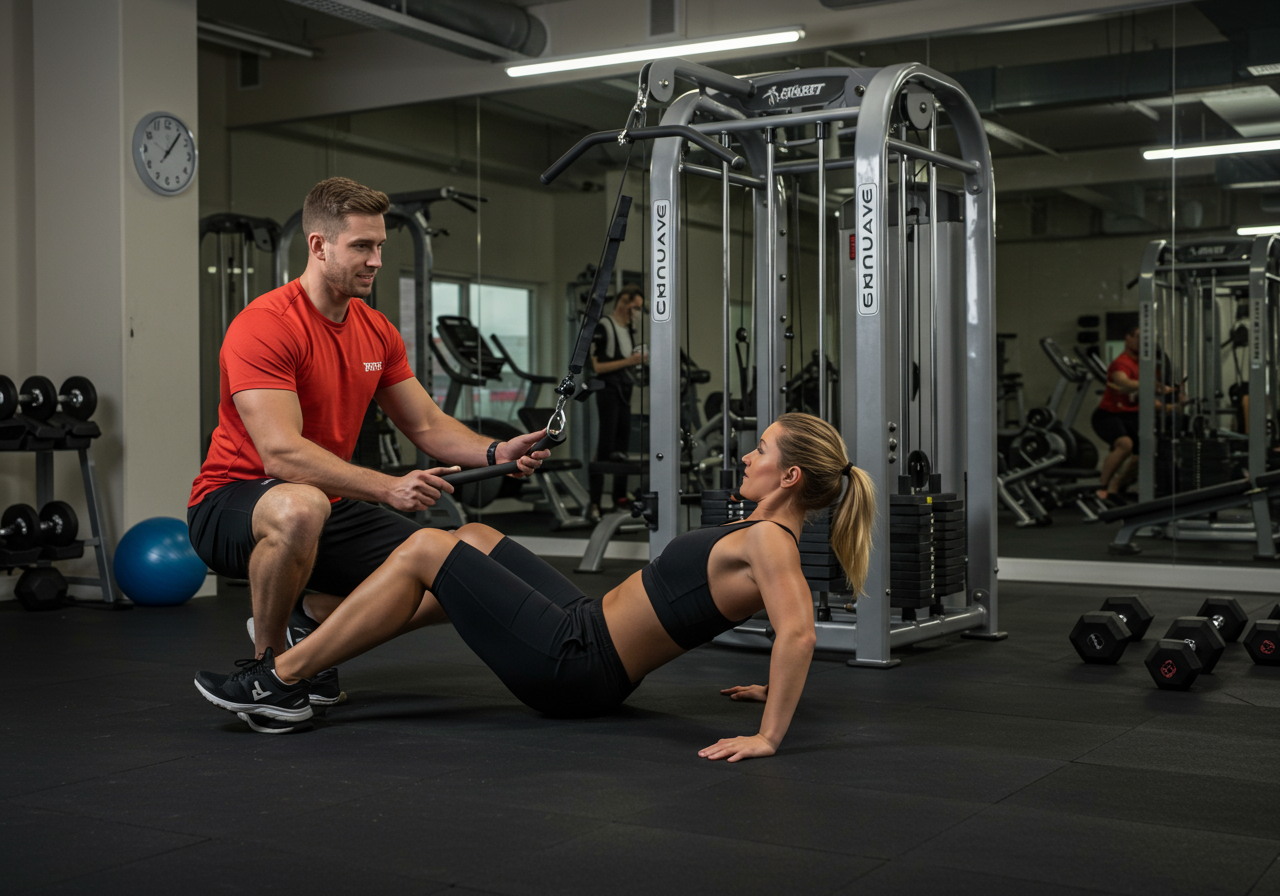
Oblique Blueprint: A Complete Core System That Actually Reduces Waistline
This program builds strong obliques while driving total fat loss. I designed it for beginners first. It scales to athletes easily.
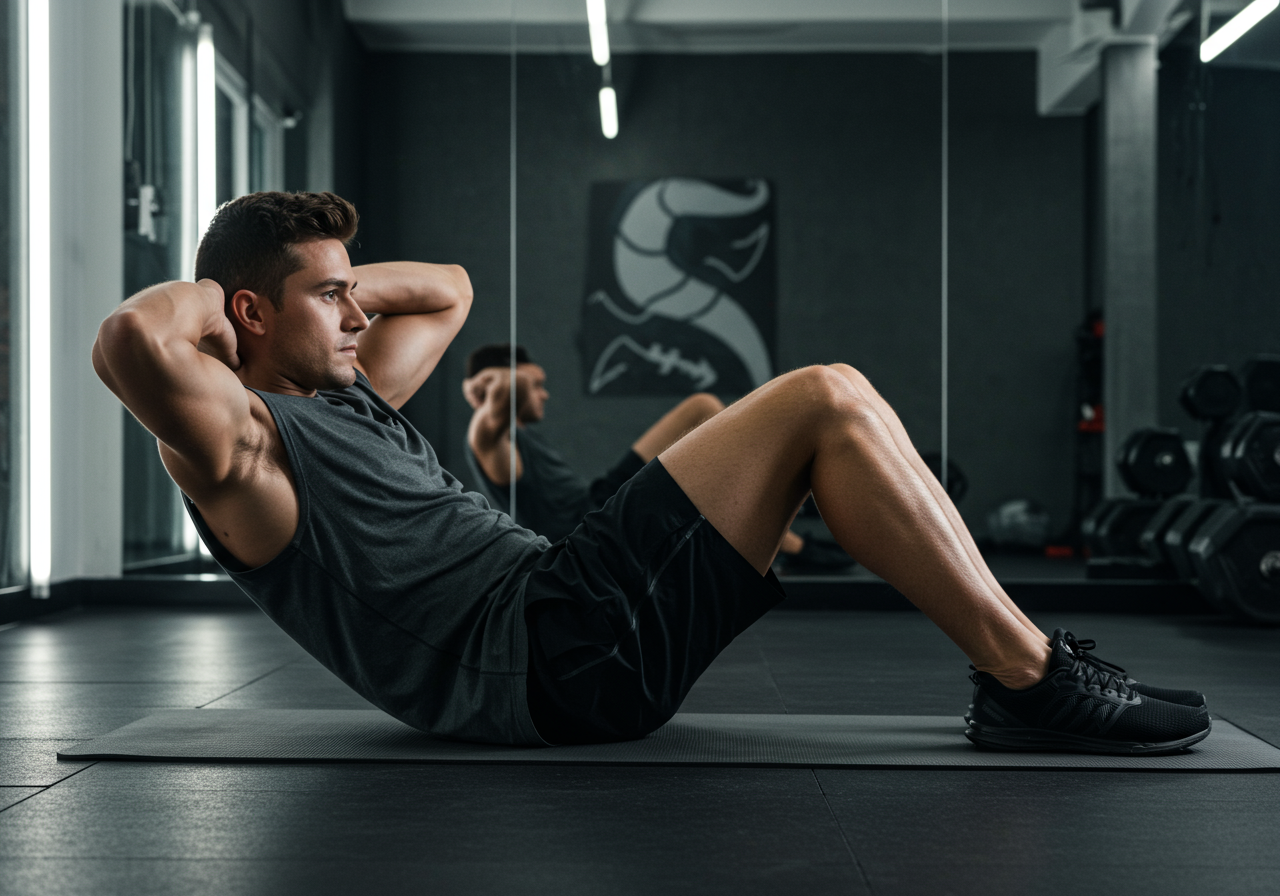
Side crunches train the internal and external obliques. They flex and rotate your trunk. They also stabilize your spine during movement.
I combine three pillars for visible waist change. I use resistance sessions, supportive cardio, and a precise nutrition plan.
1) Warm-up: 90 seconds marching, 30 seconds hip circles.
2) Side crunches: 3 sets x 12/side, 45 seconds rest.
3) Side plank hold: 2 sets x 20 seconds/side.
4) Dead bug breathing: 2 sets x 6 slow reps.
Keep ribs down. Exhale fully on each crunch.
| Day | Main Lift | Core Focus | Cardio |
|---|---|---|---|
| Mon | Goblet Squat 4×8 | Side Crunch 3×12/side | Zone 2, 30 min |
| Wed | Romanian Deadlift 4×8 | Side Plank Crunch 3×10/side | HIIT 10x40s/80s |
| Fri | Dumbbell Bench 4×8 | Cable Side Crunch 3×10/side | Walk 45 min |
I pair oblique work with full-body lifts. This boosts calorie burn and posture.
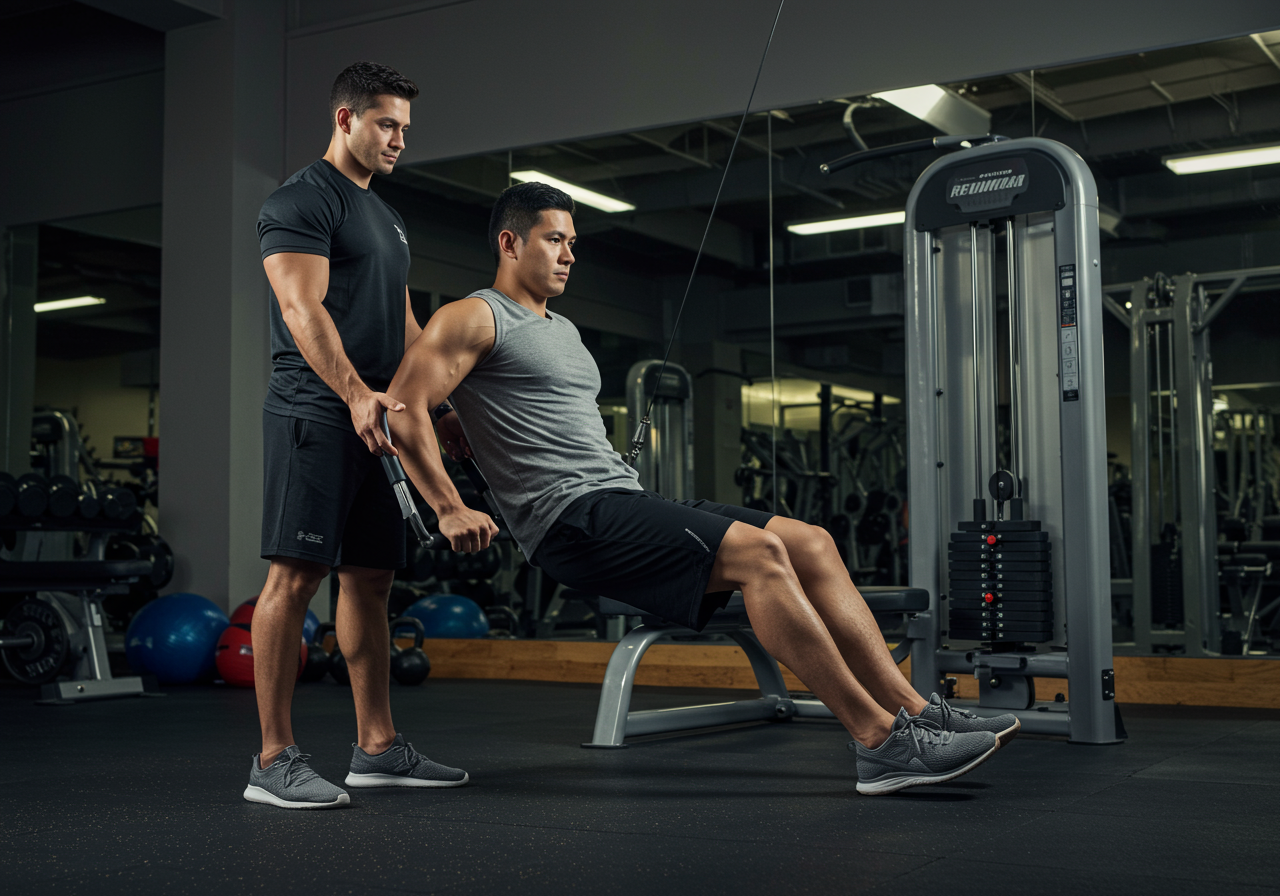
Progression Playbook: From First Rep To Advanced Oblique Power
Progress drives results. I scale volume, tempo, and load each week. I also track form quality.
| Level | Exercise | Sets x Reps | Tempo | Rest |
|---|---|---|---|---|
| Beginner | Floor Side Crunch | 3×10–15/side | 2-1-1 | 45–60s |
| Beginner | Side Plank Hold | 2×20–30s | Hold | 45–60s |
| Intermediate | Side Plank Crunch | 3×10–12/side | 3-1-1 | 60s |
| Intermediate | Stability Ball Side Crunch | 3×12–15/side | 3-1-1 | 60s |
| Advanced | Cable Kneeling Side Crunch | 4×8–12/side | 3-1-1 | 75–90s |
| Advanced | Hanging Oblique Knee Raise | 3×8–10/side | 2-1-1 | 90s |
Use RPE to manage effort. Stop two reps before form breaks.
Week 1: Floor side crunch 3×12/side, RPE 7.
Week 2: 3×15/side, add 1s pause at top.
Week 3: Cable side crunch 3×10/side, 15 kg.
Week 4: Cable side crunch 4×10/side, 20 kg.
I logged my last 8-week mesocycle carefully. I moved from 3×15 bodyweight to 4×10 cable at 30 kg. I slowed the eccentric to three seconds. Core stability improved notably.
Client Maya started with floor side crunches. She progressed to stability ball versions in week three. She then hit cable 17.5 kg by week six without back discomfort.
Conditioning, Mobility, and Fat-Loss Support For Visible Obliques
Cardio accelerates fat loss that reveals obliques. I blend steady work and intervals.
| Session | Details | HR Zone | Duration |
|---|---|---|---|
| Zone 2 Walk/Cycle | Easy breathing pace | 60–70% HRmax | 30–45 min |
| HIIT | 10x40s hard, 80s easy | 85–92% HRmax | 20–25 min |
| Recovery Walk | Relaxed pace | 50–60% HRmax | 30–40 min |
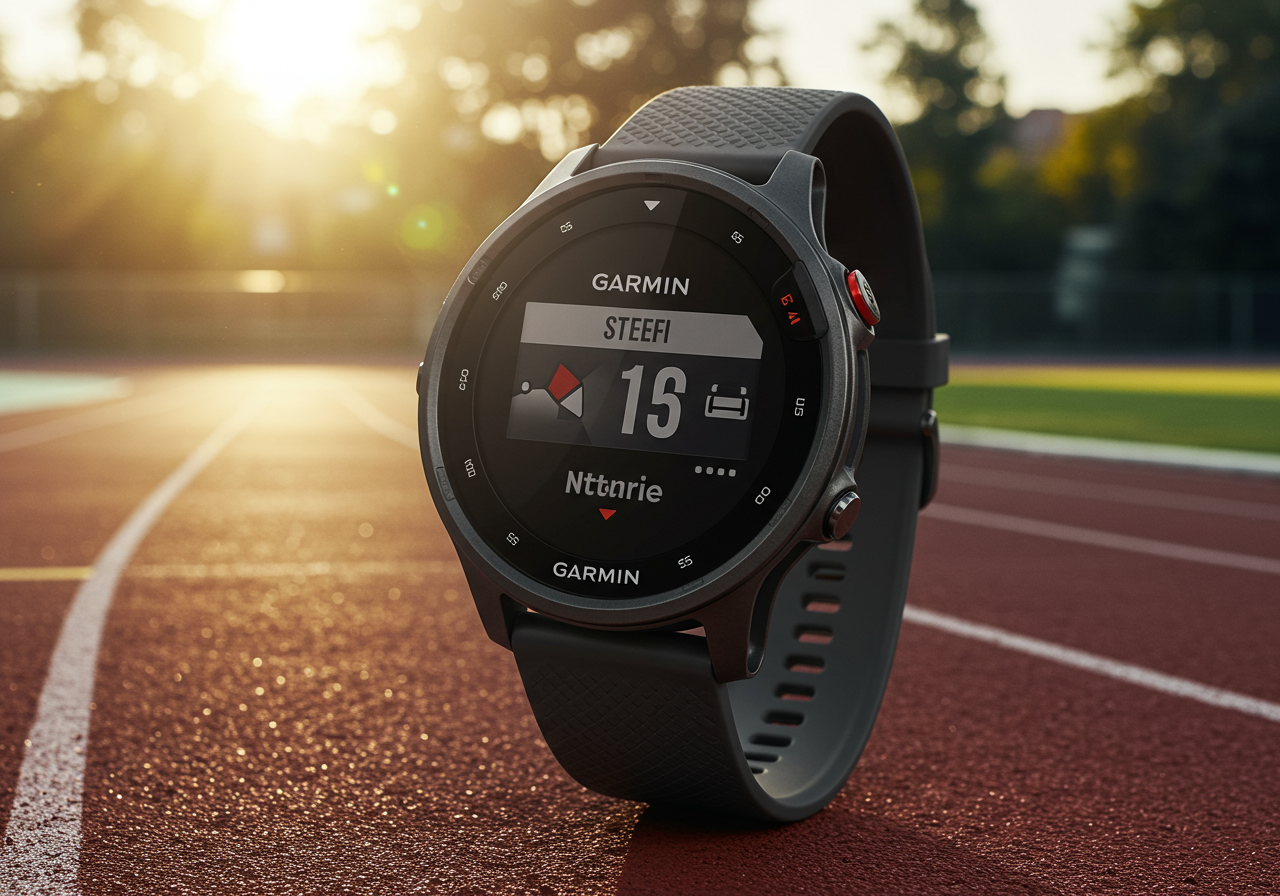
I used a Garmin watch to confirm zones. I averaged 138 bpm on HIIT intervals.
Mobility keeps your spine happy. I run this warm-up before every core session.
1) Cat-camel: 1 minute.
2) Open book thoracic rotations: 1 minute/side.
3) 90/90 hip switches: 1 minute.
4) Dead bug breathing: 2 minutes.
I add Pallof presses or carries for balance. These moves protect the lower back.
Implementation, Tracking, and Nutrition For Consistent Waist Reduction
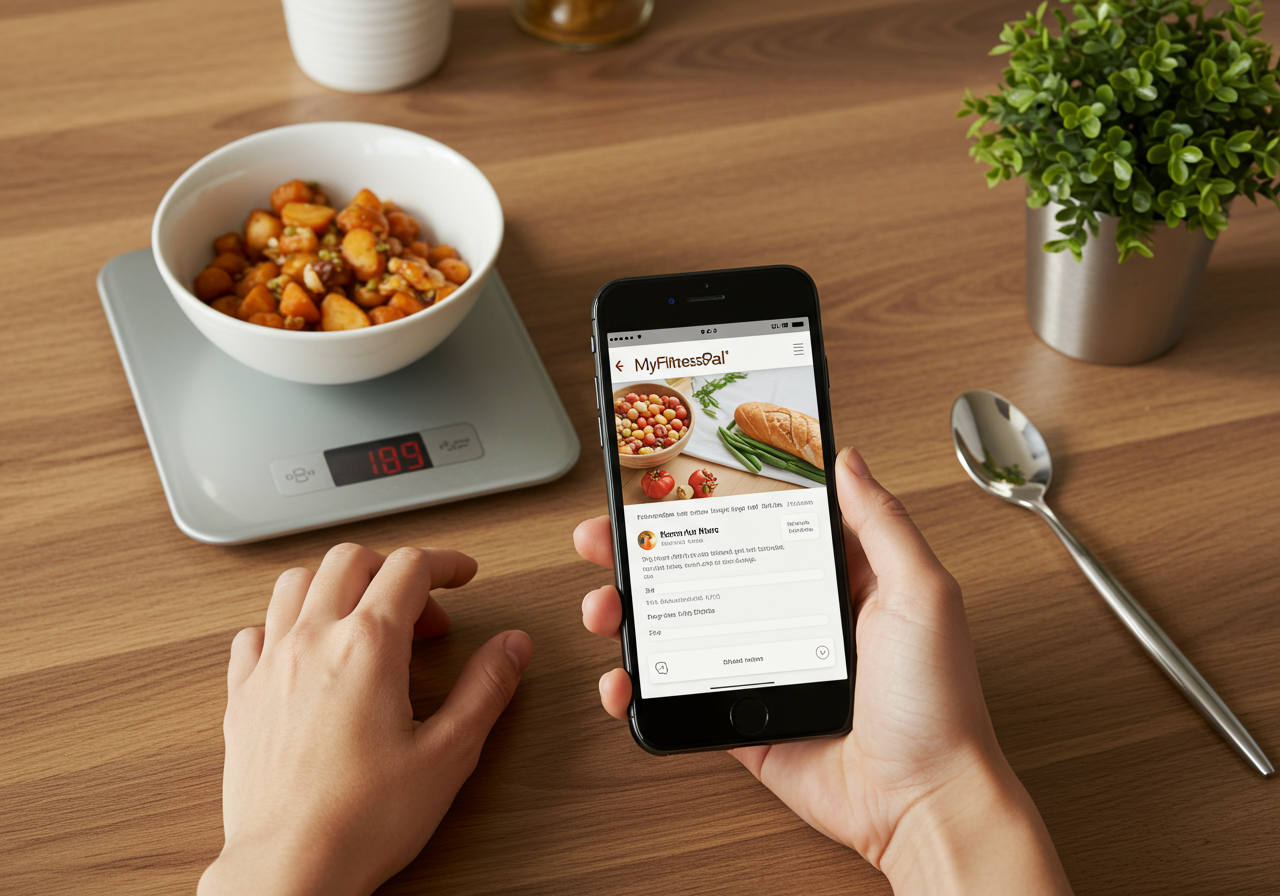
Simple systems sustain progress. I track food, training, sleep, and waist lines weekly.
| Metric | Target | Notes |
|---|---|---|
| Calories | -300 to -500/day | Adjust if energy crashes |
| Protein | 1.6–2.2 g/kg | Supports muscle retention |
| Sleep | 7–9 hours | Consistent bed and wake times |
| Steps | 8k–10k/day | Supports deficit without stress |
My typical cutting day looks simple. I eat high protein and plenty of produce.
Breakfast: Greek yogurt, berries, whey scoop.
Lunch: Chicken, rice, mixed vegetables, olive oil.
Snack: Apple, 20 almonds.
Dinner: Salmon, potatoes, big salad.
Hydration: 2.5–3 liters water.
I use creatine 3–5 g daily. I take it with any meal. I avoid fat burners and quick fixes.
Troubleshooting plateaus works quickly. I add 1,000–1,500 weekly steps and reduce snacks by 100 calories. I also deload core volume for one week if soreness lingers.
Proof, Testimonials, and long-term result interpretation
Results confirm the system. I track numbers and experiences, not guesses.
| Person | Time | Waist Change | Performance Change |
|---|---|---|---|
| Me | 8 weeks | -3.1 cm | Cable side crunch 20 kg → 30 kg |
| Maya | 6 weeks | -2.6 cm | Side plank 30s → 80s |
| Raj | 10 weeks | -5.4 cm | Hanging oblique raises 0 → 3×8 |
Cardio comparisons showed interesting differences. HIIT twice weekly reduced waist faster than extra steady walking. However, Zone 2 improved energy and sleep.
My Garmin data showed VO2 max rose by about 8% in six weeks. Strava logged consistent pace gains during interval blocks.
1) Take waist and photo weekly.
2) Track side crunch load or reps weekly.
3) Record sleep hours and soreness.
4) Adjust calories only after two consistent weeks.
This approach stays sustainable. You train strength, support recovery, and manage nutrition without extremes. That balance keeps results.