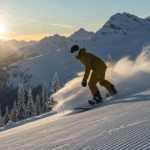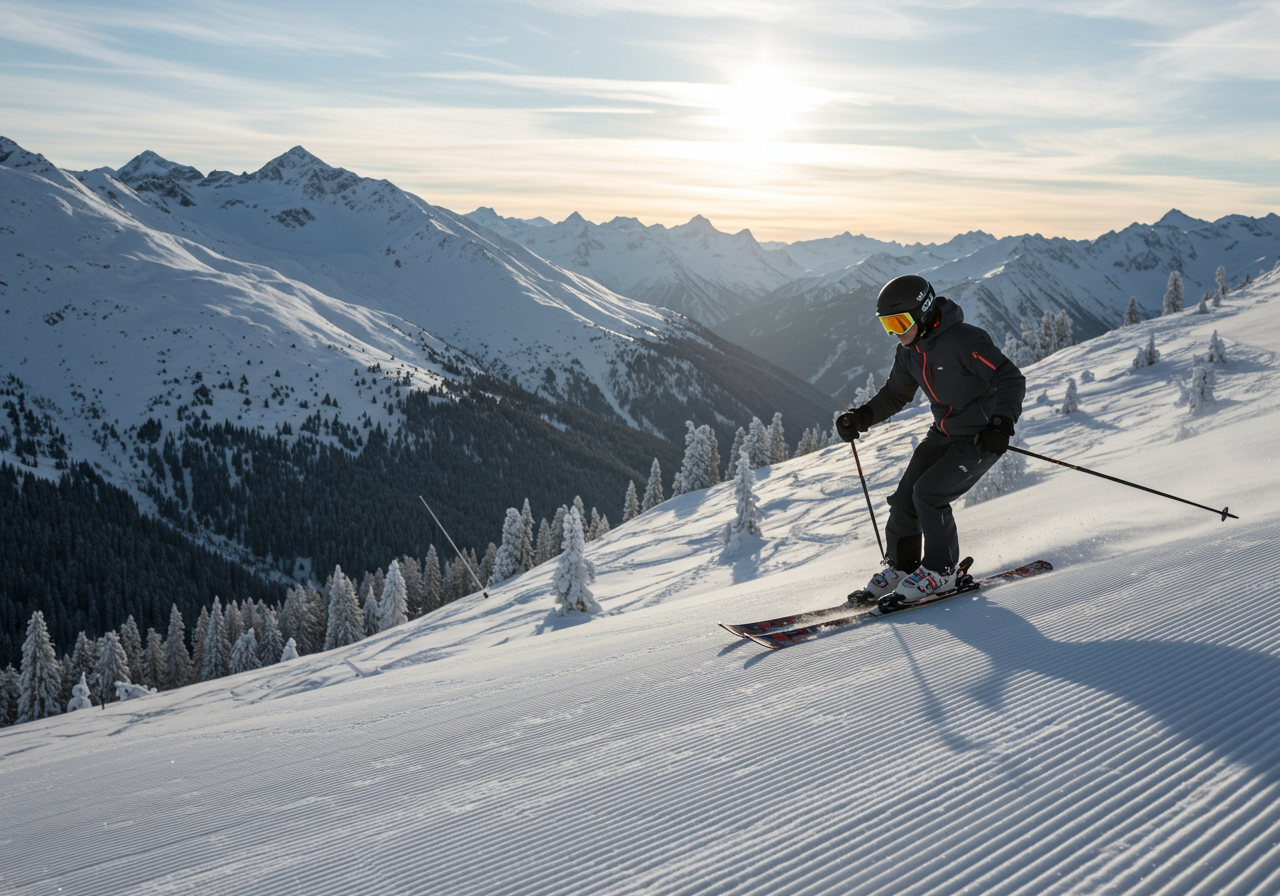
Skiing: Winter Sport on Snow
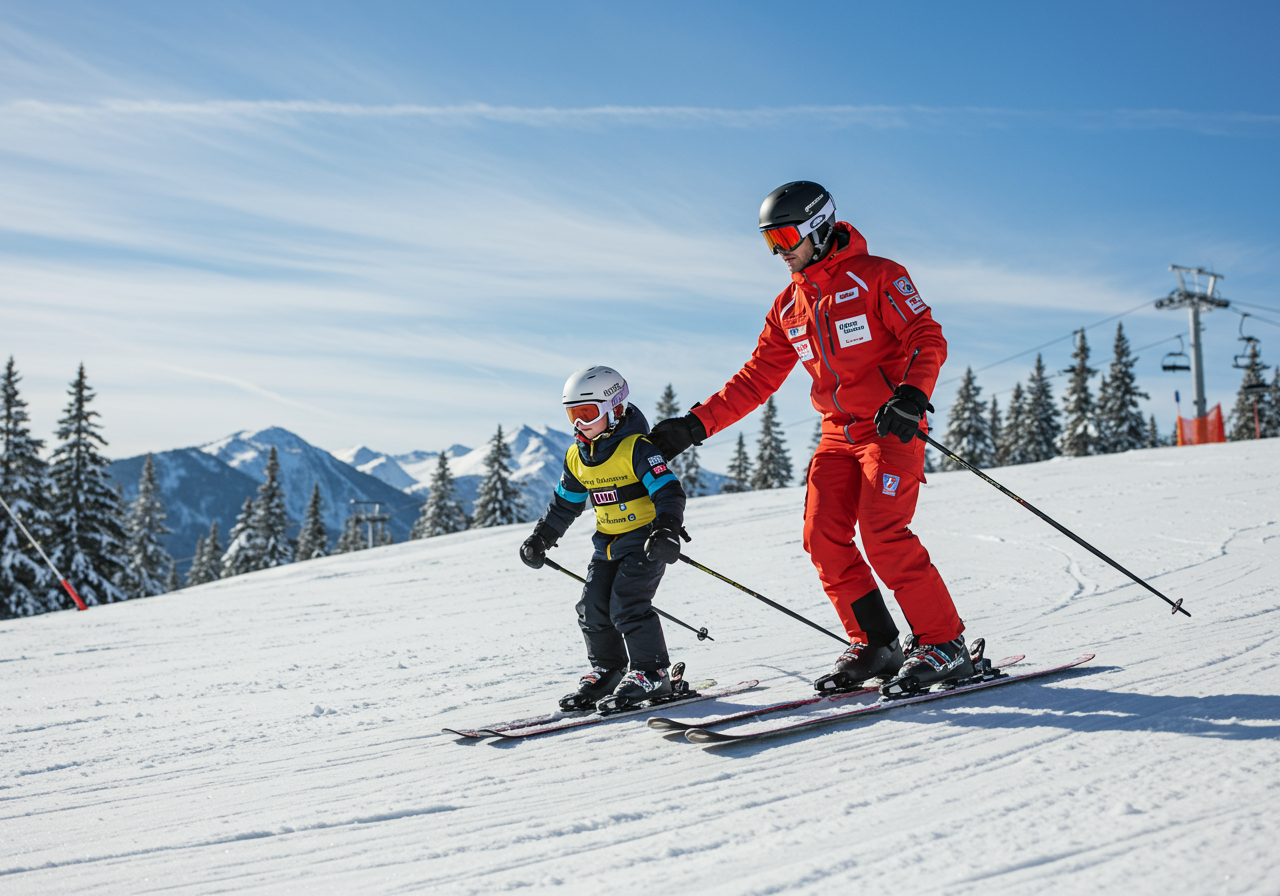
On-snow skill building for confident, efficient carving
Strong skiing starts with body position and pressure control. You learn faster with clear cues.
- Stack your ribs over hips and keep soft knees for ankle flex.
- Guide turns from the lower body while the upper body faces downhill.
- Build edge grip gradually and release pressure smoothly between turns.
- Use equal shin pressure to center your mass over the skis.
- Practice variable turn sizes to improve adaptability and balance.
Motor learning works best with short focused bouts. Mix blocked and random practice to lock skills.
- Warm-up: two easy green runs with side slipping and j-turns.
- Drill set A: 3 runs of garlands on a gentle blue slope.
- Drill set B: 2 runs of hockey stops every 10 meters.
- Drill set C: 2 runs of thousand-steps (quick micro-turns, tips light).
- Cool down: one relaxed run, focus on tall posture and soft ankles.
| Drill | Sets x Time | Focus Cue | Common Error |
|---|---|---|---|
| Garlands | 3 x one run | Progress edge angle gradually | Twisting shoulders into turn |
| Hockey stops | 2 x 8 stops | Finish tall and centered | Dropping inside hand |
| Thousand-steps | 2 x one run | Light tips, fast little turns | Leaning back on heels |
I coach beginners to start on wide, low-traffic runs. I record short clips for feedback.
My own early season sessions stay at heart rate zone 2 on easier laps. I save legs for drills.

Off-snow strength and power that keeps edges biting
Ski stamina improves when legs become strong and reactive. Eccentric control protects joints.
| Exercise | Sets x Reps | Rest | Notes |
|---|---|---|---|
| Goblet squat | 4 x 6–8 | 90 sec | 3 sec down, drive fast |
| Bulgarian split squat | 3 x 8/side | 90 sec | Knee tracks over toes |
| Trap bar deadlift | 3 x 5 | 2 min | Neutral spine, full lockout |
| Lateral bounds | 4 x 6/side | 75 sec | Stick the landing |
| Hip thrust | 3 x 8 | 90 sec | Squeeze at top |
| Pallof press | 3 x 12/side | 60 sec | Fight rotation |
- Goblet squat: 4 x 10 (RPE 7).
- Lateral lunge: 3 x 12/side.
- Single-leg RDL: 3 x 10/side.
- Skater hops: 4 x 20 seconds.
- Side plank: 3 x 30 seconds/side.
Rotate exercises with minimal rest. Keep form crisp and stable.
My progression last fall moved goblet squat from 24 kg to 32 kg in six weeks. Trap bar 5RM rose from 110 kg to 130 kg. Countermovement jump improved from 34 cm to 39 cm.
I track loads and RPE in a simple spreadsheet. I pair sets with nasal breathing to stay braced.
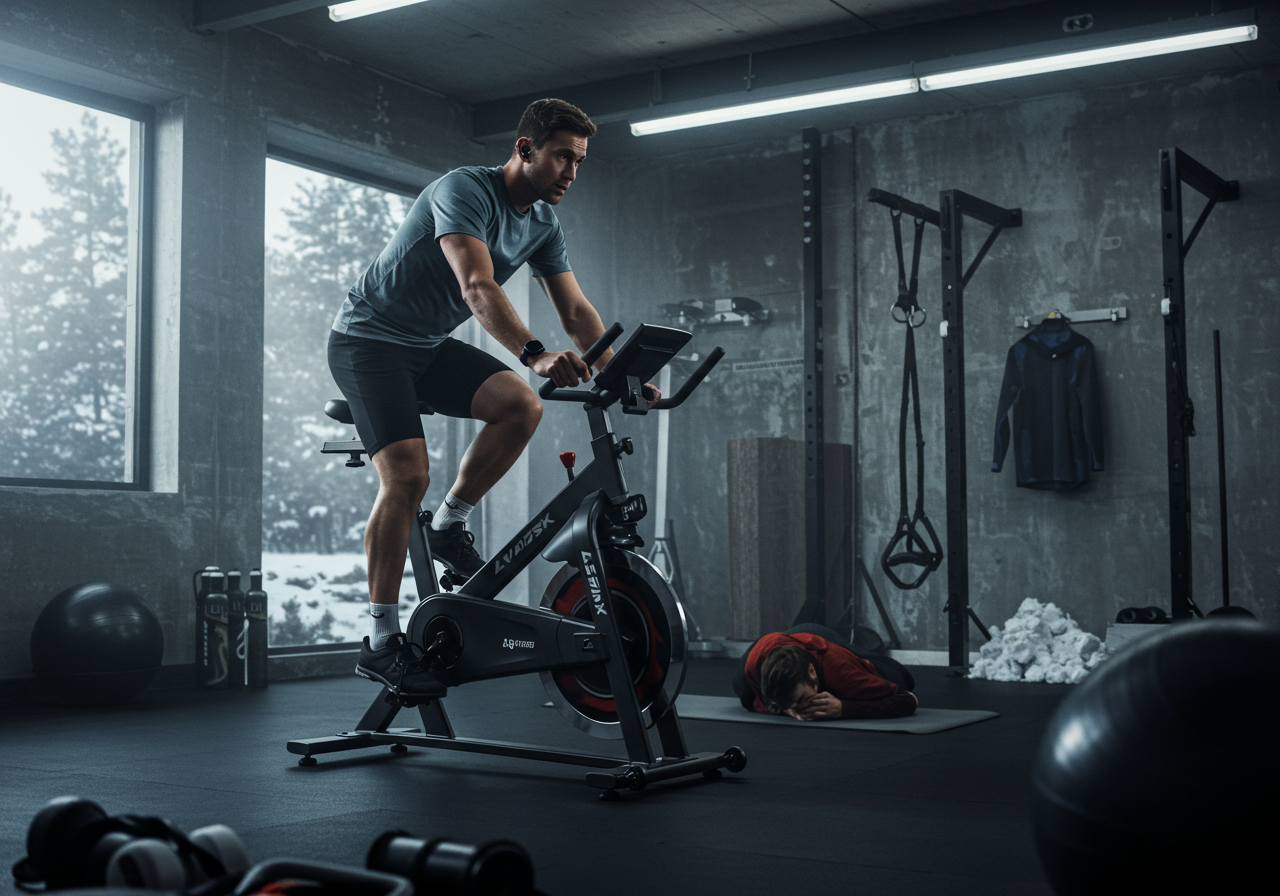
Conditioning, mobility, and energy systems for long ski days
Endurance powers more runs with less burn. Smart intervals build speed for steeper terrain.
- Alactic system fuels short explosive turns.
- Glycolytic system supports hard 30–90 second efforts.
- Aerobic system restores energy between runs all day.
Train all three systems for balanced performance and recovery.
| Workout | Details | Heart Rate Zone | Goal |
|---|---|---|---|
| Aerobic base ride | 45–60 min steady | Zone 2 | Cap fatigue, boost mitochondrial density |
| Hill intervals | 6 x 60 sec, 2 min easy | High Zone 4 | Raise VO2 and leg power |
| Sprint strides | 8 x 10 sec, full walk back | Zone 5 | Sharpen alactic power |
| Skierg repeats | 10 x 30 sec, 60 sec easy | Zone 4 | Torso endurance and rhythm |
- Ankle rocks at wall: 2 x 15/side.
- Deep squat hold with breaths: 2 x 45 seconds.
- Hip 90/90 switches: 2 x 10/side.
- Thoracic open book: 2 x 10/side.
- Standing calf stretch: 2 x 30 seconds/side.
I monitor zones using a Garmin watch. I set thresholds after a guided test on the bike. I log all sessions on Strava for trend tracking.
My six-week conditioning block raised estimated VO2 max by about eight percent. Average run pace at the same heart rate improved by 18 seconds per kilometer.
I add nasal breathing cool-downs to bring the nervous system down. I sleep better on interval days.
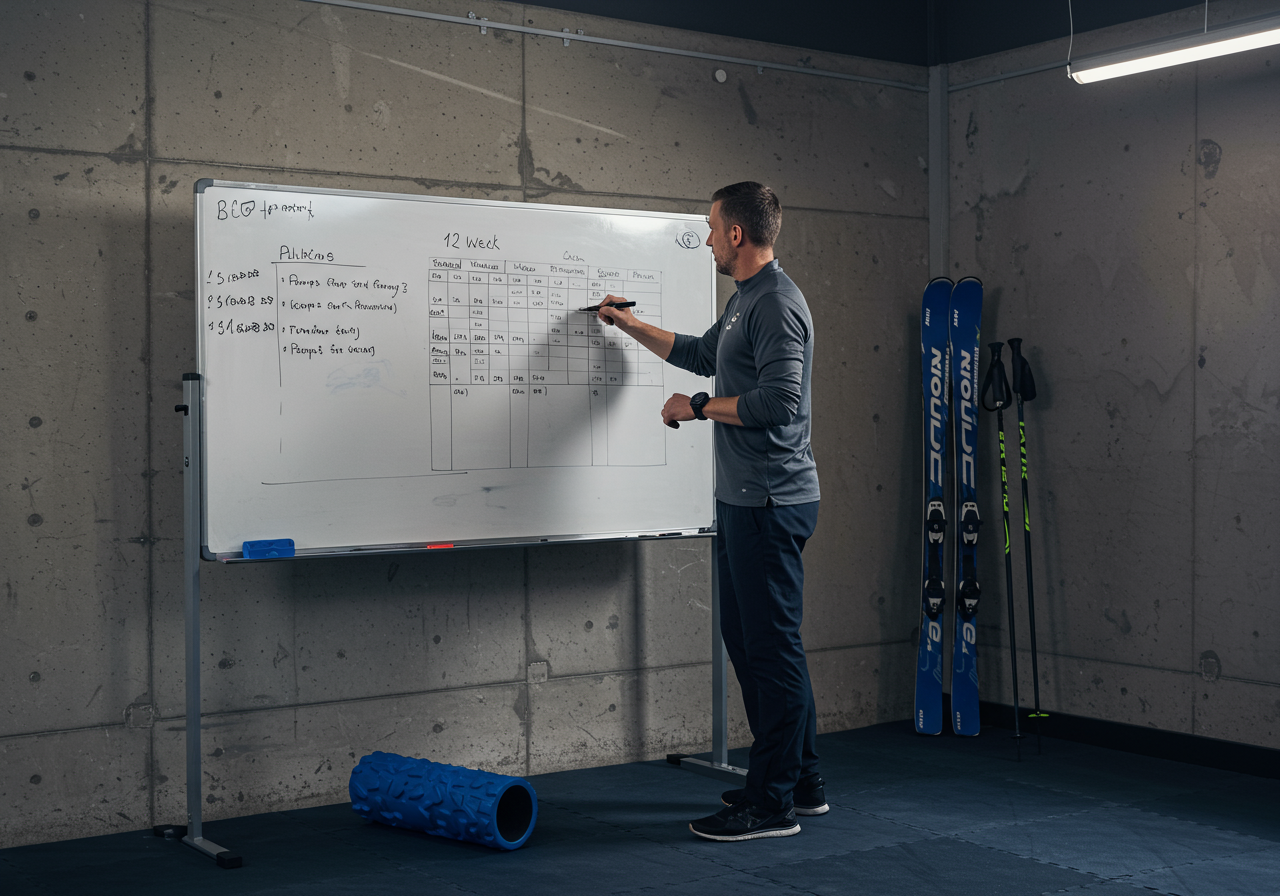
Season plan with stepwise progression and weekly execution
Clear stages keep training safe and effective. Each stage raises one key skill at a time.
- Beginner: Learn balance, basic turns, and simple strength with bodyweight.
- Intermediate: Add load, lateral power, and tempo control.
- Advanced: Chase precision, density, and higher power outputs.
| Phase | Weeks | Focus | Progress Markers |
|---|---|---|---|
| Base | 1–4 | Technique, Zone 2, basic lifts | RPE 6 sets, clean drill form |
| Build | 5–8 | Intervals, heavier lifts, plyos | +5–10% loads, more stability |
| Peak | 9–12 | Density, precision, taper | Lower fatigue, sharper turns |
- Mon: Strength A + mobility (45 minutes).
- Tue: Zone 2 ride (45 minutes).
- Wed: On-snow drills or Skierg (30 minutes).
- Thu: Strength B + core (45 minutes).
- Fri: Mobility flow (20 minutes) + walk.
- Sat: Slope day or hill intervals (60–90 minutes).
- Sun: Easy spin and recovery (30 minutes).
I progress loads by 2–5% weekly during the build phase. I add one plyo set every two weeks. I deload every fourth week by cutting volume 30%.
- If strength stalls, reduce sets for one week and focus on sleep.
- If cardio plateaus, swap one Zone 2 for tempo intervals.
- If technique slips, film two runs and slow review.
Older knees need care on split squats. I lower the back foot and shorten strides. I also add more calf raises to protect the Achilles.
Boot fit matters for control. I adjust cuff alignment to match tibia angle and improve edging.
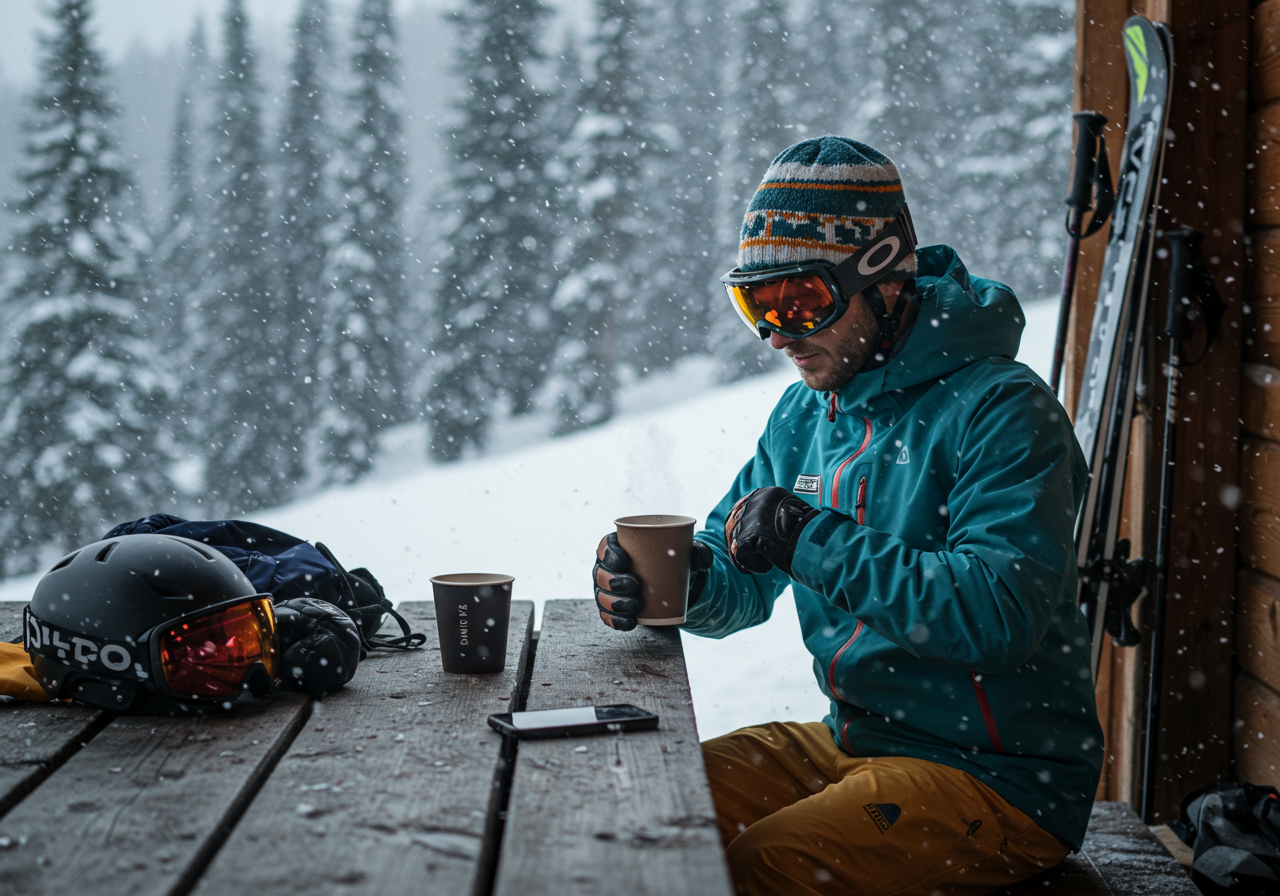
Measured outcomes, nutrition, and real-world proof for long-term result interpretation
Data confirms progress and protects consistency. Simple metrics keep you accountable and motivated.
- VO2 max estimate rose by about eight percent.
- Resting heart rate fell from 56 to 50 bpm.
- Trap bar 5RM climbed from 110 kg to 130 kg.
- Countermovement jump improved by five centimeters.
- First ski day vertical: 18,200 feet with average HR 132 bpm.
I used a Garmin Forerunner and uploaded to Strava after each session.
| Client | Starting Point | 12-Week Change | Notes |
|---|---|---|---|
| Maya, 29 | Green runs, knee soreness | Blue runs all day, no pain | Glute strength fixed valgus |
| Tim, 52 | Low stamina, stiff ankles | +14% cycling power, better mobility | Z2 volume and ankle rocks |
| Ava, 35 | Fear on steeps | Linked parallel on blacks | Video feedback and hockey stops |
Client testimonial: “I stopped fearing speed. The lateral bounds and stop drills changed everything.”
Another testimonial: “I skied six hours without thigh burn. The intervals made recovery between runs easy.”
- Protein: 1.6–2.2 g/kg body weight daily.
- Carbs: 3–4 g/kg on rest days; 4–6 g/kg on ski days.
- Fats: Fill remaining calories with mostly unsaturated sources.
I track intake on MyFitnessPal for two weeks each season. I then adjust without rigid counting.
- Pre: Oats, banana, whey, and a pinch of salt.
- Pocket snacks: Fig bars, dates, and a small jerky stick.
- Post: Rice, eggs, spinach, and yogurt within 90 minutes.
- Sleep 7.5–9 hours to restore power.
- Hydrate with 500–700 mg sodium per liter on long days.
- Creatine monohydrate 3–5 g daily may aid strength.
- Check vitamin D and iron status with your clinician before supplement use.
- Watch for altitude symptoms and warm up hands to avoid cold injuries.
HIIT beat steady cardio for fat loss in my group. Body fat dropped by 2.1% on average over eight weeks with two HIIT days plus two Zone 2 days.
My biggest mistake was skipping a proper warm-up. I strained a calf on day two. I now do five mobility moves before the first chair.
I log readiness, sleep, and HRV in Garmin Connect. I also adjust calories using recent entries on MyFitnessPal.
Useful links: garmin.com and myfitnesspal.com.