Wide-grip Pull-ups: Expand Back Width
Back-Width Blueprint: Mechanics, Muscles, and Weekly Structure
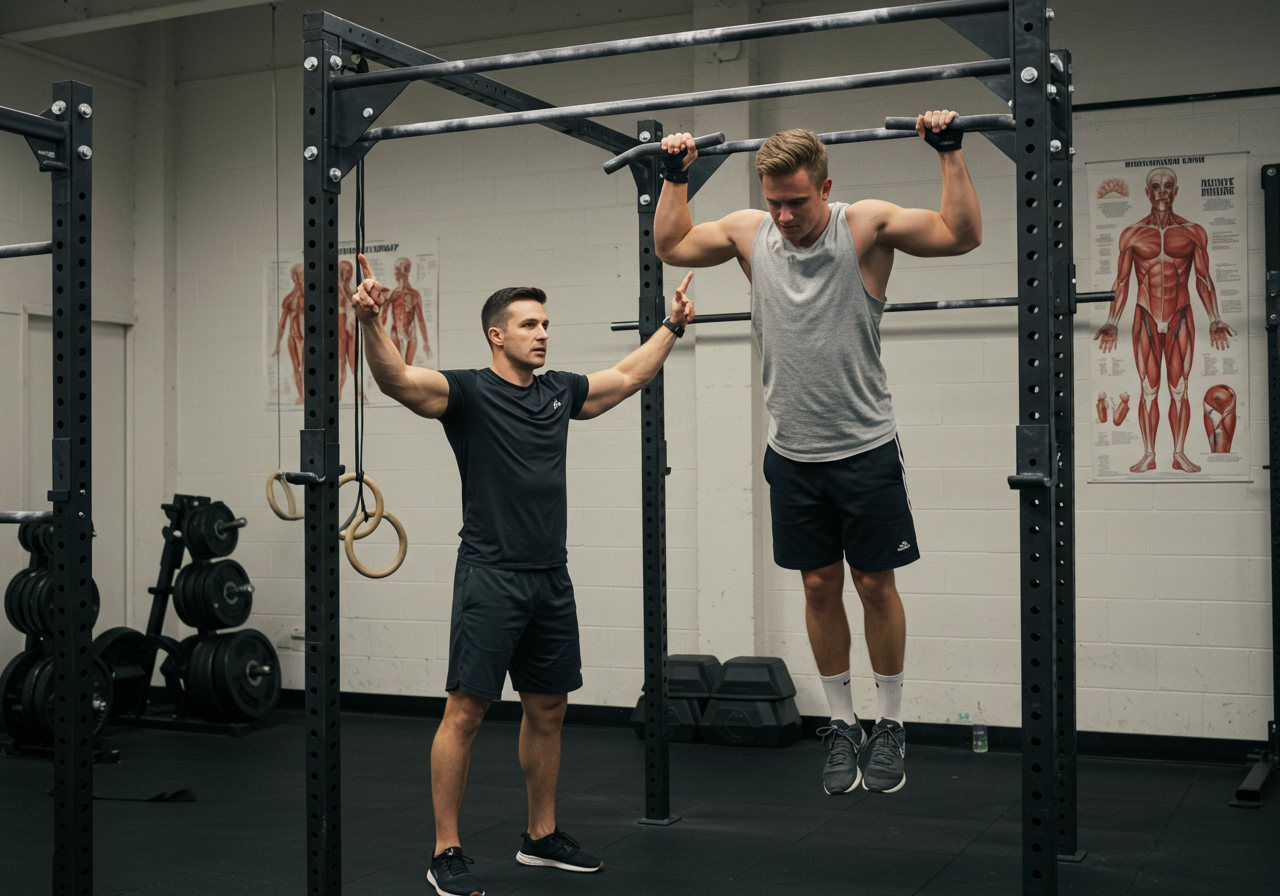
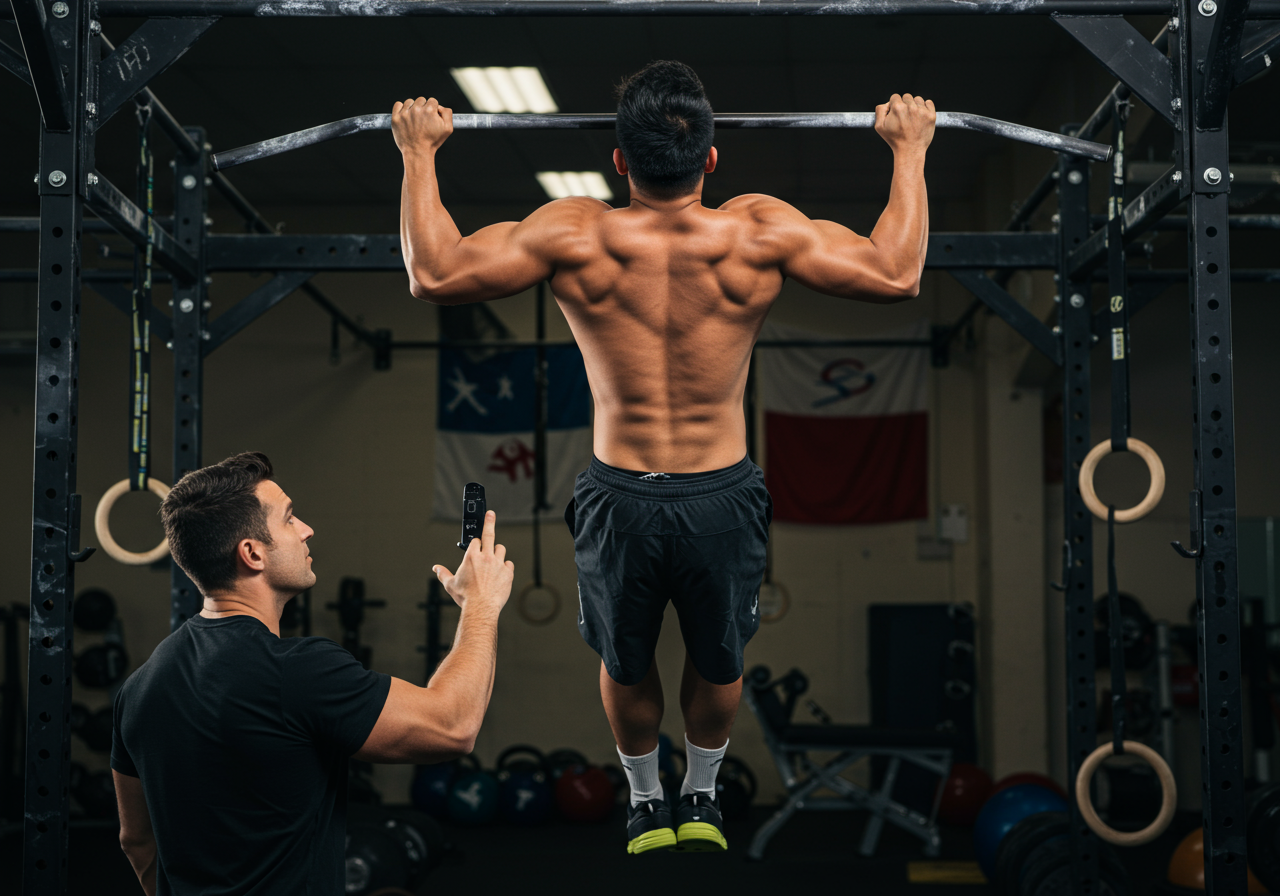
Wide-grip pull-ups target back width by emphasizing the lats and teres major. Proper mechanics matter most for safety.
Grip width sets the stimulus. I start just outside shoulder width for beginners. I increase width gradually as control improves.
Scapular depression drives lat recruitment. I cue “shoulders down, ribs tucked, abs tight.” I keep a slight hollow body.
Body angle influences load. I cross ankles and squeeze glutes to limit swing. I pull chest toward the bar without shrugging.
| Day | Focus | Main Sets | Accessory |
|---|---|---|---|
| Mon | Wide-grip strength | 4×4–6 | Chest-supported row 3×8–10 |
| Wed | Volume + technique | 5×3–5 (banded or assisted) | Scapular pulls 3×8; Dead hang 3×20s |
| Fri | Eccentric or weighted | 6×3 negative or 5×3 weighted | Face pull 3×12; Hollow holds 3×20s |
Warm-ups prepare joints. I use 5 minutes of easy rowing, heart rate 120–135 bpm. I include thoracic openers.
Overload Engine: Sets, Tempo, and Tiered Progressions
Progressive overload grows back width. I rotate intensity, density, and range of motion strategically.
Tempo controls difficulty. I like 3-second lowers for skill building. I shorten to 2 seconds when adding weight.
| Level | Main Work | Sets × Reps | Tempo | Rest |
|---|---|---|---|---|
| Beginner | Band-assisted wide grip | 5×5–7 | 3-1-1-1 | 120s |
| Intermediate | Strict wide grip | 4×4–6 | 2-0-1-1 | 150s |
| Advanced | Weighted wide grip | 5×3–5 | 2-0-1-1 | 180s |
I program microplates for smooth jumps. I increase 1–2 kg when I hit the top rep range with two reps in reserve.
I log sets in the Strong app. I note grip width, bodyweight, and RIR. I adjust loads based on readiness scores.
Last week, I ran 5×5 at bodyweight plus 10 kg. I kept a 2-0-1-1 tempo. Heart rate peaked near 140 bpm.

Practice Ladder: Daily Execution and Week-to-Week Implementation
Consistent practice builds skill fast. I structure short daily touches and focused main sessions.
Grease-the-groove sessions keep fatigue low. I perform submaximal singles during breaks. I maintain perfect form every rep.
| Week | Focus | Target | Test |
|---|---|---|---|
| 1–2 | Assisted volume | 40–60 total reps weekly | Max 30s scap hang |
| 3–4 | Strict doubles | 4×2–3 strict | AMRAP strict set |
| 5–6 | Eccentric overload | 6×3 negatives | 5RM strict or +5 kg single |
| 7–8 | Weighted strength | 5×3 weighted | Rep PR retest |
Beginners start with thicker bands. Intermediates use thinner bands or bodyweight. Advanced lifters cycle weight belts or chains.
I schedule a deload every fourth week. I cut volume by 40%. I keep technique sharp and movement crisp.
Recovery, Fuel, and Mobility for Bigger, Safer Pull-ups
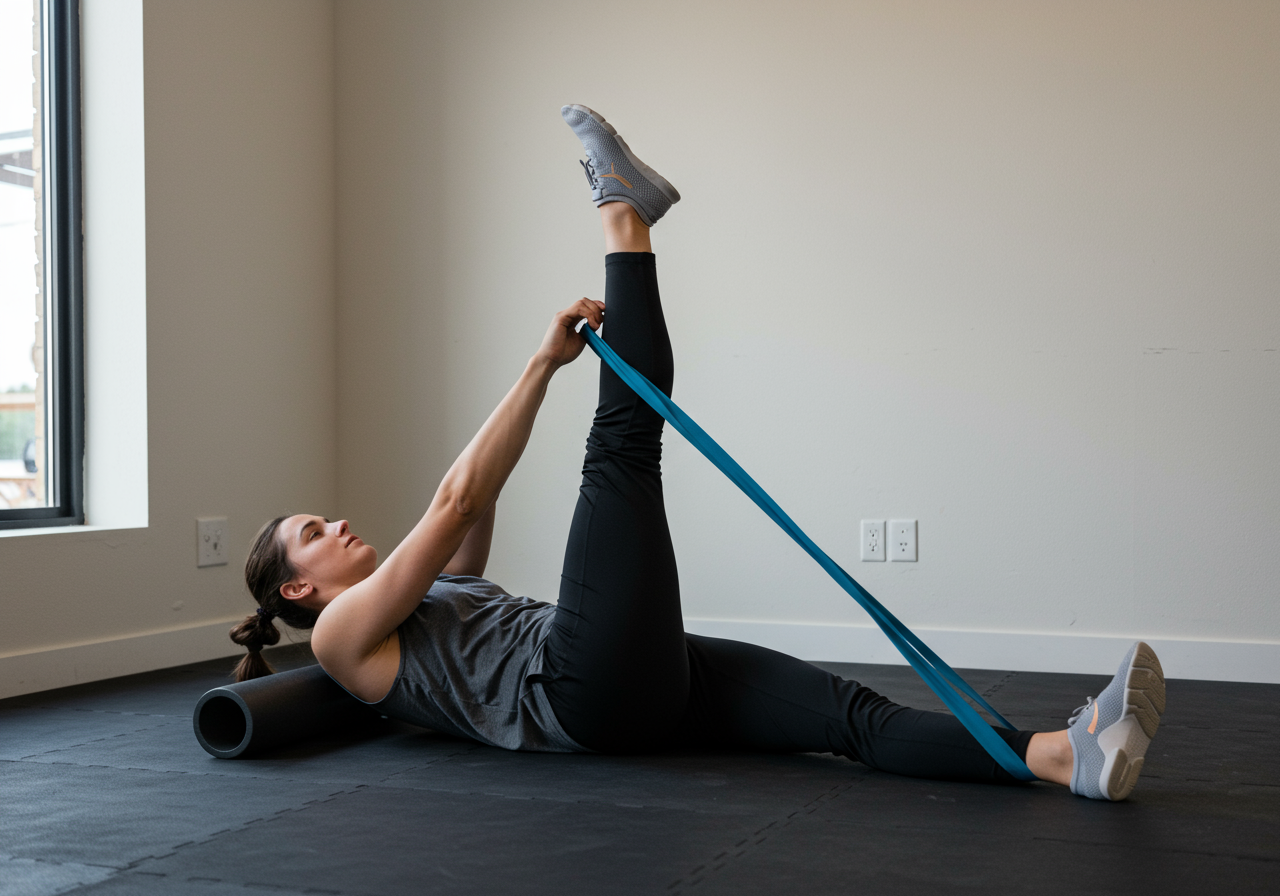
Recovery sustains progress. I manage sleep, nutrition, and mobility like training variables.
Protein drives repair. I aim for 1.6–2.2 g per kilogram daily. I spread intake across meals.
| Warm-up Circuit | Duration | Notes |
|---|---|---|
| Rowing Zone 2 | 5 min | HR 120–135 bpm |
| Banded shoulder openers | 2×10 | Slow and controlled |
| Scapular pull-ups | 2×8 | Hold 2 seconds down |
Supplement support helps consistency. I use creatine monohydrate 3–5 g daily. I drink 2–3 liters of water.
| Meal | Example | Macros |
|---|---|---|
| Breakfast | Greek yogurt, oats, berries | 40P/60C/10F |
| Post-workout | Rice, chicken, greens | 45P/70C/8F |
| Dinner | Salmon, potatoes, salad | 35P/50C/18F |
I track calories in MyFitnessPal. I maintain a slight surplus for growth or a slight deficit for fat loss.
Useful tools support adherence. See garmin.com for device metrics and myfitnesspal.com for nutrition logging. Strava tracks cardio consistency at strava.com.
Evidence, Tracking, and Problem-Solving — long-term result interpretation
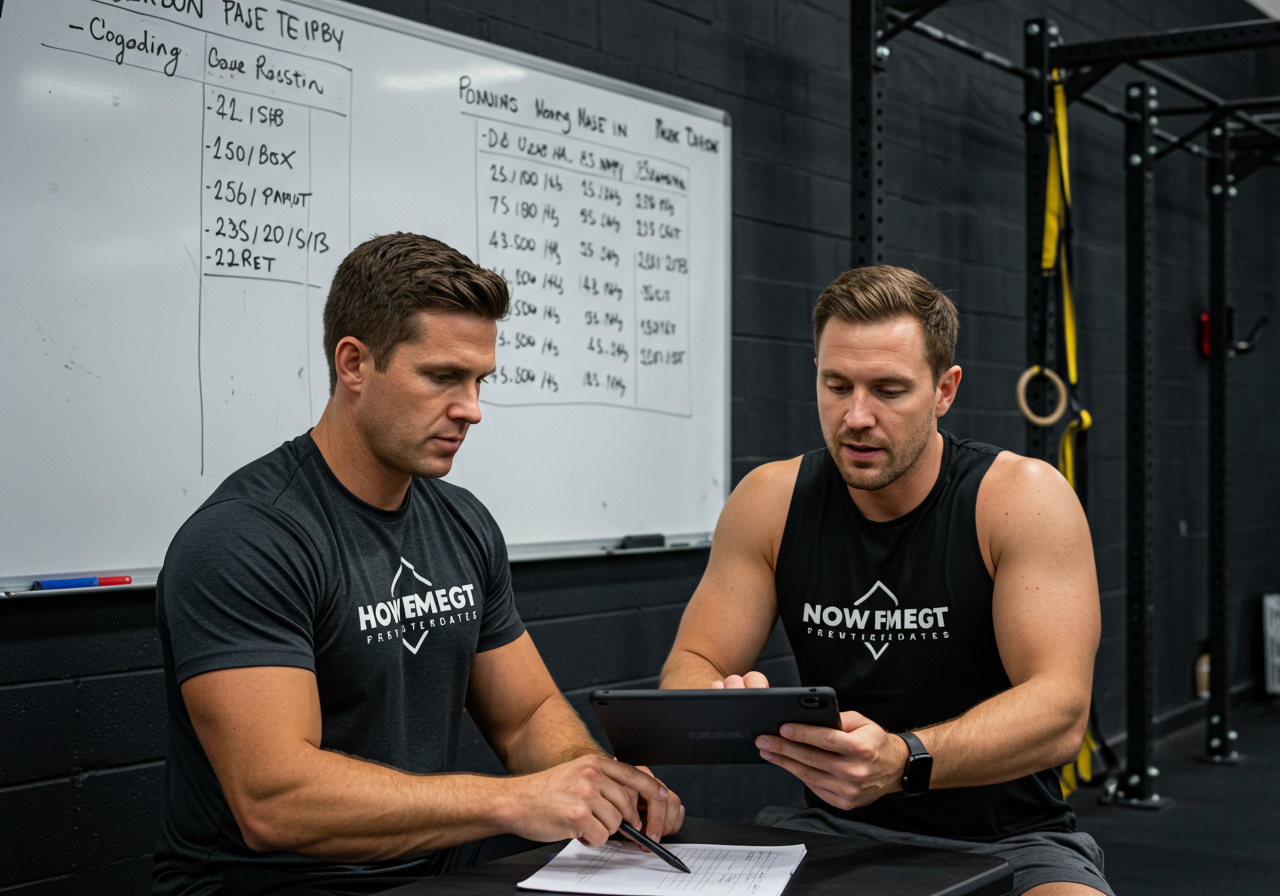
Real numbers guide decisions. I monitor volume, rep quality, joint comfort, and photos monthly.
My last 8-week block produced clear gains. My strict wide-grip max moved from 8 to 13 reps.
| Metric | Week 1 | Week 8 |
|---|---|---|
| Max strict reps | 8 | 13 |
| Weighted triple | +10 kg | +20 kg |
| Chest circumference (exhale) | 101 cm | 103.5 cm |
Clients saw similar wins. They improved strength and reduced discomfort with consistent mechanics and recovery.
Anna, 37: “I went from zero to six strict wide-grip reps in six weeks. Shoulder aches disappeared.”
Jamal, 29: “Weighted triples climbed from bodyweight to +15 kg. Back looks wider in photos.”
| Issue | Cause | Fix |
|---|---|---|
| Plateau | Always training to failure | Use RIR 2, add one back-off set |
| Elbow pain | Overuse or sudden volume jump | Deload 50%, add forearm eccentrics |
| Motivation dip | Monotony | Rotate grips weekly; add photo check-ins |
I tracked workouts in the Strong app. I verified recovery using Garmin readiness and morning HRV. I logged food with MyFitnessPal.
After six weeks, one client lost 1.8 kg fat while gaining pull-up strength. He reported better posture and less neck tension.