Warning Fitness Disclaimer: The information in this article is for general educational purposes only and does not constitute professional fitness or medical advice. Always consult a qualified healthcare professional before starting any new exercise program.
The Cardio Method That Changed Everything I Thought I Knew About Training
For most of my training life, I believed that harder meant better when it came to cardio. I ran at uncomfortable paces, kept heart rate elevated, and treated easy days as wasted effort. My cardiovascular fitness improved but plateaued. The threshold zone I trained in most of the time was producing diminishing returns, and I could not figure out why the elite athletes I was reading about were spending the majority of their training time at what seemed to me like embarrassingly slow paces.
The answer was Zone 2 training a specific cardiovascular intensity that most recreational athletes dramatically underpractice and most high-performing endurance athletes consider the foundation of everything they do. When I restructured my cardiovascular training to include 3-4 hours of genuine Zone 2 work per week, the changes in my aerobic capacity, metabolic efficiency, and recovery from harder efforts over the following 12 weeks exceeded anything I had achieved from years of intensity-focused training.
What Zone 2 Training Actually Is
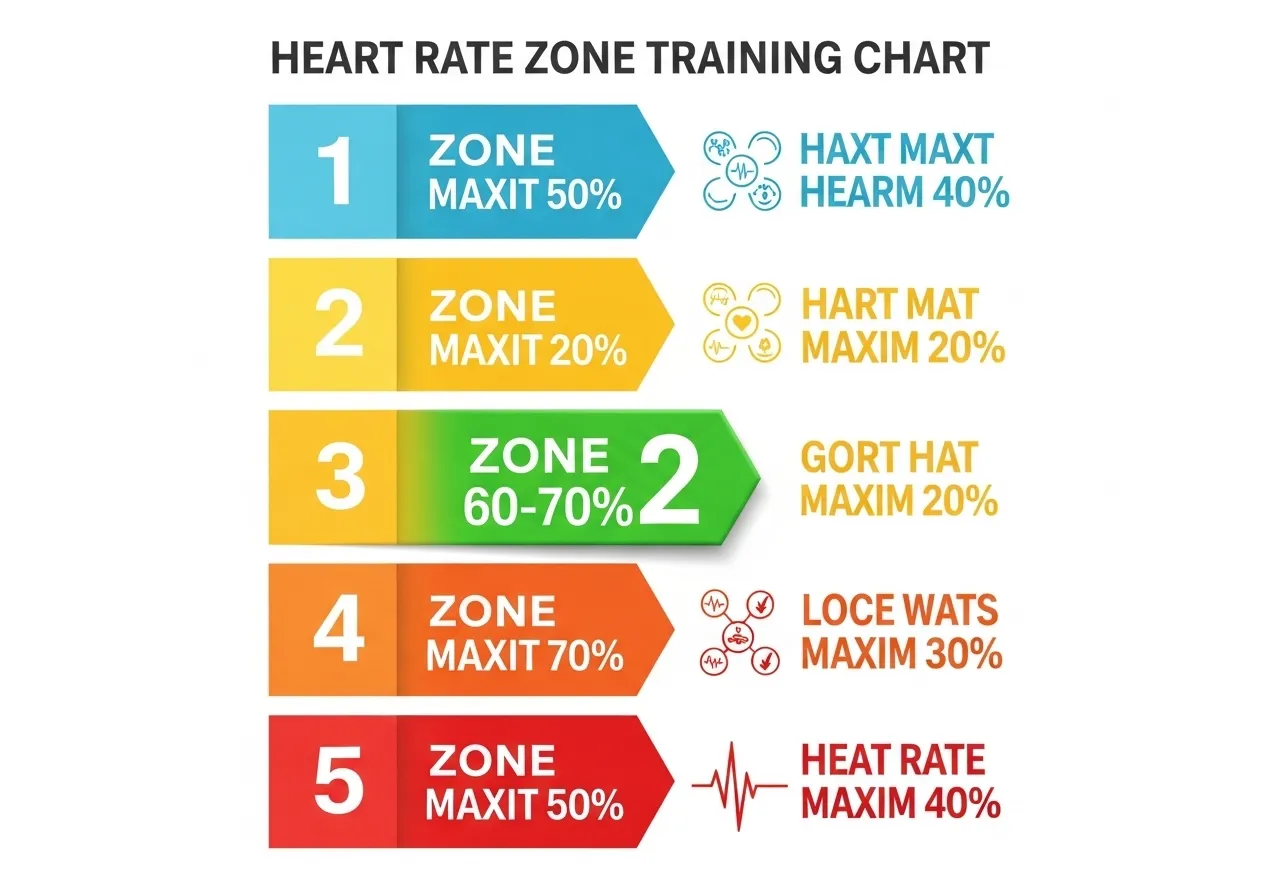
Zone 2 is the exercise intensity at which your body can sustain aerobic energy production predominantly through fat oxidation, with minimal accumulation of lactate above resting levels. In practical terms: an effort level where you can hold a full conversation, where breathing is elevated but comfortable, and where you could sustain the effort for 1-3 hours without exhaustion. For most people, this corresponds to approximately 60-70 percent of maximum heart rate.
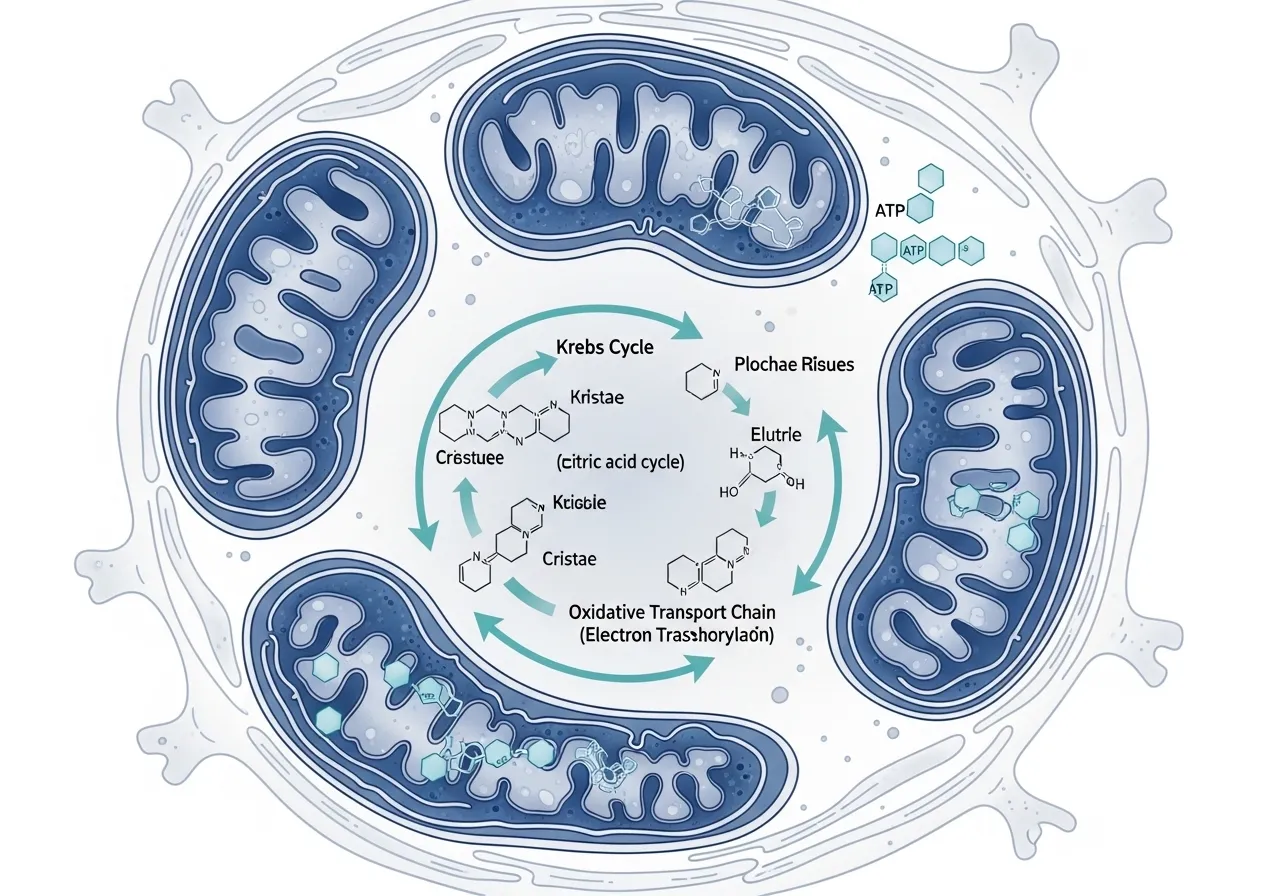
The more precise definition: Zone 2 is the highest intensity at which blood lactate remains below 2 mmol per liter. Training at this intensity specifically develops the mitochondrial density, fat oxidation capacity, and cardiac adaptations that underpin aerobic fitness at all intensities. Research on exercise intensity and mitochondrial adaptation shows that low-to-moderate intensity continuous training produces superior mitochondrial density improvements compared to high-intensity training, despite the lower acute metabolic demand per session.
The Physiology of Zone 2: Understanding What Happens in Your Cells
To understand why Zone 2 training works, it is necessary to understand the energy systems operating during different exercise intensities and why the specific adaptations Zone 2 produces matter for overall fitness.
The Lactate System: Friend, Not Enemy
Lactate has historically been misrepresented as a waste product that causes fatigue. Current exercise physiology understands lactate as an important fuel source that the body shuttles between tissues during exercise. Zone 2 training increases the number and activity of lactate transporters (MCT1 and MCT4) in muscle cells, improving the body’s ability to shuttle lactate between producing and consuming tissues.
Fat Oxidation: The Untrained Metabolic Pathway
Zone 2 training specifically develops fat oxidation capacity. Untrained individuals reach the crossover point at relatively low exercise intensities. Trained endurance athletes can sustain fat-dominant metabolism at intensities that would require predominantly carbohydrate combustion in untrained individuals. Research on metabolic efficiency and endurance performance consistently identifies fat oxidation capacity as a key distinguishing factor between recreational athletes and high performers at equivalent VO2max values.
Cardiac Adaptations: Building a Bigger Engine
Zone 2 training produces cardiac adaptations that high-intensity training cannot fully replicate. The prolonged, moderate demand of Zone 2 exercise causes the left ventricle to dilate over time, developing a greater stroke volume. This cardiac dilation is the primary mechanism behind the lowered resting heart rate seen in trained endurance athletes: the heart pumps more blood per beat, requiring fewer beats per minute to deliver the same cardiac output.
Slow-Twitch Muscle Fiber Development
Zone 2 training selectively recruits and develops slow-twitch Type I muscle fibers, the fatigue-resistant fibers primarily responsible for sustained aerobic effort. Developing these fibers through consistent Zone 2 training increases the aerobic capacity of the muscles directly involved in the trained movement, as well as improving their efficiency at clearing metabolic byproducts from fast-twitch fibers during mixed-intensity efforts.
How to Actually Train in Zone 2: A Practical Guide
The most common Zone 2 mistake is training too hard. The intensity that feels productive is typically Zone 3 or higher, not Zone 2. True Zone 2 often feels uncomfortably easy for athletes accustomed to more intense training.
Heart Rate Method
Heart rate zones provide the most accessible Zone 2 target for most people. The standard calculation: Zone 2 equals 60-70 percent of maximum heart rate. Maximum heart rate calculation: 220 minus age. This formula has substantial individual variation.
The Talk Test: The Most Practical Zone 2 Indicator
If you cannot hold a full conversation without catching your breath, you are above Zone 2. Zone 2 should feel comfortable enough to speak full sentences and have a genuine phone conversation. This is the most reliable Zone 2 field test for people without lactate testing access.
Nasal Breathing as Zone 2 Verification
Many coaches use nasal breathing exclusively as a Zone 2 indicator: if you can sustain nasal-only breathing with mouth closed, you are at or below Zone 2 intensity. When exercise intensity crosses into Zone 3, the drive to breathe increases and mouth breathing typically begins.
Duration and Sessions: Building Zone 2 Volume
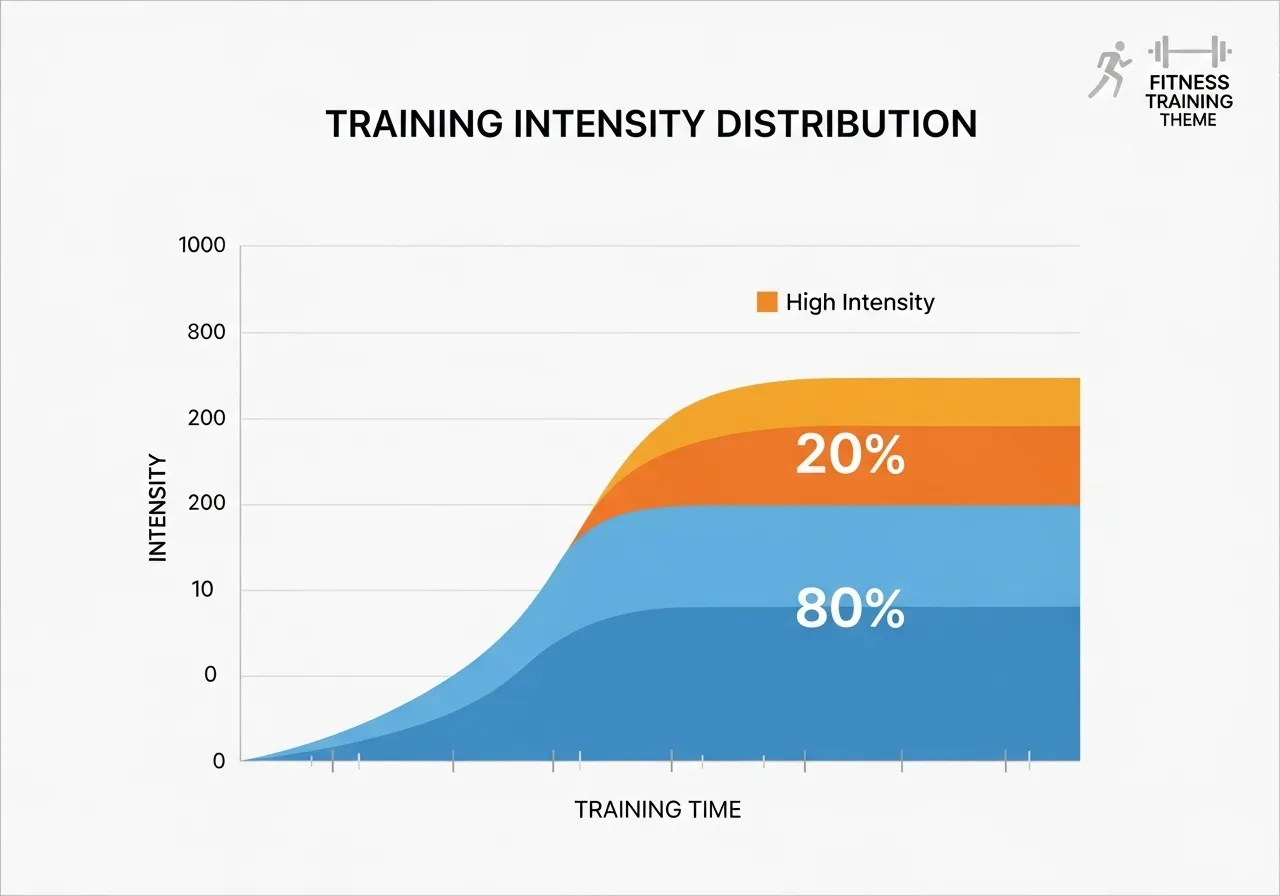
Zone 2 adaptations require sustained effort. Minimum effective Zone 2 session: 45 minutes. Optimal individual session: 60-90 minutes. Weekly total volume: 3-6 hours per week. Research on training intensity distribution in elite endurance athletes confirms that 70-80 percent of weekly training volume at or below Zone 2 intensity is the typical distribution for long-term performance development.
Zone 2 for Different Populations: How to Apply It to Your Training
For Recreational Athletes and General Fitness
If your current cardiovascular training consists primarily of moderate-to-hard effort in the gray zone of intensity, adding Zone 2 work will likely produce more aerobic improvement than continuing the same approach. The practical starting point: two 45-60 minute Zone 2 sessions per week, maintaining the talk test standard throughout.
For Strength Athletes Adding Cardio
Zone 2 training produces cardiovascular benefits with significantly less interference effect than high-intensity cardio. The low mechanical stress allows Zone 2 sessions to be scheduled on non-lifting days or as low-intensity active recovery without compromising lifting performance. Two to three Zone 2 sessions per week of 30-45 minutes improves cardiovascular health and aids recovery between lifting sessions without the recovery cost of intense cardio.
For Competitive Endurance Athletes
Polarized training with 80 percent Zone 2 and below, and 20 percent Zone 4-5 and above, consistently outperforms threshold training distributions in competitive endurance athletes over training periods longer than 8 weeks. Adding more Zone 2 while maintaining existing high-intensity work typically improves endurance performance more than adding more intensity to an already intensity-heavy program.
For Older Adults 50 and Above
Zone 2 training has particular value for adults over 50, where metabolic health, cardiovascular function, and mitochondrial density all decline with age. The low-impact modality options for Zone 2 including cycling, walking, elliptical, and rowing make it accessible for people with joint conditions that limit running. Three to four 45-minute Zone 2 sessions per week produces measurable improvements in metabolic markers, cardiovascular efficiency, and functional capacity.
Integrating Zone 2 Into Your Weekly Training Schedule and FAQ
The Polarized Model: Zone 2 Plus High Intensity
Zone 2 training is most effective as part of a polarized training approach. The polarized model avoids the gray zone of moderate intensity that is simultaneously too hard to produce Zone 2 aerobic adaptations and too easy to produce Zone 4 VO2max adaptations.
Sample Weekly Structure: Recreational Athlete
Monday: Rest. Tuesday: Zone 2 cardio 60 minutes. Wednesday: Strength training. Thursday: Zone 2 cardio 45 minutes. Friday: Strength training. Saturday: Zone 2 long session 75-90 minutes. Sunday: High-intensity interval training 30 minutes total. This distribution provides approximately 3.5 hours of Zone 2 weekly alongside two strength sessions and one high-intensity session.
Zone 2 Compatible Modalities
Zone 2 can be performed on any cardiovascular modality: running, cycling, rowing, elliptical, swimming, and brisk walking. Cycling tends to be the most popular Zone 2 modality because it is easy to maintain precise intensity without terrain variability. ACSM exercise guidelines support consistent moderate-intensity cardiovascular training as the most evidence-based approach to long-term cardiovascular health development.
Patience: The Non-Negotiable Requirement
Zone 2 training requires 8-12 weeks of consistent practice before meaningful physiological adaptations occur. The mitochondrial biogenesis process is gradual. The benchmark that matters: after 12 weeks of consistent Zone 2 training, the heart rate at a given absolute exercise intensity should decrease meaningfully.
Is walking considered Zone 2 training? For many people, particularly those with lower fitness levels or older adults, brisk walking does fall within Zone 2 heart rate and intensity. If you can walk at a pace that elevates heart rate to 60-70 percent of maximum and sustain the talk test, you are performing effective Zone 2 training.
Will easy cardio interfere with my strength training? Zone 2 cardio has minimal interference with strength training compared to high-intensity cardiovascular work. Zone 2 cardio performed at least 6 hours apart from strength sessions produces negligible interference with strength adaptations.
How do I know if I am in Zone 2 vs Zone 3? The talk test is the practical guide: Zone 2 means you can speak full sentences, Zone 3 means speech is clipped or breathy. When in doubt, err toward easier.
Can I do Zone 2 every day? Zone 2 low stress on the body means higher weekly frequency is possible. Daily Zone 2 sessions of 45-60 minutes are physiologically sustainable for well-conditioned individuals. Total weekly volume should be built progressively by adding 10-15 percent per week.
What is more important, Zone 2 duration or frequency? Total weekly volume measured in hours is the primary driver of mitochondrial adaptation. Sessions under 30 minutes provide insufficient sustained signaling for meaningful mitochondrial biogenesis.
⚠️ Fitness Disclaimer: The information in this article is for general educational purposes only and does not constitute professional fitness or medical advice. Always consult a qualified healthcare professional before starting any new exercise program, especially if you have existing injuries or medical conditions. The Exercise That Separated Me From the Athletes I Trained With…
Warning Fitness Disclaimer: The information in this article is for general educational purposes only and does not constitute professional fitness or medical advice. Always consult a qualified healthcare professional before starting any new exercise program, especially if you have existing injuries or medical conditions. The Most Versatile Piece of Equipment in the Gym That Most…
⚠️ Fitness Disclaimer: The information in this article is for general educational purposes only and does not constitute professional fitness or medical advice. Always consult a qualified healthcare professional before starting any new exercise program, especially if you have existing injuries or medical conditions. Why Two Straps Changed What I Thought Training Equipment Needed to…
⚠️ Fitness Disclaimer: The information in this article is for general educational purposes only and does not constitute professional fitness or medical advice. Always consult a qualified healthcare professional before starting any new exercise program. ⚠️ Cardiovascular Health Notice: If you have a history of heart disease, high blood pressure, or any cardiovascular condition, obtain…
⚠️ Fitness Disclaimer: The information in this article is for general educational purposes only and does not constitute professional fitness or medical advice. Always consult a qualified healthcare professional before starting any new exercise program, especially if you have existing injuries or medical conditions. The Debate That Every Gym Member Has an Opinion On Ask…
⚠️ Fitness Disclaimer: The information in this article is for general educational purposes only and does not constitute professional fitness or medical advice. Exercise carries inherent risks. Always consult a qualified healthcare professional or certified personal trainer before starting or modifying any exercise program, especially if you have a pre-existing medical condition, injury, or health…