⚠️ Health & Fitness Disclaimer This article is for general educational purposes only and does not replace professional medical advice. If you have cardiovascular, musculoskeletal, or respiratory conditions, consult a qualified healthcare professional before beginning a new walking program.
Walking is simultaneously the most studied, most accessible, and most underestimated form of physical activity available. It requires no equipment, no gym membership, no specific fitness level, and no training background — yet its health benefits are among the most consistently and extensively documented in exercise science research. (Related: heart rate zones) (Related: HIIT vs steady-state) (Related: cardio mistakes guide)
For those already engaged in higher-intensity exercise, walking represents an underused active recovery and cardiovascular maintenance tool. For the sedentary majority of the global adult population, walking is the most practical evidence-based entry point into physical activity that produces measurable health outcomes.
This guide covers the extensive research on walking’s health benefits, explains how intensity and volume determine outcomes, details the most effective walking strategies, and provides an 8-week progressive walking program.
Walking’s Evidence-Based Health Benefits
Cardiovascular Disease Prevention: The Dose-Response Relationship
The dose-response relationship between walking and mortality reduction is well-established: more walking generally produces greater risk reduction, but the steepest portion of the dose-response curve occurs at very low activity levels. Moving from completely sedentary to walking 30 minutes per day produces larger relative risk reductions than moving from 30 to 60 minutes per day — meaning even small increases in walking volume from a sedentary baseline provide substantial health benefit.
Metabolic Health: Blood Sugar, Insulin, and Weight Management
Walking’s metabolic effects extend beyond cardiovascular risk factors to fundamental metabolic health:
Blood glucose management: Post-meal walking (15–30 minutes within 60–90 minutes of eating) produces a disproportionately large blood glucose reduction relative to the exercise duration — the timing of walking relative to meals is a practical tool for blood glucose management that requires minimal fitness level
Insulin sensitivity: Regular walking improves insulin sensitivity (the efficiency with which cells respond to insulin’s signal to absorb glucose from the blood) through increased GLUT4 transporter expression in muscle cells — an effect that accumulates with daily practice over weeks
Weight management: While walking alone produces modest weight loss in the absence of dietary change, its contribution to daily caloric expenditure and its blood glucose effects make it a valuable component of comprehensive weight management alongside dietary management
Cognitive and Mental Health Benefits
Walking’s benefits extend significantly into neurological and psychological health:
Dementia risk reduction: Multiple prospective studies show 25–40% reductions in dementia risk in adults who walk regularly compared to sedentary adults — the mechanisms likely include cerebral blood flow improvement, BDNF (brain-derived neurotrophic factor — a protein that supports neuron growth and maintenance) elevation, and inflammation reduction
Depression and anxiety: Walking produces acute mood elevation through endorphin and endocannabinoid release, and regular walking practice is associated with lower prevalence of depression and anxiety in large population studies
Sleep quality: Regular walkers report improved sleep duration and quality compared to sedentary controls — the mechanisms include circadian rhythm reinforcement from morning light exposure during outdoor walks and the metabolic effects of daily activity on sleep pressure
The Longevity Connection: Walking and Life Expectancy
The relationship between walking and longevity is among the most robustly documented in epidemiological research. Prospective cohort studies consistently show that regular walkers live longer than sedentary non-walkers, with risk reductions for all-cause mortality that are dose-dependent and evident across all age groups studied.
The mechanisms through which walking extends life expectancy are multiple and synergistic:
Cardiovascular protection: Reduced resting blood pressure, improved lipid profiles, and enhanced cardiac output efficiency reduce the cumulative arterial damage that underlies the majority of cardiovascular mortality
Metabolic protection: Improved insulin sensitivity and glycaemic control reduce the risk of type 2 diabetes and its downstream complications, including kidney disease, peripheral neuropathy, and cardiovascular disease
Anti-inflammatory effects: Regular moderate-intensity physical activity reduces circulating inflammatory markers (C-reactive protein, interleukin-6) — chronic low-grade inflammation being increasingly recognised as a driver of aging-related disease across multiple systems
Telomere preservation: Research on leukocyte telomere length (the DNA-protective caps on chromosomes that shorten with aging) suggests that regular moderate physical activity is associated with longer telomeres — a cellular-level marker of biological aging that appears to respond positively to the regular stress-and-recovery cycle of exercise
How Intensity and Volume Determine Walking Outcomes
Walking Intensity: The Pace Spectrum
Walking intensity exists on a continuous spectrum that produces different physiological demands and training adaptations:
Intensity Level
Approximate Pace
Heart Rate Zone
Primary Benefit
Easy/recovery
< 4 km/h
< 55% max HR
Active recovery, joint mobility
Moderate
4–5.5 km/h
55–70% max HR
Health benefits, fat oxidation
Brisk
5.5–6.5 km/h
65–75% max HR
Cardiovascular fitness, blood pressure
Fast/power walking
> 6.5 km/h
75–85% max HR
VO2max, metabolic conditioning
The “conversational pace” guideline — the ability to speak in complete sentences while walking — corresponds to approximately moderate-to-brisk intensity and is the most practical intensity guide for most walkers without heart rate monitoring equipment.
The 10,000 Steps Target: Evidence Assessment
The widely cited 10,000 steps per day target originated not from research but from a Japanese pedometer marketing campaign. The actual research on step count and health outcomes shows a more nuanced picture:
Significant health benefits begin accumulating at approximately 4,000–5,000 steps per day — the step count level associated with a meaningful reduction in all-cause mortality compared to extremely sedentary levels
The dose-response relationship plateaus considerably at higher step counts for most health outcomes — the difference between 8,000 and 12,000 daily steps is much smaller than the difference between 2,000 and 6,000
Step pace — how fast steps are accumulated — is an independent predictor of health outcomes beyond step count alone. Walking 8,000 steps briskly produces better cardiovascular outcomes than walking 8,000 steps at a leisurely pace
For most previously sedentary adults, increasing daily steps by 2,000–3,000 above current baseline produces meaningful health improvements regardless of the absolute step count achieved
Continuous vs. Accumulated Walking
Research on the accumulation of physical activity in multiple shorter bouts versus single continuous sessions has important practical implications:
The health benefits of 30 minutes of continuous walking are largely replicated by three 10-minute bouts across the day — accumulated walking produces equivalent cardiovascular and metabolic adaptations to continuous walking at matched total daily volume
This finding significantly lowers the practical barrier to meeting walking guidelines — three 10-minute walks (morning, lunchtime, evening) require no single dedicated exercise session
The post-meal blood glucose effect of walking is actually enhanced by shorter, more frequent walks after each meal compared to a single longer continuous walk
Walking and Social Connection: The Group Walking Benefit
Group walking programs — whether informal walking groups, guided walking events, or organised walking clubs — produce health benefits beyond those of solo walking by adding the social dimension that research consistently identifies as a powerful determinant of both physical and mental health:
Walking group participants typically walk more frequently and for longer durations than solo walkers — the social accountability and enjoyment factor driving higher adherence
The social interaction itself provides mental health benefits that complement the physiological effects of the exercise — reducing loneliness, providing cognitive stimulation, and supporting emotional wellbeing
Walking groups are particularly effective for older adults, for whom social isolation is a significant independent health risk factor — combining physical activity with social engagement in a single accessible activity
Understanding that step pace — not just step count — is an independent predictor of health outcomes allows walkers to shift from optimising an arbitrary number to training with genuine cardiovascular intent, converting a casual habit into a meaningful fitness investment that accumulates meaningful cardiovascular adaptations over weeks and months of consistent practice.
Is Brisk Walking Enough for Fitness Development?
What Walking Can and Cannot Develop
Walking produces meaningful fitness adaptations, but with important boundaries:
What regular brisk walking develops:
Cardiovascular health — blood pressure reduction, improved lipid profiles, reduced resting heart rate over months of consistent walking
Metabolic health — improved insulin sensitivity, glycaemic control, and modest body composition changes
Lower limb muscular endurance — the calves, hamstrings, and hip flexors develop endurance capacity for sustained locomotion
Bone density — walking is a weight-bearing activity that stimulates the osteogenic (bone-building) adaptations relevant to osteoporosis prevention, unlike cycling or swimming
Significant muscle strength or hypertrophy — the resistance stimulus of walking is insufficient for meaningful strength development beyond initial beginner adaptations
Upper body fitness — walking provides essentially no upper body cardiovascular or muscular stimulus
High-intensity cardiovascular fitness (VO2max) — even fast walking typically remains below the intensity threshold that produces maximum VO2max adaptations — running for beginners guide and high-intensity training are more effective for cardiovascular performance development
Nordic Walking: Adding Upper Body Integration
Nordic walking — walking with specialised poles that engage the arms and upper body throughout the stride — addresses the upper body limitation of standard walking by increasing caloric expenditure by 20–30% and significantly increasing upper body muscular and cardiovascular demand:
The pole plant technique drives the arm backward through each stride, activating the triceps, posterior deltoid, and latissimus dorsi — creating genuine upper body work from a walking activity
Total caloric expenditure from Nordic walking is comparable to jogging at the same pace — achieved without the joint impact of running
For older adults, the poles provide balance support while simultaneously developing upper body strength — a rare combination of safety and functional fitness development
Walking vs. Running: Which Is Better for Health?
The walking vs. running debate is frequently framed as a competition, but the evidence supports a more nuanced view:
Per calorie expended, running and walking produce similar reductions in cardiovascular risk factors — confirming that total energy expenditure, not modality, is the primary determinant of health outcomes from locomotion
Running produces greater fitness improvements per unit of time compared to walking at any intensity — but walking can be sustained for much longer durations, making total energy expenditure comparable over a full day
Walking produces significantly less joint loading than running — making it sustainable for populations who cannot tolerate the 2–3× bodyweight impact forces of running
The practical conclusion: both are excellent health investments; the optimal choice is the one the individual will consistently perform, factoring in their fitness level, joint health, and available time
Walking for Bone Health: The Weight-Bearing Advantage
Walking’s status as a weight-bearing activity distinguishes it from swimming and cycling in an important way for bone health: the gravitational loading during each step stimulates osteoblast activity (the cellular process of building new bone tissue), maintaining and in some cases improving bone mineral density.
This makes walking particularly valuable for postmenopausal women and older adults at elevated osteoporosis risk — populations for whom sustained weight-bearing activity is a primary non-pharmacological strategy for bone density maintenance. Research on walking interventions in these populations shows modest but consistent bone density preservation effects, particularly at the hip and lumbar spine — the fracture sites with the highest clinical consequences.
Adding hills, inclines, or loaded backpack walking increases the osteogenic stimulus beyond flat walking — the greater ground reaction forces from steeper grades and added weight amplify the bone-loading signal that drives adaptation.
The practical implication for fitness-focused walkers is to include at least two brisk or hilly sessions per week in addition to comfortable daily walking — the variety of intensity challenge drives both cardiovascular and skeletal adaptations more completely than maintaining the same comfortable pace every session.
Walking Technique: Optimising Biomechanics for Performance and Injury Prevention
Posture and Head Position
Walking biomechanics significantly affect both comfort and efficiency — and are frequently suboptimal in people who walk primarily at a slow, habitual pace:
Head: Level, with gaze approximately 5–10 metres ahead — not looking down at the phone or ground. Forward head position increases cervical and upper thoracic loading substantially over long walking distances. Shoulders: Relaxed and slightly back — not rounded forward. Tension accumulates in the neck and upper trapezius when shoulders are held in a rounded, forward position during walking. Arms: Swing naturally with elbow bend of approximately 90° at higher walking speeds. Arms should swing forward and back (not across the body). Active arm swing improves walking economy and increases caloric expenditure at brisk paces. Core: Gently engaged throughout — not braced maximally but lightly activated. A slight forward lean from the ankles (not the hips) at brisk paces is efficient; leaning from the waist increases lower back stress.
Foot Strike and Stride Length
Unlike running where foot strike is debated, walking biomechanics research is relatively clear on optimal patterns:
The natural heel-to-toe rolling pattern (heel contacts first, weight rolls forward to midfoot, then pushes off through the ball of the foot and toes) is the mechanically appropriate walking foot strike — attempts to shift entirely to forefoot striking during normal walking reduce efficiency and increase calf strain
Overstriding — landing the heel far ahead of the body’s center of mass — produces excessive braking force and increased knee and back stress. The foot should land closer beneath the body, with the knee soft rather than fully extended at contact
Stride length should increase naturally with pace rather than being forcibly lengthened — artificially lengthening stride disrupts the natural joint movement sequence
Walking Shoes and Surfaces
Footwear selection for walking differs from running — the lower impact forces of walking allow lighter cushioning, but the longer duration and greater repetition of walking require durability and appropriate support:
Walking shoes with flexible soles that allow natural foot flexion produce better long-term comfort than stiff-soled shoes that restrict the natural rolling pattern
Walking surfaces affect caloric expenditure and muscle activation — loose surfaces (grass, gravel, sand) increase expenditure by 20–50% compared to hard pavement at the same pace, as stabilising muscles work harder with each step
Inclines dramatically increase caloric expenditure — a 10% grade increases energy expenditure by approximately 50% compared to level walking at the same pace
Environmental Considerations for Walking Programs
Walking environment significantly affects both the physiological and psychological benefits obtained:
Nature vs. urban environments: Research on “green exercise” consistently shows that walking in natural environments (parks, forests, coastal paths) produces greater psychological benefit — including larger reductions in cortisol (the primary stress hormone), more substantial mood improvements, and higher self-reported wellbeing — compared to equivalent-duration urban walking
Sunlight exposure: Morning outdoor walking provides natural light exposure that reinforces the circadian rhythm — supporting sleep quality and hormonal regulation through its effects on the master circadian clock in the hypothalamus
Temperature: Cold weather walking increases caloric expenditure slightly as the body maintains core temperature, but requires appropriate layering to prevent the hypothermia risk that otherwise limits cold-weather activity. Hot weather requires adjusted intensity and hydration planning.
Air quality: For urban walkers, avoiding routes with heavy vehicle traffic reduces particulate matter inhalation — particularly relevant for older adults and those with respiratory conditions who are more sensitive to pollution-related health effects
Tracking how environmental conditions affect daily walking performance — noting that the same route feels easier in cool mornings than midday heat — also builds the body literacy that helps individuals recognise genuine fitness improvements versus day-to-day variation in perceived exertion.
8-Week Progressive Walking Program
Program Design
Five walking sessions per week, building from 20 minutes of moderate walking to 45 minutes of brisk walking with interval intensity elements. The program is appropriate for beginners and previously sedentary adults. No equipment required beyond comfortable walking shoes.
Phase 1 — Weeks 1–2 (Foundation, 5 sessions/week):
20 minutes at comfortable pace (able to speak in full sentences)
Focus: Establishing daily habit and building joint tolerance for daily walking
Daily step target: Increase current baseline by 1,000–2,000 steps/day
Phase 2 — Weeks 3–4 (Endurance Build, 5 sessions/week):
3 sessions: 30 minutes at moderate pace (slight breathlessness; short sentences)
2 sessions: 20 minutes with 5-minute brisk intervals every 10 minutes
Focus: Increasing duration and introducing intensity variation
Phase 3 — Weeks 5–6 (Brisk Walking, 5 sessions/week):
3 sessions: 35 minutes at brisk pace (moderate breathlessness; difficult to speak continuously)
2 sessions: 30 minutes with 3 × 5-minute fast walking intervals (near maximum walking pace) with 5-minute moderate recovery
Focus: Developing cardiovascular fitness and beginning intensity training
Phase 4 — Weeks 7–8 (Performance, 5 sessions/week):
2 sessions: 45 minutes continuous brisk walking
2 sessions: 35 minutes with 4 × 5-minute fast walking intervals with 4-minute moderate recovery
1 session: 40 minutes with hill or incline emphasis (alternating incline and flat sections)
Focus: Consolidating fitness gains; introducing incline and sustained brisk pace
Tracking Walking Progress
Meaningful walking progress is tracked through multiple measures:
Resting heart rate: Measured first thing in the morning before rising — decreases of 5–15 beats per minute over 8 weeks of consistent brisk walking indicate meaningful cardiovascular adaptation
Pace for a standard route: How long a specific known route takes — faster times at the same perceived effort confirm fitness improvement
Daily steps: A pedometer or smartphone step counter provides the most accessible objective measure of daily walking volume
Breath response: The pace at which breathing becomes uncomfortable is a functional fitness indicator — as fitness improves, brisk pace becomes more comfortable and previously breathless paces become sustainable
Creating a Sustainable Walking Habit: Behaviour Change Strategies
The scientific evidence for walking’s health benefits is unambiguous — the primary challenge for most individuals is not knowledge but sustained behaviour. Research on physical activity habit formation identifies several strategies that predict long-term walking adherence:
Implementation intentions: Specifying when and where walking will occur in advance (“I will walk after breakfast, around the park near my home”) produces significantly higher adherence than general intentions (“I will walk more”) — the specificity activates the habit loop that reduces the friction of starting
Habit stacking: Attaching the walk to an existing daily routine — after morning coffee, during lunchtime, immediately after work — reduces the decision-making burden that contributes to activity avoidance on low-motivation days
Minimum viable sessions: Committing to a minimum of 10 minutes on days when motivation is low rather than abandoning the session entirely preserves the habit while acknowledging realistic human variability in daily energy and schedule
Social accountability: Walking with another person, sharing step counts with a walking partner, or participating in a walking challenge significantly increases adherence — the social element adds an external motivation layer to reinforce intrinsic motivation on low-energy days
Integrating Walking Into a Complete Fitness Program
Walking as Active Recovery
For individuals engaged in strength training, HIIT, or other demanding exercise modalities, walking on rest days serves as active recovery — maintaining circulation and metabolic activity while allowing the primary training muscles to recover:
20–30 minutes of easy walking on rest days accelerates metabolic byproduct clearance from the previous day’s training, reduces DOMS (delayed onset muscle soreness — the aching sensation 24–72 hours after intense training) subjectively, and maintains the daily activity habit without adding recovery-impairing training stress
The active recovery effect is maximised at low intensities (Zone 1 — under 65% maximum heart rate) — walking at conversational pace or below
Walking on rest days also maintains the daily caloric expenditure contribution to body composition management without generating additional muscle damage or systemic fatigue
Zone 2 Walking: The Metabolic Foundation
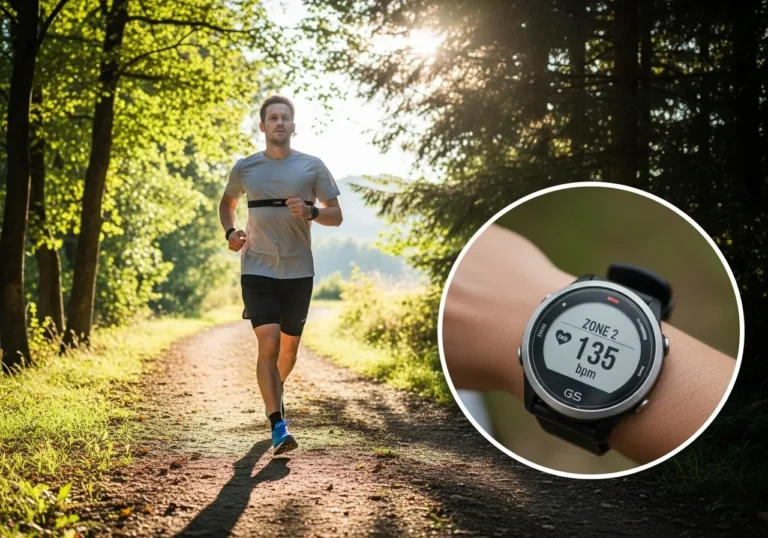
Zone 2 training (sustained activity at 65–75% of maximum heart rate — the upper end of conversational pace) is increasingly recognised as the foundation of aerobic base development across all fitness levels. For many deconditioned individuals, brisk walking achieves Zone 2 training guide heart rate — making it an effective Zone 2 training tool:
Zone 2 training specifically develops mitochondrial density (the number of mitochondria — the cellular energy-producing organelles — within muscle cells) — increasing the capacity for aerobic energy production at all intensity levels
Regular Zone 2 work improves fat oxidation efficiency — the body’s ability to use stored fat as fuel at moderate intensities, relevant to endurance performance and weight management
30–45 minutes of brisk walking four to five days per week provides meaningful Zone 2 volume for most adults and complements higher-intensity training modalities
Walking for Special Populations
Walking’s broad accessibility makes it valuable across populations where most other exercise modalities have significant limitations:
Older adults: Walking is the single most commonly practised exercise by adults over 65 — its low injury risk, adjustable intensity, and social accessibility make it uniquely well-suited to this population. Research consistently associates regular walking with reduced fall risk, slower cognitive decline, and improved functional independence in older adults.
Pregnancy: Moderate walking throughout pregnancy is considered safe and beneficial for most healthy pregnancies — improving gestational diabetes risk, mood, and cardiovascular fitness without the impact stress of running
Post-cardiac events: Walking is the cornerstone of most cardiac rehabilitation programs — its controllable intensity and absence of impact loading allow progressive cardiovascular training immediately following cardiac events under appropriate medical supervision
Obesity and joint conditions: The buoyancy-like effect of walking in water (aquatic walking or pool walking) provides the metabolic benefit of walking with dramatically reduced joint loading for individuals whose body weight or joint conditions make land-based walking uncomfortable
Walking FAQ
Is walking enough exercise if I do nothing else?
For meeting the minimum threshold of physical activity associated with significant mortality reduction and chronic disease prevention — yes. Meeting the WHO’s guideline of 150 minutes of moderate physical activity per week through walking produces meaningful and measurable health benefits in previously sedentary individuals.
However, walking alone does not develop the muscle strength and bone density that comprehensive fitness requires, and does not produce the cardiovascular performance adaptations of higher-intensity training. A complete fitness approach includes walking as a component alongside some form of resistance training — not as a complete replacement for structured exercise.
What is the best time of day to walk?
The best time of day to walk is the time that is consistently achievable. Research on timing of exercise and health outcomes does not show differences large enough to override the practical considerations that determine long-term adherence.
Morning walks have specific advantages: exposure to morning light reinforces circadian rhythms that benefit sleep quality, and completing exercise before the day introduces schedule disruptions maximises consistency. Post-meal walks have specific metabolic advantages for blood glucose management. Evening walks can support sleep through the subsequent temperature drop following exercise. The consistent habit matters more than the specific timing.
How does walking compare to other cardio exercises for calorie burning?
Walking burns fewer calories per unit of time than running, cycling, or rowing at higher intensities — but more calories per unit of time than most sedentary activities, and the low-intensity nature allows it to be sustained for much longer durations without the fatigue that limits higher-intensity exercise.
The total daily caloric expenditure from walking — integrated across multiple walking bouts throughout the day — is often comparable to a single moderate-intensity gym session, particularly for active individuals who walk throughout their workday. Total daily energy expenditure from non-exercise activity (all movement outside formal exercise) is increasingly recognised as an important complement to structured training for body composition and metabolic health.
✅ Key Takeaways
Brisk walking reduces cardiovascular risk factors including blood pressure, aerobic fitness, and adiposity — with benefits demonstrated across 32 randomised controlled trials
The largest relative health benefit from walking occurs at the lowest activity levels — moving from sedentary to 30 minutes per day provides greater risk reduction than doubling from 30 to 60 minutes
Three 10-minute walking bouts across a day produce equivalent cardiovascular and metabolic benefits to a single 30-minute session — accumulated walking counts
Step pace is as important as step count — walking the same number of steps at a brisk pace produces better health outcomes than walking them slowly
Zone 2 brisk walking develops mitochondrial density and fat oxidation efficiency — foundational aerobic adaptations that benefit every subsequent physical activity
⚠️ Health & Fitness DisclaimerThis article is for general educational purposes only. It does not replace professional medical advice. If you have cardiovascular, joint, or respiratory conditions, consult a qualified healthcare professional before beginning a running programme. Running is the most accessible cardiovascular exercise on the planet. No equipment, no membership, no learning curve —…
⚠️ Health & Fitness DisclaimerThis article is for general educational and informational purposes only.It does not replace professional medical or fitness advice.If you have any pre-existing condition or injury — please consult a qualified healthcare professional or certified personal trainer before starting any new exercise program. Resistance bands are dismissed by many gym-goers as beginner…
⚠️ Fitness Disclaimer: The information in this article is for general educational purposes only and does not constitute professional fitness or medical advice. Always consult a qualified healthcare professional before starting any new exercise program. ⚠️ Cardiovascular Health Notice: If you have a history of heart disease, high blood pressure, or any cardiovascular condition, obtain…
⚠️ Fitness Disclaimer: The information in this article is for general educational purposes only and does not constitute professional fitness or medical advice. Always consult a qualified healthcare professional before starting any new exercise program. ⚠️ Cardiovascular Health Notice: If you have a history of heart disease, high blood pressure, or any cardiovascular condition, obtain…
⚠️ Health & Fitness DisclaimerThis article is for general educational and informational purposes only.It does not replace professional medical or fitness advice.If you have any pre-existing condition, joint concern, or cardiovascular issue — please consult a qualified healthcare professional before starting or modifying any exercise program. Jump rope training has been used by boxers, athletes,…
Warning Fitness Disclaimer: The information in this article is for general educational purposes only and does not constitute professional fitness or medical advice. Always consult a qualified healthcare professional before starting any new exercise program. The cardio mistakes guide Method That Changed Everything I Thought I Knew About Training For most of my training life,…