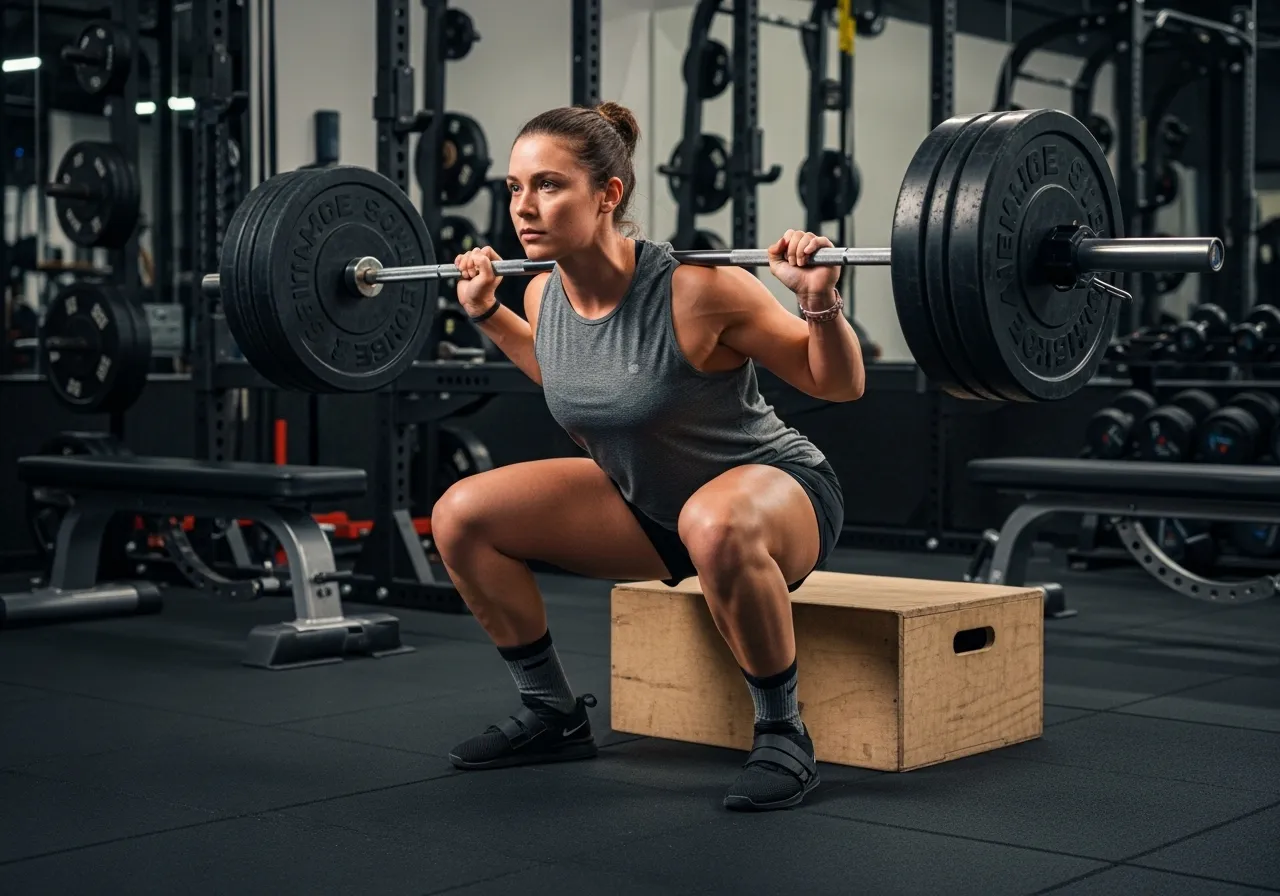
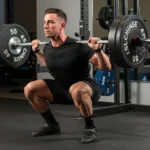
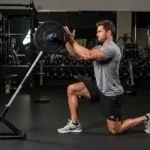
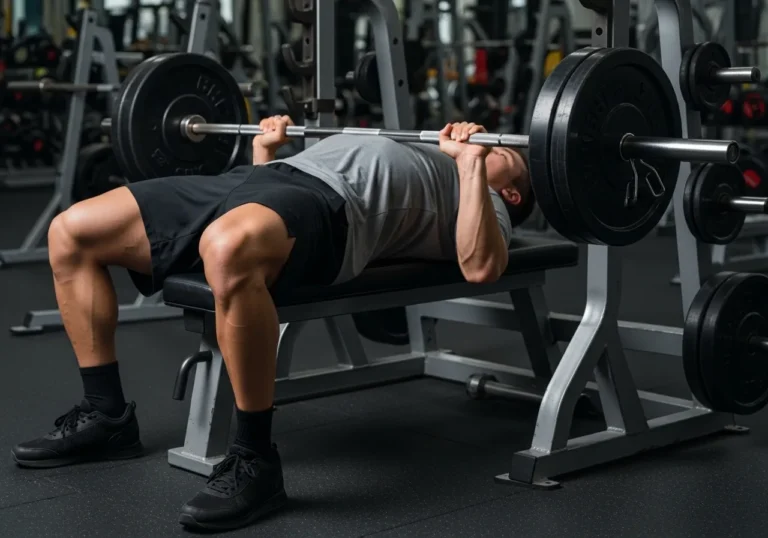
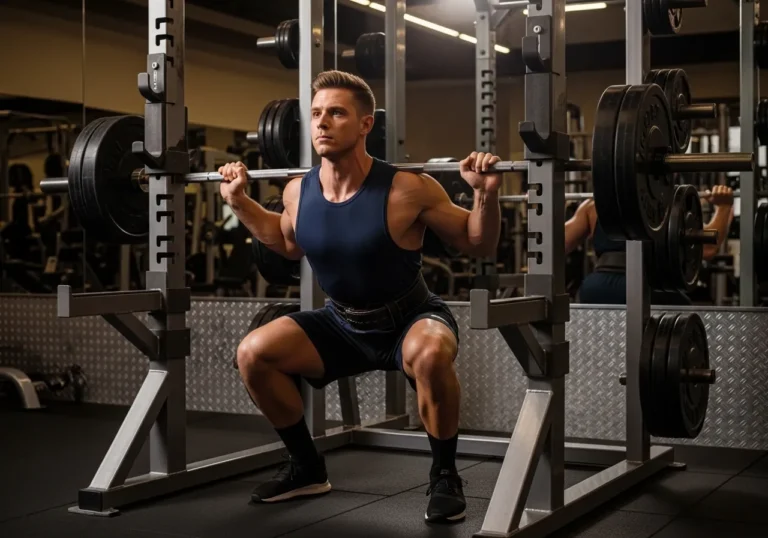
The box squat is simultaneously one of the most effective and most misunderstood squat variations available. Its proponents claim it develops power that the conventional back squat cannot, builds the hip and posterior chain emphasis that powerlifters need, and teaches correct squat mechanics by providing a definitive depth reference. Its critics dismiss it as a partial squat with a reduced range that removes the most challenging part of the movement.
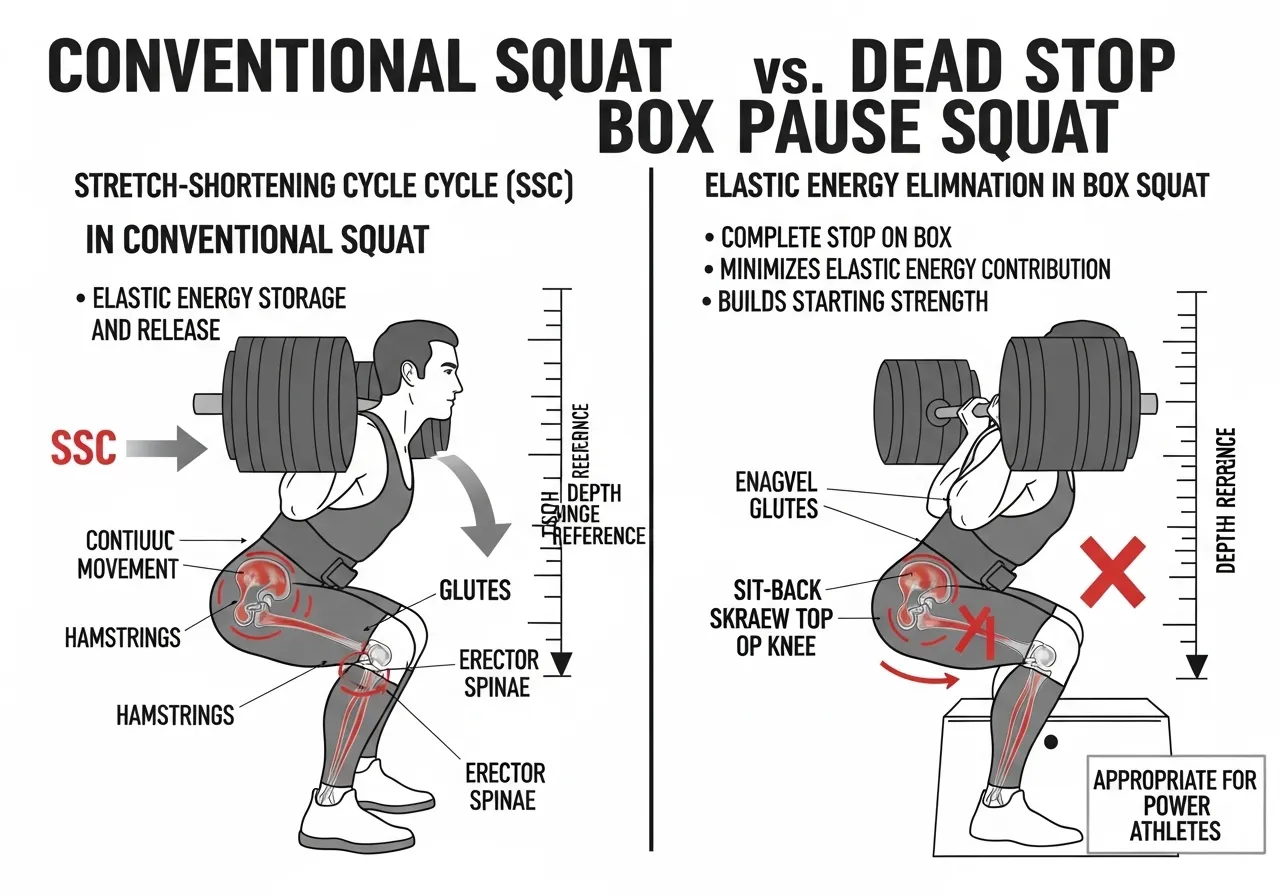
Both perspectives miss the central mechanism that makes the box squat distinct. The pause on the box — the moment where the lifter sits back, contacts the box, holds briefly, and then drives upward — removes the stretch reflex that conventional squatting relies on. In a conventional squat, the elastic energy stored in the hip flexors, gluteal tendons, and other elastic tissues during the eccentric descent contributes to the concentric drive. This stretch-shortening cycle energy is real and measurable, and its contribution to squat performance is substantial.
The box squat’s pause removes this contribution. The lift must initiate from a completely dead stop, driven entirely by the concentric force production capacity of the muscles rather than any elastic energy carryover. This dead-stop requirement trains raw force production at the bottom position that conventional squatting, with its stretch reflex assistance, cannot isolate as effectively.
This guide covers the mechanics of stretch reflex elimination, what the research shows about squat stance, muscle emphasis, and kinematics, technique for the box squat, what the box squat develops that the back squat cannot, programming for powerlifters and general trainees, and when the box squat is the appropriate primary exercise versus a supplementary accessory.
Why Does Removing the Stretch Reflex Change How Power Is Developed in the Squat?
The Stretch-Shortening Cycle in Conventional Squatting
In a conventional back squat performed with a fluid transition between the eccentric and concentric phases, the stretch-shortening cycle (SSC) contributes meaningfully to the concentric drive. As the hips, knees, and ankles flex during the descent, the muscles and tendons crossing these joints store elastic potential energy. At the transition from eccentric to concentric, this elastic energy is released in the concentric direction, supplementing the active muscle force production. Studies on SSC contribution in squatting find that athletes can produce 10 to 15% more force in the concentric phase when the SSC is intact compared to when it is eliminated through a prolonged pause at the bottom.
This SSC contribution is not a flaw in the conventional squat — it is a natural and useful property for most training applications. But it means that the force production capacity being tested during a conventional squat is not purely the muscles’ concentric strength from the bottom position. Some portion of what allows the bar to leave the bottom position is the elastic energy of the preceding eccentric phase rather than the pure force production of the glutes, hamstrings, and quads from a static bottom position.
What the Box Pause Removes
The box squat pause interrupts the SSC by providing a surface that allows the eccentric elastic energy to dissipate before the concentric phase begins. The lifter sits back onto the box, contacts the surface, and pauses until the hip flexors and gluteal tendons have relaxed from their eccentric pre-loaded state. The subsequent concentric drive is initiated entirely by concentric muscle contraction from a static starting position — the same mechanical condition as a deadlift from the floor or a bench press from the chest, where no eccentric pre-loading precedes the concentric phase.
This dead-stop requirement is the box squat’s central training stimulus. It develops the ability to produce force from zero velocity at the bottom position, which transfers to the real performance challenges in squatting and athletic movement: the moment when the bar pauses in the sticking point of a maximal squat attempt, or the moment of ground contact during athletic jumping and landing where the landing absorbs the elastic energy and the athlete must produce force from a mechanically loaded but elastically depleted position.
Posterior Chain Emphasis: Why Sitting Back Changes the Muscle Demand
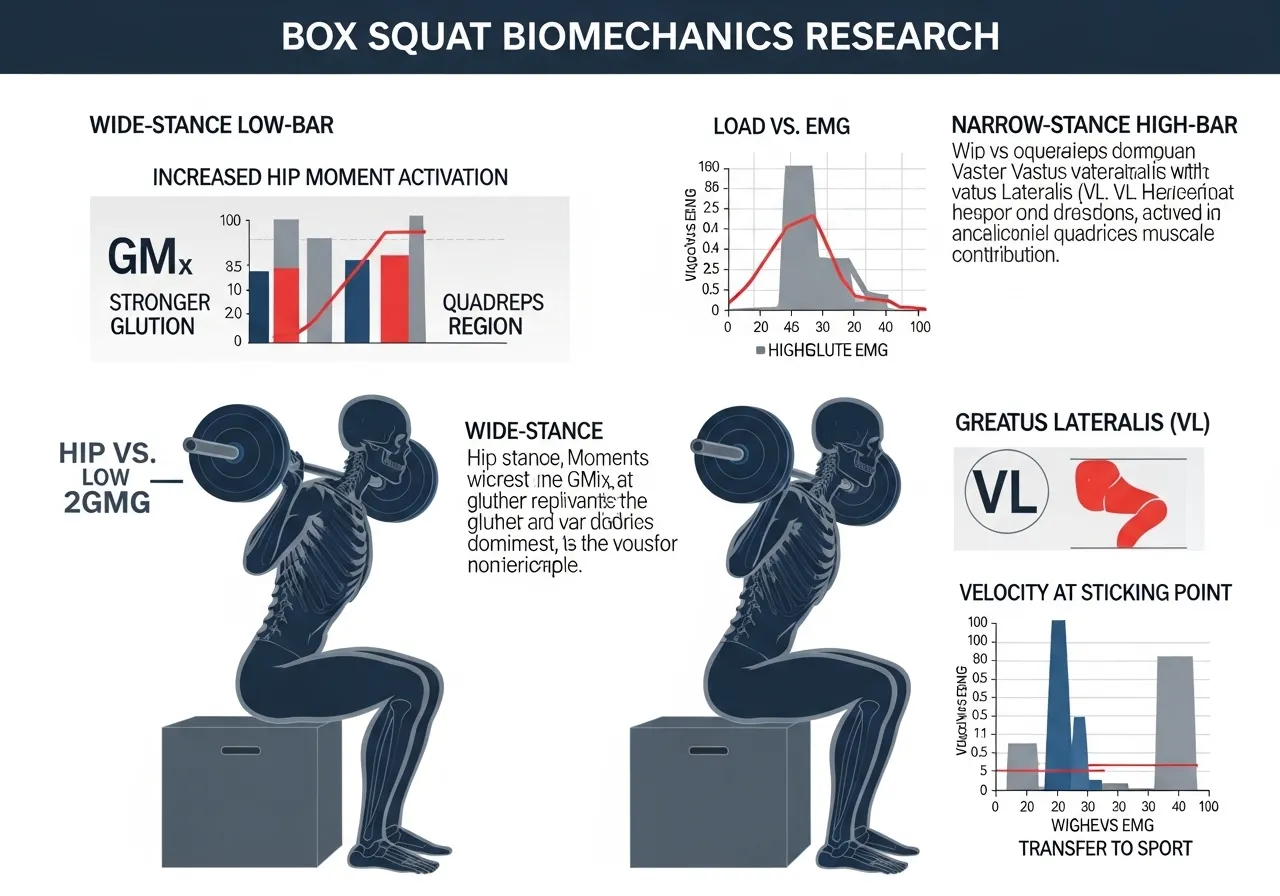
The box squat technique — sitting back onto the box rather than sitting down as in a conventional squat — exaggerates the hip hinge component of the squat and reduces the knee-dominant vertical descent that characterises high-bar back squatting. This backward weight shift moves the hip further behind the knees, increasing the hip extension moment arm and the demand on the gluteus maximus and hamstrings relative to the quadriceps.
Research on stance width and squat kinematics confirms this relationship: wider stances and greater forward trunk lean (which the box squat’s sit-back technique produces) result in larger hip contributions to the total moment and less knee contribution. The muscle activation research confirms this with greater gluteus maximus activity and less vastus lateralis activity in low-bar, wide-stance conditions similar to the box squat’s typical setup compared to high-bar, narrow-stance conditions.
Depth Management: The Box as a Consistent Reference
One practical advantage of box squatting that is separate from the power development rationale is the consistent depth reference the box provides. Without a box, squat depth varies between sessions, between reps, and between fatigue states. Some trainees consistently squat above parallel without realising it; others vary depth in a way that makes load comparisons across sessions unreliable. The box provides an objective, session-to-session consistent depth reference that allows genuine progression comparisons rather than comparing different-depth squats at nominally matched loads.
Who Benefits Most From the Stretch Reflex Elimination
The stretch reflex elimination benefit is most relevant for power athletes and powerlifters whose sport performance requires force production from positions where elastic energy is absent or depleted — the sticking point of a maximal squat, the ground contact phase of a sprint start, the landing-to-jump transition in jumping sports. For general fitness trainees without specific power or strength sport goals, the SSC is a useful and appropriate contributor to training stimulus, and the box squat’s SSC elimination may be unnecessary complexity rather than a targeted development tool.
Research: Stance Width, Kinematics, and Muscle Activation in Squatting
📌 Key Finding
Muscle activation profiles change meaningfully from 30% to 100% 1RM in free squats. Programming box squats at different percentages of maximum produces different neuromuscular stimuli, with higher loads emphasising maximum force production from the dead stop and lower loads emphasising velocity and rate of force development.
Traditional vs Safety Squat Bar: Sticking Region and Bar Velocity
📌 Key Finding
Equipment and setup variables in squatting produce different muscle activation and bar velocity characteristics. The box squat’s setup (box height, stance width, sit-back technique) similarly produces a distinct mechanical profile that differs meaningfully from conventional back squat mechanics.
The Sticking Region: Where Box Squat Training Transfers
The sticking region of the squat — the angular range where bar velocity decreases to its minimum and where most failed attempts terminate — occurs in the transition from bottom position to mid-range in most squatters. Box squat training specifically develops force production capacity at and near this sticking region because the dead-stop requirement forces maximum force expression from the exact position that constitutes the sticking point. Conventional squat training passes through the sticking point with SSC assistance that reduces the raw force production requirement at the most challenging position. Box squatting without SSC assistance develops the raw force capacity that sticking-point improvement requires.
The Hip Hinge Integration: Why Box Squats Teach Better Movement Patterns
The sit-back technique required for effective box squatting develops the hip hinge integration within the squat pattern that many trainees lack — the ability to move the hips backward and allow the trunk to incline forward rather than keeping the torso upright and descending purely by knee flexion. This hip hinge integration is the movement pattern that transfers to conventional and sumo deadlifting, Romanian deadlifts, and hip-dominant athletic movements. Trainees who squat exclusively high-bar, knee-dominant, and SSC-assisted often develop a hip hinge integration deficit that box squatting corrects by forcing the sit-back mechanic that distributes the load appropriately across the hip and knee extensors.
Box Squat Technique: Setup, Descent, and the Pause
⚠️ Hip and Lower Back Safety Note The box squat’s wide stance and sit-back technique places significant demand on the hip adductors and hip external rotators, particularly when the hips are loaded in their most flexed position at the box contact. Individuals with hip impingement (FAI), active groin pathology, or sacroiliac joint dysfunction should approach wide-stance box squatting with caution and may need to use a narrower stance or higher box to stay within comfortable hip range. The lumbar spine must remain neutral at the box — rounding the lower back at the bottom position while sitting on the box and attempting to initiate the concentric drive places the lumbar discs in their most vulnerable position under load.
Box Height Selection
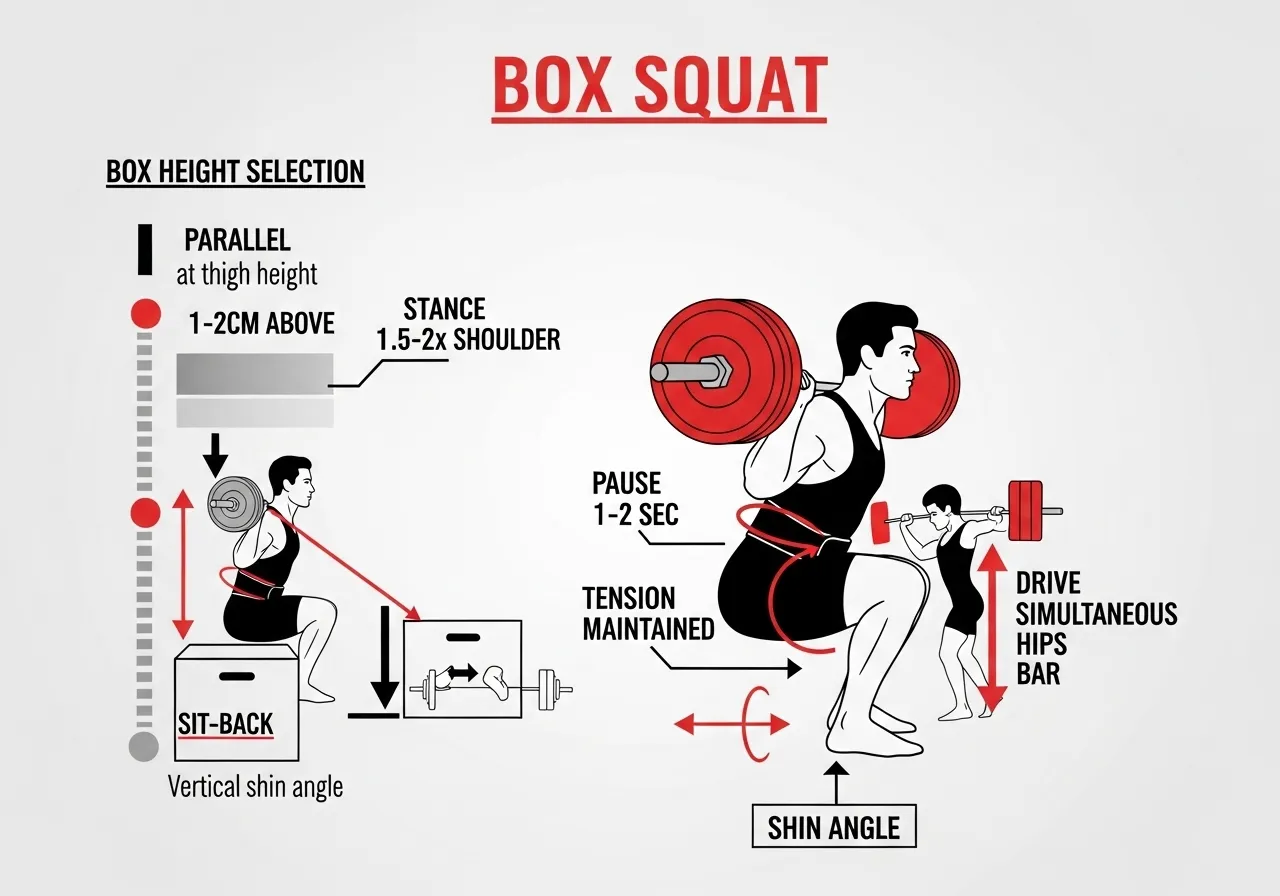
The box height determines the bottom position joint angle and the degree to which the sticking point is specifically targeted. A box at parallel depth (thighs parallel to the floor at box contact) places the bottom position at the standard squat depth and provides the conventional sticking-point training stimulus. A box slightly above parallel (just above the competition depth standard) allows heavier loading by reducing the range of motion and is appropriate for max-effort strength development. A box below parallel provides greater range and more posterior chain stretch at the bottom, appropriate for advanced trainees developing below-parallel strength.
For most beginners and intermediate trainees using the box squat for the first time, a box at parallel or 2 to 3 cm above parallel provides the appropriate depth for learning the technique before adjusting height based on the specific training goal.
Stance Width and Foot Angle
The box squat is typically performed with a wider stance than the conventional back squat — feet at 1.5 to 2 times shoulder width with toes pointed outward at 30 to 45 degrees. This wider stance facilitates the sit-back technique by allowing greater hip external rotation and making it easier to push the knees outward during the descent. The foot angle should match the knee tracking direction: the knees should travel over the toes throughout the descent and ascent, not collapsing inward as the wide stance can facilitate in trainees with limited hip abductor strength.
The Descent: Sitting Back, Not Down
The box squat descent distinguishes itself from conventional squatting by the direction of the hip movement. In a conventional high-bar squat, the hips descend relatively vertically, with the knees tracking forward over the toes and the shin angle increasing significantly. In the box squat, the hips move backward as they descend, the shin angle increases minimally, and the trunk inclines forward to maintain balance over the foot’s midpoint. This backward hip movement is the sit-back that transfers load from the quad-dominant knee flexion pattern to the hip-dominant hip hinge pattern.
Box Contact and the Pause
Contact with the box should be controlled and deliberate — the hips touch the box surface and the lifter pauses with the full load maintained on the legs (not relaxing onto the box and transferring the load to the box surface). The pause duration for standard box squatting is 1 to 2 seconds — long enough to eliminate the SSC but not so long that it becomes a prolonged rest period that changes the exercise into a seated bottom-position stand. During the pause, the brace must be maintained, the lower back must stay neutral, and the hips must remain slightly above the box surface in the ready-to-drive position rather than fully relaxing.
The Drive: Leg and Hip Simultaneously
The concentric drive initiates with simultaneous leg extension and hip extension, pushing the floor away while driving the hips forward and upward. The box squat’s sit-back mechanics mean the hips are loaded in a position similar to the bottom of a Romanian deadlift — hip hinge dominant — so the hip extension component of the drive is proportionally larger than in a conventional squat’s more upright starting position. Focus on driving through the entire foot (not just the heel), keeping the bar directly over the midfoot, and maintaining the trunk angle that the sitting position established through the first quarter of the concentric phase before allowing it to become more upright.
Box Squat Programming: For Powerlifters and General Trainees
The Powerlifting Application: Westside and Max Effort Methods
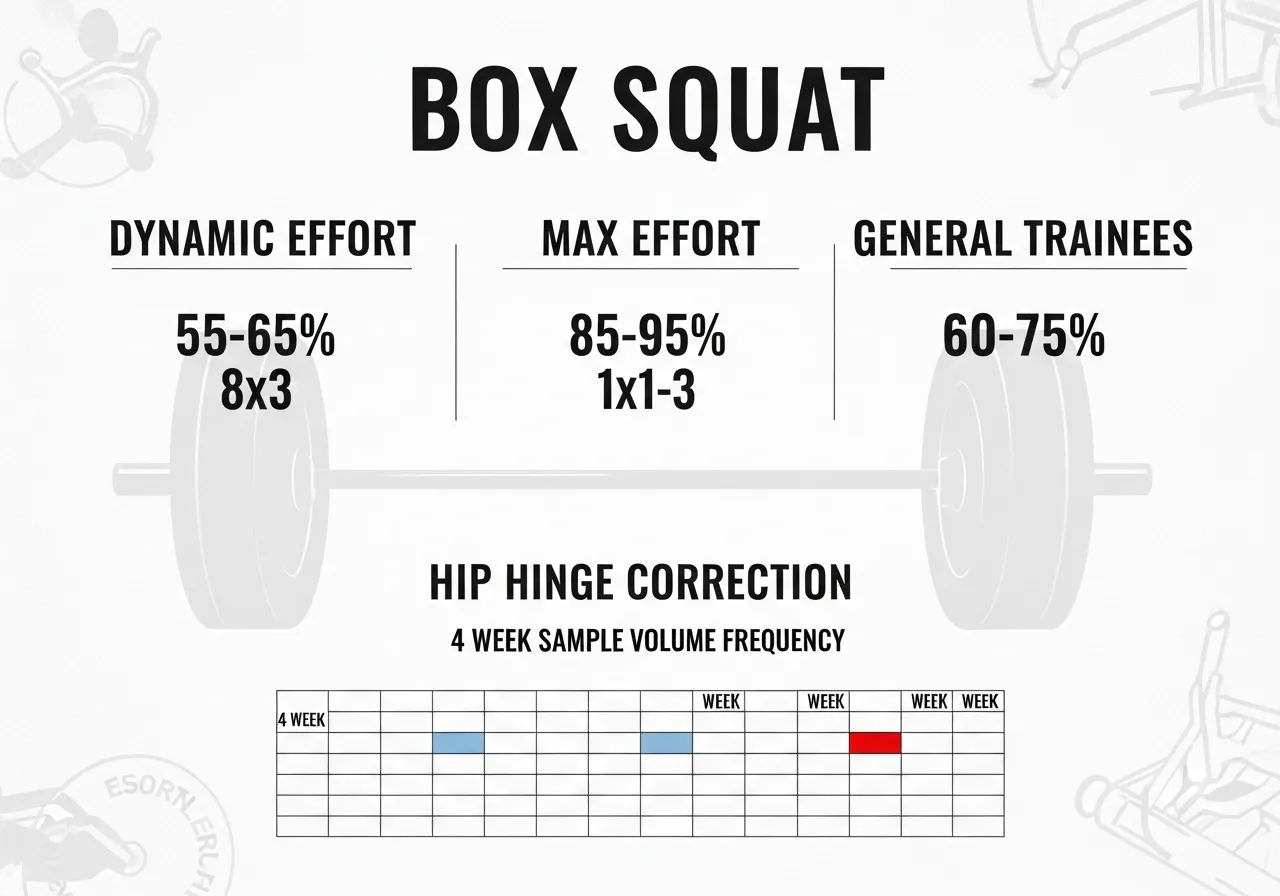
The box squat’s most well-known application is within the Westside Barbell methodology, where it is used as the primary dynamic effort (speed-strength) squat variation performed at 50 to 70% of maximum for 8 to 12 sets of 2 to 3 repetitions with 45 to 90-second rest intervals. At these sub-maximal loads performed with maximum velocity intent, the dead-stop requirement forces the production of maximum rate of force development from zero velocity — the specific quality that transfers to improved bar velocity through the sticking point in competition squatting.
The max effort application uses the box squat at 90 to 100% of maximum for 1 to 3 repetitions to develop maximum strength at the sticking-point position. By alternating box heights across max effort sessions — above parallel, parallel, below parallel — the programme systematically develops force production across the full range of positions that constitute the squat’s most challenging angular range. The conventional deadlift and its comparison to the box squat for posterior chain development is covered in the conventional deadlift guide.
For General Trainees: Teaching Hip Hinge Integration
General trainees who have not developed the hip hinge component of the squat — who squat knee-dominant with significant forward shin travel and minimal trunk inclination — benefit from box squatting as a corrective movement that forces the backward hip movement that hip hinge integration requires. Performing box squats at moderate loads (60 to 75% of conventional back squat 1RM) for 3 to 4 sets of 5 to 8 reps develops the sit-back motor pattern that transfers to improved conventional back squat mechanics after 4 to 6 weeks of consistent box squat emphasis.
Box Squat as a Sticking Point Specialist Tool
Intermediate trainees whose conventional back squat has a specific sticking point in the first quarter of the concentric phase — where the bar decelerates to minimum velocity shortly after leaving the bottom position — benefit from box squatting at a height that places the box contact just below this sticking point. The dead-stop requirement at this specific position forces maximum force development from exactly the angle where the sticking point occurs, producing specific strength improvements at the sticking region that transfers to improved conventional squat performance through that range.
Session 1 (Dynamic Effort): 8 × 3 at 55 to 65% 1RM, maximum velocity intent, 60-sec rest
Session 2 (Max Effort): 1 × 1 to 3 at 85 to 95% 1RM after working up over 4 to 5 sets
Box height: parallel in weeks 1 to 2, 2 cm above parallel in weeks 3 to 4
Supplementary: Romanian deadlift 3 × 8 and leg press 3 × 10 alongside box squat sessions
This structure develops both power (dynamic effort) and maximum strength (max effort) at the sticking-point position simultaneously. The two-session structure is based on the conjugate periodisation principle of simultaneously developing multiple strength qualities across the training week.
Load Selection: Starting Lighter Than Expected
Most trainees attempting box squats for the first time discover they can lift significantly less than their conventional back squat 1RM. A starting load of 60 to 70% of conventional back squat maximum is appropriate for the first box squat session, because the elimination of the SSC and the unfamiliar sit-back mechanics mean that the same load requires substantially more raw force production than the conventional squat allows. Progressing toward conventional back squat loads on the box squat over 4 to 8 weeks of practice is a realistic timeline for experienced squatters learning the box squat variation.
Frequency and Volume Guidelines
Box squats respond to similar frequency guidelines as other primary compound lower body exercises: 2 sessions per week is typical for programmes using the box squat as the primary squat variation. For trainees using box squats as an accessory to conventional squatting, 1 session per week following the main squat session provides the sticking-point and posterior chain stimulus without duplicating the primary squat’s training stress. The sumo deadlift’s hip-dominant mechanics and how they complement box squat posterior chain development is covered in the sumo deadlift guide.
Box Squat Variations and Their Specific Applications
Selecting Variations Based on the Training Goal
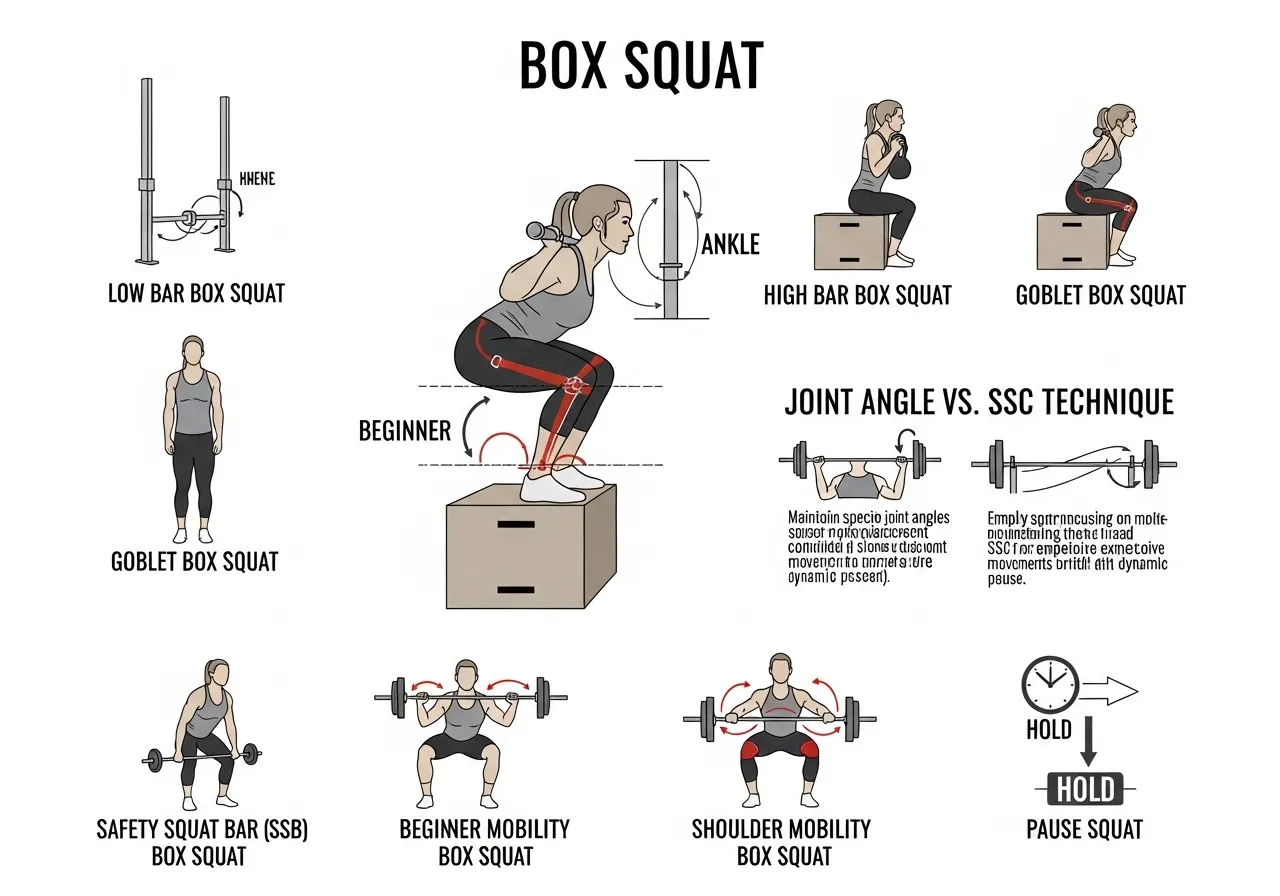
The standard box squat with a barbell in the low-bar position is the foundation. The four variations below address specific training goals or constraints that the standard variation does not optimally serve, and each has a specific application context where it provides advantages over the standard box squat.
🏋️ 1. Standard Low-Bar Box Squat
Target: Posterior chain and hip extensor power from dead stop; powerlifters and strength athletes
How: Wide stance, low-bar position, sit back onto parallel box, brief pause, drive through hips and legs simultaneously.
Best for: The standard application for sticking-point training and posterior chain development. The benchmark box squat variation.
🏋️ 2. High-Bar Box Squat
Target: Quad emphasis with SSC elimination; Olympic weightlifters and quad-dominant athletes
How: High-bar position (upper trapezius), more upright torso, moderate to narrow stance, box at parallel.
Best for: Athletes who need quad-dominant box squatting for their sport specificity (Olympic weightlifting catch position development) while still eliminating the SSC to develop dead-stop quad strength.
🏋️ 3. Goblet Box Squat (Dumbbell or Kettlebell)
Target: Learning sit-back mechanics without barbell complexity; beginners
How: Hold a dumbbell or kettlebell at chest height, sit back onto the box using the anterior load to counterbalance the backward hip movement.
Best for: Beginners learning box squat mechanics without the technical demands of barbell positioning. The anterior load naturally encourages the upright torso and sit-back pattern that the box squat requires.
🏋️ 4. Safety Bar Box Squat
Target: Box squat mechanics with reduced shoulder and wrist demands
How: Safety squat bar on the shoulders, sit-back box squat technique. The SSB’s forward weight shift requires greater torso extension to maintain balance, emphasising the upper back and erector spinae alongside the posterior chain.
Best for: Trainees with shoulder, wrist, or elbow limitations that make conventional barbell back squat positioning uncomfortable. The SSB’s camber shifts the load profile in a way that increases upper back and erector spinae demand, producing a more complete posterior chain training stimulus alongside the hip and glute emphasis of the sit-back technique.
The Pause Squat vs Box Squat: Key Differences
The pause squat — performing a conventional back squat and pausing at the bottom position without box contact — shares the SSC elimination goal of the box squat but differs in two important ways. The pause squat maintains the conventional squat’s hip position and joint angles at the bottom, pausing in the same position that a conventional squat would rebound from. The box squat changes the bottom position itself through the sit-back technique, producing the hip-dominant joint angle that distinguishes the box squat from a paused conventional squat. Both eliminate the SSC; the box squat additionally changes the bottom-position mechanics through the sit-back, making them complementary rather than equivalent approaches to pause-training.
Common Box Squat Errors and How to Fix Them
Why Box Squats Have Distinct Error Patterns
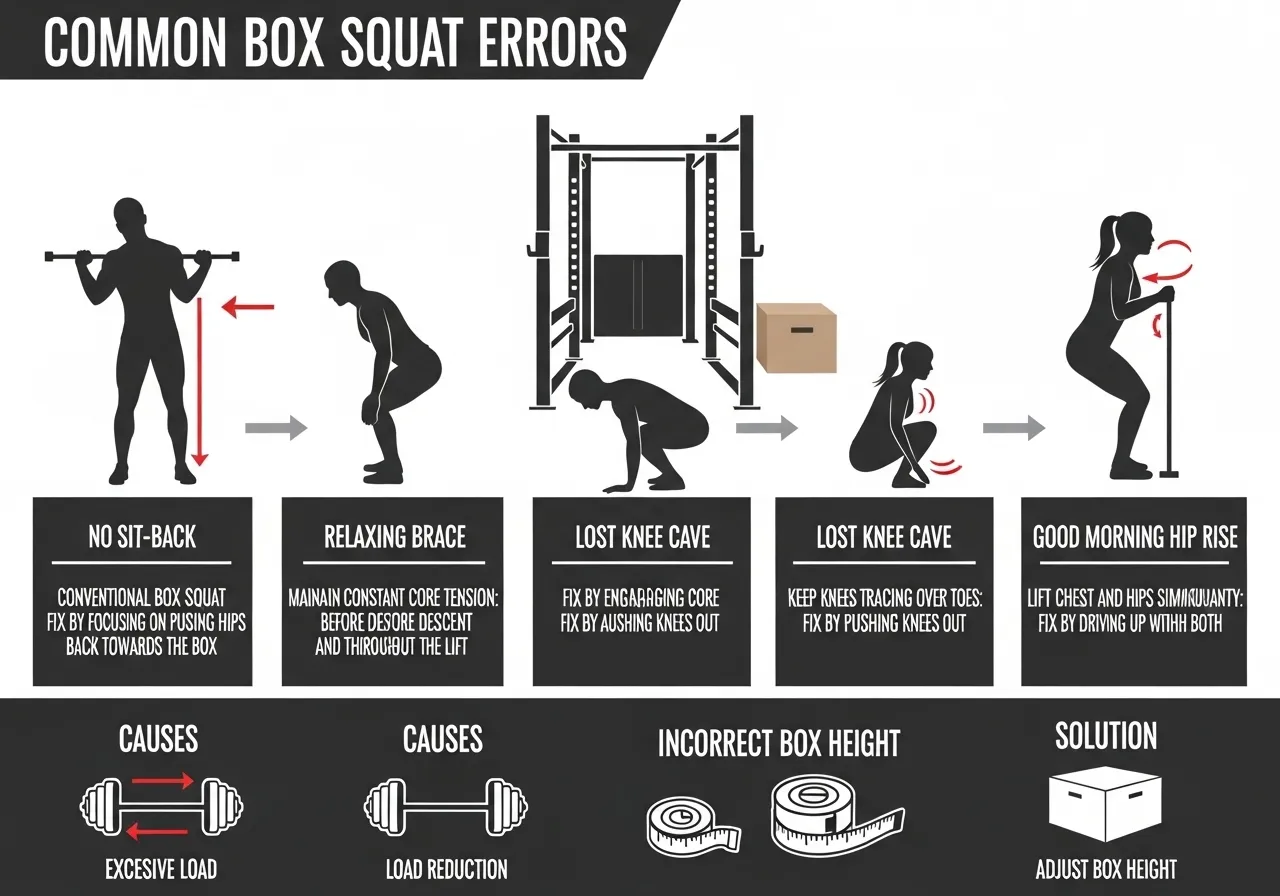
The box squat’s errors typically reflect one of two problems: attempting to perform the exercise like a conventional squat with a box added as a depth marker (which misses the sit-back mechanics that distinguish it) or attempting an extreme sit-back that collapses the torso forward to a degree that creates a good morning squat rather than a hip hinge-integrated squat. Most beginners make the first error; some experienced trainees overcorrect toward the second.
❌ Error 1: Using the Box Only as a Depth Marker (Not Sitting Back)
What happens: The descent is vertical rather than backward, the shins angle forward significantly (as in a high-bar squat), and the box is merely touched before an immediate rebound. This is a conventional squat performed to a box, not a box squat.
Fix: Push the hips backward actively during the descent. Think of reaching behind for a low chair rather than sitting straight down. The shins should remain close to vertical, and the hips should travel at least 15 to 20 cm behind the heels at the bottom position. Film from the side: the shin angle should be noticeably more vertical than in a conventional squat.
❌ Error 2: Completely Relaxing on the Box (SSC and Brace Lost)
What happens: The pause becomes a genuine seated rest, with the core brace released and the bodyweight fully transferred to the box surface. The subsequent concentric drive must rebuild intra-abdominal pressure and re-establish tension before the barbell can move, creating a compromised starting position that undermines the training stimulus and increases injury risk.
Fix: The box contact should feel like a controlled touchdown — the hips touch the surface but the load remains on the muscles throughout. Maintain full core brace and quad tension during the pause. The pause is a tension maintenance challenge, not a rest period.
❌ Error 3: Knees Caving Inward on the Drive
What happens: The wide stance creates hip abductor demand at the initiation of the concentric drive that weaker hip abductors cannot sustain, causing the knees to collapse medially.
Fix: Drive the knees outward actively at the initiation of the concentric phase. The push-the-floor-apart cue used in sumo deadlifts applies equally to box squatting. Reduce load until the knee-out position can be maintained throughout. Add hip abductor strengthening (clamshells, lateral band walks) alongside box squat training if this error is persistent.
❌ Error 4: Good Morning Rising (Hips Rise Faster Than Bar)
What happens: During the concentric drive, the hips rise rapidly while the bar moves slowly, converting the squat into a hip hinge-dominant movement where the back extensors, not the quads and glutes together, complete the lift.
Fix: Drive the bar and the hips upward simultaneously. Think of pushing the floor away with the legs while the hips drive forward, not upward. If the good morning pattern persists, reduce load or raise the box height to allow a more upright starting position that enables more simultaneous leg and hip extension.
Box Height as the First Adjustment for Persistent Errors
Most technique errors in box squatting are resolved by adjusting box height before attempting technique cues. Too low a box forces hip angles that the trainee’s mobility or strength cannot control correctly. A 3 to 5 cm higher box allows the same sit-back mechanics at a more manageable hip flexion depth, and corrects technique in a higher proportion of cases than cuing alone. Only after technique is clean at the adjusted height should the box be progressively lowered toward the target depth.
Frequently Asked Questions About the Box Squat
Is the box squat safer than the conventional back squat for the lower back?
The box squat’s sit-back mechanics reduce the forward trunk lean moment arm at the bottom of the movement compared to some conventional squat styles, which could reduce lumbar extensor demand. However, the wide stance and deep hip flexion at box contact place the hip and lumbar spine in positions that may stress different structures than conventional squatting does. The box squat is not inherently safer or more dangerous than conventional squatting — the safety of either depends on load management, technique quality, and individual anatomy.
Individuals who find conventional squatting consistently aggravates lower back symptoms may benefit from trying the box squat if the issue is trunk lean-related, or may find it equally problematic if the issue is hip flexion-related. The best indicator is symptom response to a conservative trial at moderate load rather than assumptions about which variation is categorically safer.
Can I box squat to develop the same muscles as a conventional squat?
Box squatting develops all the same lower body muscles as conventional squatting — quads, glutes, hamstrings, and hip adductors — but with different relative emphasis. The wider stance and sit-back mechanics of box squatting shift the relative emphasis toward the gluteus maximus and hip extensors and away from the vastus lateralis. A programme that includes only box squats will develop significant quad strength but will develop greater posterior chain strength proportionally than an equivalent volume of conventional back squatting. The muscle emphasis difference is meaningful but not extreme — box squats train the quads substantially, just with less relative emphasis than the conventional squat’s more quad-dominant mechanics.
How do I know if the box squat is right for me versus just squatting deeper?
The box squat is the appropriate tool when the specific training goal is one of the three applications described earlier: sticking-point strength development, posterior chain emphasis within a squat pattern, or SSC elimination for power development. If none of these apply to your training goals, conventional squatting to full depth provides a broader training stimulus without the technical complexity of the box squat’s setup and sit-back technique.
The practical test: can you identify a specific sticking point in your conventional squat at heavy loads? Are you a powerlifter or power athlete whose sport requires hip-dominant force production from specific bottom-position mechanics? Does your conventional squat lack the hip hinge integration that would make it more effective for your goals? If any of these questions has a yes answer, box squatting is worth the learning investment. If all are no, conventional squatting to appropriate depth is sufficient for your goals.
Should beginners learn box squats before conventional back squats?
The order depends on the beginner’s specific movement deficits. For beginners who show quad-dominant squatting with poor hip engagement and excessive forward lean from the start, learning the box squat first develops the hip hinge integration that will improve their conventional squatting when they transition to it. For beginners without these specific deficits, conventional back squatting to appropriate depth is the more efficient starting point — the box squat’s technique complexity adds learning curve that most beginners can avoid by establishing conventional mechanics first.
The goblet box squat is an appropriate beginning tool for almost all trainees learning squat mechanics, because the anterior load with the box sit-back naturally develops the hip engagement and depth awareness that both box squatting and conventional squatting require. Progressing from goblet box squat to barbell conventional squat, then introducing the barbell box squat as a specific variation once both patterns are established, is a sensible sequencing for general fitness trainees. The back squat technique and how the box squat complements conventional squat mechanics is covered in the back squat guide.
What is the correct pause duration on the box?
The pause duration depends on the training application. For standard sticking-point and SSC elimination work, a 1 to 2-second pause is standard — long enough to definitively eliminate the SSC but not so long that the exercise becomes a seated isometric hold. For dynamic effort work at submaximal loads, some practitioners use an extremely brief touch-and-pause of less than 1 second that eliminates the major SSC contribution without fully eliminating all elastic energy. For rehabilitation and assessment applications where identifying true bottom-position strength is the goal, a longer pause of 3 to 5 seconds provides more complete SSC elimination and a clearer assessment of dead-stop capacity.
Key Takeaways
The box squat eliminates the stretch-shortening cycle by pausing at the bottom position, developing pure concentric force production from zero velocity rather than the SSC-assisted force that conventional squatting trains.
Wide stance, sit-back mechanics produce greater hip extensor and gluteus maximus activation relative to quad activation. This posterior chain emphasis is a specific training stimulus rather than a deficiency of quad development.
The box squat is most valuable for sticking-point strength development, posterior chain emphasis within a squat pattern, and power development for athletes who need force production from elastically depleted positions.
Common errors convert the box squat into a conventional squat with a box marker (no sit-back), a full relaxation rest (tension lost at bottom), or a good morning (hips rise faster than bar). Each has a specific fix based on load reduction and technique cue adjustment.
Box squatting is not for every trainee. Its specific applications — powerlifting sticking point, hip-dominant power development, hip hinge correction — determine its appropriate use. General trainees without these specific goals may find conventional squatting to depth provides a broader and sufficient training stimulus.
Every serious upper body pressing programme eventually arrives at the same limitation: the lockout. Chest and anterior deltoid strength builds quickly with standard bench pressing. Triceps strength, specifically the capacity to drive the bar from mid-range to full extension, develops more slowly and becomes the bottleneck at heavier loads. The close-grip bench press directly addresses…
⚠️ Fitness Disclaimer: The information in this article is for general educational purposes only and does not constitute professional fitness or medical advice. Always consult a qualified healthcare professional before starting any new exercise program. The dumbbell vs barbell bench Plateau Nobody Talks About Honestly I hit 100kg on the bench press and then —…
The front squat is the most technically honest squat in any strength programme. The barbell sits on the front of the shoulders. The elbows point forward. The torso stays vertical. When the technique is correct, it works. When one element breaks, whether wrist immobility, collapsed elbows, or forward lean, the bar rolls forward and the…
⚠️ Hamstring and Knee Safety NoteThe Nordic hamstring curl places the biceps femoris and semimembranosus under maximum eccentric load at full knee extension — the position associated with the highest hamstring injury risk during sprinting. Individuals with active hamstring tears (Grade II or above), proximal hamstring tendinopathy, or recent posterior knee surgery should obtain medical…
The barbell squat is the king of lower body exercises. Nobody argues this. But the squat trains both legs simultaneously, allows the stronger leg to compensate for the weaker, and does not replicate the single-leg mechanics of every sport, every staircase, and every walking stride. The barbell lunge addresses what squatting leaves untrained. It loads…
⚠️ Fitness Disclaimer: The information in this article is for general educational purposes only and does not constitute professional fitness or medical advice. Always consult a qualified healthcare professional before starting any new exercise program. Why One Leg at a Time Builds More Muscle Than Two For the first three years of serious training, I…